
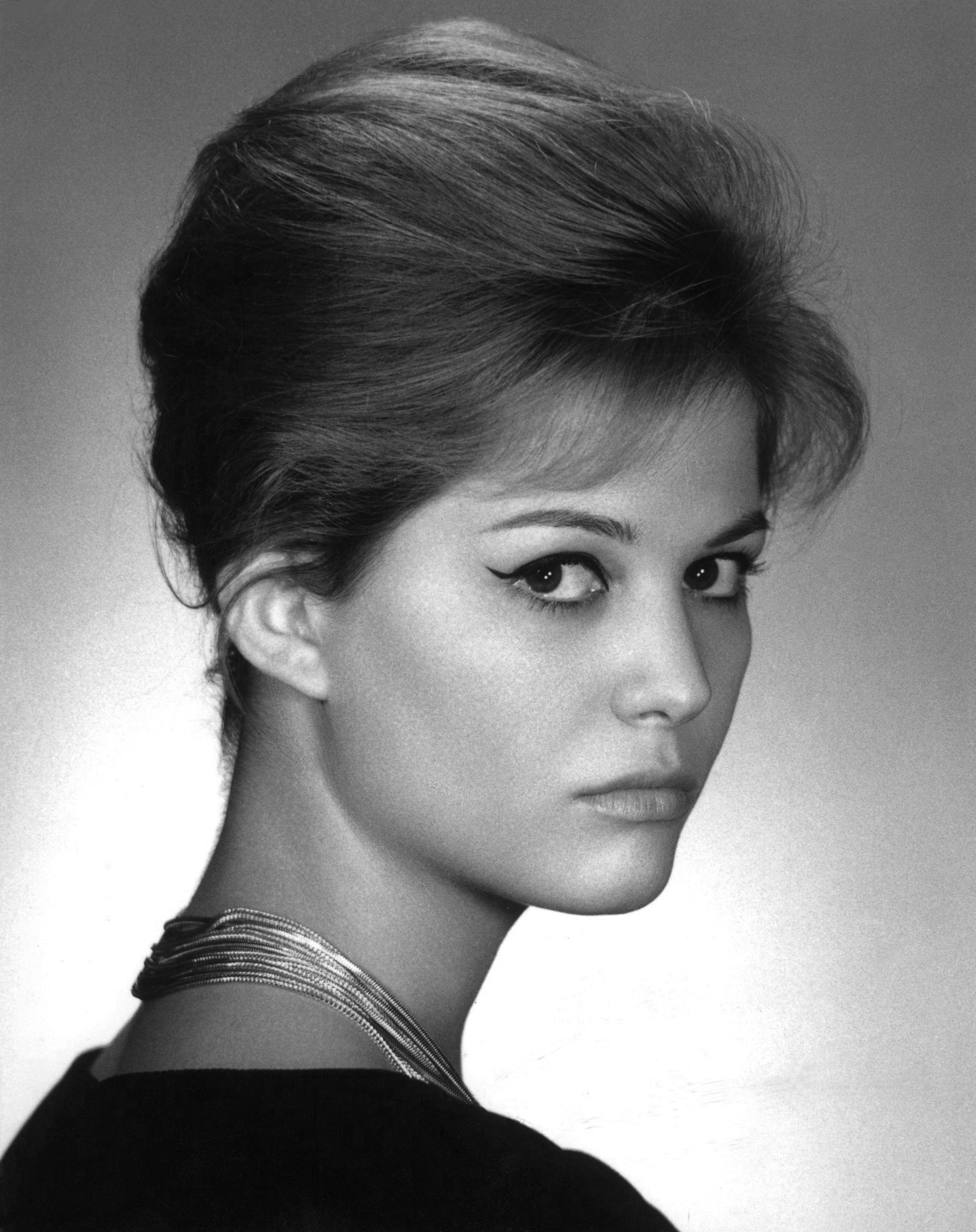
In the golden twilight of 1960s cinema, when studios wielded absolute power and starlets were molded like clay, one woman made a choice that stunned an entire industry. Claudia Cardinale, crowned “the most beautiful woman in the world,” had conquered Hollywood’s heart with her smoldering presence in *The Pink Panther* and Sergio Leone’s epic *Once Upon a Time in the West*. Yet at the height of her American fame, she did something no studio executive could comprehend—she turned her back on Tinseltown and never looked back. But why would a woman who had everything Hollywood promised simply… walk away?
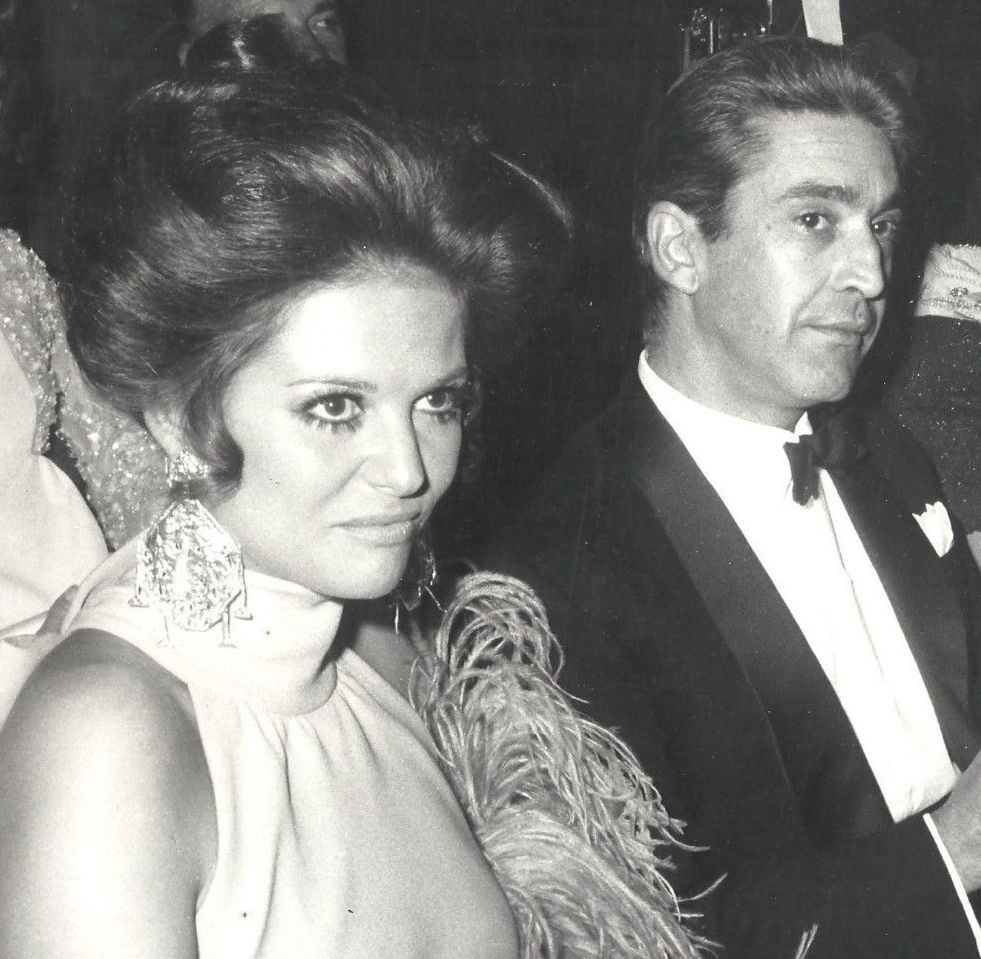
The Tunisian Rose Who Bloomed Under Italian Lights
Picture this: a sultry afternoon in 1957 Tunisia, where a young woman named Claude Joséphine Rose Cardinale stepped onto a stage in La Goulette, a sun-drenched municipality near Tunis. She had entered the “Most Beautiful Italian Girl in Tunisia” competition almost on a whim, her dark eyes holding secrets and her smile promising mysteries yet to unfold. When they crowned her the winner, she had no idea that prize—a simple trip to Italy—would transform her into one of cinema’s most enduring legends.
But here’s where the story takes its first intriguing turn. It wasn’t just her beauty that caught the industry’s attention. Producer Franco Cristaldi saw something deeper, something that cameras would later capture in haunting detail. He became her mentor, guiding her through her first tentative steps in Italian cinema, starting with a minor role alongside the magnetic Omar Sharif in *Goha*.
What happened between mentor and protégé during those crucial early years? The relationship would evolve into something far more complex, setting the stage for a career that would span six decades and leave audiences breathless across continents.
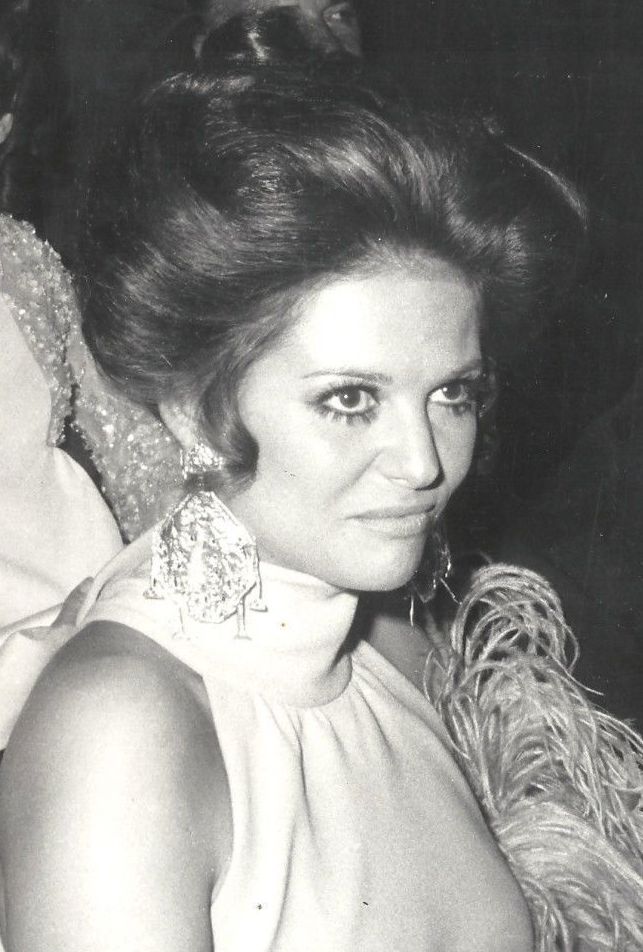
The Enigmatic Goddess Who Redefined Screen Magnetism
Cardinale possessed something that couldn’t be manufactured in Hollywood’s dream factories—an authentic mystique that seemed to emanate from her very soul. When Federico Fellini cast her in *8½*, he wasn’t just hiring an actress; he was capturing lightning in a bottle. Her collaborations with cinema’s most visionary directors—Sergio Leone, Werner Herzog, Fellini—revealed layers of complexity that made her more than just another beautiful face.
She moved through her roles like a woman carrying secrets. Whether playing a former prostitute in Leone’s sprawling Western epic or navigating the sophisticated comedy of *The Pink Panther* opposite David Niven, Cardinale brought an intelligence and depth that elevated every frame. Her eyes seemed to hold entire universes of untold stories, making audiences lean forward, desperate to unlock the mysteries within.
In *Rocco and His Brothers*, *The Leopard*, and *Girl with a Suitcase*, she became the face of Italian cinema’s golden age, standing shoulder-to-shoulder with legends like Sophia Loren and Anna Magnani. Yet unlike her contemporaries, Cardinale seemed to exist in a world slightly apart, as if she were observing the glamorous circus around her with the knowing smile of someone who understood something the rest of us had missed.
The Moment She Chose Love Over Stardom’s Golden Chains
Here’s where our story takes its most fascinating turn, revealing the secret that explains everything. In 1974, while Hollywood continued to court her with increasingly lucrative offers, Cardinale met director Pasquale Squitieri. What happened next wasn’t just a romance—it was a complete reimagining of what a star’s life could be.
Jaded with Hollywood’s machine, Cardinale made a choice that would have been career suicide for most actresses: she walked away from the glittering promises of American cinema. She had seen how the system worked, how it molded and shaped its stars into marketable commodities, and she wanted no part of becoming “a cliché.” Her relationship with Squitieri became more than personal; it became professional, creative, and deeply artistic.
She frequently appeared in his films—*Blood Brothers*, *Father of the Godfathers*, and *Claretta*—earning critical acclaim and even a Nastro d’Argento Award for Best Actress. But this wasn’t about retreating from the spotlight; this was about choosing authenticity over artifice, artistic integrity over commercial success.
The woman who had once been Franco Cristaldi’s protégé—and later his wife—had found something more powerful than studio contracts or red carpet glamour. She had found a creative partnership that allowed her true self to flourish.
The Last Goddess Standing in a Faded Golden Kingdom
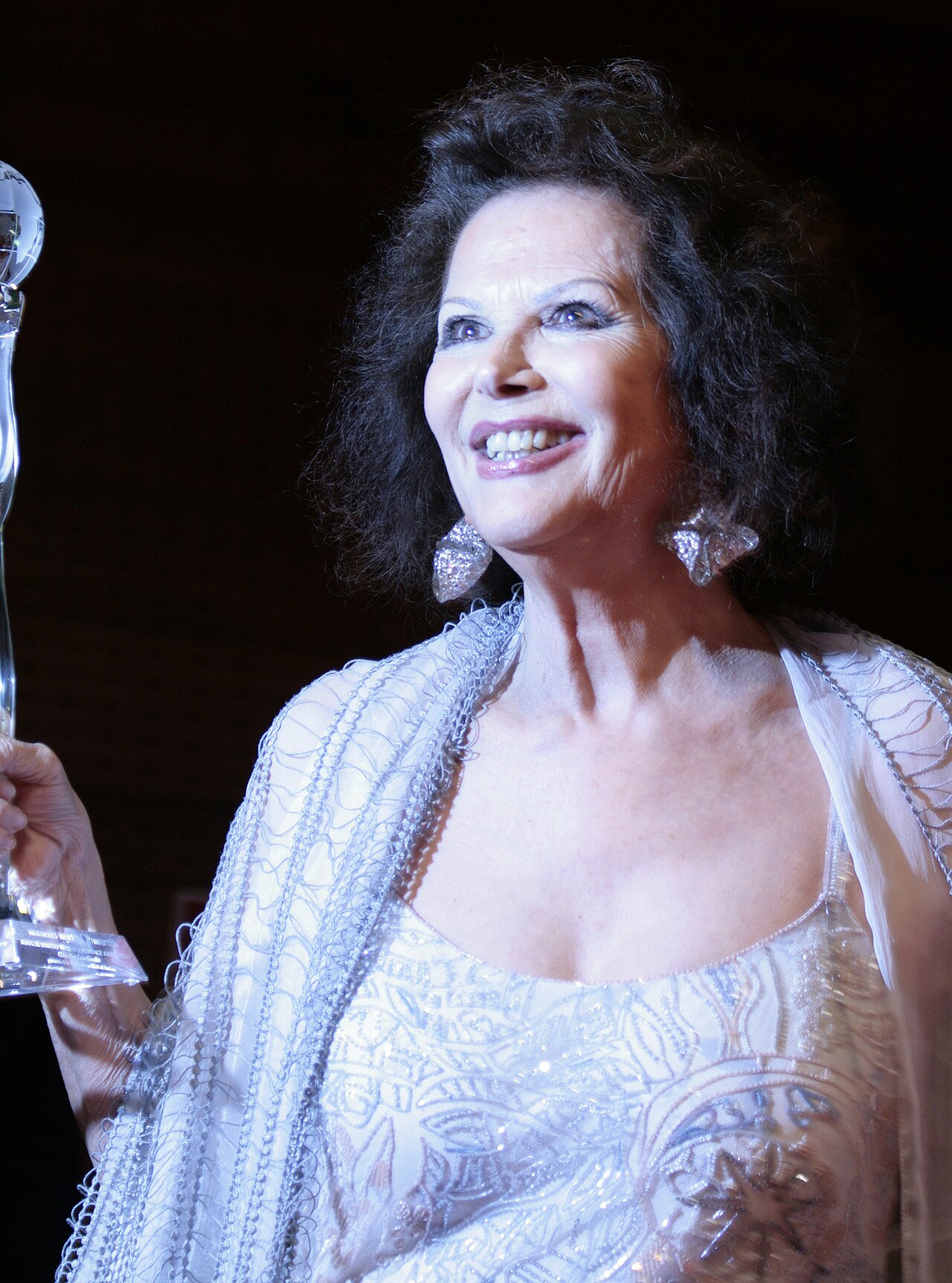
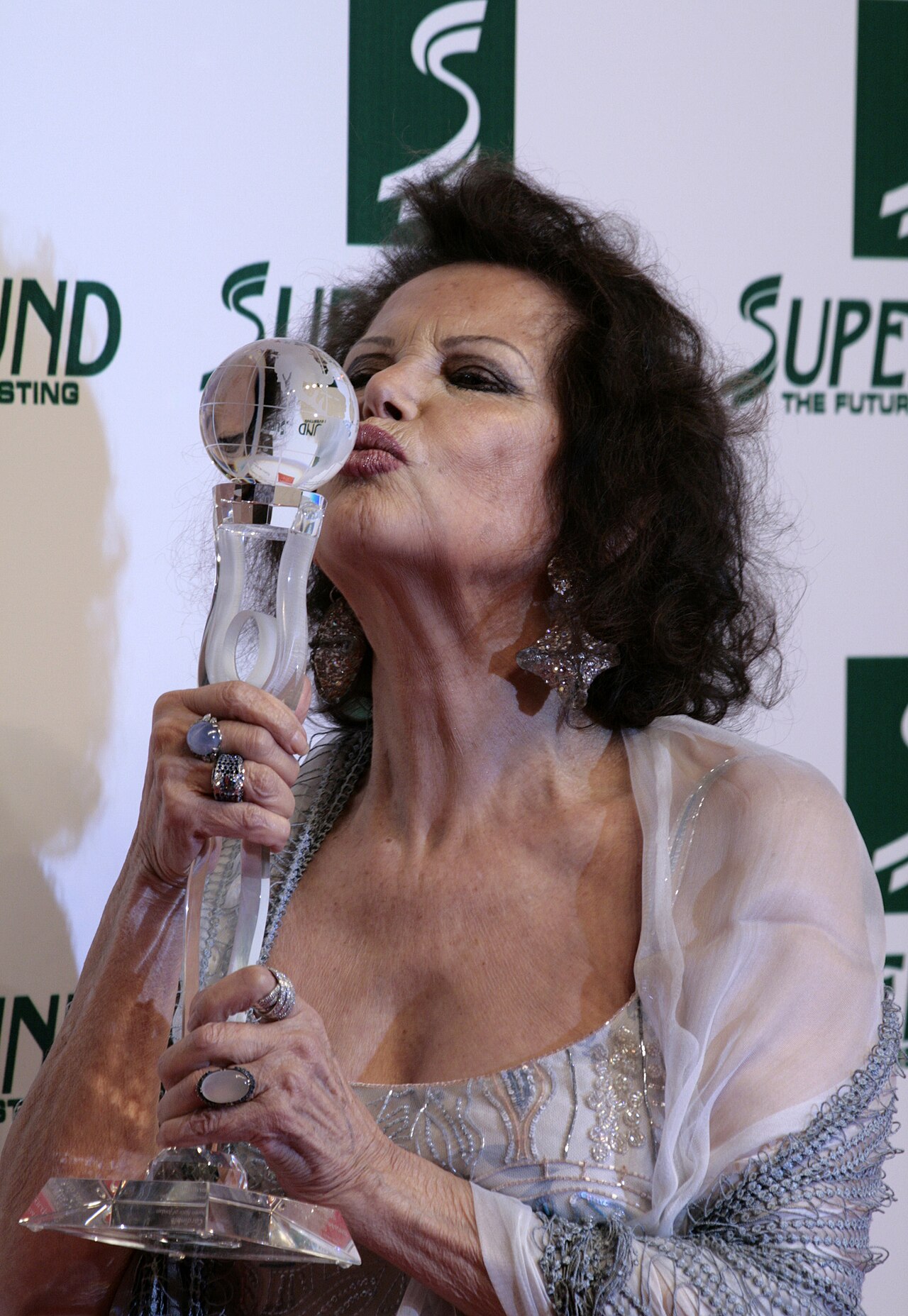
Today, as one of the last surviving stars from European cinema’s golden age, Claudia Cardinale carries within her the memories of an era when movies were magic and stars were genuinely mysterious. Her journey from that Tunisian beauty contest to UNESCO goodwill ambassador for women’s rights reveals a woman who understood something profound about the nature of true power.
When the Los Angeles Times Magazine named her among the 50 most beautiful women in film history in 2011, they weren’t just celebrating her physical beauty—they were honoring a woman who had navigated fame’s treacherous waters on her own terms. Her choice to prioritize artistic fulfillment over commercial success, love over stardom, and authenticity over manufactured perfection makes her story even more compelling decades later.
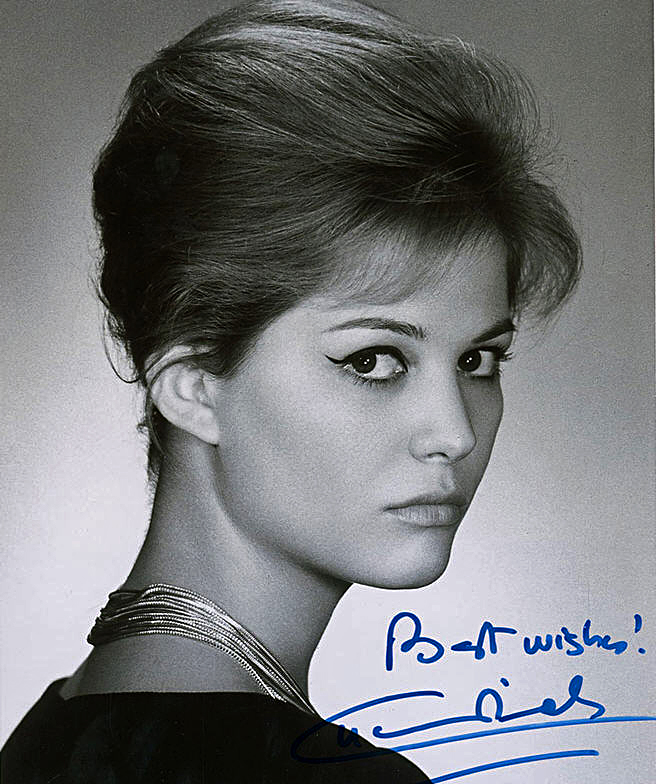
But perhaps the greatest mystery remains: in an industry notorious for consuming its stars, how did one woman manage to preserve not just her beauty, but her soul? The answer lies somewhere in those knowing eyes that first captivated audiences over sixty years ago—eyes that still hold secrets, still promise untold stories, still remind us that the most beautiful women are those who refuse to be anything other than exactly who they choose to be.
Photos via Wikimedia Commons (public domain / Creative Commons).