
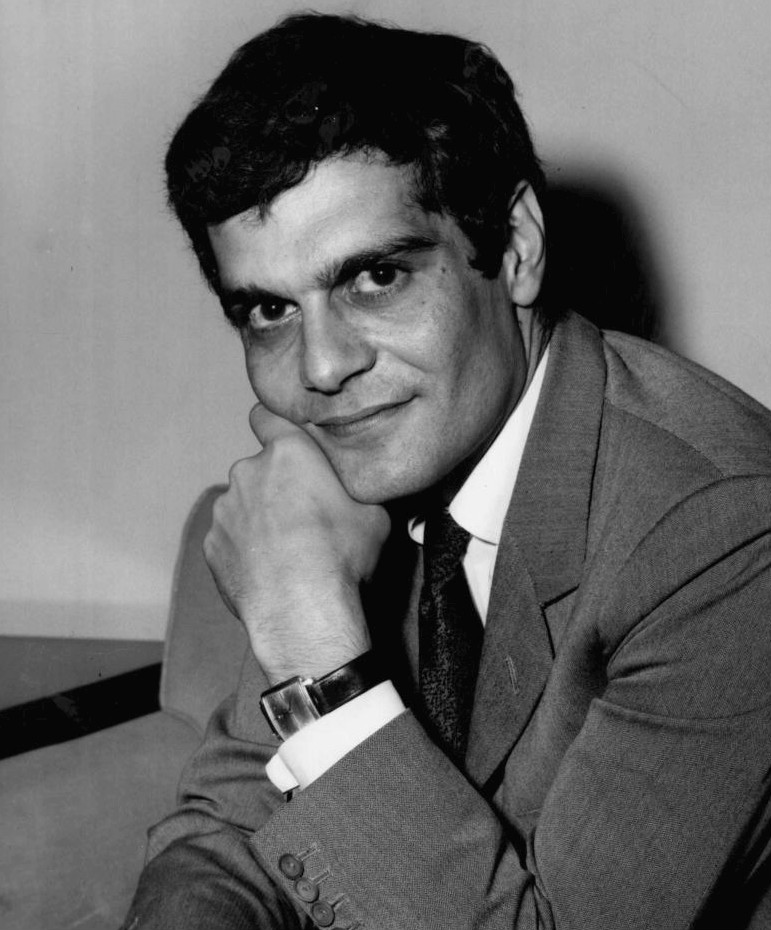
He emerged from the sands of Egypt like a vision from *Arabian Nights*, his dark eyes holding secrets that would captivate millions. Omar Sharif possessed something Hollywood had never seen before—an exotic magnetism that could make audiences forget to breathe. But behind those mesmerizing eyes lay a tragedy that would haunt his extraordinary 50-year career. What price did the man who became “the first Egyptian and Arab to conquer Hollywood” pay for his unprecedented success?
The answer would echo through decades of triumph and heartbreak, hidden beneath the glamour of over 100 films and three Golden Globe Awards.
From Cairo’s Golden Boy to Hollywood’s Most Enigmatic Leading Man
In the early 1950s, a young Egyptian actor began his ascent to stardom in the bustling film studios of Cairo. Omar Sharif wasn’t just another handsome face—he was Egypt’s answer to Hollywood royalty, destined to become his country’s greatest male film star. His rise seemed almost predestined, as if the ancient pharaohs themselves had blessed this son of the Nile with otherworldly charisma.
Then came 1962, and everything changed. Director David Lean was searching for someone to play Sherif Ali opposite Peter O’Toole in *Lawrence of Arabia*. When Sharif appeared on screen, riding across the desert like a mirage materializing into magnificent reality, cinema history was made. That Academy Award nomination for Best Supporting Actor wasn’t just recognition—it was Hollywood’s formal invitation for an Arab actor to join its most exclusive club.
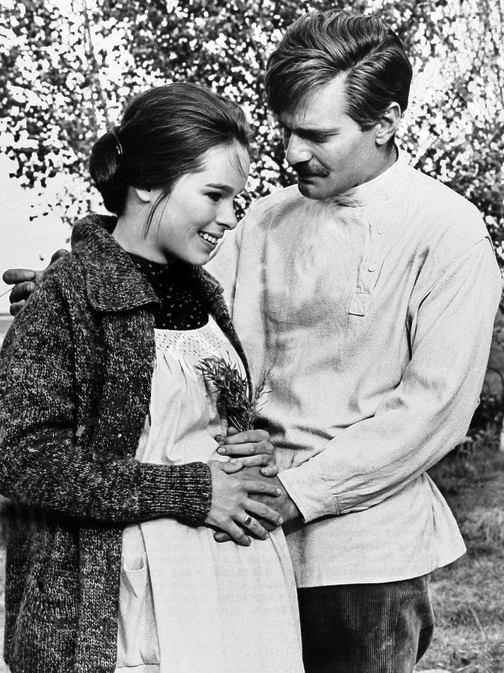
But this was only the beginning. Lean cast him again as the tortured physician in *Doctor Zhivago*, where Sharif’s smoldering intensity earned him the Golden Globe for Best Actor. Suddenly, this Egyptian prince was Hollywood’s most sought-after romantic leading man.
The Polyglot Prince with a Restless Soul
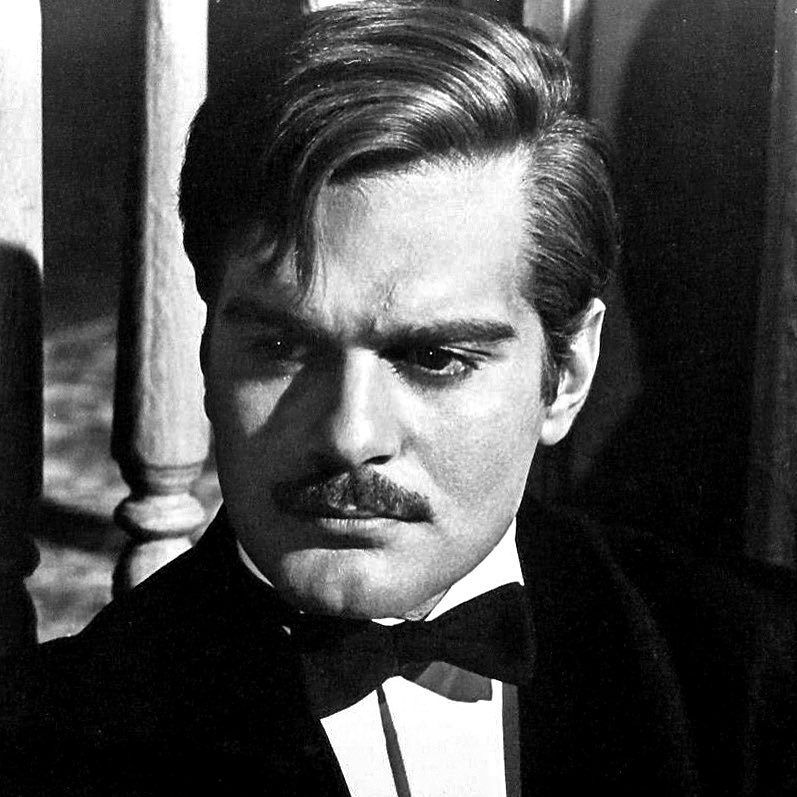
Omar Sharif was a man of impossible contradictions—a Renaissance figure born into the modern age. He spoke five languages fluently: Arabic, English, French, Italian, and Spanish, moving between cultures like a sophisticated nomad. His mind was as sharp as his features; he ranked among the world’s top contract bridge players, finding solace in the game’s intellectual precision when the chaos of fame became overwhelming.
The accolades followed him everywhere—the Egyptian Order of Merit, the French Legion of Honour, and the prestigious UNESCO Sergei Eisenstein Medal, awarded to only 25 individuals for their contributions to world cinema and cultural diversity. He was a lifelong horse racing enthusiast, drawn perhaps to the thundering freedom of thoroughbreds, a freedom that seemed to elude him in his own life.
Yet beneath this cultivated exterior, something was stirring—a restlessness that no amount of international recognition could quiet.
The Golden Cage: When Dreams Become Prisons
Here lies the cruel irony that would define Omar Sharif’s existence: the very success that made him a global icon became his most beautiful prison. As his fame soared in the 1960s, Egyptian president Gamal Abdel Nasser’s government imposed crushing travel restrictions that left the international star bridled and confined. Imagine the torment—a man whose career demanded global mobility, whose artistic soul craved the diversity of international film sets, suddenly trapped by the politics of his homeland.
This wasn’t merely inconvenience; it was artistic suffocation. While Hollywood beckoned with roles in *Funny Girl* and *The Tamarind Seed*, while European directors courted him for productions across the continent, Sharif found himself caught between his love for Egypt and his need for creative freedom. The man who had broken every barrier for Arab actors in Western cinema was now facing barriers erected by his own government.
The tragedy deepened as years passed. Each restriction, each denied passport, each missed opportunity carved away pieces of what might have been an even more magnificent career.
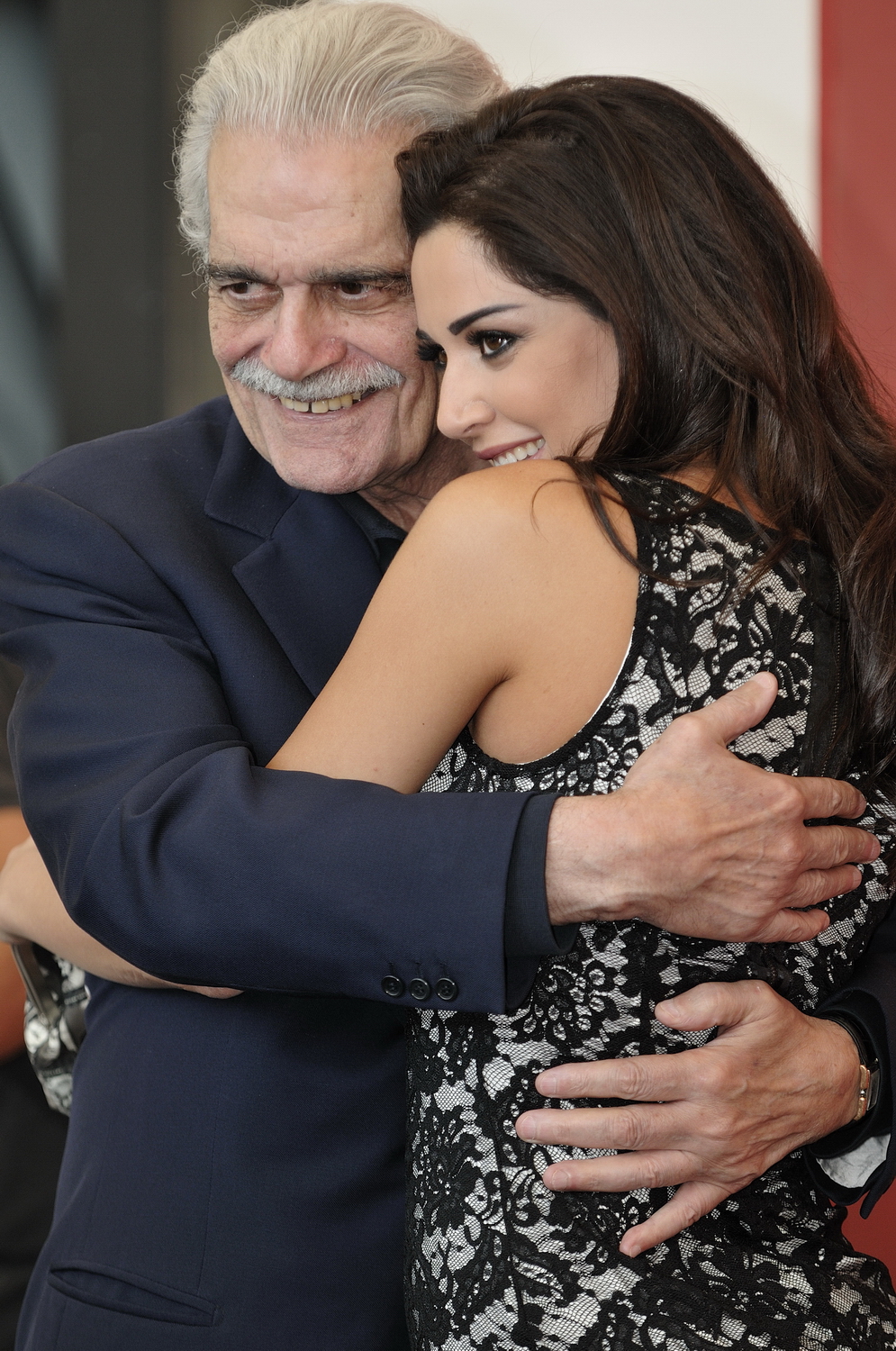
The Eternal Enigma Who Refused to Fade
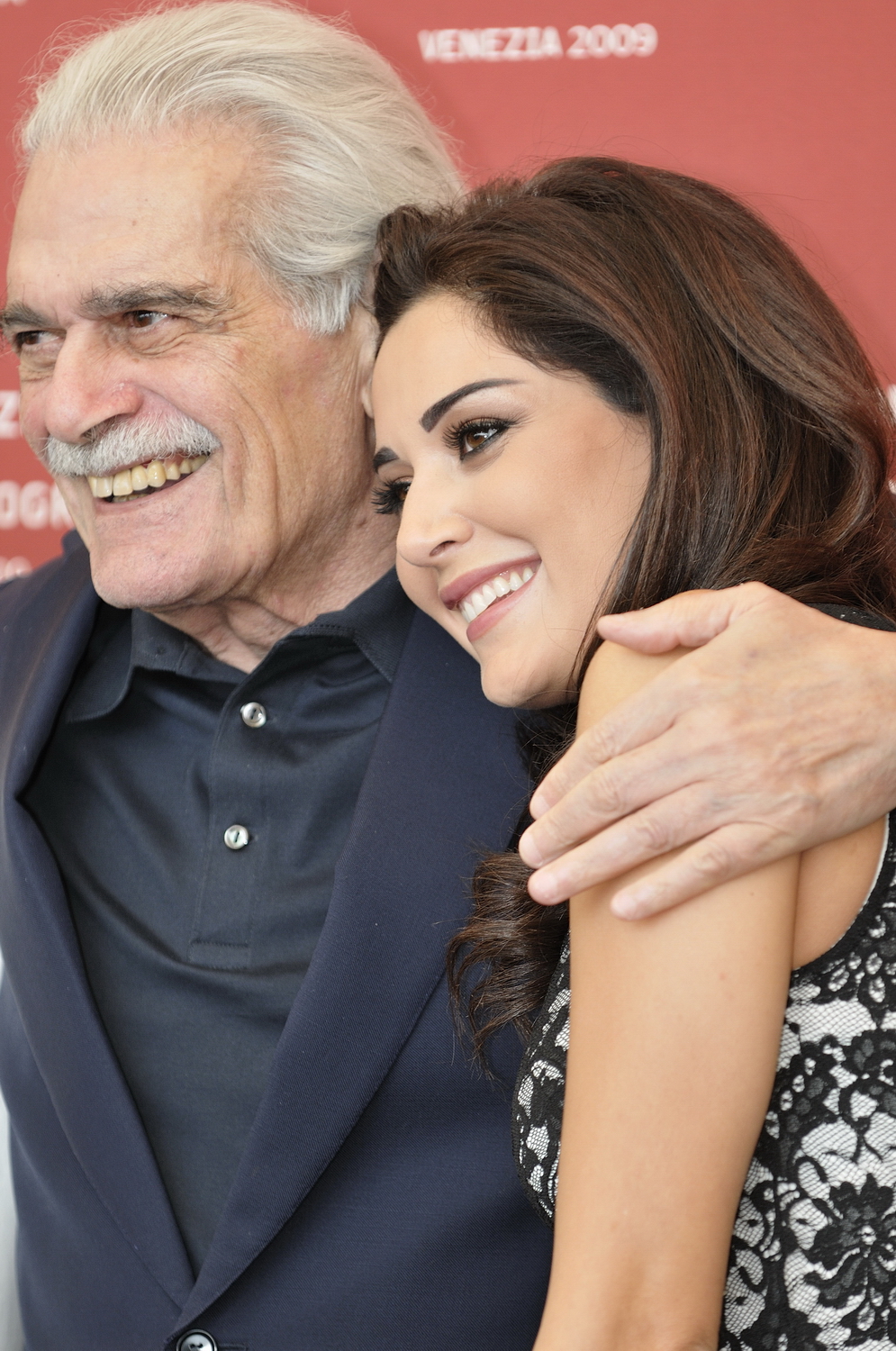
Even as age crept across that legendary face, Omar Sharif refused to surrender to obscurity. His well-received performance as a Muslim Turkish immigrant in the French film *Monsieur Ibrahim* proved that his magnetic presence had only deepened with time, like wine aging in ancient cellars. He continued working until 2015—the very year death finally claimed him—completing his final film appearance with the same dedication that had defined five decades of cinema.
But perhaps the greatest mystery remains unsolved: What heights might he have reached if politics hadn’t clipped his wings? What masterpieces were lost to history because of those travel restrictions that bridled Hollywood’s desert prince?
Omar Sharif took those secrets with him, leaving behind only the haunting beauty of what was—and the eternal question of what could have been. His legacy whispers across cinema screens still, a reminder that sometimes our greatest triumphs carry within them our deepest sorrows.
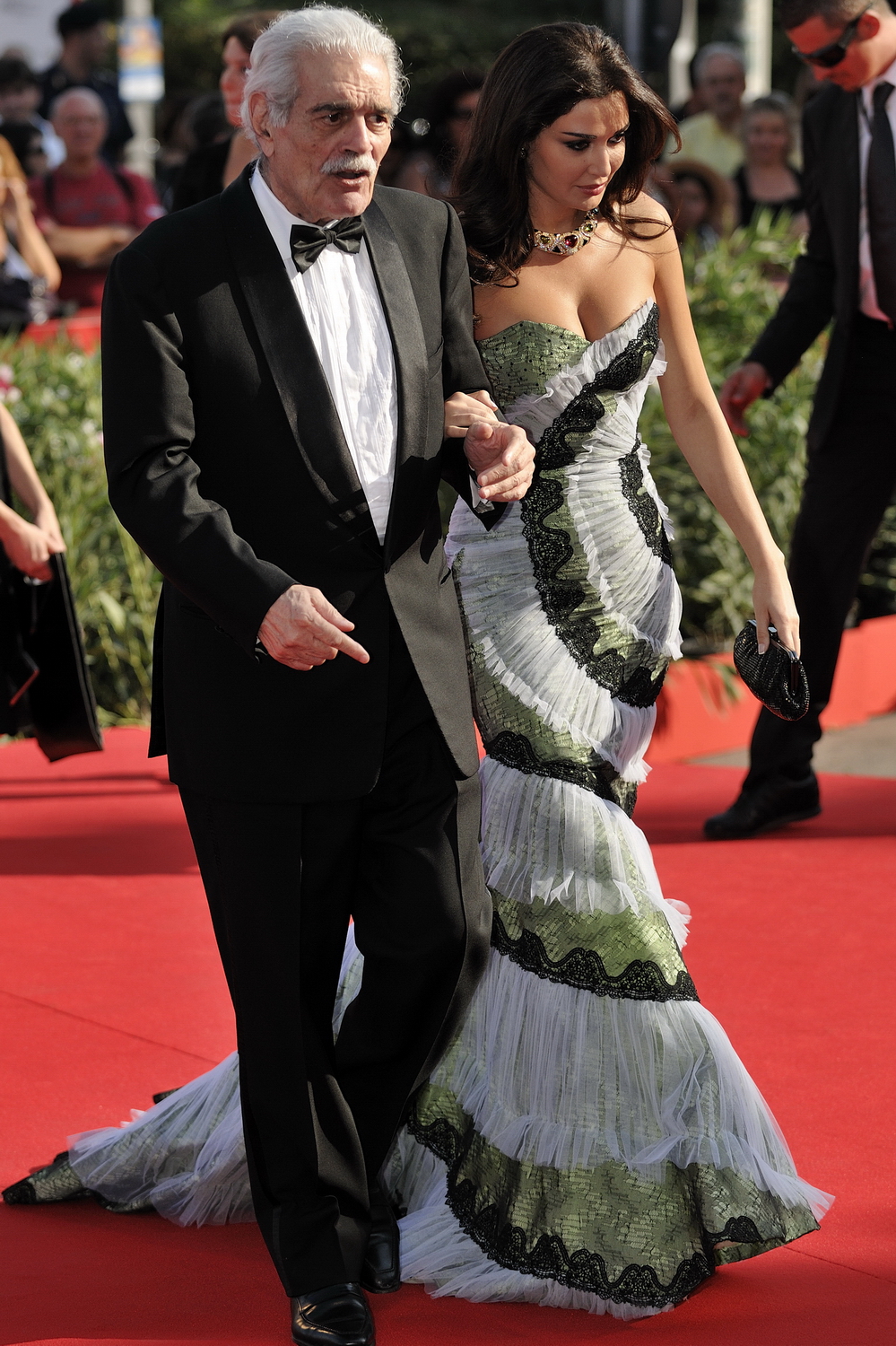
Photos via Wikimedia Commons (public domain / Creative Commons).