

There are faces that haunt cinema forever, and then there was Montgomery Clift. With eyes that seemed to hold the weight of the world and a vulnerability so raw it could break hearts through the silver screen, this extraordinary actor possessed something that couldn’t be taught, manufactured, or replicated. But beneath that magnetic presence lurked shadows that would ultimately consume one of Hollywood’s most gifted stars. What really happened to the man who changed acting forever? The truth is more devastating than any role he ever played.
The Revolution Begins: A Star Unlike Any Other
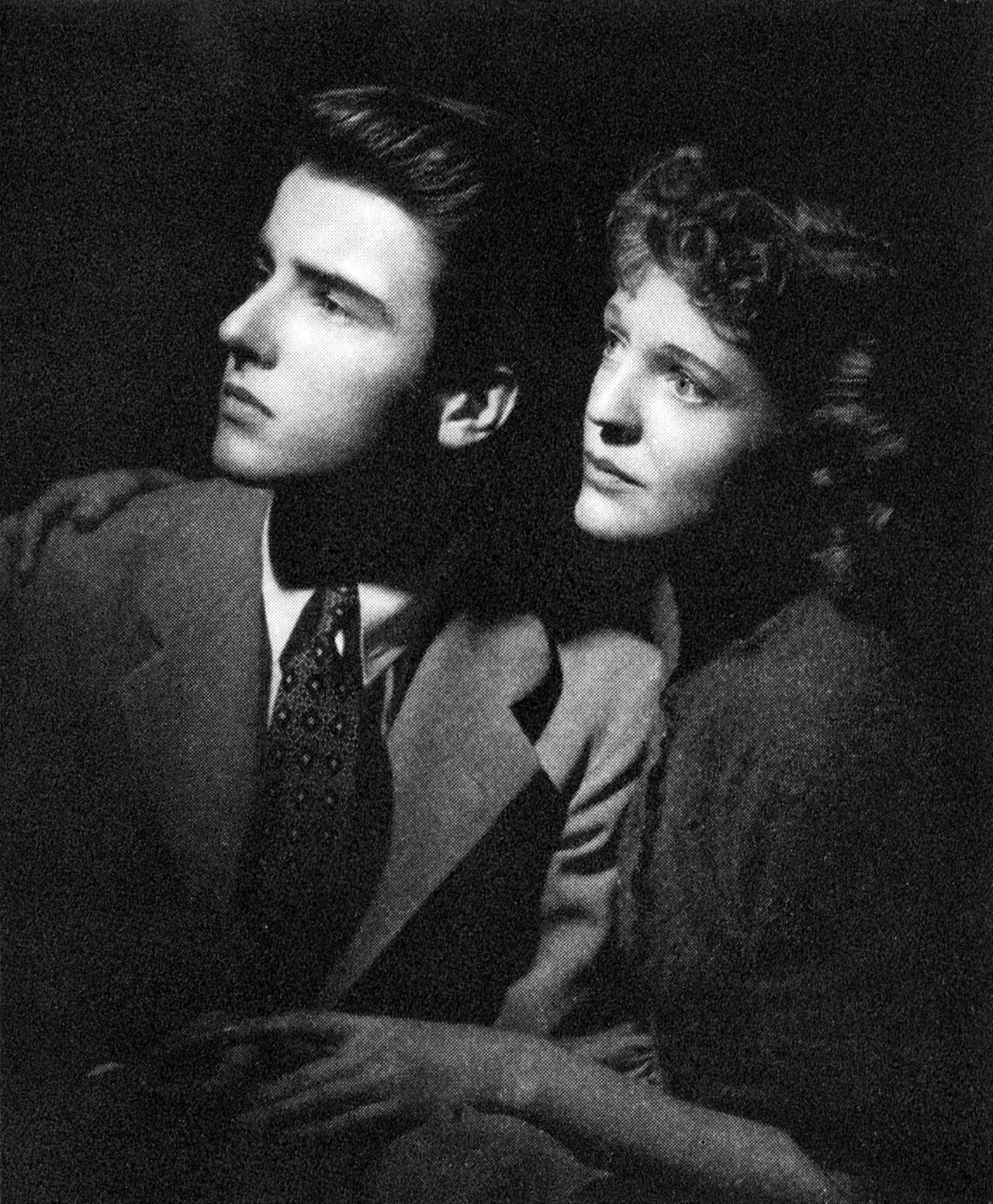
In the golden age of Hollywood, when leading men were expected to be granite-jawed titans of masculinity, Edward Montgomery Clift arrived like a whispered secret that changed everything. This wasn’t your typical movie star story of a small-town dreamer chasing neon lights. Clift brought something entirely different to the screen—a raw, electric authenticity that made audiences lean forward in their seats, desperate to understand the complex emotions flickering across his face.
When Howard Hawks cast him in “Red River,” Hollywood executives weren’t sure what to make of this unconventional leading man. Here was an actor who didn’t just recite lines; he seemed to bleed them. His portrayal of moody, sensitive young men—as The New York Times would later describe—wasn’t an act. It was a window into a soul that understood pain in ways that made his performances unforgettable.
The industry took notice. Four Academy Award nominations would follow, but more importantly, Clift had ignited a revolution in acting that would ripple through generations.
The Method Behind the Magic: Vulnerability as Power
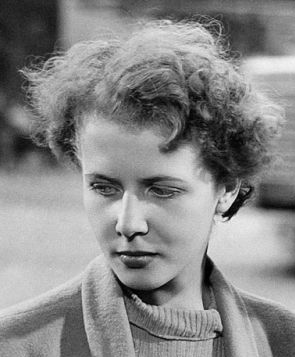
What made Montgomery Clift extraordinary wasn’t just his striking looks or natural charisma—it was his fearless commitment to emotional truth. Along with Marlon Brando and James Dean, he became one of the original method actors in Hollywood, one of the first to be invited into the sacred halls of the Actors Studio with Lee Strasberg and Elia Kazan. But while others studied the craft, Clift seemed to have been born with an innate understanding of human fragility.
His performances in George Stevens’s “A Place in the Sun,” Fred Zinnemann’s “From Here to Eternity,” Stanley Kramer’s “Judgment at Nuremberg,” and John Huston’s “The Misfits” weren’t just roles—they were emotional excavations. Each character he embodied carried a piece of his own complex inner world, creating performances that felt dangerously real.
Perhaps most remarkably, Clift possessed something that would reshape Hollywood forever: the power to say no. His decision to sign contracts only after his first two films proved successful created a power differential that would structure star-studio relationships for the next 40 years. He had shown that true artistry couldn’t be owned, only borrowed.
The Beautiful Tragedy: When Angels Fall
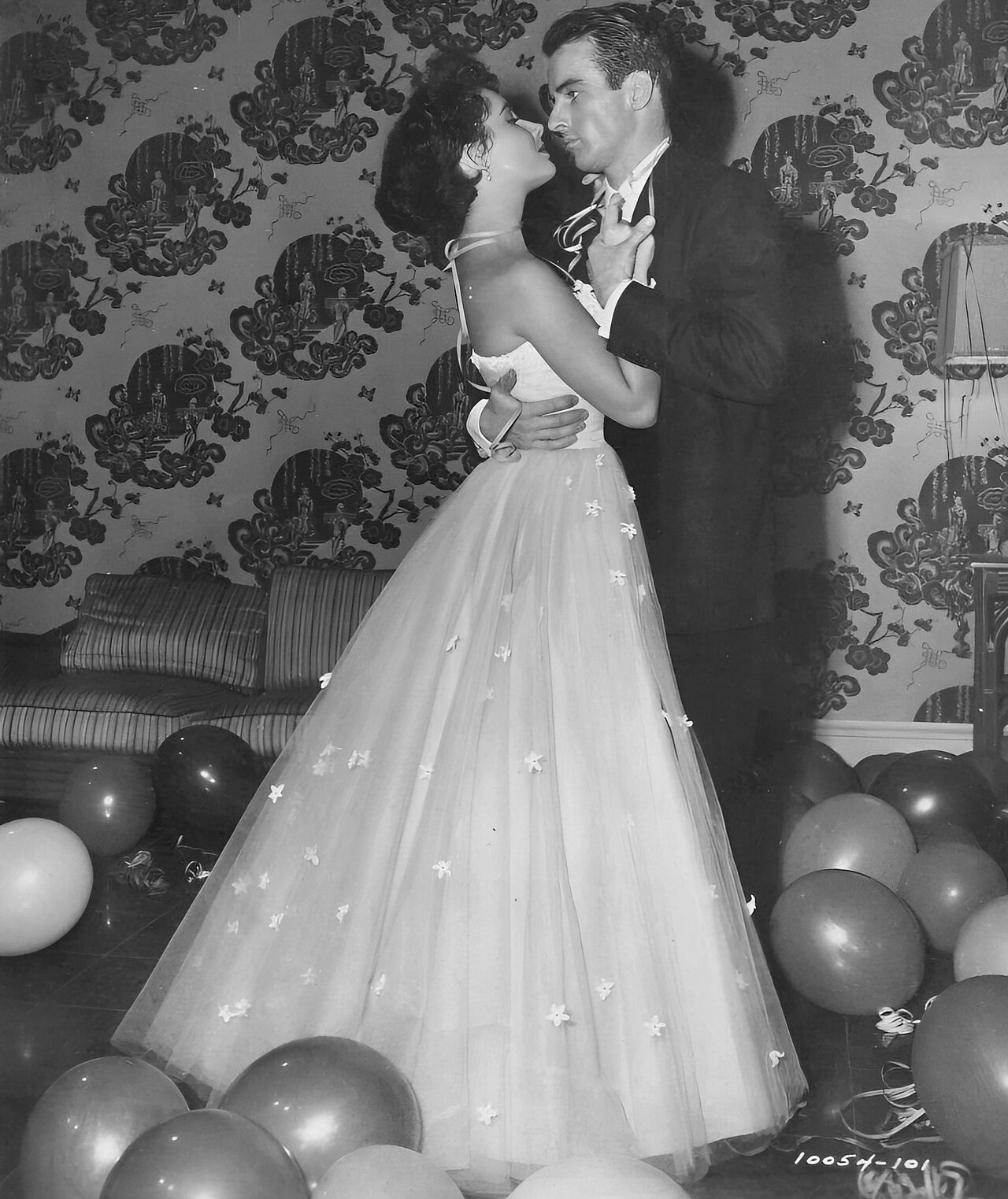
But here’s where the story takes a darker turn, where the very sensitivity that made Clift a revolutionary artist became his greatest burden. The same emotional openness that allowed him to create unforgettable characters also left him exposed to wounds that never seemed to heal. The method acting that brought such authenticity to his roles required him to access deep wells of pain, and somewhere in that process, the line between performance and reality began to blur.
The Hollywood machine that celebrated his talent was also slowly destroying the man behind it. The pressure, the expectations, the constant need to bare his soul on camera—it all took a toll that few could see but everyone would eventually feel. The “moody, sensitive young men” he portrayed weren’t just characters; they were reflections of a spirit being slowly crushed by the very system that had elevated him to stardom.
The tragedy of Montgomery Clift wasn’t a single moment of disaster—it was the gradual dimming of one of cinema’s brightest lights, the slow realization that the gift that made him extraordinary was also the curse that would ultimately define his legacy.
The Ghost in the Machine: An Echo That Never Fades
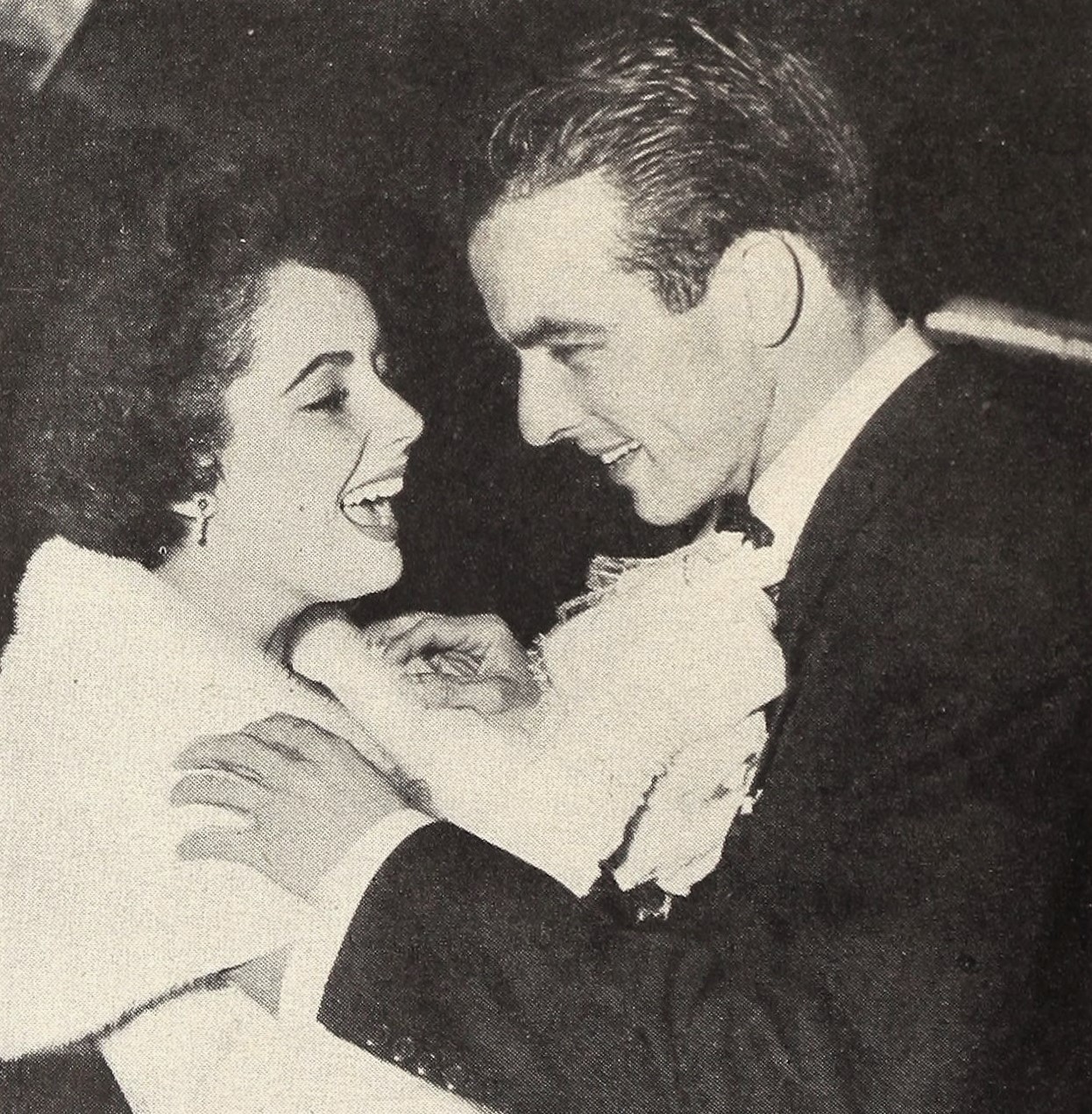
Today, when we watch Montgomery Clift’s performances, we’re not just seeing great acting—we’re witnessing the birth of modern cinema’s emotional language. He taught generations of actors that vulnerability could be strength, that sensitivity could be revolutionary, that the most powerful performances come from the deepest, most honest places within us.
But perhaps the greatest mystery remains: What might have been if Hollywood had known how to protect the very souls it celebrated? Clift’s influence on the star-studio relationship changed the industry forever, yet the man who fought for that power seemed to understand something the rest of the world was still learning—that some prices are too high to pay, even for immortality.
In the end, Montgomery Clift became exactly what he portrayed: a beautiful, tragic figure whose legacy reminds us that the most extraordinary artists often pay the steepest price for their gifts. His eyes still haunt us from those classic films, holding secrets we’ll never fully understand, asking questions we’re still afraid to answer.
Photos via Wikimedia Commons (public domain / Creative Commons).