
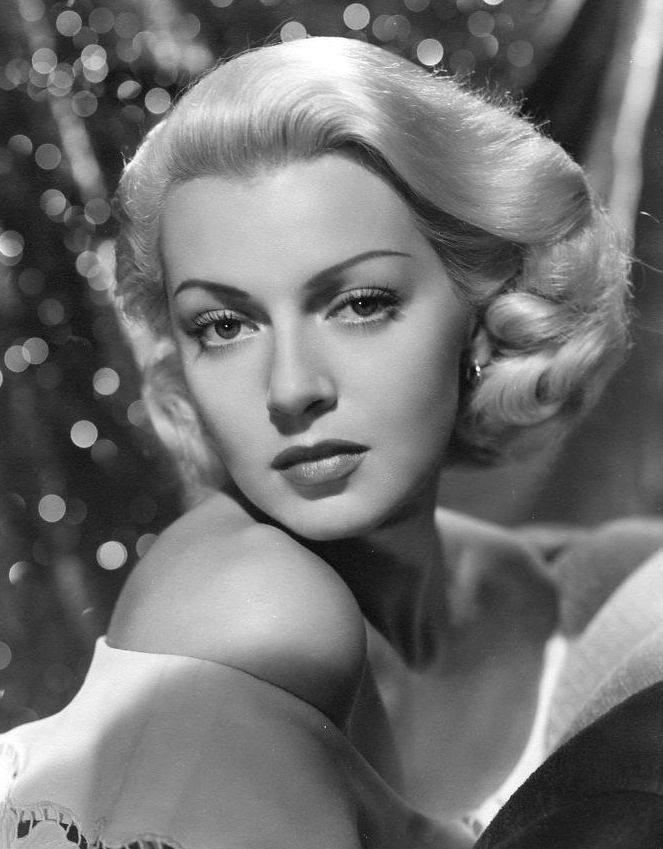
She was Hollywood’s ultimate dream girl, a platinum blonde goddess who commanded million-dollar contracts and made grown men weak at the knees. But behind the glamorous facade of Lana Turner lay a darkness that would eventually consume everything she held dear. What really happened on that fateful night in 1958 when screams pierced through her Beverly Hills mansion? The truth is more devastating than any role she ever played.
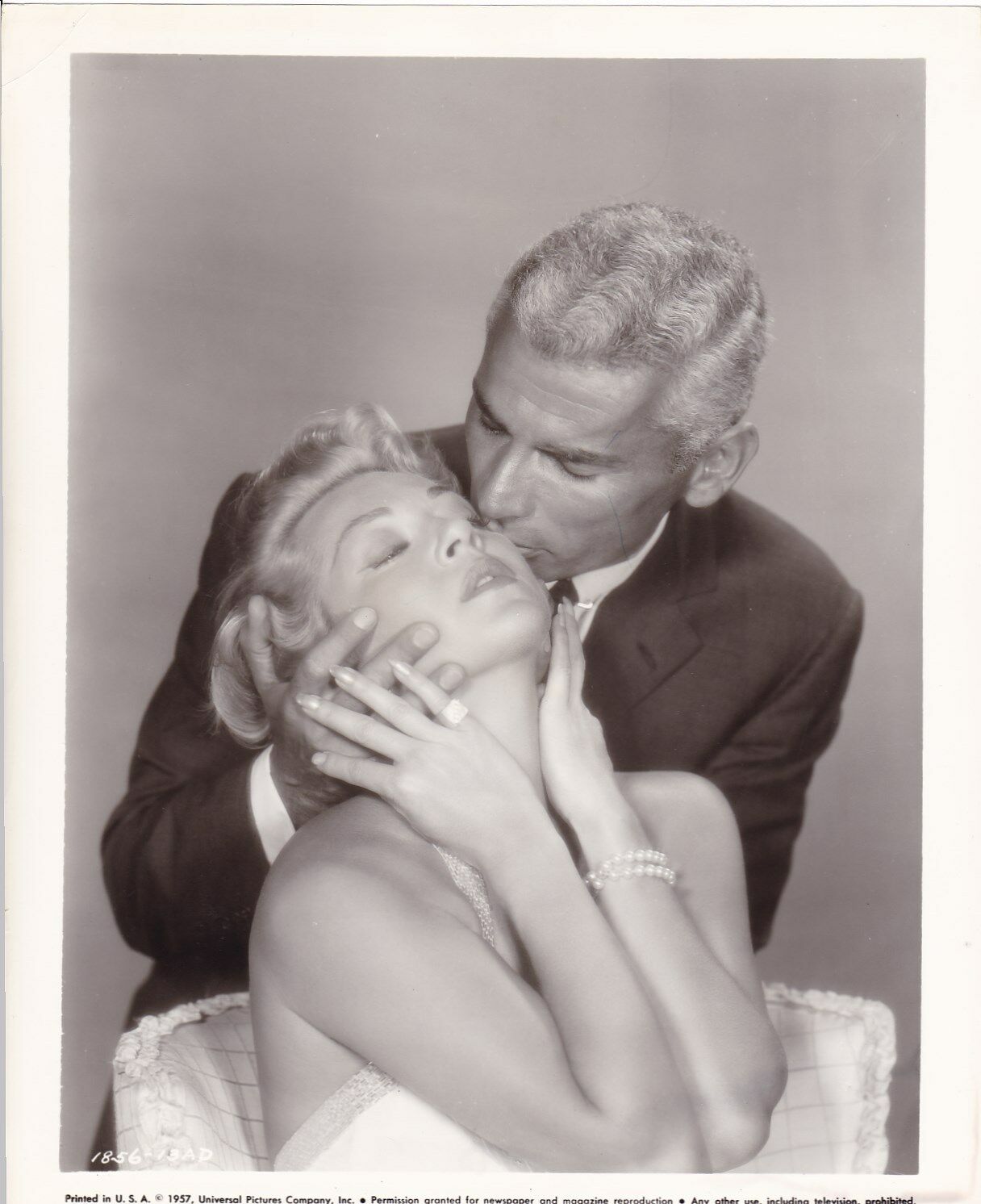
From Soda Fountain to Silver Screen Stardom
Picture this: a fifteen-year-old girl with sparkling eyes and golden hair, innocently sipping a malt at the Top Hat shop in Hollywood. Julia Jean Turner had no idea that destiny was about to tap her on the shoulder in the form of a talent scout who would change her life forever. One moment she was just another working-class kid from Idaho whose family had chased the California dream. The next, she was being whisked into the glittering machinery of Hollywood stardom.
At sixteen, she found herself under the wing of director Mervyn LeRoy, who saw something electric in this young beauty. When he moved from Warner Bros. to the mighty MGM studios, he took his discovery with him like a precious jewel. Her screen debut was hauntingly prophetic – playing a murder victim in “They Won’t Forget.” Death would shadow her career from the very beginning.
But Lana Turner was born to shine. By the early 1940s, she had transformed from that innocent teenager into one of MGM’s most bankable stars. Her name blazed across marquees as she captivated audiences in film noir masterpieces like “Johnny Eager” and the sultry, dangerous “The Postman Always Rings Twice.” She commanded the screen opposite legends like Clark Gable, her platinum beauty and smoldering presence making her one of the highest-paid actresses in America.
The Femme Fatale Who Lived Her Roles
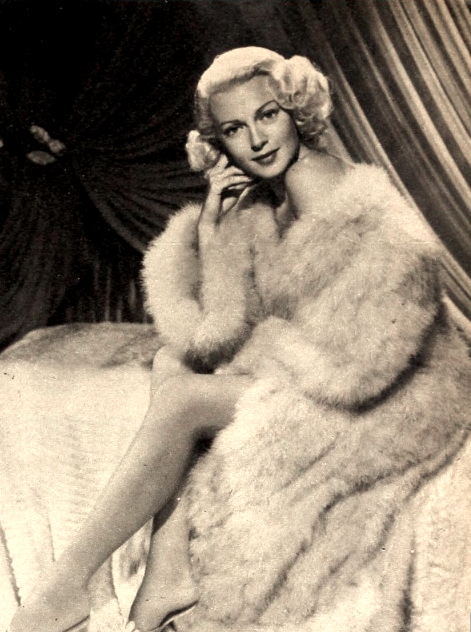
Lana Turner wasn’t just an actress – she was a living, breathing embodiment of Hollywood glamour. Her very existence seemed crafted by the dream factory itself. Those perfectly coiffed blonde curls, those piercing blue eyes that could seduce or destroy with a single glance, that hourglass figure that made her the pin-up queen of World War II – she was everything America wanted its movie stars to be.
But Turner possessed something deeper than mere beauty. In “The Postman Always Rings Twice,” she wielded danger like a weapon, proving she could act with the best of them. Critics who had dismissed her as just another pretty face suddenly sat up and took notice. This was no empty-headed starlet – this was a serious dramatic actress wrapped in the package of a goddess.
Her persona off-screen was just as magnetic. Turner lived like the star she was, with multiple marriages, passionate affairs, and a lifestyle that tabloids devoured. She was both untouchable and utterly human, a contradiction that made her even more fascinating to a public hungry for glamour in an uncertain world.
Through the 1950s, her star continued to burn bright. Films like “The Bad and the Beautiful” and “Peyton Place” showcased her range, the latter earning her an Academy Award nomination. She had achieved what every actor dreams of – critical respect to match her commercial success.
The Night That Shattered Everything
But fame’s spotlight can illuminate the darkest corners of a life, and Lana Turner’s personal world was about to explode in the most horrific way imaginable. On a night in 1958 that would haunt her forever, the woman who had played so many victims on screen would become one in real life.
The man was Johnny Stompanato – her lover, whose presence in her life would prove to be her greatest mistake. What exactly transpired behind the closed doors of her Beverly Hills home remains shrouded in shadows and whispered secrets. All we know for certain is that when the nightmare was over, Stompanato lay dead, stabbed during what was described as a domestic struggle.
The most devastating detail? The blade had been wielded by Turner’s own teenage daughter, Cheryl Crane. In one horrific moment, the glamorous movie star’s carefully constructed world came crashing down around her. The woman who had seduced audiences as the ultimate femme fatale found herself at the center of a real-life tragedy that no scriptwriter could have imagined.
The media circus that followed was unlike anything Hollywood had ever seen. Turner’s private anguish became public spectacle as every detail was dissected, analyzed, and sensationalized. The golden goddess was forced to navigate the most painful chapter of her life under the harsh glare of publicity that would make her fictional roles seem like child’s play.
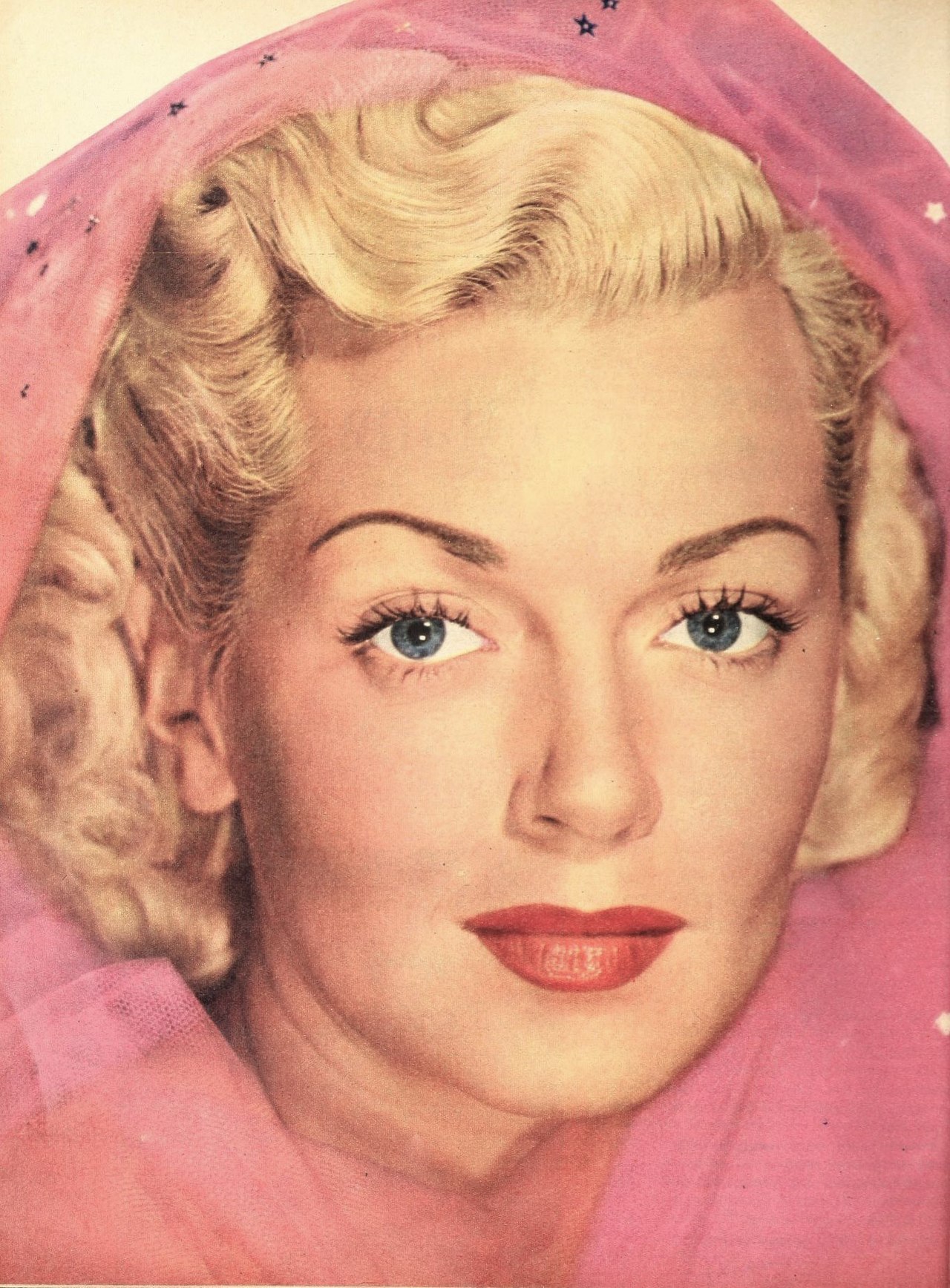
The Legend Who Never Stopped Fighting the Darkness
Remarkably, from the ashes of this personal catastrophe, Lana Turner found a way to rise again. Her very next film, “Imitation of Life,” became one of the greatest commercial successes of her career – perhaps audiences sensed the real pain behind her performance. She continued working through the 1960s and made a triumphant return to television in the 1980s with “Falcon Crest,” proving that true stars never really fade.
But the shadows that had claimed that terrible night in 1958 would never fully release their grip. When throat cancer was diagnosed in 1992, it felt like the final act of a life that had known too much tragedy. She died three years later at 74, taking with her the secrets of what really happened during those dark moments that changed everything.
Today, Lana Turner remains frozen in time as Hollywood’s ultimate golden age goddess – beautiful, tragic, and eternally mysterious. Her legacy sparkles like the diamonds she wore, but beneath the glamour lies a story of survival against impossible odds. She was more than just a movie star; she was a woman who lived through unimaginable heartbreak and somehow found the strength to keep the cameras rolling.
The malt shop discovery, the million-dollar contracts, the Academy Award nomination – they all pale beside the real drama of a life lived in the shadows between fame and tragedy. And perhaps that’s exactly how Lana Turner would have wanted it – beautiful, mysterious, and forever just beyond our complete understanding.

Photos via Wikimedia Commons (public domain / Creative Commons).