
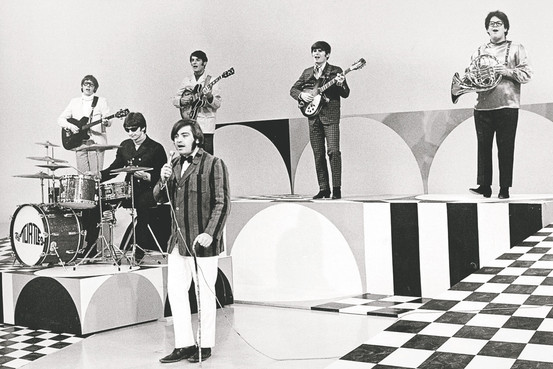
The year was 1969, a period when the American cultural landscape was shifting beneath our feet. While the spirit of Woodstock promised peace and love, the darker, grittier reality of rock and roll fame was beginning to spill out of the shadows. Among the voices of that transition were The Turtles, the melodic hitmakers behind the perennial classic Happy Together. They were the poster boys of sunshine pop, yet beneath that clean-cut image lay the same restless, rebellious energy that defined the era. When they were invited to perform at the White House, it felt like the ultimate seal of approval from the establishment. But what happened behind closed doors would become one of the most brazen acts of rock-star defiance in history.
As the band prepared to entertain the elite, the atmosphere backstage was thick with the suffocating pressure of celebrity. Howard Kaylan, the charismatic frontman of The Turtles, found himself in a quiet, forbidden corner of the executive mansion. With the audacity that only the psychedelic age could foster, Kaylan allegedly decided that the hallowed Lincoln desk—the very place where history was signed into law—would serve as his makeshift table. In a moment of sheer recklessness, he pulled out a stash of cocaine and indulged right off the historic surface. It was a brazen, almost cinematic act of middle-fingers-to-the-system that would have sent shockwaves through the nation had it surfaced during the evening news broadcasts of the day.
For those of us who grew up in the era of the Walkman and the crackle of a spinning vinyl, stories like this carry a specific weight. It wasn’t just about the illicit substance or the disrespect for the office; it was about the collision of two worlds. The Turtles represented the lighthearted, radio-friendly facade of the sixties, but the incident proved that even the most ‘happy’ bands were entangled in the same messy, hedonistic vortex that eventually consumed so many legends of the time. This was the dark side of fame, tucked away behind velvet curtains while the rest of the world danced to the beat of the hits.
Looking back, this anecdote serves as a bizarre time capsule. It captures the frantic, unpredictable pulse of 1969, a year defined by its extreme highs and lows. The Turtles were not alone in their descent into the pressures of the industry, but they remain a fascinating case study of how the counterculture infiltrated the most sacred of American spaces. It is a reminder that behind every upbeat chorus and perfect radio edit, there was a real human being struggling to navigate a world that was changing far too quickly for anyone to keep up.
Decades later, the legend of Howard Kaylan and the White House desk remains a cornerstone of rock mythology. It serves as a gritty, unvarnished reminder of the chaos that followed the sunshine. Whether you view it as a pathetic lapse in judgment or the ultimate rebellious statement, the truth is clear: the history of rock and roll was never as clean as the airwaves led us to believe. As we listen to their music today, that ghost of a scandal still lingers, forever tethering The Turtles to the most dangerous, exhilarating era of American music.