
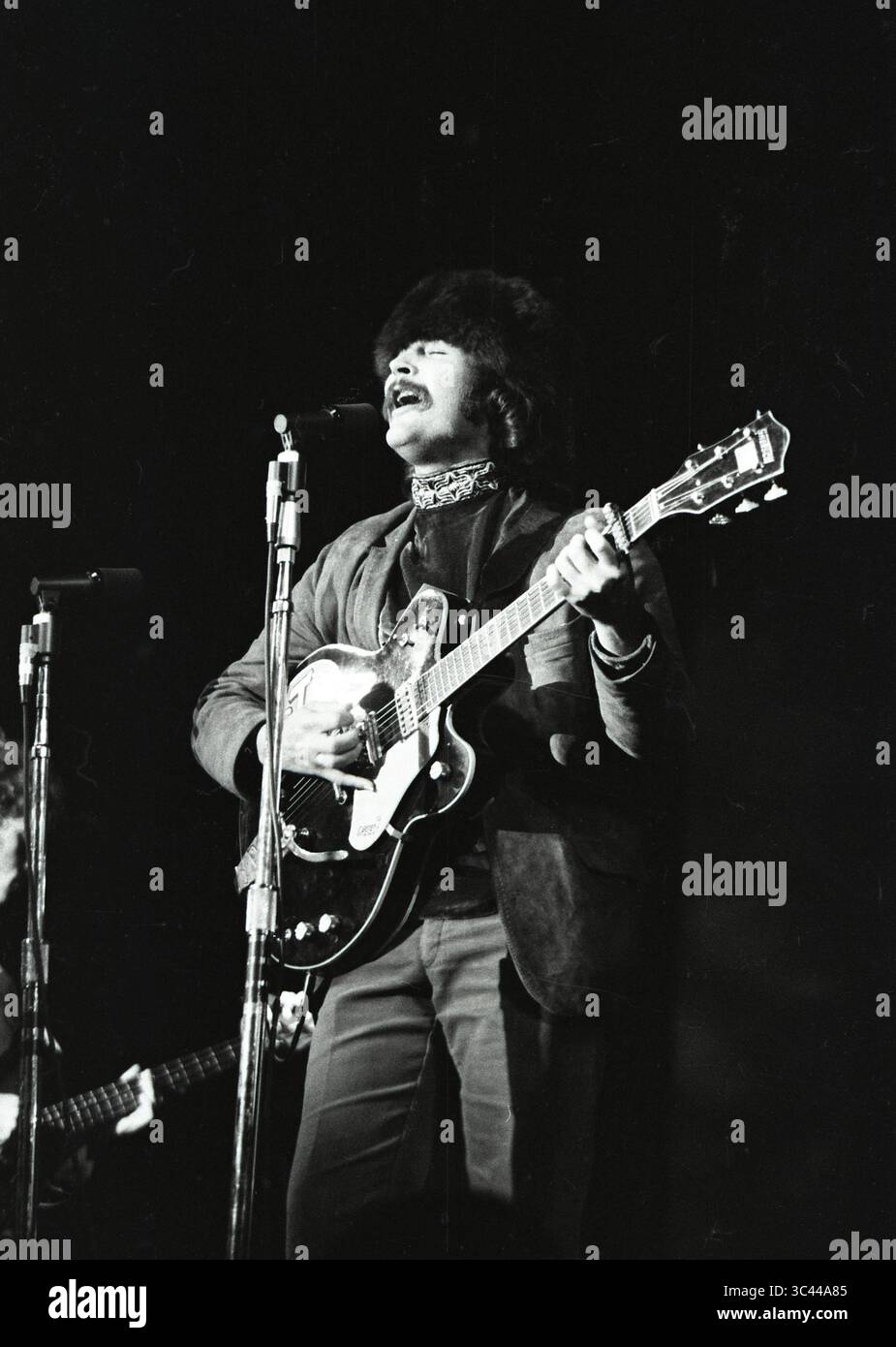
It was 1966, and the airwaves were humming with a sound that felt like sunshine trapped in a bottle. To the millions of listeners tuned into their radios, The Mamas and the Papas were the ultimate symbol of the burgeoning California dream. With their lush, intricate vocal harmonies and bright, breezy aesthetic, they seemed like the perfect collective of free spirits. But behind the shimmering studio production and the radio-friendly hooks of their breakthrough hits, a volatile storm of jealousy, betrayal, and broken hearts was brewing, one that would eventually tear the band apart from the inside out.
When John Phillips, Michelle Phillips, Denny Doherty, and Cass Elliot arrived on the scene, they brought a complex sonic palette that defined the mid-sixties transition from folk to pop. Their 1966 breakout success wasn’t just a chart-topping moment; it was a cultural shift that made the sunshine pop of the era an anthem for a generation on the cusp of radical change. Yet, as the group ascended to the top of the Billboard charts, the public had no idea that the group’s personal dynamics were in a state of constant, dramatic flux. The harmonies that sounded so effortless in the studio were often the result of immense, hidden emotional labor.
The friction within the band was legendary, fueled by a messy web of romantic entanglements. John and Michelle Phillips were married, but their relationship was fraying, further complicated by a secret affair between Michelle and Denny Doherty. Cass Elliot, a powerhouse of raw talent and vulnerability, harbored her own unrequited feelings for Denny. This wasn’t just a group of musicians living together; it was a pressure cooker of ambition, insecurity, and desire. The irony remains that their greatest music was birthed precisely from this chaotic, unsustainable tension that existed beneath the polished, pristine surface.
Looking back, it is impossible to divorce their 1966 success from the turbulent lifestyle of the era. The Mamas and the Papas lived at the center of a social earthquake. They were icons of the Laurel Canyon scene, a hub of creativity that mirrored the same intensity as the crowds at Woodstock or the glitter-soaked nights at the later Studio 54. They carried the weight of the decade’s promise on their shoulders, even as they struggled to maintain their own sanity amidst a whirlwind of substance abuse and the brutal demands of instant superstardom.
Today, their music remains a timeless testament to a vanished era. When you hear those signature, soaring vocals today, it is easy to forget the human cost behind them. The genius of The Mamas and the Papas lies in their ability to disguise heartbreak as a beautiful, universal joy. While the music sounds as fresh as it did in 1966, the story behind it serves as a haunting reminder that even the most perfect harmonies can hide a fractured reality. Perhaps that is why the songs still resonate so deeply with us; they carry the echo of real, messy, and undeniable human experience.