
In 1929, one man stood alone at the very top of a brand-new industry ritual. Emil Jannings became the first person in history to win the Academy Award for Best Actor, a golden statuette for a golden age. Hollywood had crowned its king.
But within a decade, that same man would be starring in propaganda films for one of the most brutal regimes the world has ever seen. How does a trophy that opens every door in Hollywood end up buried in disgrace?
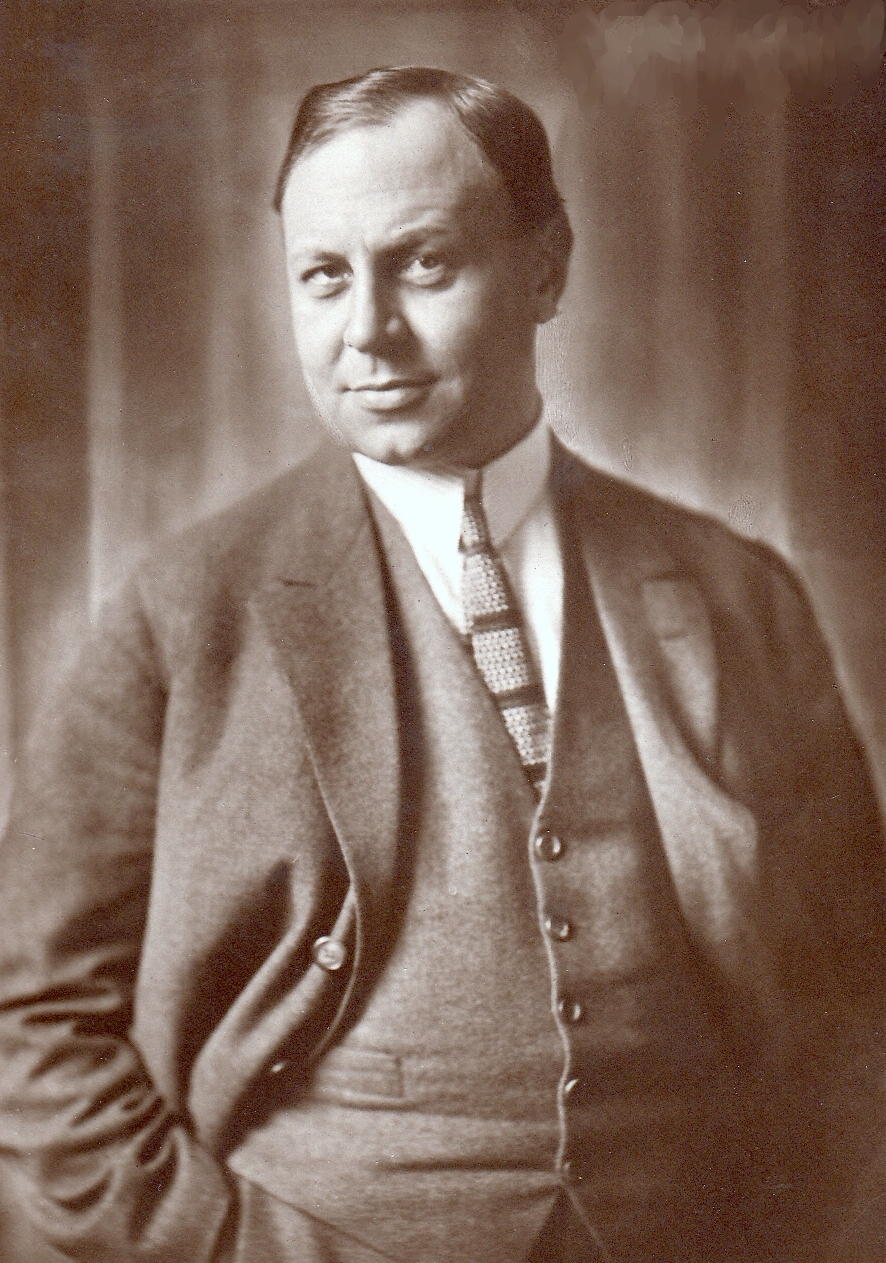
The Silent Giant Who Conquered Two Continents
Born in Switzerland and raised in Germany, Jannings became a towering presence in Weimar cinema, delivering devastating performances in ‘The Last Laugh’ and ‘Faust.’ Paramount lured him to Hollywood, where his brooding intensity in ‘The Way of All Flesh’ and ‘The Last Command’ earned him that first-ever Oscar. He was, for a moment, the most respected actor alive.
A Voice That Betrayed Him
Jannings was famously proud, demanding, and consumed by his own legend — but his thick German accent made him a casualty of the talkie revolution almost overnight. Rejected by the industry that had just celebrated him, he packed up and sailed back to Berlin, wounded and desperate to matter again. That wound never healed, and it made him dangerously easy to flatter.
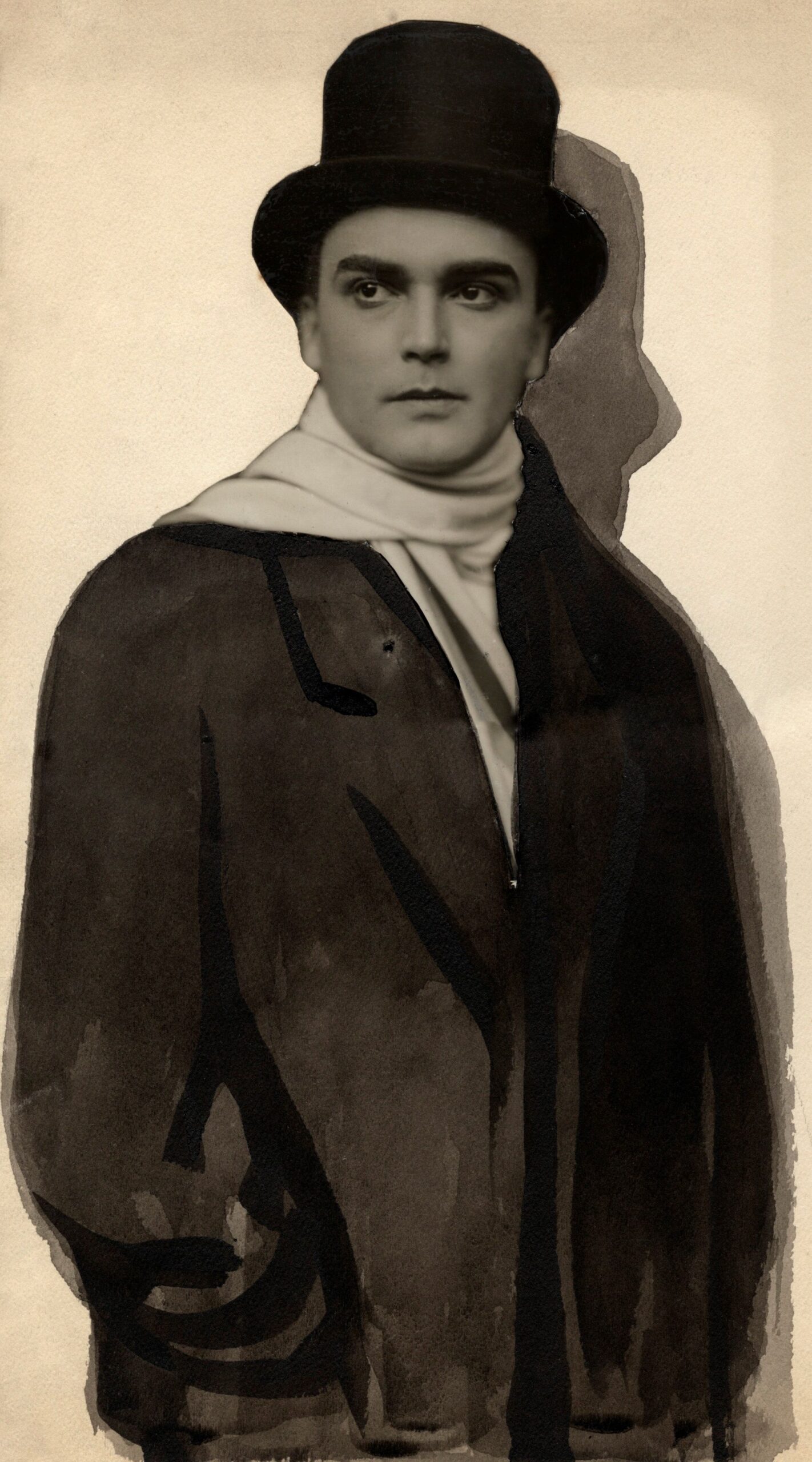
The Führer’s Favorite Actor
Back in Germany, Jannings found the adulation he craved — from the Nazi regime. He starred in state-sponsored propaganda films, was named an ‘Artist of the State’ by Goebbels, and reportedly received personal praise and gifts from Hitler himself. His talent became a weapon for a government committing atrocities, and he never publicly renounced the association, even as the world learned the truth.
Exile, Silence, and a Tarnished Trophy
When the war ended, Jannings reportedly waved his Oscar at American soldiers, hoping the golden statue could buy him mercy. It didn’t. Blacklisted and reviled, he lived out his final years in obscurity in Austria, dying in 1950 — the first Best Actor winner in history, and one Hollywood would rather forget entirely.
Photos via Wikimedia Commons (public domain).