
Long before she was Holly Golightly, Audrey Hepburn dreamed of a different stage entirely — one with barres, tulle, and the exacting discipline of classical ballet. She trained obsessively, believing dance was her destiny.
Then, in a cramped London studio, a legendary teacher delivered a verdict that would haunt her for the rest of her life. What did she say — and why did Audrey never speak of it the same way again?
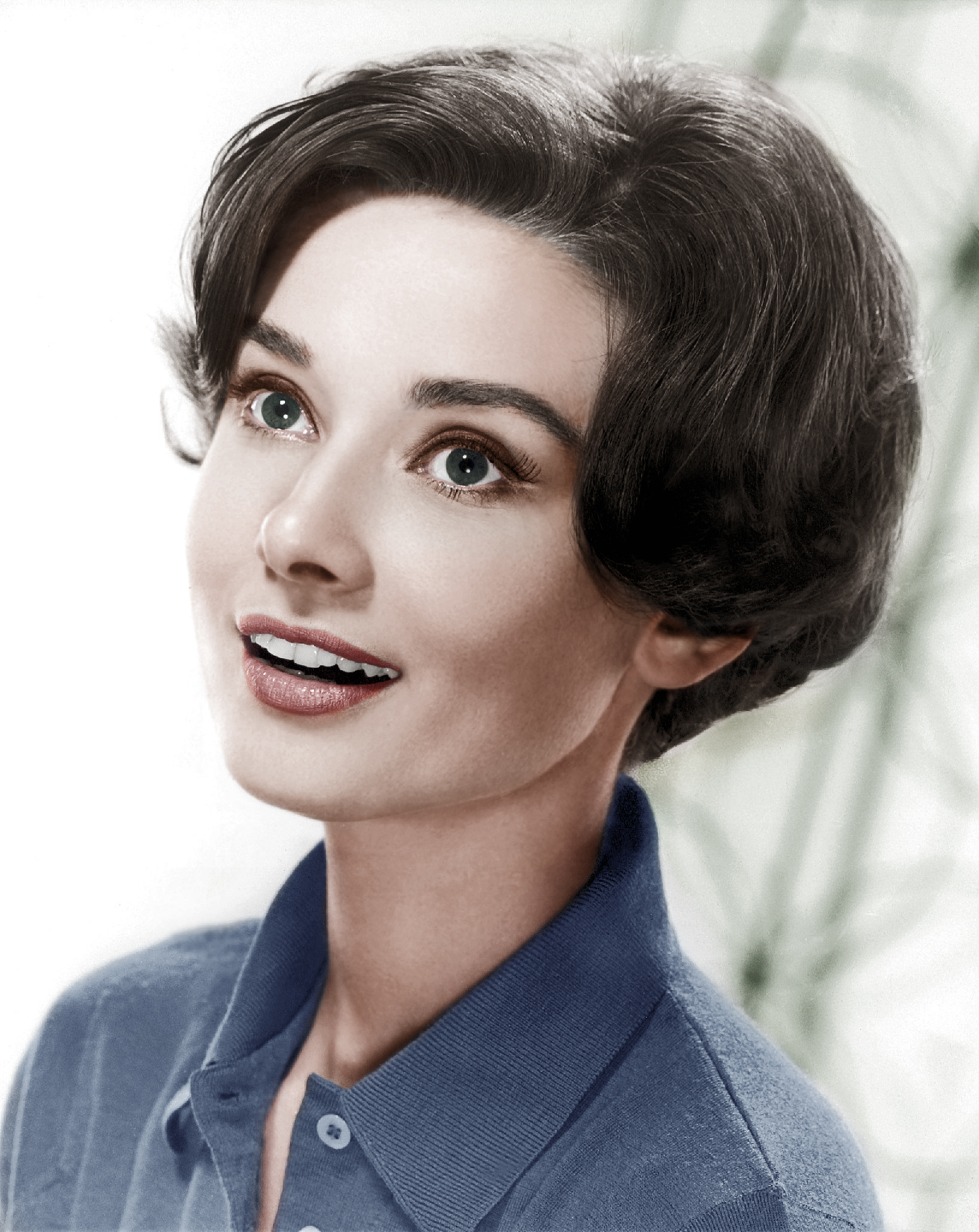
A Body Built for Dance, A War That Took It Away
As a girl in occupied Holland, Audrey studied ballet in secret, using dance as an escape from fear and hunger. But the severe malnutrition of the war years left permanent damage — weakened lungs, thin bones, a body that could never fully recover its strength. When she finally reached London after the war to chase professional ballet, she trained harder than almost anyone in her class, desperate to prove the years of suffering hadn’t cost her everything.
The Woman Who Told Her the Truth
Renowned ballet teacher Marie Rambert watched Audrey dance for months before pulling her aside. Kindly but bluntly, Rambert told her she lacked the physique and technical foundation — a result of wartime deprivation — to ever become a prima ballerina. Audrey was devastated. She had built her entire identity around discipline and grace on stage, and now the one dream that had carried her through the war was gone in a single conversation.
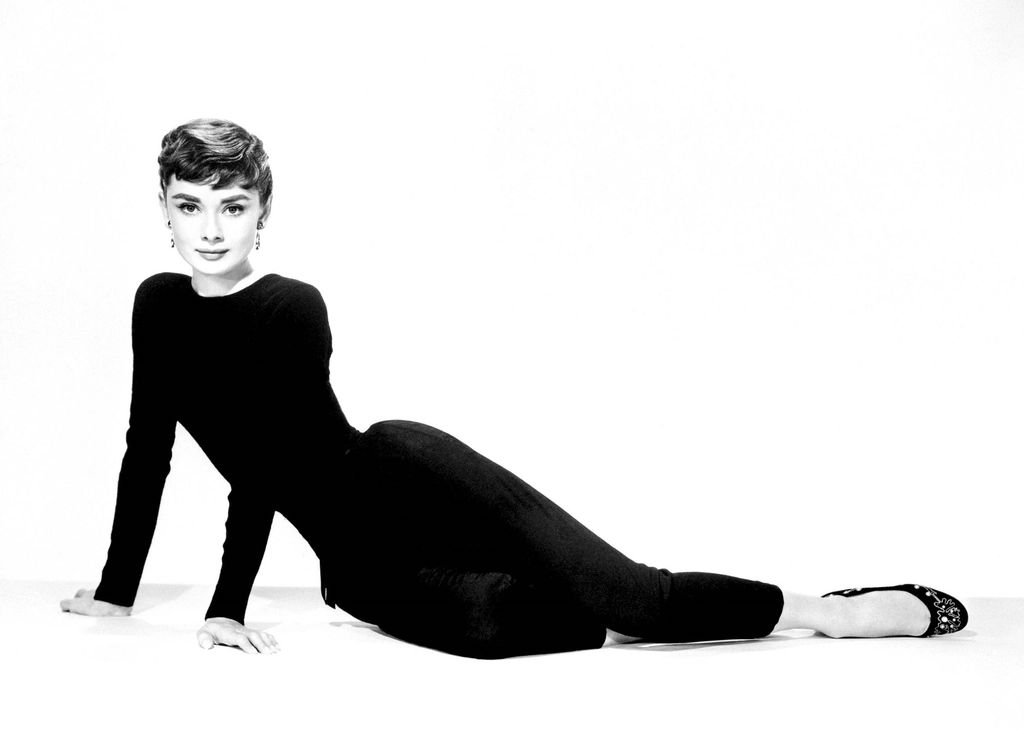
Acting: The Consolation Prize She Never Fully Embraced
To pay rent, Audrey took chorus-line and modeling work, which led, almost by accident, to acting. She found success astonishingly fast — but those close to her said she privately viewed film work as a lesser substitute for the ballet career she’d lost. Even at the height of her fame, she kept a barre in her home and continued private dance lessons, quietly returning to the movement vocabulary that war and rejection had denied her professionally.
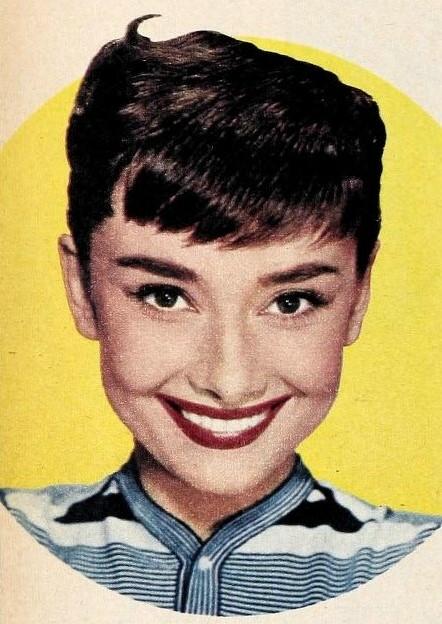
The Grace the World Mistook for Effortless
Critics and fans alike praised Hepburn’s uniquely fluid screen presence, never knowing it was the ghost of an abandoned ballet career shaping every gesture. Choreographers who worked with her on films like Funny Face noted her technique was more rigorous than any starlet’s had a right to be. In interviews late in life, she admitted that not becoming a dancer remained one of her deepest, quietest regrets — a loss fame could never fully replace.
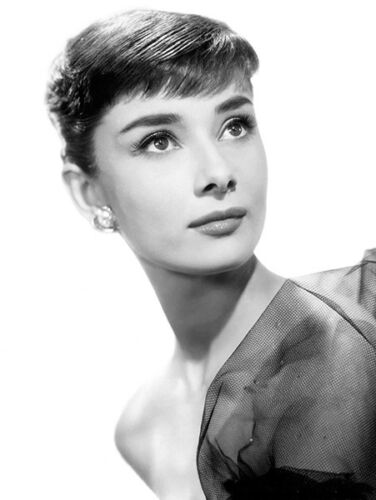
Photos via Wikimedia Commons and Openverse (public domain).