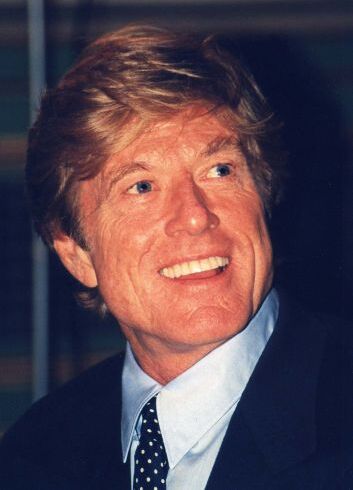
In the glittering constellation of Hollywood stars, few burned as bright as Robert Redford. Yet somewhere between the standing ovations and the Presidential Medal of Freedom, something shifted. The man who could have owned Tinseltown chose a different path entirely – one that would redefine what it meant to be a true artist in America. But what drove the ultimate insider to become Hollywood’s most influential outsider?
The whispers started in the late ’70s. While other A-listers chased bigger paychecks and flashier roles, Redford was quietly orchestrating something unprecedented. Something that would shake the very foundations of how movies were made in America. The golden boy was planning his escape – not from fame, but from the machine that created it.
The Rise of an American Icon Who Rewrote the Rules
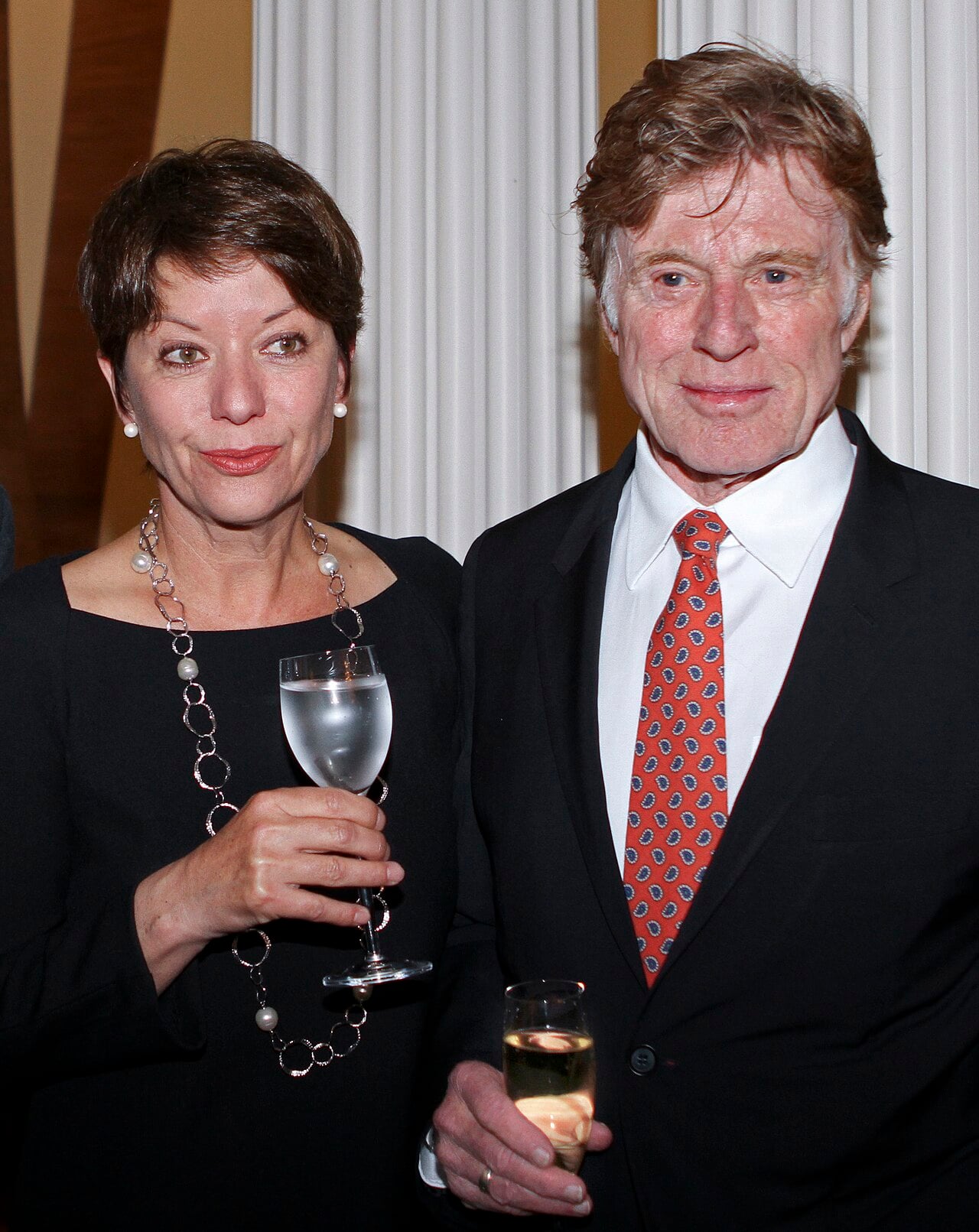
Charles Robert Redford Jr. didn’t just climb the Hollywood ladder – he danced up it with that devastating smile and those piercing blue eyes that could melt audiences from coast to coast. Starting in the late 1950s, he cut his teeth on television, appearing in anthology series like Alfred Hitchcock Presents and The Twilight Zone, where his magnetic presence crackled through black and white screens across America.
But it was Broadway that first tasted his magic. Neil Simon’s comedy “Barefoot in the Park” became Redford’s launching pad, and when Hollywood came calling, he answered with films like “War Hunt” and “Inside Daisy Clover.” Yet these were mere warm-ups for the supernova that was about to explode.
The 1970s belonged to Robert Redford like no decade has ever belonged to any star since. “Butch Cassidy and the Sundance Kid” made him a household name. “The Sting” earned him an Academy Award nomination for Best Actor. “The Way We Were,” “All the President’s Men,” “Three Days of the Condor” – each film was another brushstroke in the portrait of American cinema’s most bankable leading man.
He wasn’t just acting in movies; he was defining what movies could be. With “The Candidate” and “Downhill Racer,” he proved he could carry complex, morally ambiguous characters that reflected the changing soul of America itself.
The Man Behind the Golden Facade
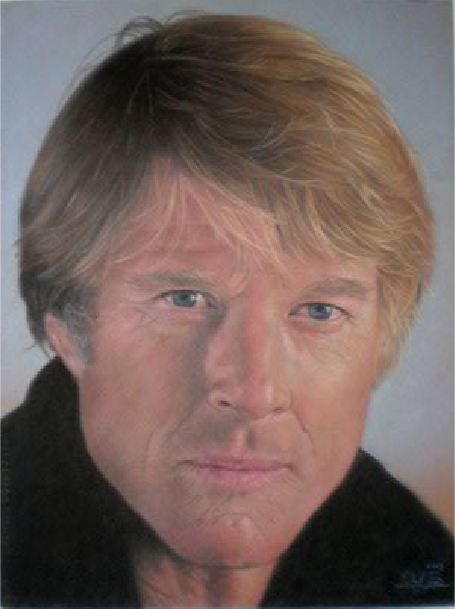
But who was Robert Redford when the cameras stopped rolling? While Hollywood manufactured pretty faces by the dozen, Redford possessed something that couldn’t be taught or bought: authenticity. His rugged handsomeness felt earned, weathered by real experience rather than studio makeup. Whether he was playing a Depression-era baseball player in “The Natural” or a mysterious journalist in “Three Days of the Condor,” audiences believed him completely.
The critics noticed too. The Academy Awards, BAFTA, five Golden Globe Awards including the prestigious Cecil B. DeMille Award in 1994, the Screen Actors Guild Life Achievement Award, the Kennedy Center Honors, and eventually the Presidential Medal of Freedom in 2016 – the accolades poured in like rain on parched earth.
Yet behind those celebrated performances was a restless spirit that Hollywood couldn’t quite contain. Even as he commanded top dollar for films like “The Electric Horseman” and “Out of Africa,” even as he proved he could master any genre from westerns to romantic dramas to political thrillers, something was stirring beneath the surface.
The industry that had made him rich and famous was about to discover that they had nurtured a revolutionary.
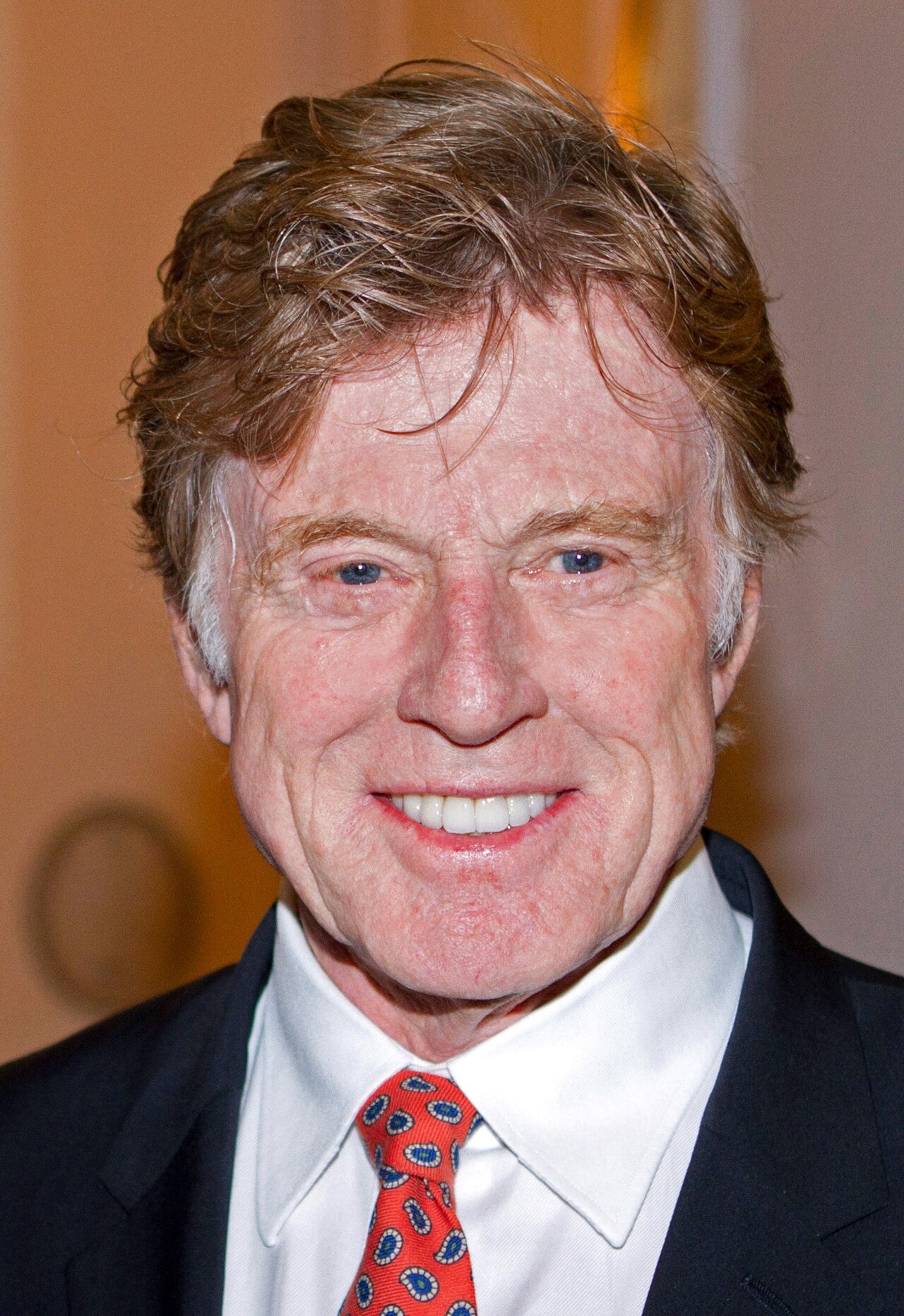
The Rebellion That Changed Everything
Here’s where the story takes its most fascinating turn. In 1978, at the height of his box office powers, when studios would have handed him blank checks for his next starring vehicle, Robert Redford did something that shocked Hollywood to its core. He co-founded the Sundance Institute and the Sundance Film Festival, creating a haven for independent filmmakers who couldn’t get through the studio system’s golden gates.
This wasn’t just a side project or a tax write-off. This was a direct challenge to the Hollywood machine that had made him a star. While his peers were buying mansions and yachts, Redford was investing in a vision of cinema that prioritized artistic integrity over box office receipts.
But the rebellion went even deeper. In 1980, he stepped behind the camera to direct “Ordinary People,” a raw family drama that swept the Academy Awards, winning Best Picture and Best Director. Here was Hollywood royalty proving that the most powerful stories weren’t always the loudest ones.
His directorial efforts continued with “The Milagro Beanfield War,” “A River Runs Through It,” “Quiz Show,” “The Horse Whisperer,” and “The Legend of Bagger Vance.” Each film bore his signature: intimate storytelling that honored both the landscape and the human condition.
And then came the final act of defiance. In 2019, with “The Old Man & the Gun,” and a brief appearance in “Avengers: Endgame” as his final on-screen role, Redford essentially retired from acting. The man who could have commanded any role, any salary, any project, simply walked away.
The Legacy of a Man Who Chose Art Over Empire
Today, as streaming services and corporate conglomerates battle for entertainment supremacy, Robert Redford’s true genius becomes clear. He didn’t abandon Hollywood – he transcended it. The Sundance Film Festival has become the premier showcase for independent cinema, launching careers and championing voices that might never have been heard otherwise.
His environmental activism, his support of Native American and Indigenous rights, his advocacy for LGBTQ equality – these weren’t publicity stunts but authentic expressions of a man who used his platform for something greater than fame. The Presidential Medal of Freedom and the Honorary César in 2019 recognized not just his artistic contributions, but his role as a cultural leader.
But perhaps the most intriguing mystery remains: What did Robert Redford see in Hollywood’s future that made him choose to build something entirely different? In an industry obsessed with sequels and franchises, he championed original voices. In a business driven by focus groups and market research, he trusted artists to tell their own stories.
The golden boy who could have ruled Hollywood instead chose to revolutionize it. And in doing so, he may have saved it from itself. The real question isn’t why Robert Redford left the kingdom – it’s whether he was building something even more powerful in its place.
Photos via Wikimedia Commons (public domain / Creative Commons).