
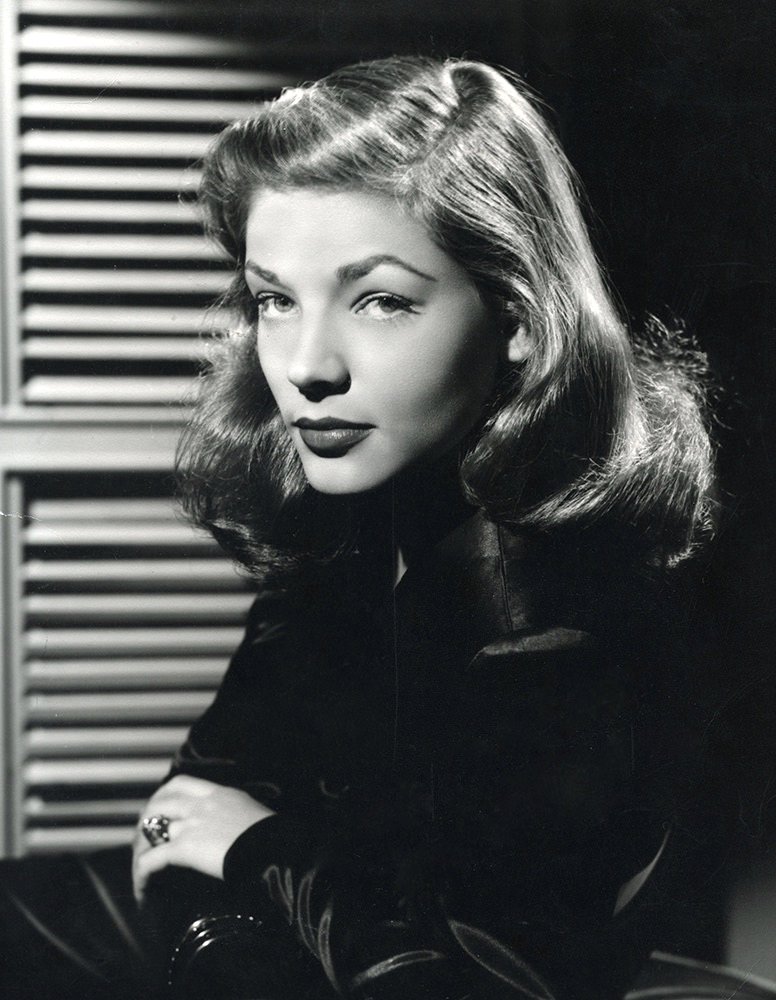
In the smoky darkness of a 1940s soundstage, a nineteen-year-old girl named Betty Joan Perske stepped before the cameras and delivered four words that would echo through cinema history. But what happened behind those studio lights—the magnetic pull between two souls that defied every Hollywood convention—remains one of the most captivating love stories ever whispered in the golden corridors of fame. What secret did this young model carry that would transform her into Lauren Bacall, the woman who could make legends fall to their knees?
When Lightning Struck the Silver Screen
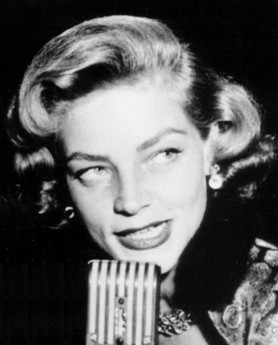
The transformation was nothing short of miraculous. Betty Joan Perske, a fresh-faced model working for the Walter Thornton Model Agency, vanished like morning mist the moment she stepped onto the set of “To Have and Have Not.” In her place emerged Lauren Bacall—a name that would become synonymous with sultry sophistication and devastating allure.
At nineteen, she possessed something the camera had been hungering for: that rare combination of vulnerability and steel that made audiences lean forward in their seats. Her film debut opposite one of Hollywood’s most legendary leading men wasn’t just a career launch—it was the birth of a new kind of screen goddess.
The noir shadows seemed to embrace her naturally as she continued to weave her magic in “The Big Sleep,” “Dark Passage,” and “Key Largo.” But Bacall proved she was far more than a creature of darkness. Her performances in romantic comedies like “How to Marry a Millionaire” and “Designing Woman” revealed layers of wit and charm that kept Hollywood—and the world—utterly spellbound.
The Icon Who Rewrote the Rules of Desire
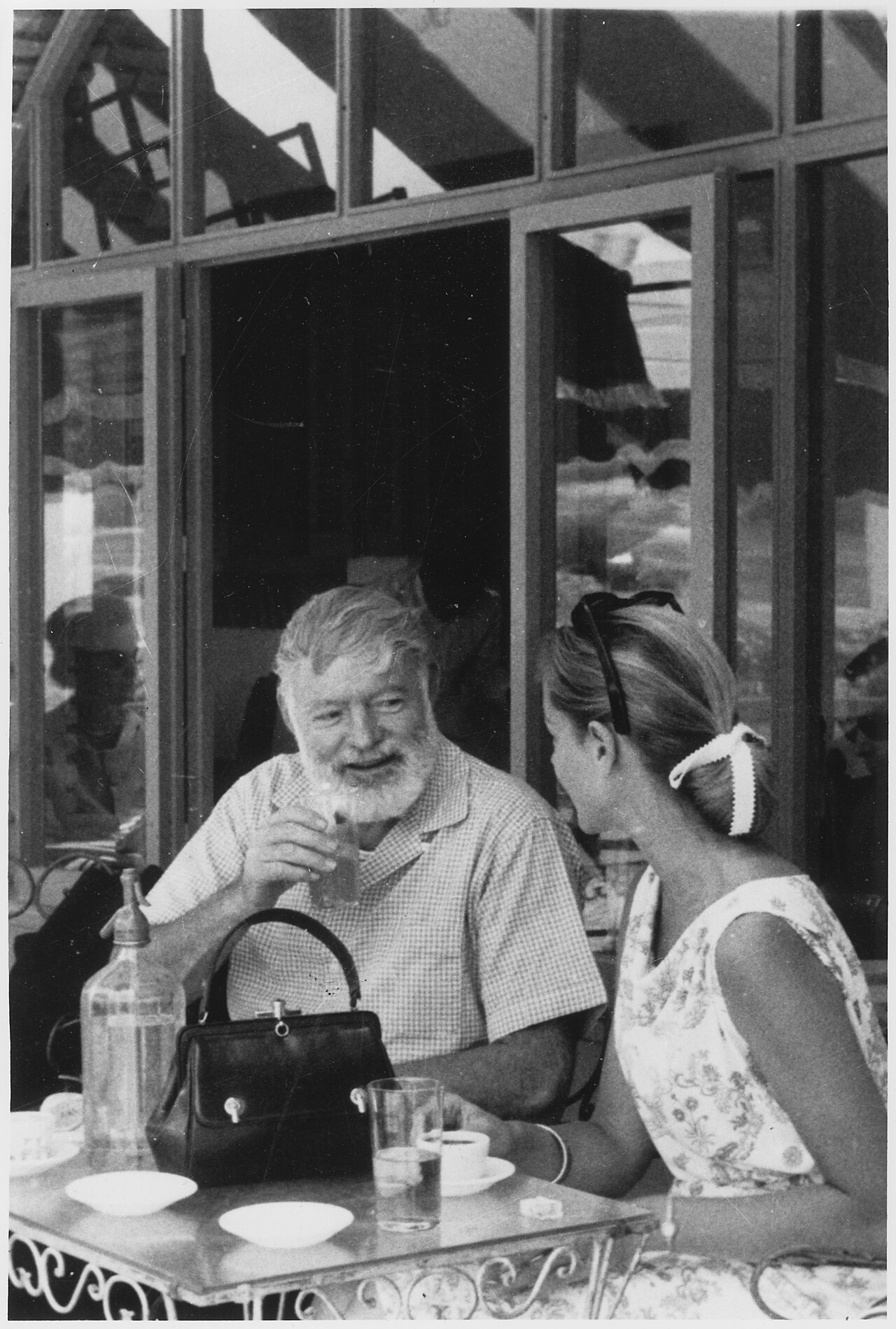
Lauren Bacall didn’t just act; she inhabited a realm where ordinary rules ceased to exist. Her voice—low, honeyed, dangerous—could stop conversations across crowded rooms. Her gaze could pierce through pretense and find the truth hiding beneath Hollywood’s glittering facade.
The American Film Institute would later recognize her as the 20th-greatest female star of classic Hollywood cinema, but numbers could never capture the electricity she brought to every frame. In Douglas Sirk’s “Written on the Wind,” she commanded the screen with an authority that belonged to someone who understood the delicate dance between power and vulnerability.
She was one of the last surviving major stars from the Golden Age, a living bridge between Hollywood’s most glamorous era and the modern world. Her Academy Honorary Award in 2009 felt like the industry finally acknowledging what audiences had known for decades: some stars don’t just shine—they burn themselves into our collective memory forever.
The Love That Scandalized and Enchanted a Generation
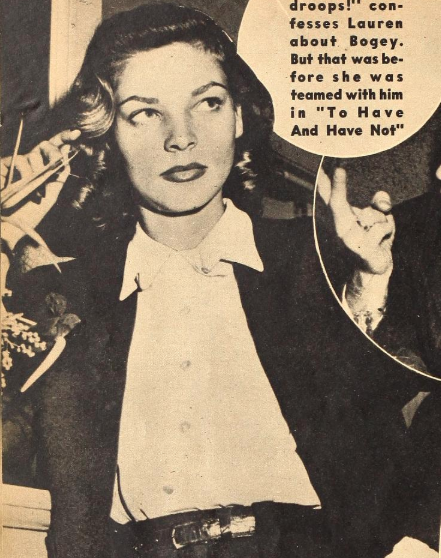
But here lies the heart of Lauren Bacall’s story—a romance so intense it threatened to overshadow even her remarkable talent. When she walked onto that soundstage in 1944, she didn’t just meet her co-star; she encountered her destiny in the form of Humphrey Bogart, Hollywood’s most untouchable leading man.
The age difference alone should have made it impossible. The industry whispers should have silenced it before it began. Yet something ignited between them that no studio executive could control, no gossip columnist could diminish. Their on-screen chemistry in “To Have and Have Not” was so palpable, so electric, that audiences could feel the heat radiating from the silver screen.
What started as professional collaboration transformed into a love story that would become the stuff of Hollywood legend. Bacall didn’t just marry Humphrey Bogart—she stepped into a partnership that would define both their legacies. Their subsequent films together weren’t just cinema; they were love letters written in shadow and light, each glance and gesture carrying the weight of their real-world passion.
This wasn’t a typical Hollywood romance built on publicity stunts and strategic career moves. This was the kind of love that changes the trajectory of two lives forever, the kind that makes everything that came before seem like mere rehearsal for the main event.
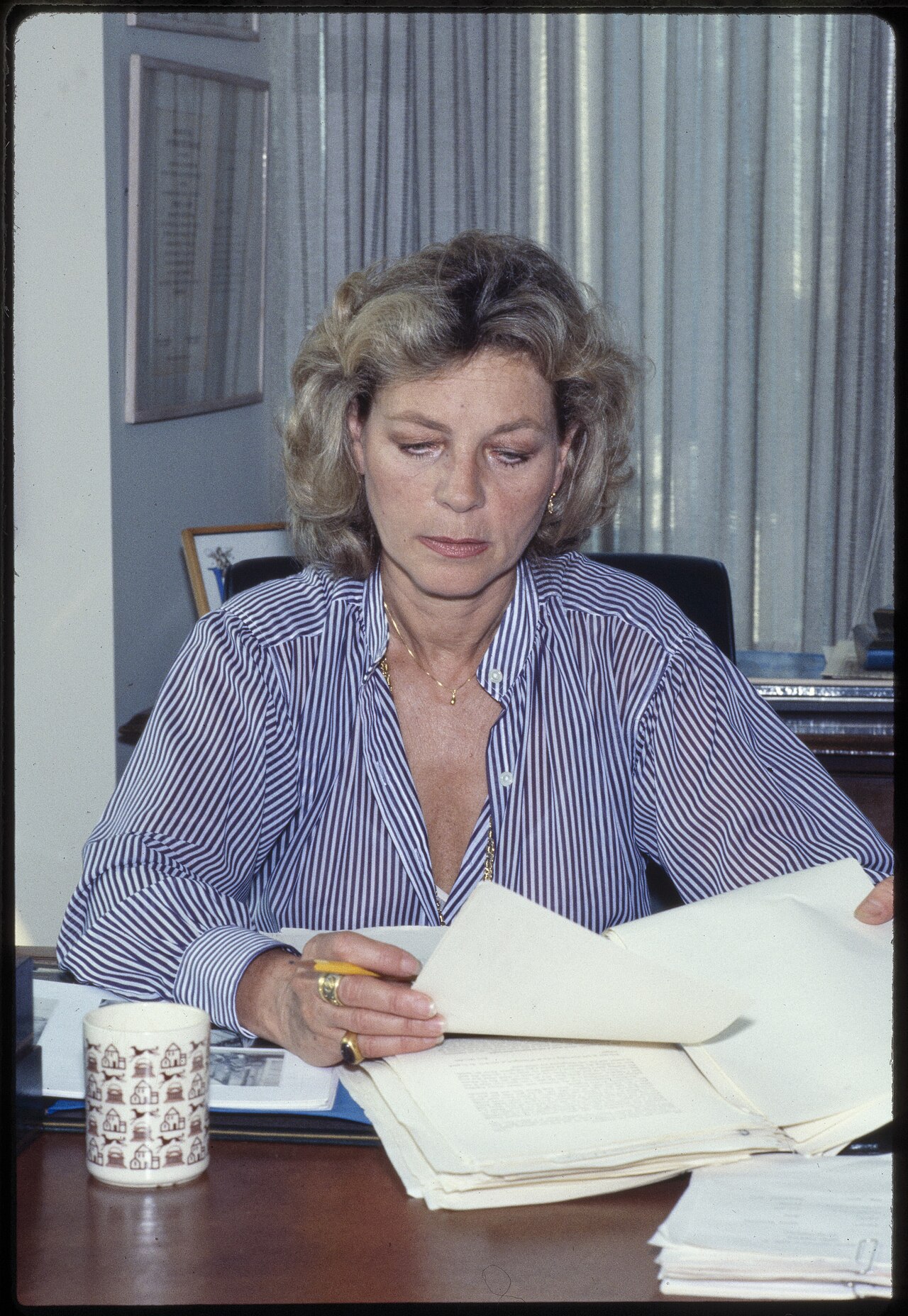
The Eternal Mystery of a Love That Transcended Time
Years would pass, and Lauren Bacall would continue to captivate new generations. Her career resurgence in “The Mirror Has Two Faces” earned her Golden Globe and Screen Actors Guild Awards, proving that true magnetism never fades. Younger audiences discovered her magic through films like “Misery” and animated features like “Howl’s Moving Castle.” Broadway would embrace her with Tony Awards for “Applause” and “Woman of the Year.”
But beneath all the accolades, all the critical acclaim, all the standing ovations, one question lingers like perfume in an empty theater: What was it really like to love so completely that it became inseparable from legend itself? The cameras captured their professional magic, but the private moments—the whispered conversations, the stolen glances, the quiet mornings when the world wasn’t watching—those remain locked away in the vault of time.
Lauren Bacall became more than an actress; she became the keeper of Hollywood’s most beautiful secret. And perhaps that’s exactly how it should be—some mysteries are too precious to solve, too perfect to explain. In a world that demands answers, she left us with the most exquisite question of all: What does it feel like when lightning strikes twice, and both times it has your name on it?
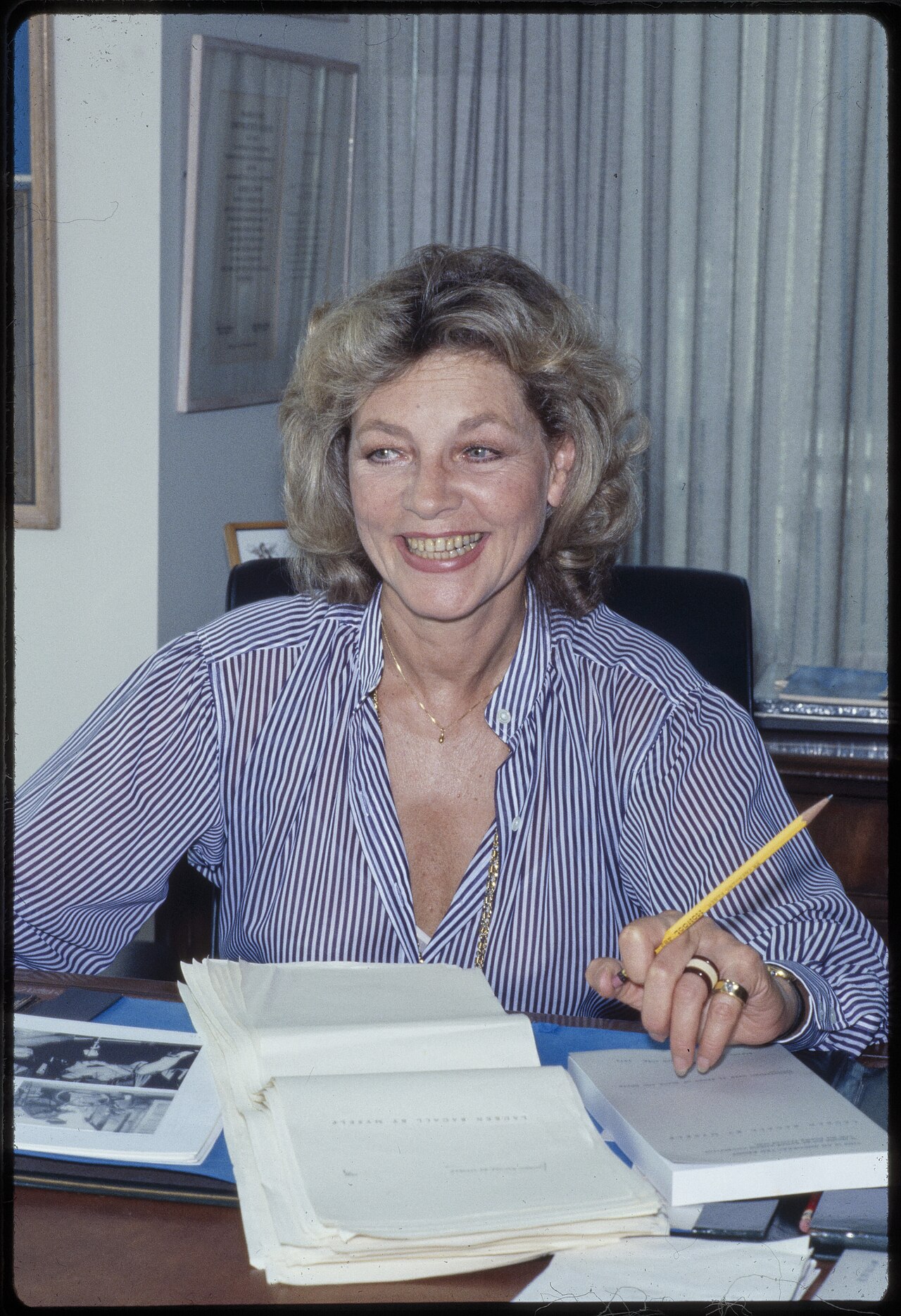
Photos via Wikimedia Commons (public domain / Creative Commons).