
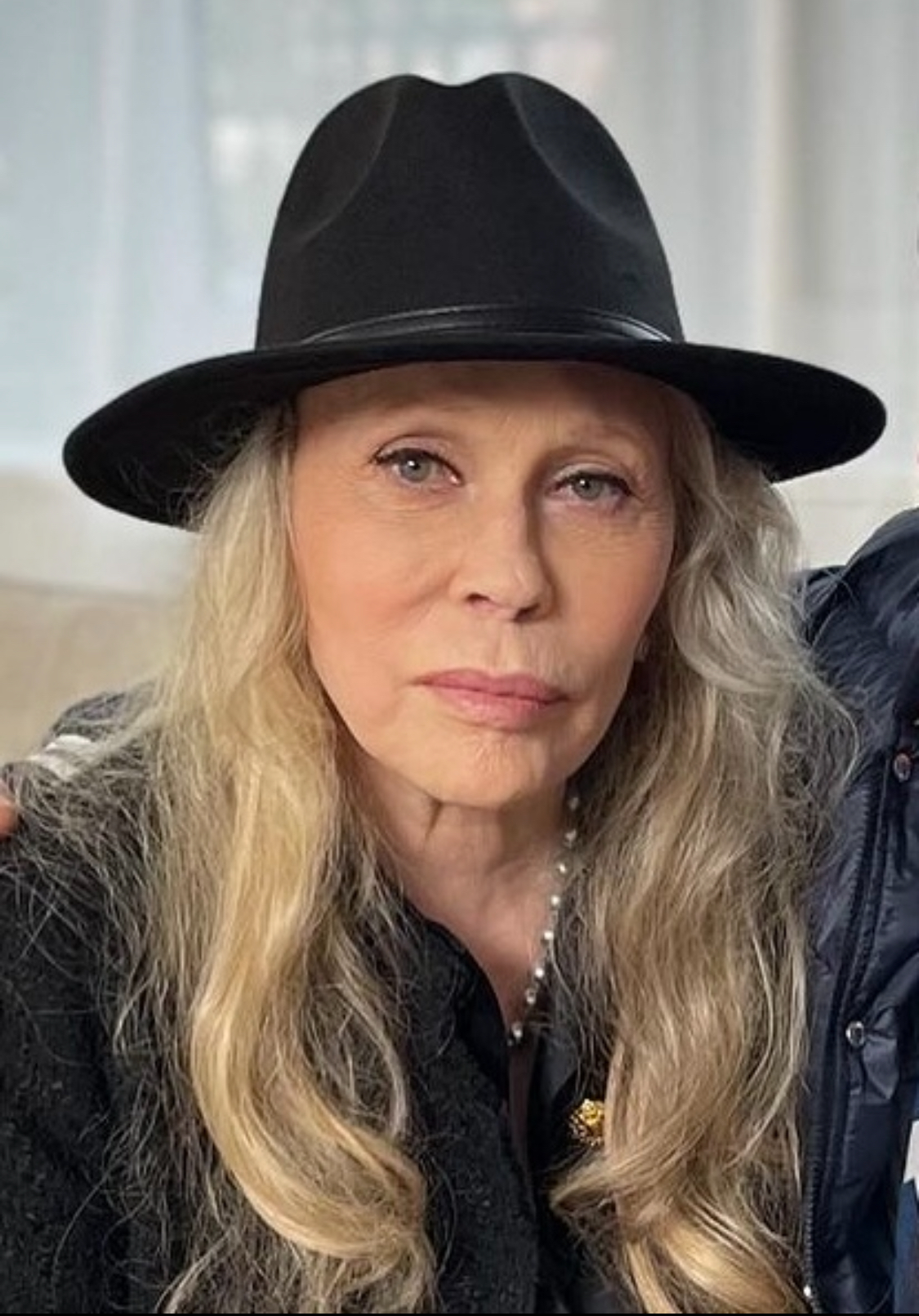
In the golden twilight of Hollywood’s greatest era, one woman built walls so high that even her closest confidants couldn’t scale them. Faye Dunaway—the name itself conjures images of smoldering intensity and razor-sharp beauty—became one of cinema’s most celebrated actresses while simultaneously becoming one of its most enigmatic mysteries. But behind those piercing eyes that captivated millions lay secrets she guarded more fiercely than any studio contract. What was she hiding? And why, at the height of her fame, did she begin retreating into a fortress of silence that she maintains to this very day?
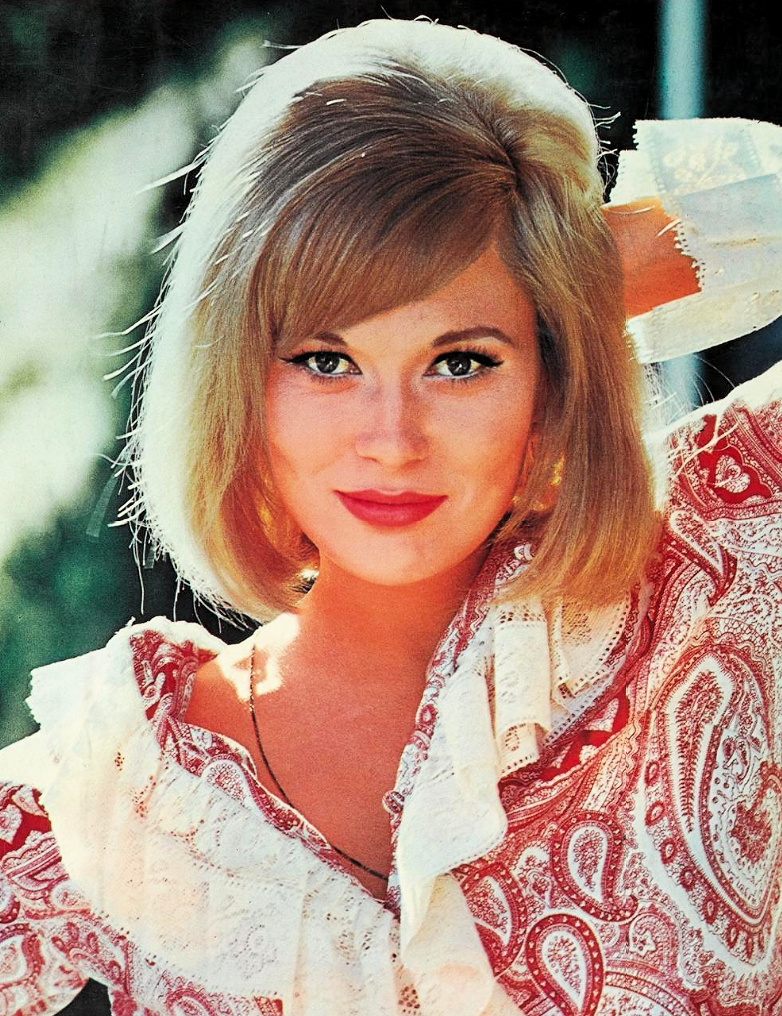
From Broadway Stages to Bonnie’s Getaway Car
The transformation began in the early 1960s, when a young actress named Dorothy Faye Dunaway stepped onto Broadway stages with the hunger of someone who knew exactly what she wanted—and exactly what she’d sacrifice to get it. Those theater lights were just the beginning, mere rehearsal for what would become one of Hollywood’s most explosive entrances.
Then came 1967—a year that would change everything. While her screen debut in “The Happening” barely registered as a blip, it was her portrayal of outlaw Bonnie Parker in Arthur Penn’s “Bonnie and Clyde” that detonated across American screens like a stick of dynamite. Here was a woman who didn’t just play dangerous—she embodied it with every glance, every sultry smile, every trigger pull that redefined what a leading lady could be.
The Academy noticed immediately, bestowing her with that first Oscar nomination. But this was only the overture to a symphony of brilliance that would follow: the sophisticated cat-and-mouse seduction of “The Thomas Crown Affair,” the sweeping Western revisionism of “Little Big Man,” and the intricate mystery of “Chinatown” that earned her a second Oscar nod. Each role seemed to peel back another layer of her extraordinary range, yet somehow made the woman herself even more mysterious.
The Enigma Behind the Icon
Faye Dunaway didn’t just play characters—she became them so completely that audiences could never quite tell where the performance ended and the person began. There was something almost supernatural about her ability to slip into roles like expensive silk gowns, each one fitting her perfectly while revealing tantalizingly little about the woman underneath.
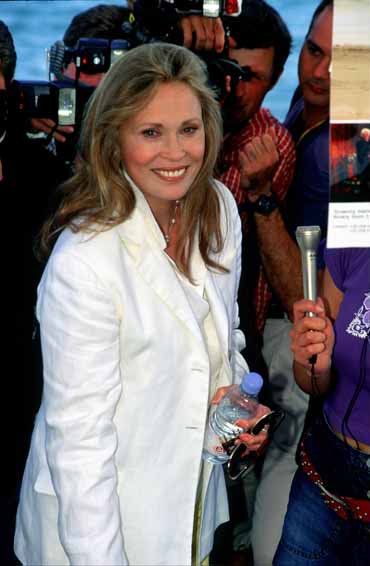
Her face became the definition of 1970s glamour: those high cheekbones that could cut glass, eyes that seemed to hold entire universes of secrets, and a smile that promised both salvation and destruction. When she swept through premieres and award shows, she carried herself with the regal bearing of old Hollywood royalty, yet there was always something untouchable about her presence—as if she existed behind invisible velvet ropes that kept the world at arm’s length.
The accolades poured in like rain: Golden Globes, a BAFTA, a Primetime Emmy, and finally, the ultimate prize—an Academy Award for Best Actress for her electrifying performance in “Network.” She had climbed to the very pinnacle of her profession, yet with each triumph, she seemed to retreat further from the spotlight that had made her a star.
The Fortress Walls Rise Higher
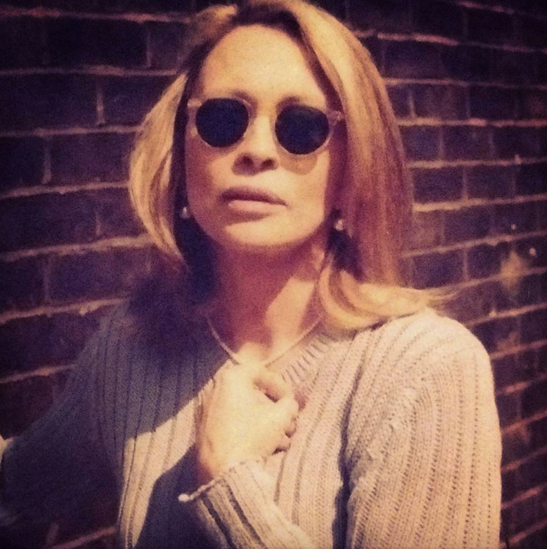
But here’s where Faye Dunaway’s story takes its most fascinating turn—the very moment she achieved everything an actress could dream of, she began systematically dismantling her public persona. It started subtly, with fewer interviews, more selective public appearances. Then came 1981 and “Mommie Dearest,” her controversial portrayal of Joan Crawford that would forever change how the world saw her.
While some called it career suicide, those closest to the industry whispered of something deeper—a deliberate choice to protect something precious hidden beneath layers of celebrity. Her romantic relationships became the stuff of speculation: the passionate affair with director Jerry Schatzberg, the European sophistication of her time with Marcello Mastroianni, her marriages first to singer Peter Wolf and then to photographer Terry O’Neill, with whom she had her son, Liam.
Yet even these glimpses into her private world felt carefully curated, as if she was revealing only what she chose to reveal. Friends and colleagues spoke of a woman who was warm and generous in private moments, yet who could shut down with surgical precision when conversations ventured into territory she deemed too personal.
What was she protecting? What experiences had taught her that fame was a double-edged sword that could cut as deeply as it elevated?
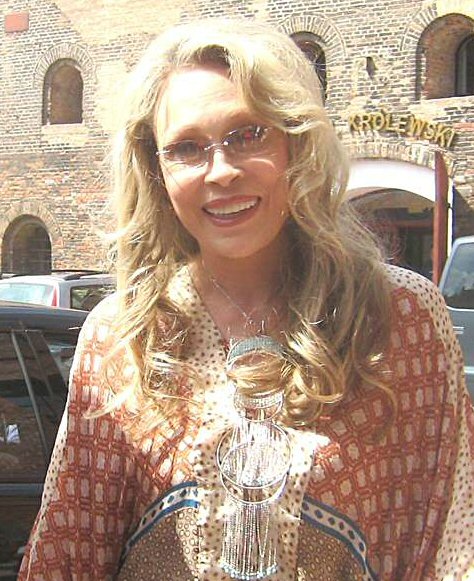
The Eternal Mystery
Today, Faye Dunaway remains Hollywood’s most successfully guarded secret. While her contemporaries have written tell-all memoirs and given countless interviews dissecting their careers and personal lives, she continues to maintain her fortress of privacy with unwavering determination. Her later films—from the independent features that marked her career’s evolution to her powerful stage performances, including her Sarah Siddons Award-winning portrayal of Maria Callas—speak to an artist who never stopped challenging herself, even as she stepped further away from the public eye.
Perhaps that’s the real genius of Faye Dunaway. In an industry built on exposure and revelation, she understood that true power lies in mystery. She gave us unforgettable performances and iconic moments, but she never gave us herself—not completely. And in that withholding, she became more fascinating than any tell-all interview could ever make her.
The fortress stands intact, its walls as impenetrable now as they were decades ago. And somewhere behind them, Dorothy Faye Dunaway continues to guard the secrets that made her not just a star, but a legend whose true story may never be fully told.
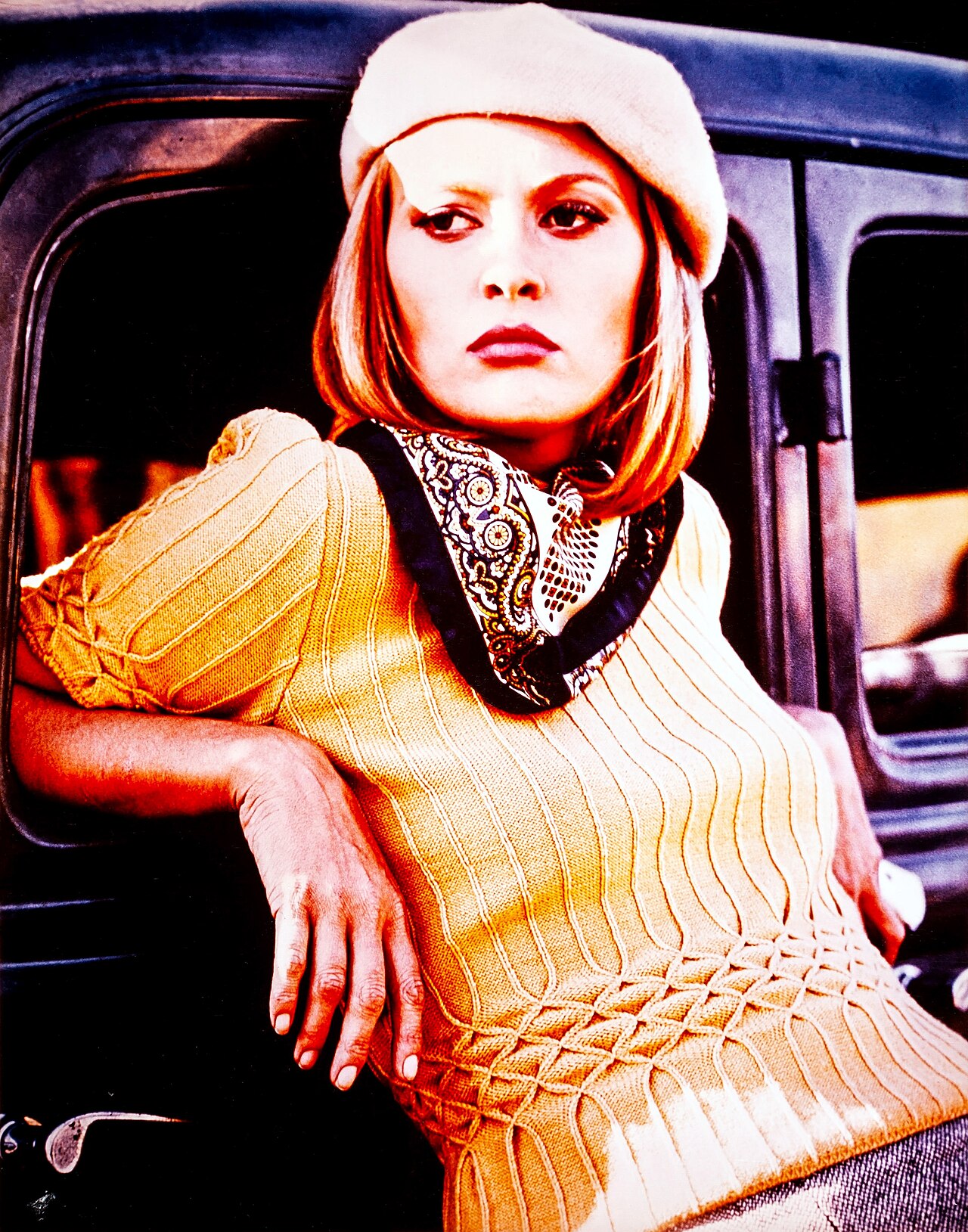
Photos via Wikimedia Commons (public domain / Creative Commons).