
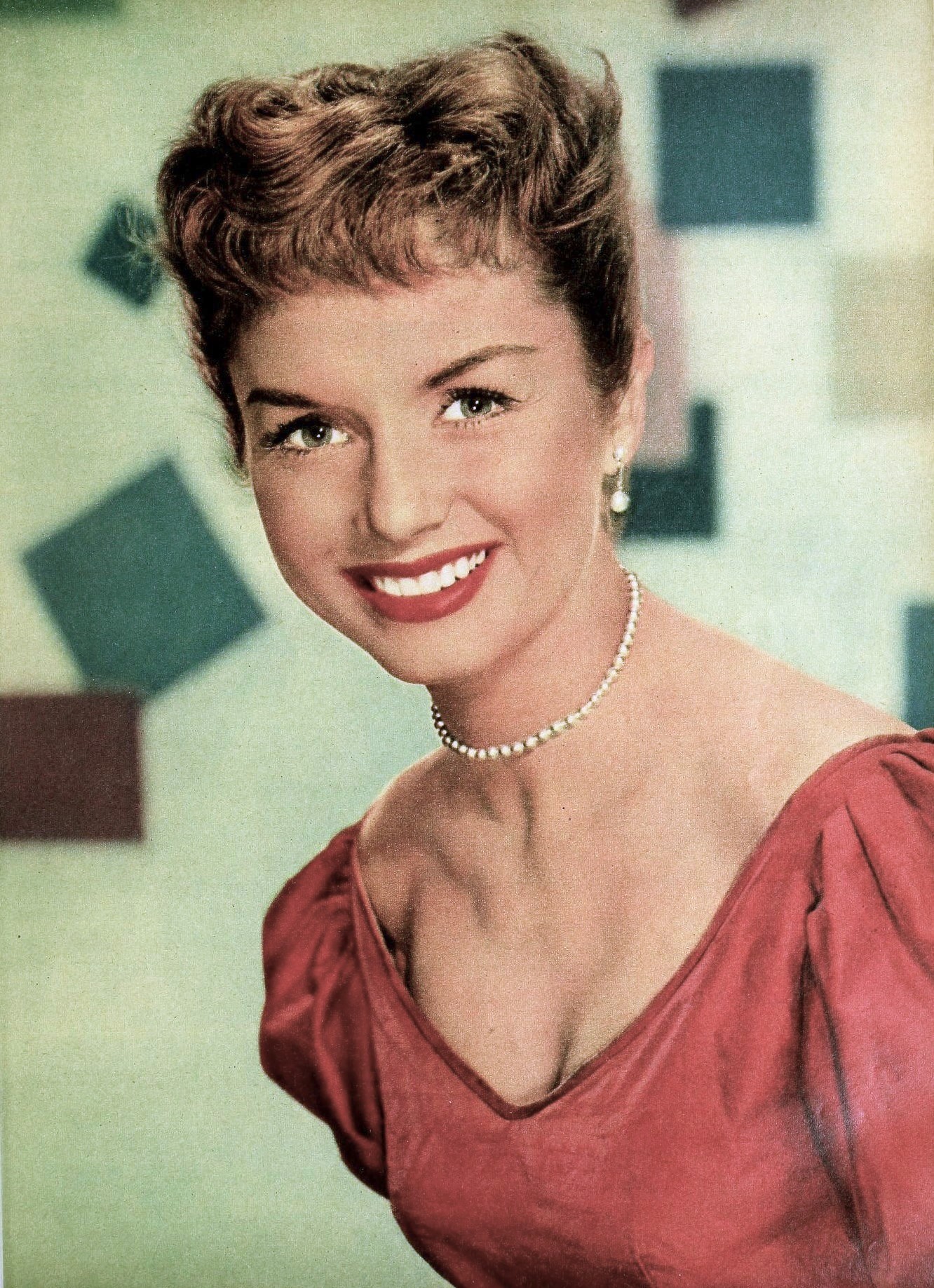
What cruel twist of fate could claim not one, but two of Hollywood’s most beloved stars within a single, devastating 24-hour period? The answer lies in a story so heartbreaking, so impossibly tragic, that it reads like the climax of a melodrama too painful for even Hollywood to script.
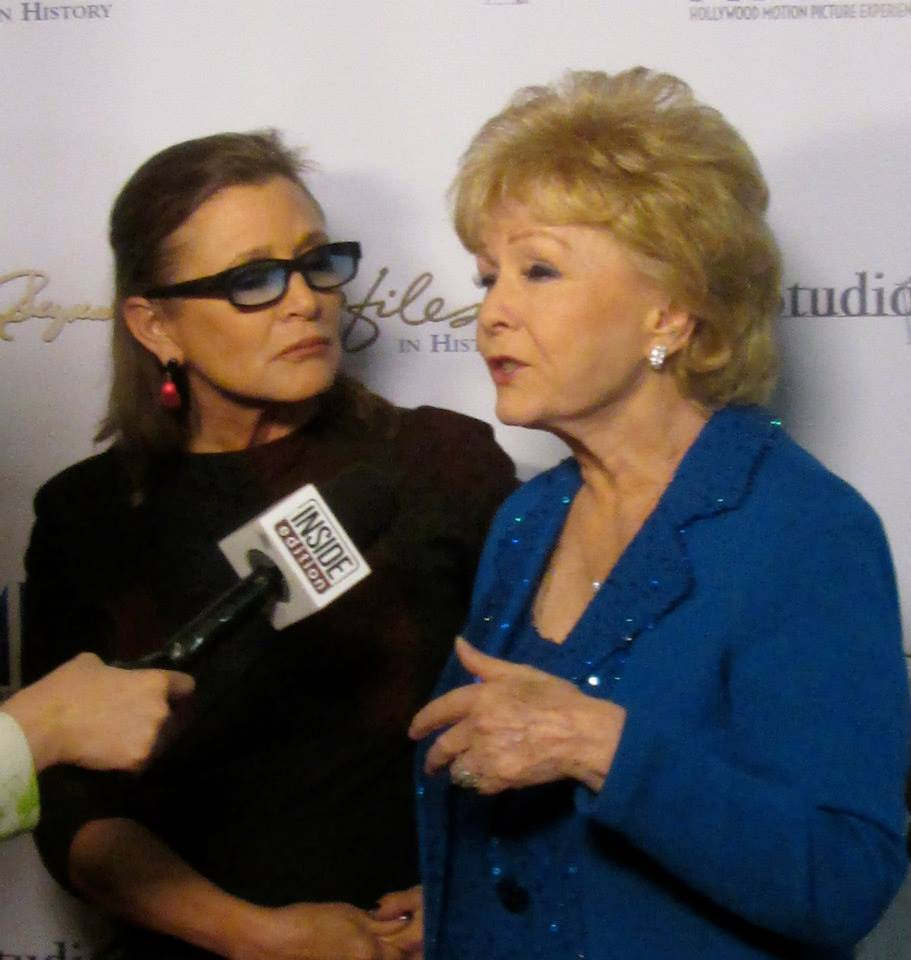
When a Small-Town Girl Danced Her Way to Immortality
In the golden age of Hollywood musicals, when dreams were painted in Technicolor and hope tap-danced across silver screens, one radiant young woman pirouetted straight into America’s heart. Mary Frances Reynolds—who would become the effervescent Debbie Reynolds—didn’t just break into Hollywood; she practically burst through its gates like sunshine after a thunderstorm.
Her breakout moment came with a role that would define an entire generation’s understanding of pure joy: Kathy Selden in “Singin’ in the Rain.” Dancing alongside the legendary Gene Kelly, Reynolds embodied that magical moment when talent meets opportunity under the studio lights. The camera loved her fresh-faced enthusiasm, her infectious smile, her ability to make audiences believe that anything was possible if you just kept dancing.
But this was only the beginning. Her portrayal of Helen Kane in “Three Little Words” earned her a Golden Globe nomination for Most Promising Newcomer—a promise that would be fulfilled beyond anyone’s wildest dreams. Then came “Tammy and the Bachelor,” where her performance of the title song sent her soaring to the top of the Billboard charts, proving she was more than just a dancer or actress. She was a force of nature.
The accolades kept flowing: an Academy Award nomination for Best Actress for “The Unsinkable Molly Brown,” where she breathed life into the boisterous Titanic passenger Margaret Brown. A Tony Award nomination for the 1973 Broadway revival of “Irene.” Emmy nominations that spanned decades, including one for her memorable turn on “Will & Grace” that introduced her to an entirely new generation.
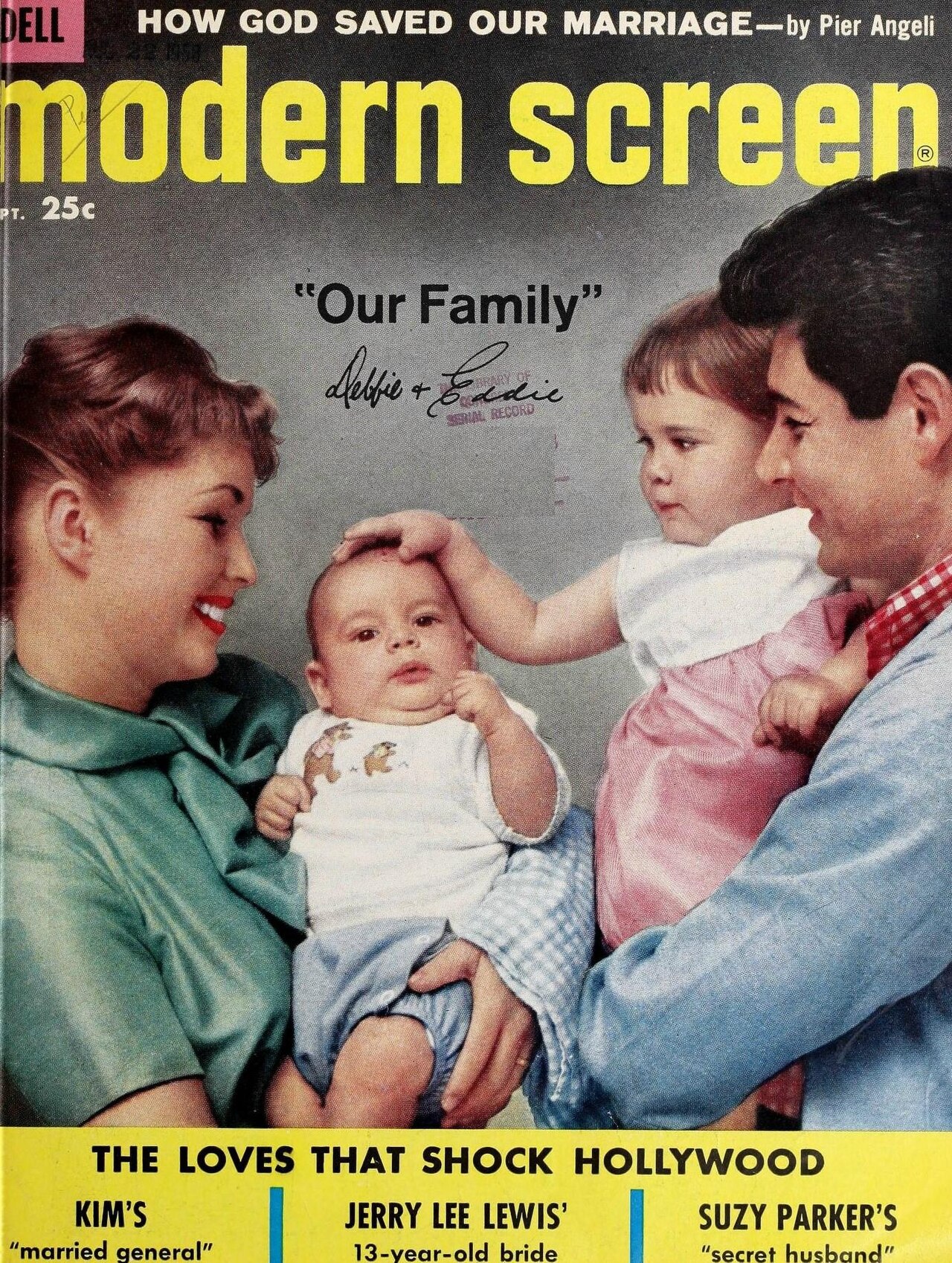
The Darling of America: More Than Just a Pretty Face
Behind those sparkling eyes and that megawatt smile lived a woman of remarkable depth and unwavering principle. Debbie Reynolds wasn’t content to simply entertain—she was determined to preserve the very magic that had made her a star.
When MGM held its landmark 1970 auction, selling off decades of cinematic treasures, Reynolds was there, bidding on costumes, props, and pieces of Hollywood history that others saw as mere relics. She understood something that perhaps only someone who had lived and breathed that golden era could comprehend: these weren’t just objects, they were pieces of America’s collective dreams.
Her business ventures stretched from a dance studio in North Hollywood to a Las Vegas hotel and casino, each endeavor reflecting her entrepreneurial spirit and her refusal to be defined by others’ expectations. As president of The Thalians, she championed mental health causes with the same passion she brought to her performances.
Yet perhaps most tellingly, she continued to enchant new audiences well into her later years, bringing magic to Disney’s “Halloweentown” series and lending her voice to Charlotte A. Cavatica in “Charlotte’s Web.” Reynolds possessed that rarest of qualities: the ability to grow older without ever losing the sparkle that had first captured Hollywood’s attention.
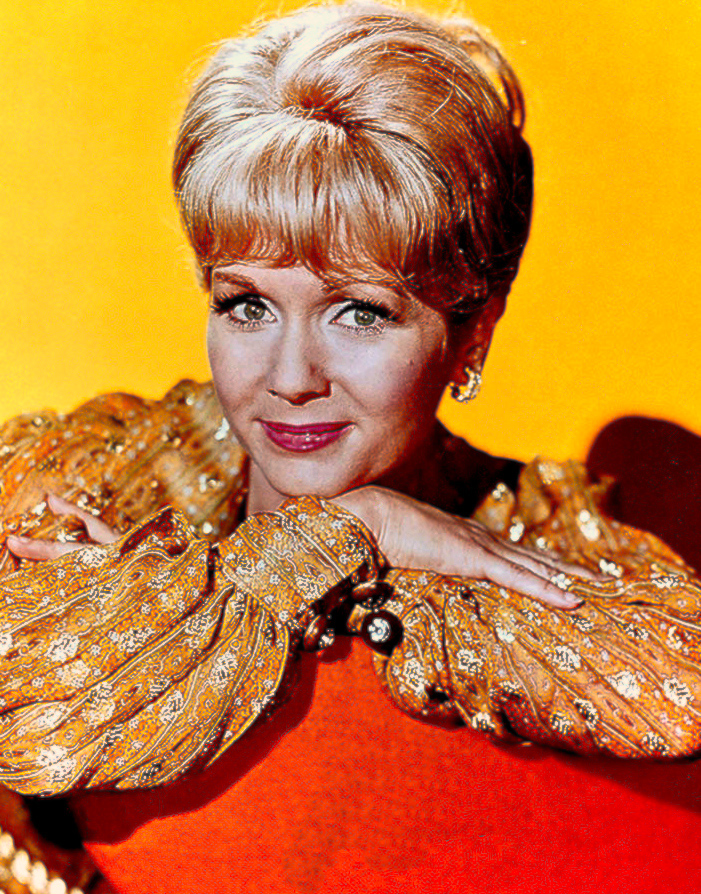
The Heartbreak That No Script Could Have Written
But behind the glittering facade of awards and accolades, a tragedy was unfolding that would ultimately shatter the hearts of millions. The woman who had spent her life making others smile was about to face the most devastating loss imaginable—one that her own generous heart simply couldn’t survive.
December 27, 2016. The entertainment world reeled as news broke that Carrie Fisher, beloved actress and Reynolds’ daughter, had died. The star who had brought Princess Leia to life was gone, and with her passing, something irreparable cracked in the foundation of her mother’s world.
What happened next defies explanation, yet feels tragically inevitable. On December 28, 2016—just one day after losing her daughter—Debbie Reynolds suffered a hemorrhagic stroke. It was as if her heart, having given so much joy to the world for so many decades, simply couldn’t bear the weight of such profound loss.
The timing was more than coincidental; it was cosmic in its cruelty. The woman who had survived the golden age of Hollywood, who had weathered personal and professional storms with grace and determination, who had built a legacy that spanned generations—she couldn’t survive the loss of her child.
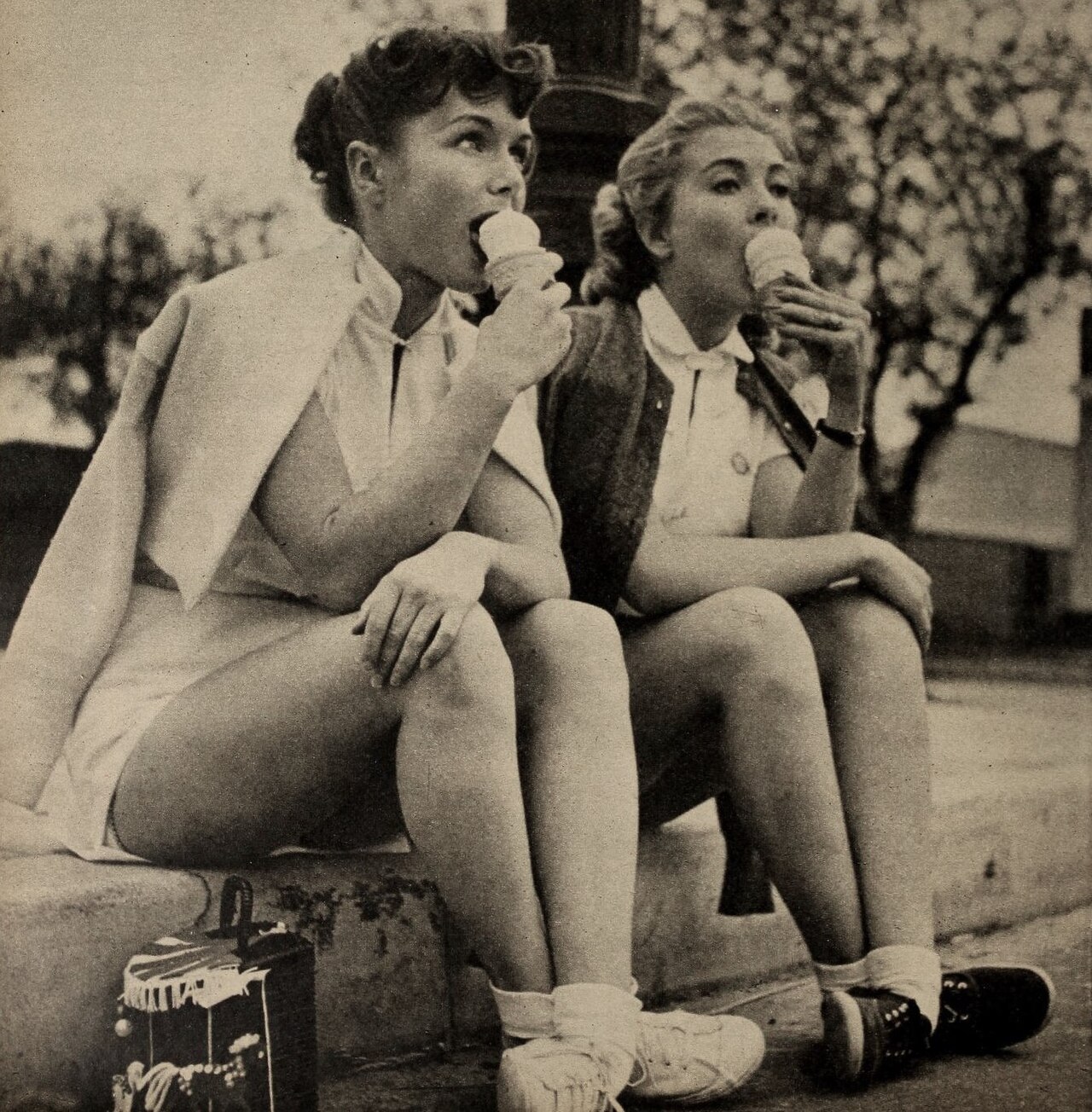
The Dance That Never Truly Ends
In her final film appearance, “Bright Lights,” Reynolds offered audiences one last glimpse into the extraordinary life that was drawing to a close. It was a biographical retrospective that served as both celebration and farewell, though no one could have known just how prophetic that farewell would prove to be.
The Screen Actors Guild Life Achievement Award in 2015, the Jean Hersholt Humanitarian Award in 2016—these honors came to her in her final years like flowers placed on an altar, tributes to a life lived in service of joy, entertainment, and human connection.
But perhaps the most fitting tribute to Debbie Reynolds isn’t found in any award or accolade. It’s in the fact that somewhere tonight, a child is watching “Singin’ in the Rain” for the first time, falling in love with that radiant young woman dancing through puddles without a care in the world. It’s in the preservation of Hollywood history that she fought so hard to protect. It’s in the understanding that some stars burn so brightly, with such pure joy and love, that even when they’re gone, their light continues to illuminate the darkness.
The cruel irony of her final chapter—dying of a broken heart just one day after her daughter’s death—only serves to underscore the depth of love that defined her life. In the end, Debbie Reynolds didn’t just entertain us; she taught us about resilience, about joy, about the bittersweet truth that the brightest lights often burn the briefest time.
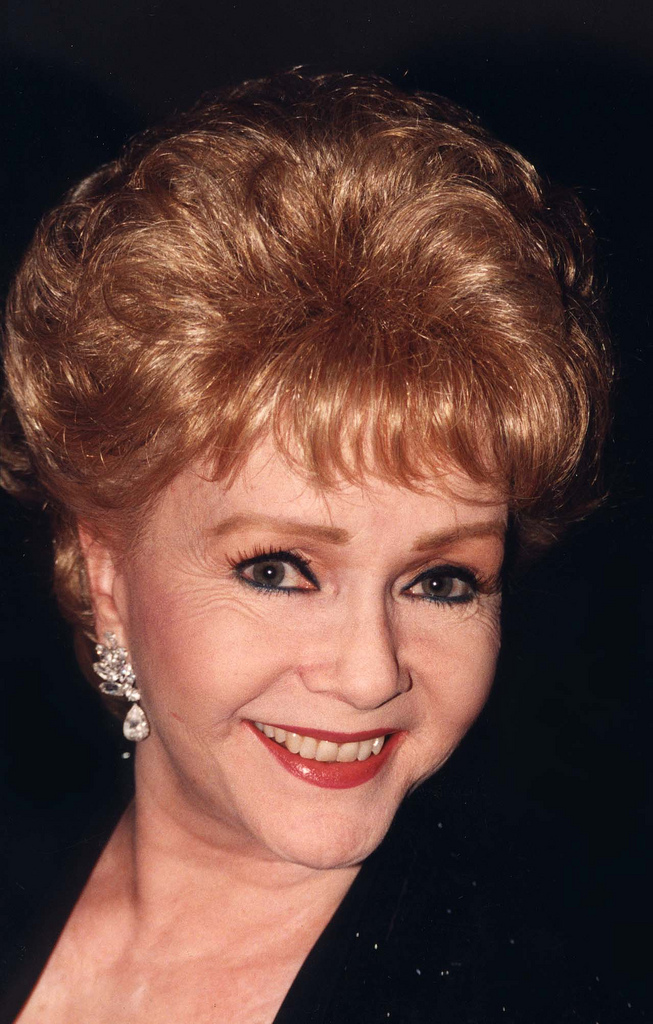
Photos via Wikimedia Commons (public domain / Creative Commons).