
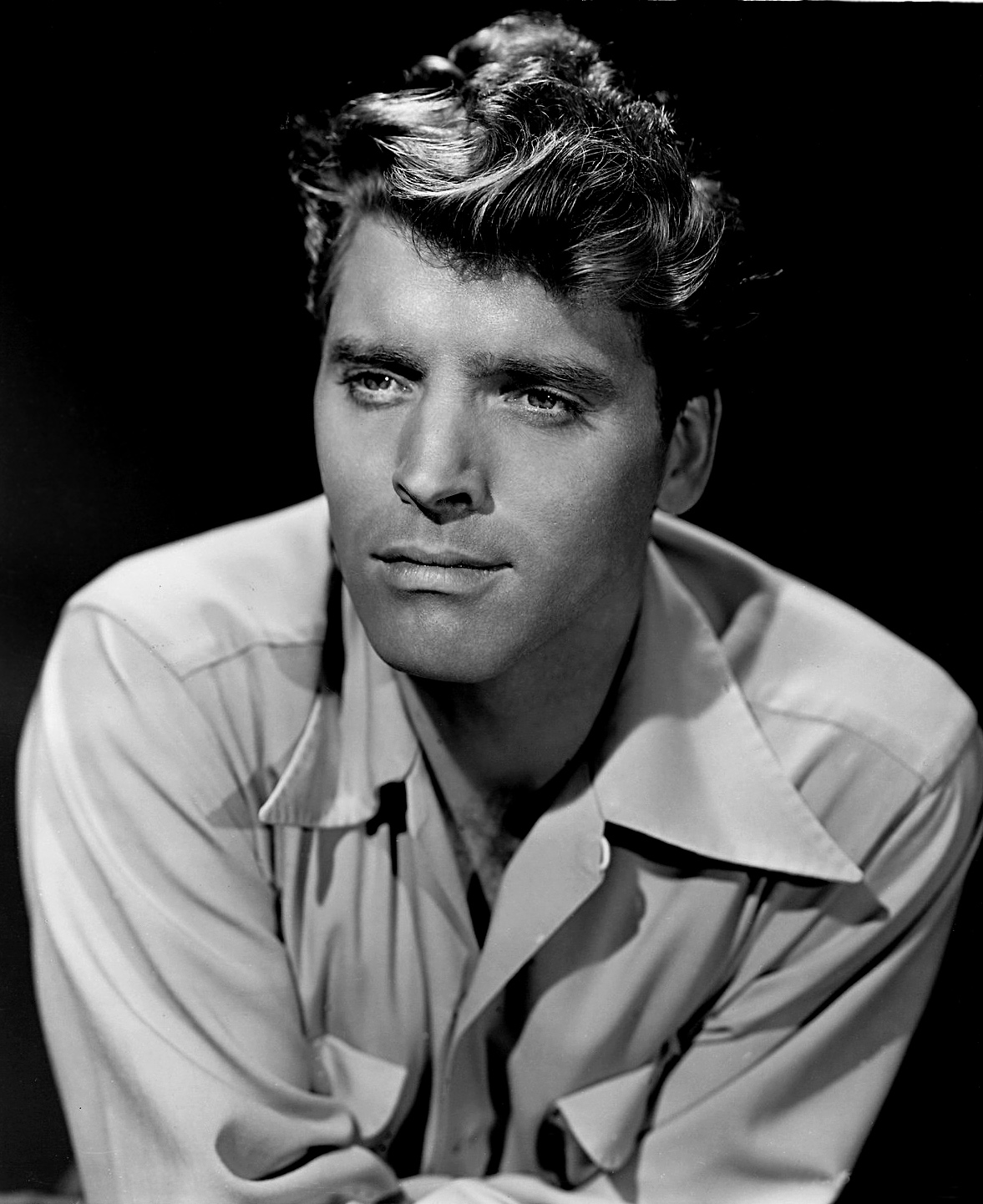
In the smoky back rooms of 1940s Hollywood, studio executives whispered about the newcomer who moved like a panther and commanded the screen like a king. Burt Lancaster arrived in Tinseltown with calloused hands from circus rigging and a gaze that could cut glass—but what transformed this traveling performer into one of cinema’s most magnetic forces? The answer lies buried beneath decades of carefully crafted performances, hidden in the spaces between what audiences saw and what really happened behind the cameras.
At thirty-two, when most actors were already considered past their prime, Lancaster stepped onto a Hollywood soundstage for the first time. But this was no ordinary late bloomer—this was a man who had spent years defying gravity, his body a finely tuned instrument of precision and power. The circus had been his university, teaching him timing, fearlessness, and an almost supernatural awareness of his physical presence.
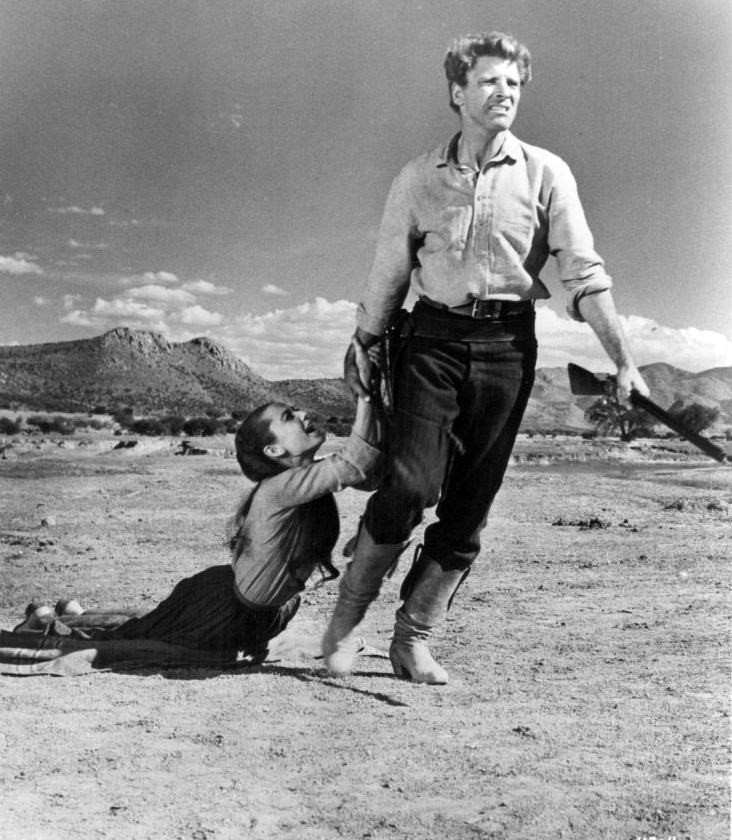
From Circus Rings to Silver Screens: The Making of a Legend
The transformation was nothing short of cinematic magic. One moment, Burton Stephen Lancaster was performing death-defying feats under canvas tents across Depression-era America. The next, he was mesmerizing Broadway audiences and catching the hungry eyes of Hollywood talent scouts who recognized something electric in his presence.
When “The Killers” exploded across movie screens in 1946, audiences witnessed the birth of a new kind of leading man. Opposite the smoldering Ava Gardner, Lancaster didn’t just act—he inhabited the frame with a physicality that spoke of real danger, real passion. This wasn’t some pampered pretty boy from the studio system; this was a man who understood risk in his bones.
The film noir’s shadows seemed to bend around his towering frame, and suddenly Hollywood had discovered its most unlikely star. Critics were stunned. Here was an actor who could convey volumes with a simple shift of his shoulders, whose voice carried the weight of genuine experience. The circus acrobat had learned to fly without a net, and now he was soaring through Hollywood’s golden age.
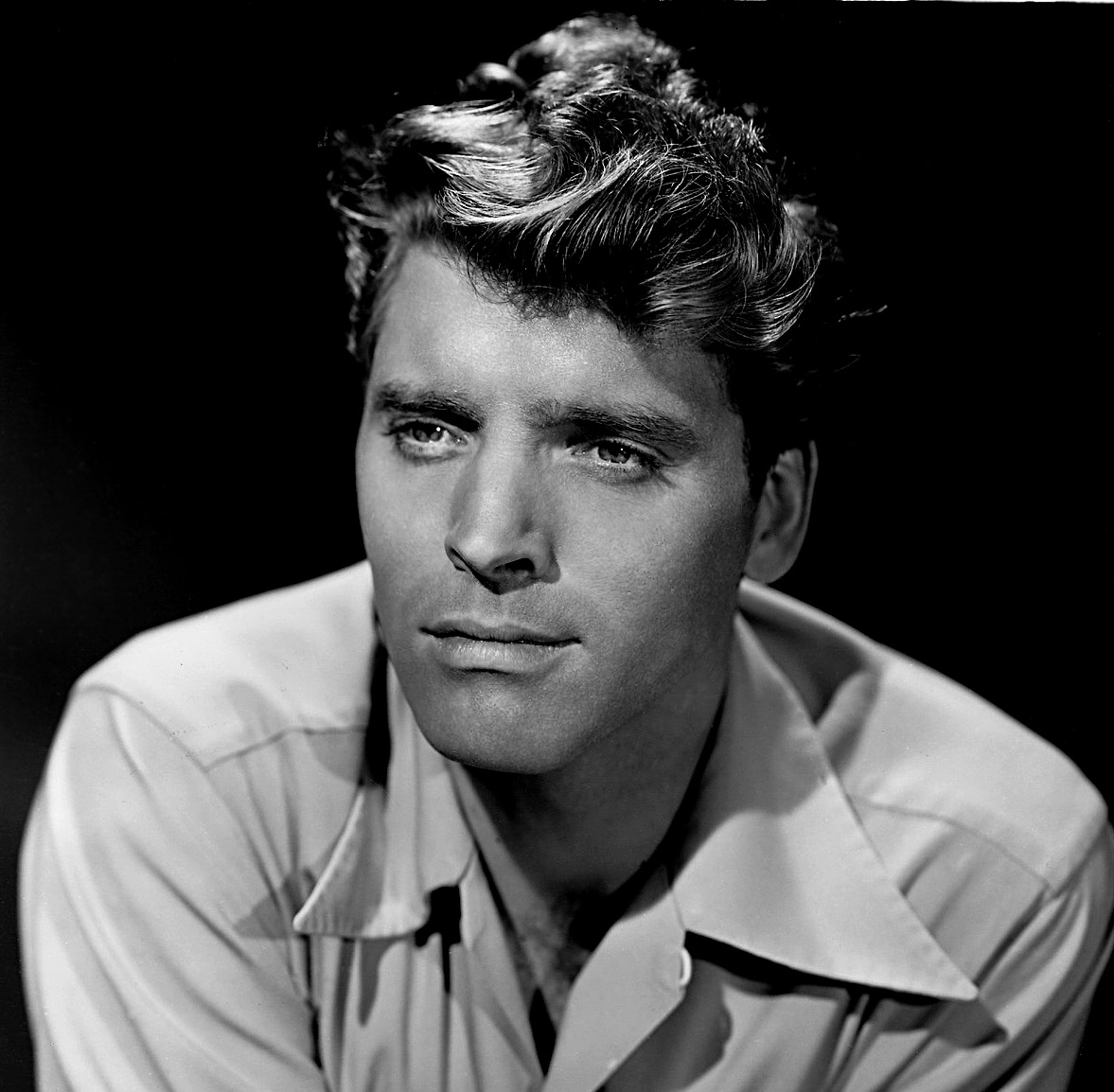
The Enigma Behind the Smile: Lancaster’s Magnetic Screen Presence
What made Burt Lancaster unforgettable wasn’t just his piercing blue eyes or that commanding six-foot frame—it was the mystery he carried like a second skin. On screen, he radiated an intensity that suggested hidden depths, secret knowledge, perhaps even dangerous secrets from his pre-Hollywood past.
His partnership with Kirk Douglas crackled with an almost telepathic chemistry, their on-screen rivalry masking what industry insiders knew was a complex professional relationship built on mutual respect and carefully managed egos. When they faced off in “Gunfight at the O.K. Corral,” audiences could sense the real tension sparking between two alpha males who understood each other too well.
Lancaster’s production company, Hecht-Hill-Lancaster, became one of the most successful independent ventures of the 1950s, but success came with a price. The man who once trusted his life to circus partners now had to navigate the treacherous politics of Hollywood power plays, where a handshake could launch careers or destroy them.
Behind those steely eyes lay the soul of an artist constantly pushing boundaries—from the acrobatic spectacle of “Trapeze” to the dark psychological depths of “Sweet Smell of Success.” Each role revealed another layer of a man who seemed to be perpetually reinventing himself, but what was he running from? What drove this relentless pursuit of perfection?
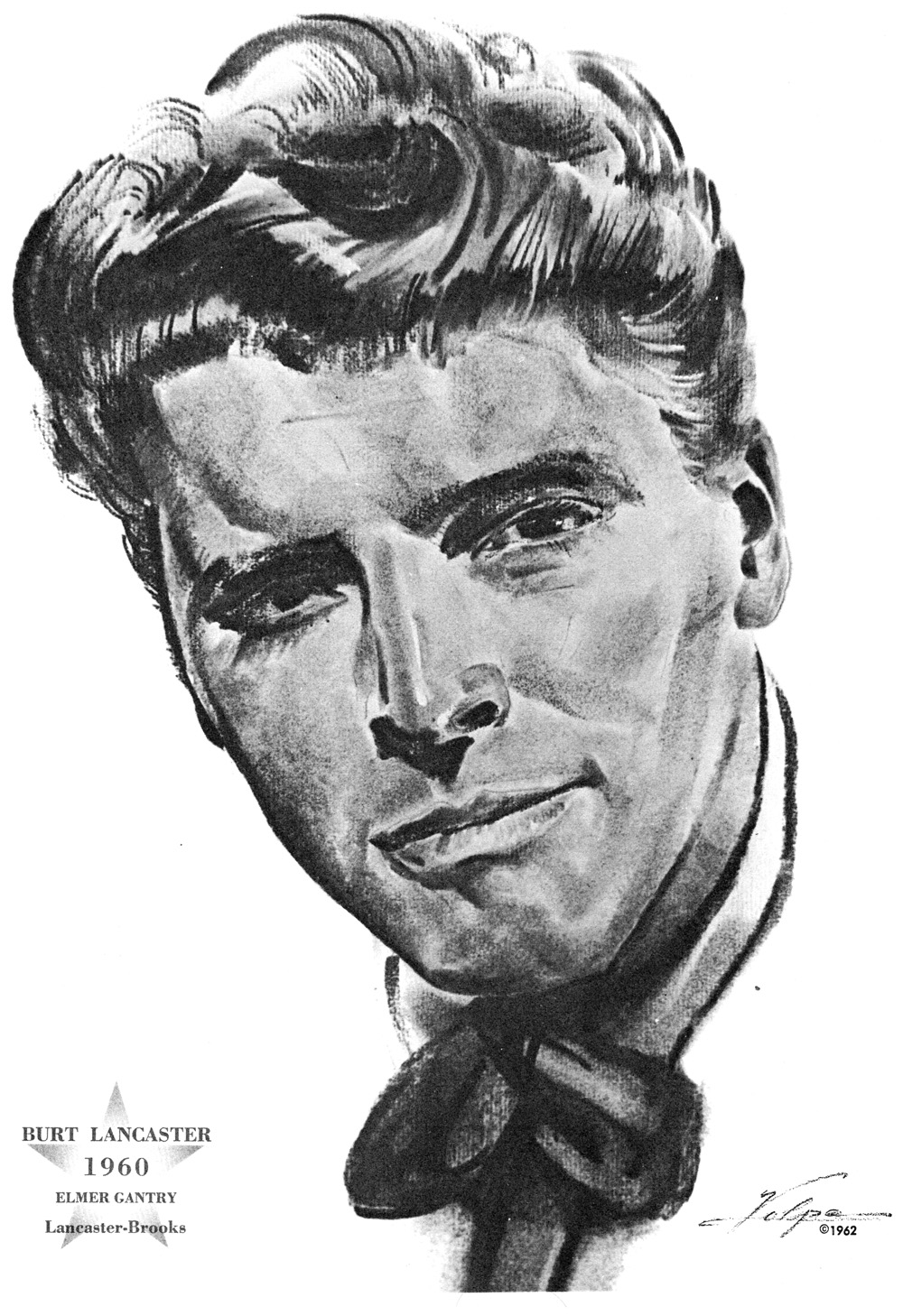
The Weight of Greatness: When Success Becomes Its Own Prison
The Oscar for “Elmer Gantry” should have been the crown jewel of Lancaster’s career. Playing a charismatic con-man religious revivalist, he delivered a performance so raw, so electrically dangerous, that it seemed to channel something primal from his own depths. But awards ceremonies can’t capture the cost of such naked vulnerability.
As Lancaster aged, his choices became increasingly bold and uncompromising. He portrayed a Nazi war criminal in “Judgment at Nuremberg,” diving into moral complexity that lesser actors would have avoided. In “Birdman of Alcatraz,” he disappeared so completely into the role of a convicted murderer turned ornithologist that audiences forgot they were watching the same man who had once swung through circus air.
But perhaps the most revealing performance came in 1968’s “The Swimmer,” a surreal psychological drama that initially baffled audiences and critics alike. Here was Lancaster, approaching sixty, still in remarkable physical condition, portraying a man swimming through suburban pools while his reality slowly disintegrated. The film’s initial failure stung, but its later recognition as a cult masterpiece speaks to Lancaster’s willingness to risk everything for artistic truth.
The stroke that ended his career in 1990 seemed almost cruel—this man who had built his life on physical mastery, reduced to watching from the sidelines. But even then, he had managed one final, perfect note: his gentle portrayal of Moonlight Graham in “Field of Dreams,” a performance that felt like a whispered goodbye to the magic of movies themselves.
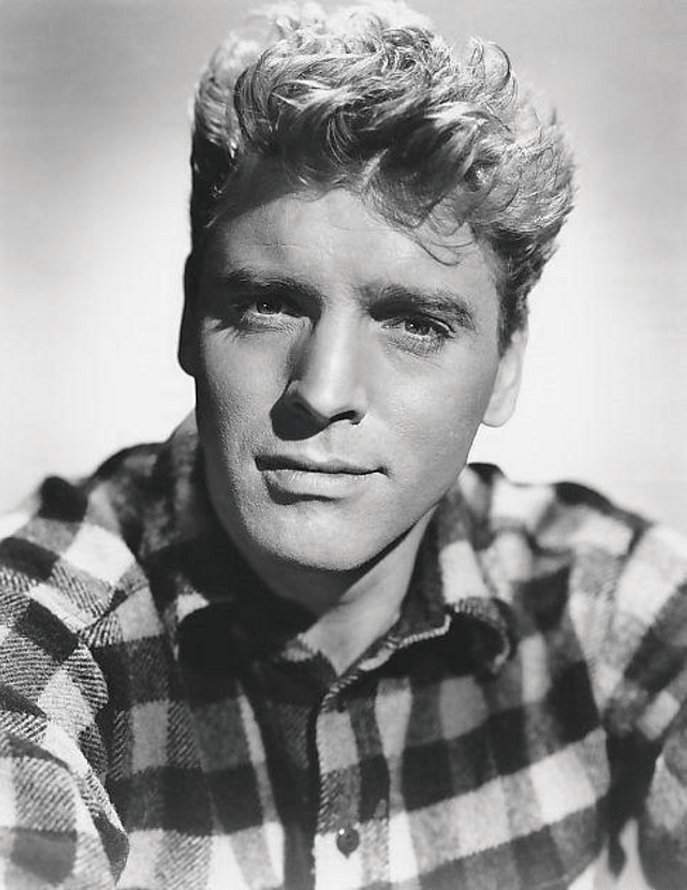
The Last Acrobat: A Legacy Written in Light and Shadow
Four years after that devastating stroke silenced one of Hollywood’s most distinctive voices, Burt Lancaster’s heart finally stopped beating. But the mystery of the man endures, flickering across countless midnight movie screenings and classic film retrospectives.
What secrets did he carry from those circus days that shaped every moment of his forty-five-year career? The American Film Institute ranked him as the nineteenth greatest male star of classic Hollywood, but numbers can’t capture the enigma of a man who seemed to live multiple lives within a single extraordinary existence.
Perhaps that’s Lancaster’s greatest magic trick—he left us with more questions than answers. In an industry built on illusion, he somehow managed to hide his truest self in plain sight, performing the ultimate high-wire act without ever letting us see the net.
The boy who learned to fly under circus tents became the man who taught Hollywood how to soar, but what drove him to keep climbing higher, even as the ground grew further away? That secret died with him, leaving only the flicker of celluloid memories and the lingering sense that we’ve only glimpsed the surface of a much deeper, more fascinating story.
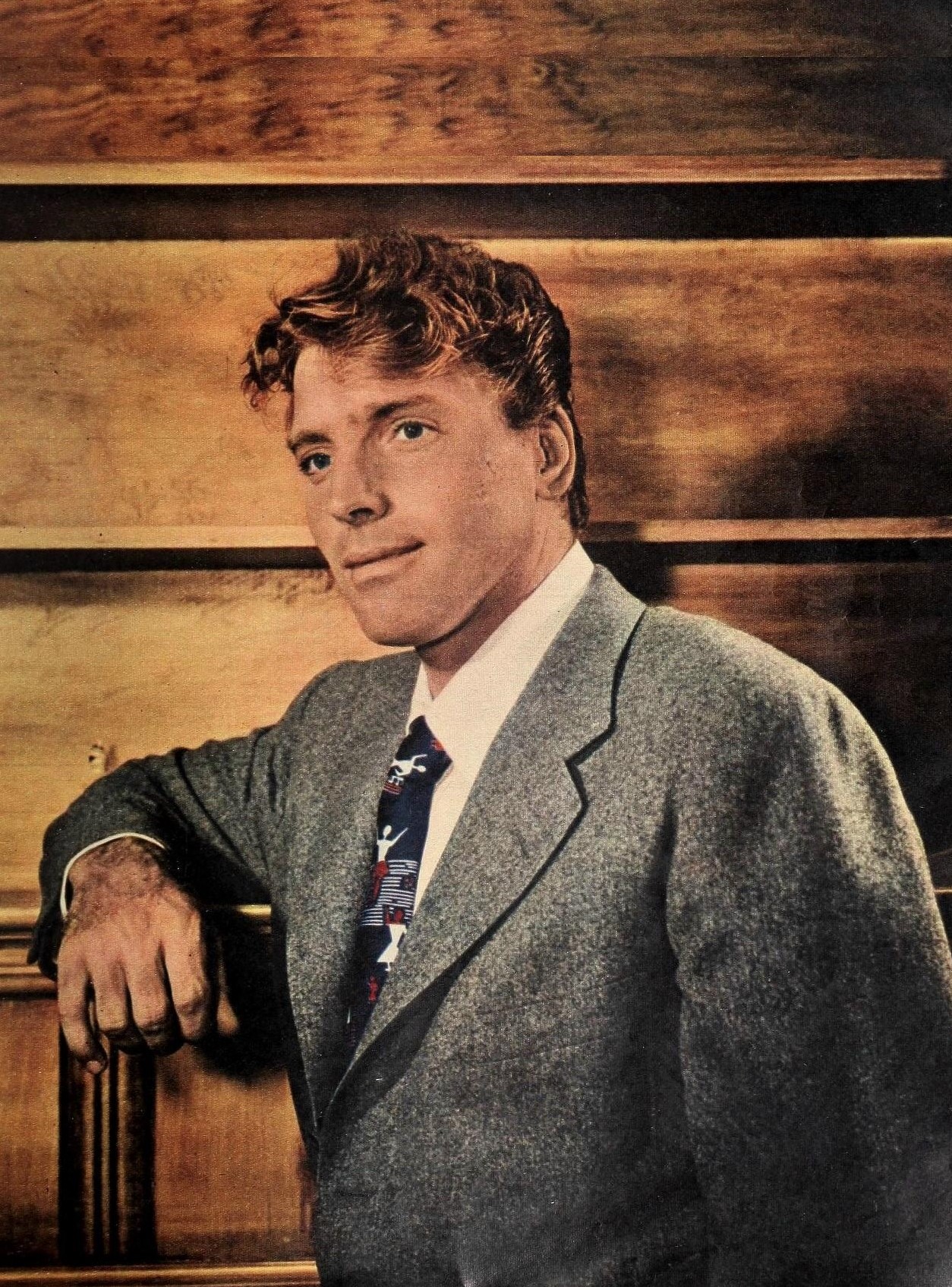
Photos via Wikimedia Commons (public domain / Creative Commons).