
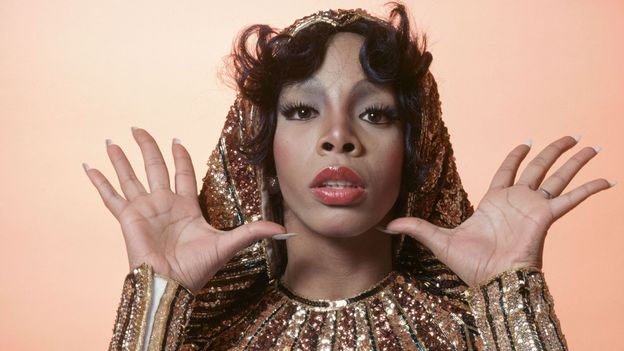

The year was 1979, and the world was spinning under the mirrored disco ball of Studio 54. Donna Summer reigned supreme as the undisputed queen of the dance floor, her voice floating over the hypnotic, electronic pulses of Giorgio Moroder productions. Everyone expected more of the same—sultry melodies and rhythmic perfection. But then, she dropped a bombshell that left the industry reeling. With the release of Hot Stuff, Donna Summer did the unthinkable: she abandoned the polished disco aesthetic for a raw, bluesy, and unapologetically gritty rock anthem. It was a stylistic pivot that felt like a slap in the face to her core fan base, yet it remains one of the most daring career moves in music history.
To understand the gravity of this change, you have to remember the cultural climate of the late seventies. Disco was a religion, yet it was beginning to face a vitriolic, often exclusionary, anti-disco backlash. By leaning into heavy electric guitars and a growling vocal performance, Donna Summer was not just experimenting with sound; she was desperately seeking to break out of the gilded cage that the disco genre had built for her. She wanted to be seen as a musician, not just a muse for club-goers wearing polyester. When that blazing guitar solo tore through the speakers, it wasn’t just a song—it was an act of artistic defiance against the expectations of the record label and the radio programmers.
Behind the scenes, the pressure on the Queen of Disco was immense. The industry was obsessed with categorizing artists to ensure profitability, and a black female artist venturing into the territory of white-dominated rock radio was seen as commercial suicide. Yet, the authentic fire in her performance proved everyone wrong. Donna Summer brought a soulful, human edge to a genre that was becoming increasingly synthetic. She bridged the gap between the underground clubs and the stadium rock arenas, proving that a voice as powerful as hers could transcend any label. It was a moment of sheer audacity that reminded everyone of her versatility and strength.
Today, when we look back at the era of the Walkman and the evolving landscape of MTV, the impact of this transition is impossible to ignore. Donna Summer managed to secure a Grammy for Best Female Rock Vocal Performance for the track, effectively silencing critics who thought she was a one-trick pony. This achievement remains a testament to her refusal to be pigeonholed. She walked the fine line between genres with an elegance that few could replicate. It serves as a reminder that the artists we idolize often struggle against the very shadows of the success they have built.
Even decades later, the grit of that 1979 sound still hits with a modern urgency. Her journey from the disco floor to the rock charts captures the essence of a tumultuous decade, highlighting the conflict between personal evolution and public perception. Donna Summer showed us that legends aren’t defined by their most famous hits, but by their courage to reinvent themselves when the world least expects it. So, the next time you hear that iconic riff, remember the woman who dared to trade her sequins for a leather jacket, changing the course of her legacy forever.