
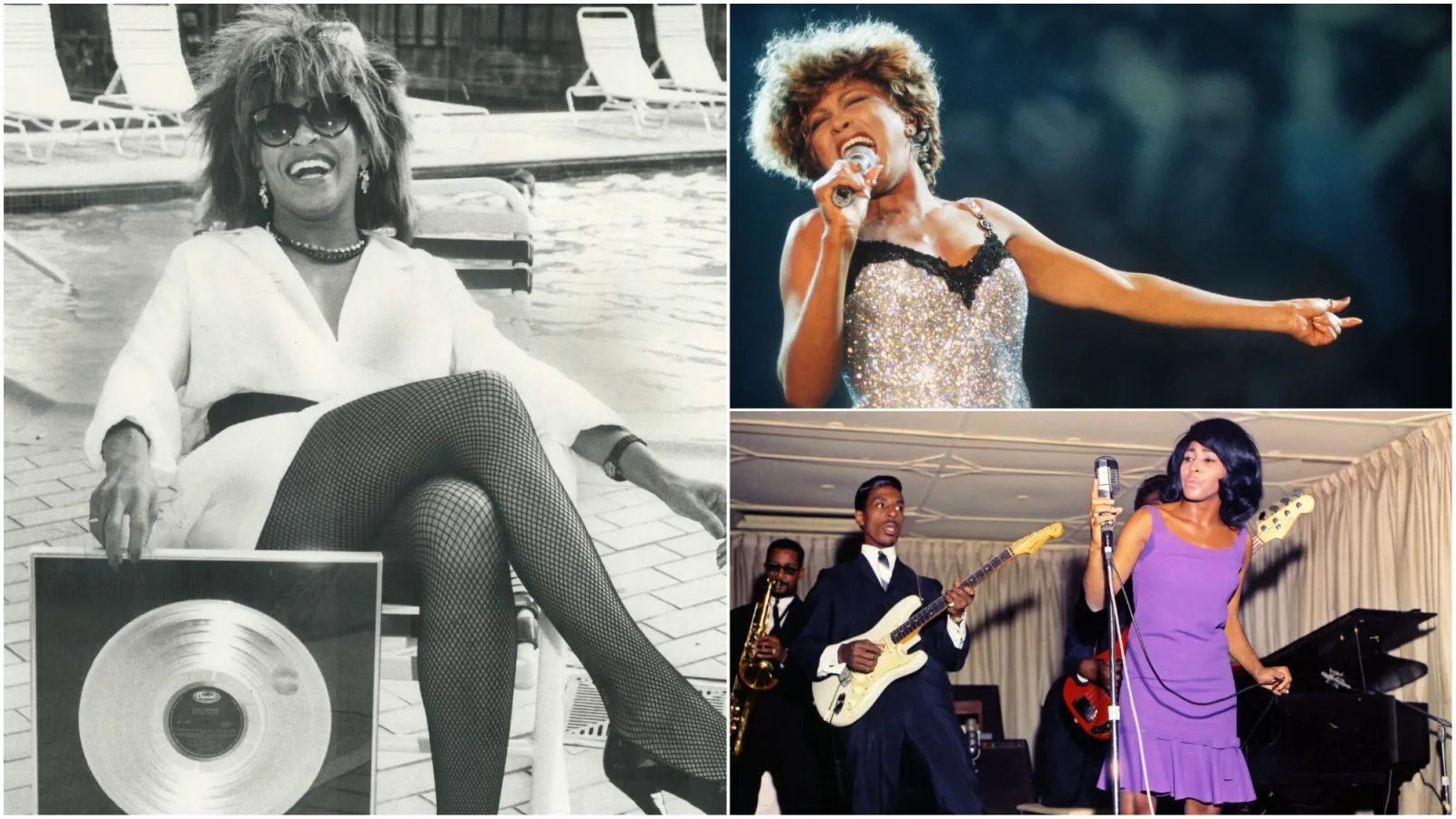
In the neon-soaked haze of 1984, the music industry was undergoing a radical metamorphosis. MTV had become the new altar where legends were born, and synthesizers were replacing the raw, gritty soul of the previous decade. Amidst this backdrop, a woman who had already survived hell and back was fighting to reclaim her throne. Tina Turner was not just a singer; she was a force of nature, a survivor of an abusive marriage, and a woman who had been discarded by record labels as a ‘has-been.’ When she was presented with a demo for a track titled What’s Love Got to Do with It, her reaction was far from the triumphant reception one might expect. In fact, Tina Turner flat-out hated the song.
To the ears of a performer who had built her reputation on the sweat and fire of rhythm and blues, the song felt alien. Tina Turner famously described the track as wimpy and terrible. She wanted grit, she wanted soul, and she wanted the kind of thunderous power that she had wielded during her years with Ike. She viewed the pop-leaning composition as a betrayal of her musical identity. It was a moment of profound artistic conflict, a snapshot of an artist standing at a crossroads between the raw, analog past and the polished, radio-friendly future that was consuming the airwaves of the eighties.
Yet, there was an undeniable resilience in Tina Turner that forced her to reconsider. Despite her reservations, she stepped into the studio, determined to make the song her own. She didn’t just sing the lyrics; she deconstructed them. She infused the track with a cynical, weary wisdom that transformed a simple pop ditty into a haunting anthem of independence. When she delivered those iconic lines, she wasn’t just performing; she was narrating the scars of her own life. The result was an immediate sonic masterpiece that topped the charts and proved that Tina Turner was not a relic of the past, but the defining voice of a new generation.
This transformation remains one of the most compelling stories in music history because it highlights the friction between artistic integrity and commercial survival. Tina Turner was pushed to the edge, and instead of crumbling, she bent the music to match the intensity of her own spirit. The song became the anchor of her comeback, playing from every Walkman across the country and solidifying her status as a global icon. It wasn’t just a hit; it was a reclaiming of power by a woman who had been silenced for too long.
Today, when we listen to the timeless groove of that 1984 record, we aren’t just hearing a pop song. We are hearing the sound of a woman refusing to let her legacy be dictated by anyone but herself. Tina Turner taught us that sometimes, the greatest art comes from the tension between what we are given and what we are willing to fight to become. The next time you hear those familiar opening chords, remember the woman who hated the song but loved her own voice enough to make it legendary.