
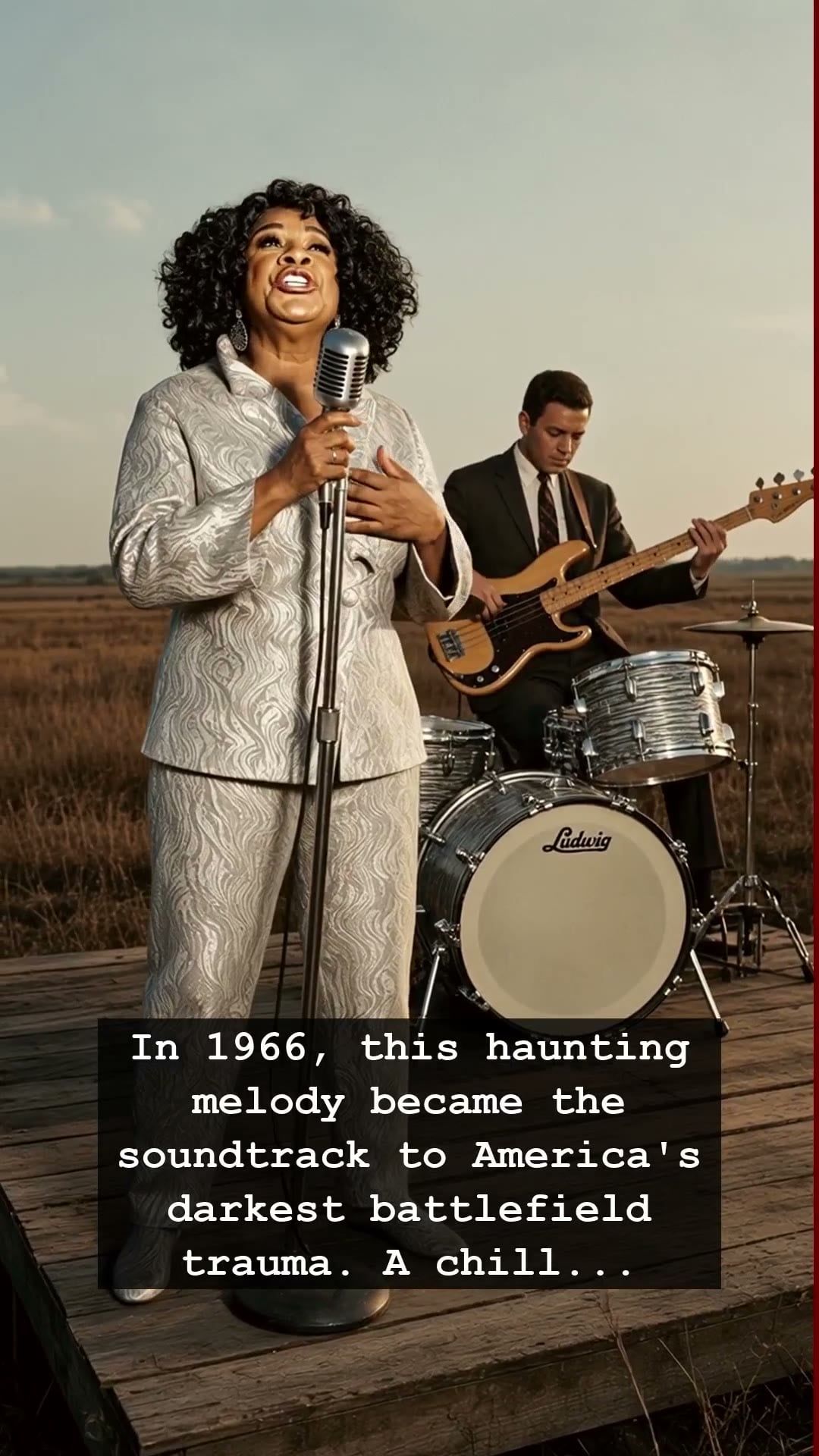
In 1966, a haunting, hypnotic melody began crawling out of radios and jukeboxes across America, forever shifting the landscape of rock music. When the opening notes of The Rolling Stones hit Paint It Black vibrated through the air, listeners were met with something darker than the pop hits of the era. With Brian Jones’s exotic, mournful sitar line slicing through the gritty guitar riffs, the track did not just capture the mood of the Swinging Sixties; it tapped into a burgeoning collective trauma. For a generation of young men being drafted into the thick, humid jungles of Southeast Asia, this song became the involuntary soundtrack to a war that refused to offer any easy answers.
At the time of its release, The Rolling Stones were positioning themselves as the dangerous, rebellious counterparts to the polished veneer of their British Invasion peers. Mick Jagger’s raw, pleading vocals and Keith Richards’ driving, melancholic chords created a sonic atmosphere of total desolation. While many back home were caught up in the neon glow of pop culture, the lyrics of Paint It Black resonated deeply with the isolation and nihilism experienced by soldiers on the ground. The song became a permanent sonic scar, playing in the background of barracks and helicopter rides, turning into a chilling anthem that marked the transition from youthful idealism to the brutal reality of the battlefield.
Behind the scenes, the recording session was a frantic experiment in musical texture. Brian Jones, ever the restless visionary, had spent time learning the sitar, and his decision to bring that Indian influence into a rock track was a radical move that defined the band’s psychedelic evolution. Yet, beneath the innovative production, there was an unmistakable sense of grief. The Rolling Stones managed to capture the feeling of a world losing its color. For veterans returning home to a country that was rapidly fracturing, the song served as a visceral, painful anchor to the memories they tried to suppress but could never truly escape.
Decades later, the haunting echoes of Paint It Black remain tethered to the history of the Vietnam War. It is a rare piece of art that managed to bridge the gap between the studio and the trenches. Unlike the protest anthems of the period, The Rolling Stones created something internal—a song about the darkness that resides within the human mind when confronted with impossible loss. It is this emotional weight that keeps the track relevant; it is not just a song, but a time capsule of a lost era.
When we listen to it today, we are not just hearing a classic rock hit; we are hearing the heartbeat of a generation that saw too much. The brilliance of The Rolling Stones in 1966 was their ability to articulate a collective sorrow that had no words. As long as those strings continue to vibrate, the memories of those who lived through the era will never fully fade. Next time the song plays, listen closely to the sitar—it is still whispering the secrets of a generation that changed music forever.