
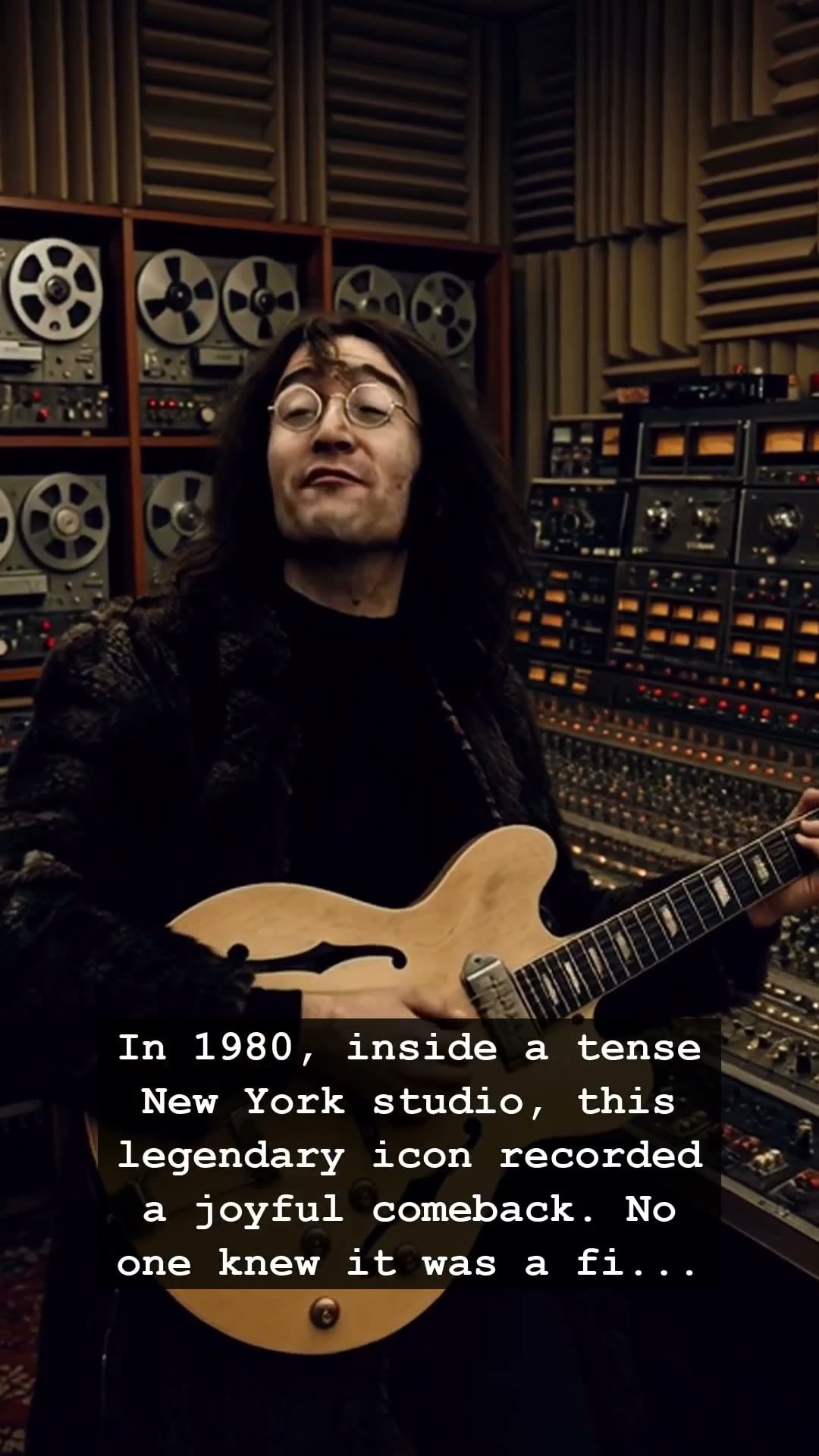
In late 1980, the air in the Hit Factory studio in New York City felt electric, yet strangely fragile. John Lennon, the man who had defined a generation as the heart of The Beatles, was emerging from a five-year self-imposed exile to raise his son, Sean. To the world, the release of Double Fantasy promised a triumphant return to the spotlight, a new dawn for an icon who had seemingly found domestic peace. The sessions were filled with the bright, optimistic melodies of a man in love with life again. Yet, beneath the cheerful veneer of tracks like Just Like Starting Over, there was a haunting, unseen tension that no one could have possibly anticipated at the time.
John Lennon had spent the 1970s battling the weight of his own myth, struggling with the fallout of the Beatles’ dissolution and the intense pressure of constant public scrutiny. When he walked into the studio, he wasn’t looking to reclaim the throne of rock royalty; he was simply looking to express the quiet stability he had discovered in the suburbs of New York. The resulting album was a diary of his transformation, capturing a man who had finally traded the chaos of his psychedelic past for the simple warmth of a hearth. The sessions were marked by a sense of urgency, as if John Lennon knew deep down that his time to speak his truth was running short.
Listeners of the era, accustomed to the gritty rebellion of the post-disco landscape and the rise of MTV, were caught off guard by the sheer vulnerability of his voice. There was a raw, unvarnished sincerity in his delivery that felt miles away from the synthetic polish starting to dominate the airwaves. Every chord progression, every layered harmony, sounded like a final letter being written to a world he had changed forever. It is impossible to listen to those recordings today without a shiver, knowing that the man behind the microphone was merely weeks away from the tragic December evening that silenced his creative genius for good.
The irony is cruel. The world received John Lennon back with open arms, ready for a new chapter, only for the narrative to conclude in a sudden, senseless act of violence. That joyful comeback record, which was meant to be the first of many, instantly transformed into a sacred artifact of loss. It remains a poignant reminder of how fragile greatness truly is, capturing the exact moment when a legendary spirit was at its most content. Even now, decades later, the ghost of his voice lingers in the static of the radio, a permanent, heartbreaking goodbye that never stops echoing.
As we look back at the landscape of 1980, we don’t just see the birth of synth-pop or the evolving sounds of rock; we see the permanent absence of a visionary. John Lennon taught us that music is more than just melody; it is a testament to the human condition. When you spin those tracks today, listen closely to the joy he poured into the studio. It was his final gift to us, a bright flame of optimism that continues to burn in the hearts of those who still hold his legacy dear.