
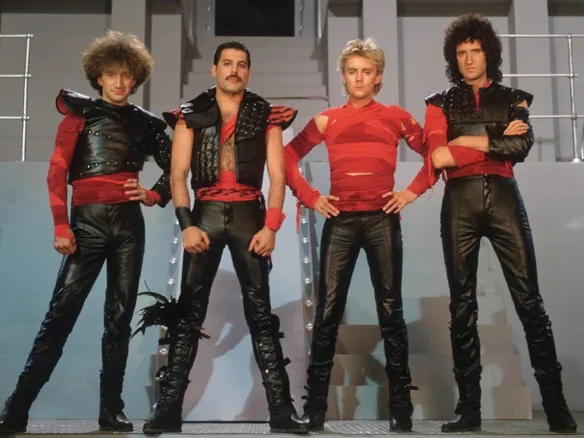

In the sweltering summer of 1975, the halls of Rockfield Studios were filled with a sound that had no precedent. It was not just a song; it was a sonic rebellion against every industry rulebook of the era. The suits at the record label were terrified, dismissing the six-minute epic as absolute radio suicide. They told Freddie Mercury and the rest of Queen that it was too long, too complex, and far too strange for the airwaves. Yet, standing on the precipice of legend, Queen refused to compromise their vision. They knew they were crafting something that would shatter the status quo of 1970s rock music forever.
To understand the magnitude of this gamble, you have to picture the mid-seventies music landscape. The radio was dominated by tight, three-minute pop singles, and the idea of blending hard rock with high-concept opera seemed like commercial insanity. But the members of Queen—Freddie, Brian May, Roger Taylor, and John Deacon—were not interested in playing it safe. They spent weeks in the studio, layering vocal tracks until the magnetic tape became so thin it was essentially transparent. They were physically wearing down the medium to build a masterpiece, pouring every ounce of their creative frustration and ambition into the recording sessions.
Bohemian Rhapsody was more than just a track on an album; it was the ultimate high-wire act of the glam rock era. Behind the scenes, the atmosphere was thick with tension and perfectionism. Legend has it that the band kept the tape rolling through endless takes, pushing their voices to the brink of collapse to achieve that lush, multi-tracked operatic choir sound. This was an era before digital editing, where every harmony had to be performed live and stacked with analog precision. The sheer audacity of the production was a mirror to the band’s own internal dynamics—a group of artists bonded by their uncompromising refusal to fit into any mold.
When the track finally hit the airwaves, it broke every barrier in its path. It transformed from a feared catastrophe into a cultural phenomenon that defined the spirit of the decade. It turned the Jukebox into a cathedral and became the defining anthem for a generation that was hungry for something deeper than the standard radio fare. The success of Bohemian Rhapsody didn’t just change the trajectory of Queen; it fundamentally altered how the world perceived what a rock band was capable of achieving.
Decades later, the song remains an untouchable titan of music history. It resonates because it captures a raw, human desire to transcend the ordinary. Every time that iconic opening piano riff plays, we are transported back to a time when music felt dangerous, magical, and entirely transformative. Queen proved that when you bet on your own genius, even the industry experts are forced to listen. As the final notes echo through time, we are reminded that some legends don’t just survive the test of history—they write it.