
Marlon Brando could reduce a director to tears with a single glance, but the man audiences called the greatest actor of his generation was, underneath it all, still a boy waiting for his father’s approval.
He rarely spoke of it publicly, but those closest to him knew the truth: the rage, the tenderness, the sudden silences on set all traced back to a house in Omaha he could never fully leave behind. What exactly happened inside those walls?
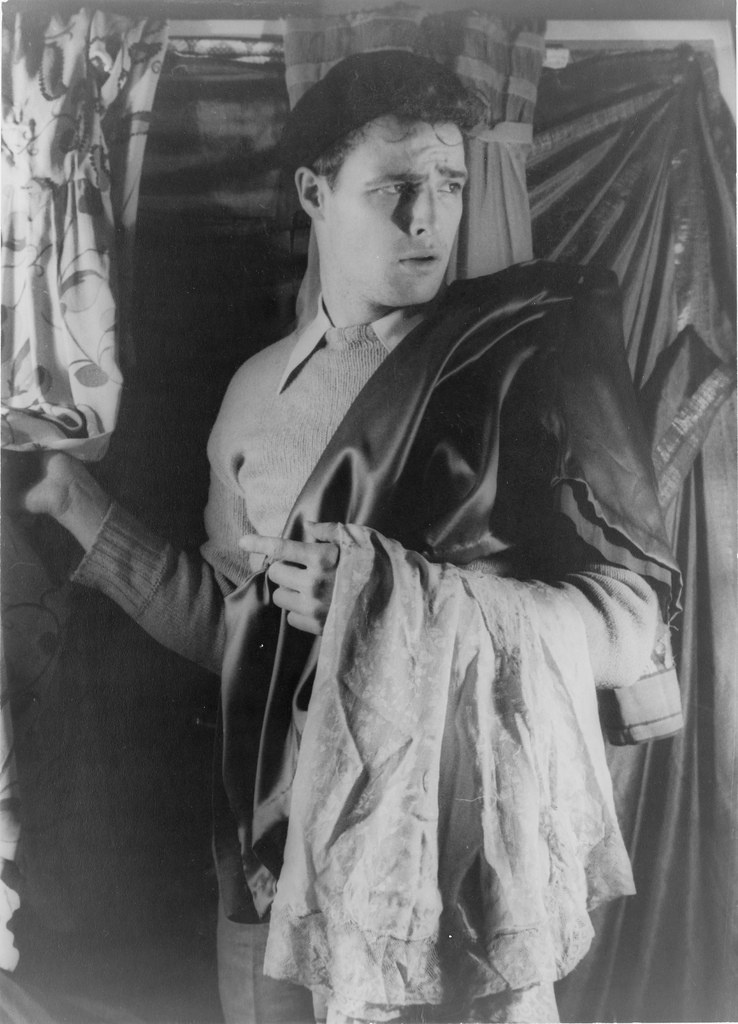
From Omaha Shame to Broadway Sensation
Brando’s father, a traveling salesman, was distant and often cruel, dismissing his son as a failure who would never amount to anything. His mother, Dodie, was a gifted but troubled woman whose drinking left young Marlon caring for her instead of the other way around. He fled to New York at nineteen, landing at the Actors Studio under Stella Adler, and within years his raw, unpredictable performance in A Streetcar Named Desire stunned Broadway. Waterfront followed, then an Oscar. Critics called it genius. Few realized they were watching a survival mechanism perform in front of them.
A Mind Built on Bracing for Impact
Friends described Brando as hypersensitive, constantly scanning rooms and people the way a child scans a volatile parent’s mood. He was generous to strangers, especially troubled kids, yet volatile with those closest to him. Directors learned that praise unsettled him more than criticism ever could — he simply didn’t trust it. That contradiction, tenderness wrapped around distrust, became the emotional signature of nearly every character he played.
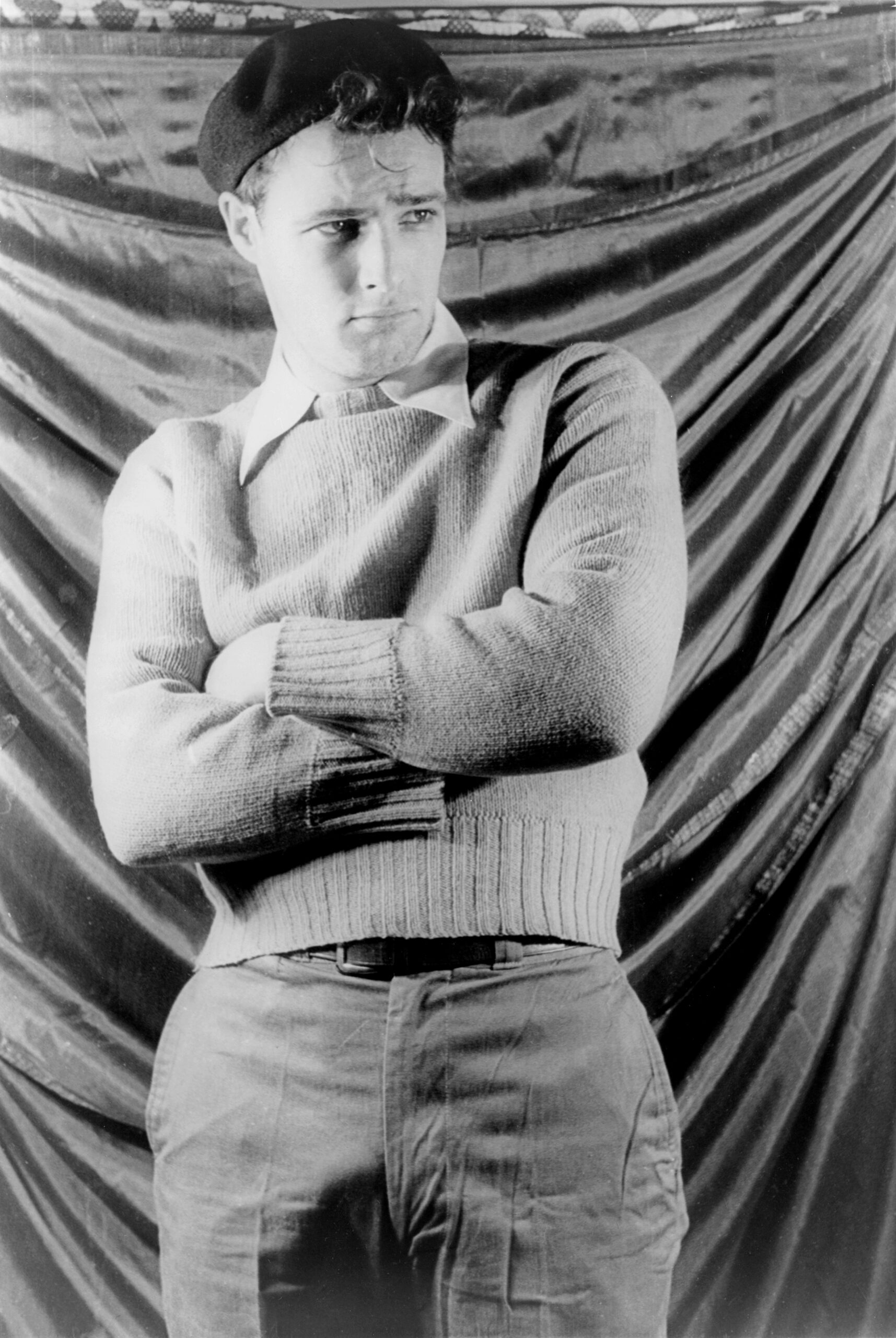
The Words He Never Stopped Repeating
In his memoir, Brando finally confirmed what insiders had long whispered: his father once told him bluntly he’d never be good for anything. Brando kept that sentence buried for decades, only admitting late in life how it echoed through every audition, every marriage, every night he couldn’t sleep. He confessed that even at the height of his fame, some part of him still believed his father’s verdict was the truth.
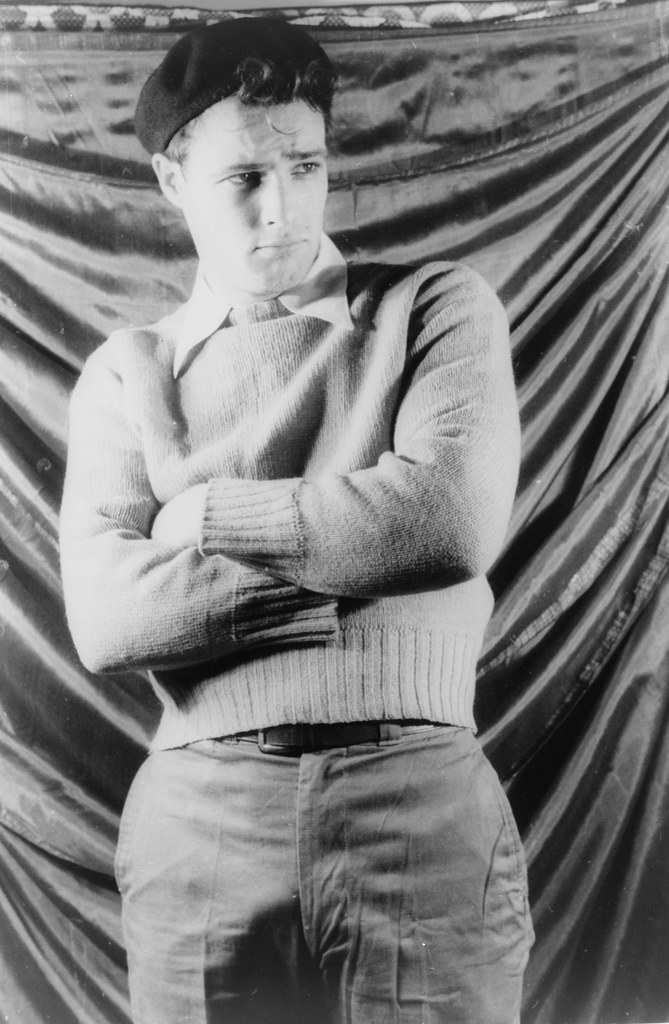
The Wound That Redefined American Acting
That unhealed wound didn’t just haunt Brando privately, it reshaped an art form. His refusal to perform emotion he didn’t feel, his insistence on vulnerability over polish, became the foundation of modern Method acting, influencing everyone from Pacino to De Niro. Today, acting students still study his work without knowing the private cost behind it, a legacy built on pain he spent a lifetime trying to outrun.
Photos via Wikimedia Commons and Openverse (public domain).