

Most film icons need decades and dozens of roles to build a legacy. James Dean needed three films and less than eighteen months. It remains one of the strangest, most improbable facts in Hollywood history.
Nearly seventy years after his death, his brief, blazing filmography continues to define what an entire generation of actors have tried to imitate ever since.
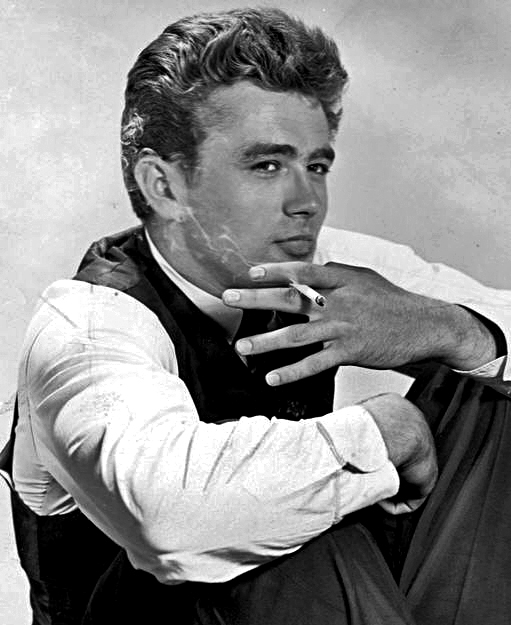
A Method Actor Arrives in Hollywood
Dean trained at the famed Actors Studio in New York, absorbing the Method acting techniques pioneered by Lee Strasberg. When he arrived in Hollywood, his raw, improvisational style stood in stark contrast to the more polished performances audiences were used to.
Director Elia Kazan cast him in East of Eden in 1955, drawn to the same restless, vulnerable energy that would define Dean’s brief career. The film earned Dean his first Academy Award nomination, an extraordinary achievement for a screen debut.
Rebel Without a Cause and a Generation’s New Icon
His next film, Rebel Without a Cause, cemented Dean as the voice of a disaffected postwar generation. His red jacket, brooding stare, and portrayal of teenage alienation became instantly iconic, a template that shaped how Hollywood depicted youth culture for decades afterward.
The film’s raw emotional honesty, paired with the tragic timing of Dean’s death just before its release, only deepened its cultural impact.
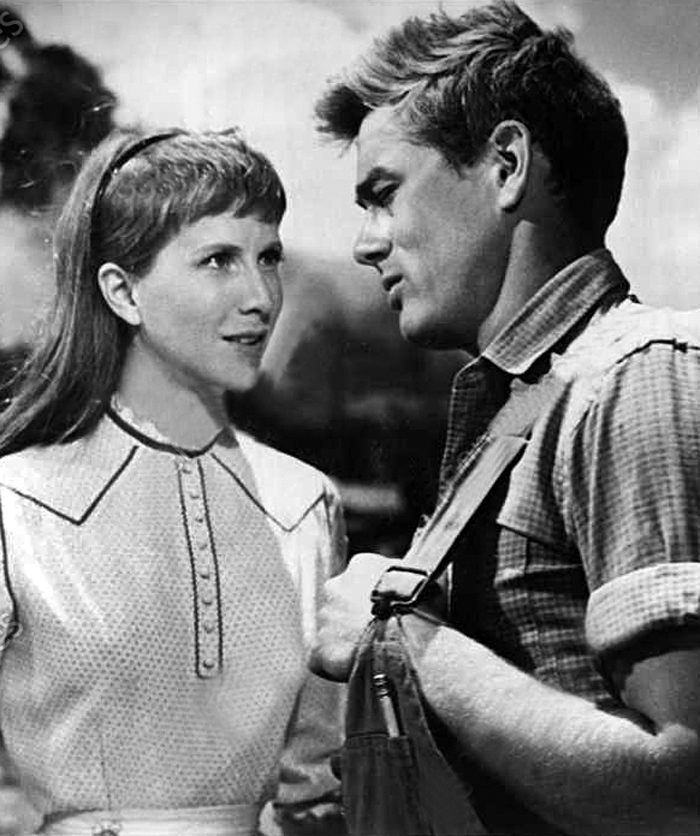
A Final Performance in Giant
Dean’s third and final film, Giant, saw him play an aging Texas ranch hand turned oil tycoon opposite Elizabeth Taylor and Rock Hudson. The performance, released nearly a year after his death, earned Dean his second consecutive posthumous Oscar nomination.
To date, Dean remains one of only a handful of actors ever nominated posthumously more than once, a testament to just how much talent was packed into such a brief career.
A Legacy Built on Almost Nothing, and Everything
Actors from Al Pacino to Leonardo DiCaprio have cited Dean’s short body of work as a formative influence. Film schools still study his three performances as masterclasses in vulnerability and restraint.
It remains one of cinema’s great what-ifs: a career that lasted barely eighteen months, yet somehow left a mark deep enough to outlast careers that spanned fifty years.
Photos via Wikimedia Commons (public domain / Creative Commons).