
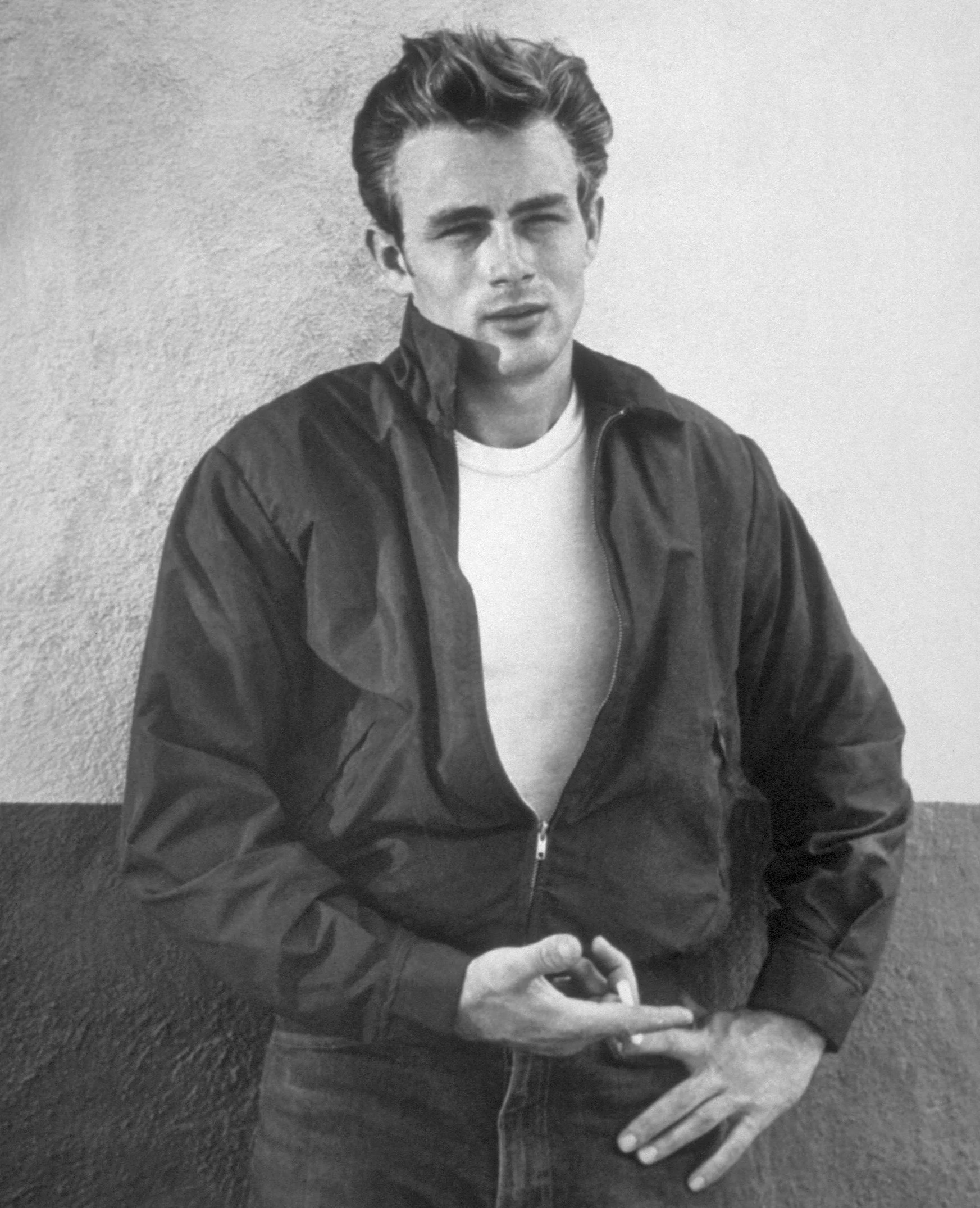
James Dean never saw himself become a legend. When he died on September 30, 1955, only one of his three films had been released. The performance that would define him forever, Rebel Without a Cause, hadn’t even reached theaters yet.
He was twenty-four years old, driving his brand-new Porsche to a road race in Salinas, California, when his life ended on a rural highway intersection.
A Star on the Verge of Everything
By 1955, Dean had already completed East of Eden, Rebel Without a Cause, and Giant, working with some of the era’s most respected directors. East of Eden, released earlier that year, had earned him an Academy Award nomination and instant recognition as one of the most electrifying new talents in Hollywood.
He had recently developed a passion for auto racing, purchasing a Porsche 550 Spyder just days before his death, planning to drive it himself to a race in Salinas rather than trailer it.
The Collision on Route 466
At an intersection near Cholame, California, another driver making a left turn failed to see Dean’s small, low-slung sports car approaching at speed. The two vehicles collided almost head-on. Dean was killed instantly, while his passenger, mechanic Rolf Wütherich, survived with serious injuries.
News of his death shocked Hollywood, arriving just as anticipation was building for the release of Rebel Without a Cause, which studios rushed to premiere only weeks later.
A Premiere the Star Never Saw
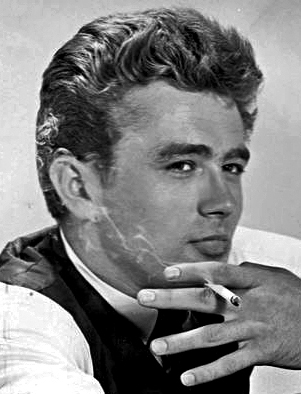
Rebel Without a Cause opened in October 1955, less than a month after Dean’s death, transforming an already anticipated film into a cultural phenomenon steeped in real tragedy. Audiences watched Dean’s raw, restless performance knowing the actor himself was already gone.
Giant, his final completed film, wasn’t released until nearly a year later, meaning audiences continued to see new James Dean performances on screen long after his death.
A Career That Never Truly Ended
Dean received a second posthumous Academy Award nomination for Giant, a rare feat that underscored just how much promise had been cut short. Nearly seventy years later, he remains one of the most enduring symbols of youthful rebellion in American culture.
He completed only three films in his lifetime. It has been enough to keep his legend alive for generations who were never able to see him perform live at all.
Photos via Wikimedia Commons (public domain / Creative Commons).