
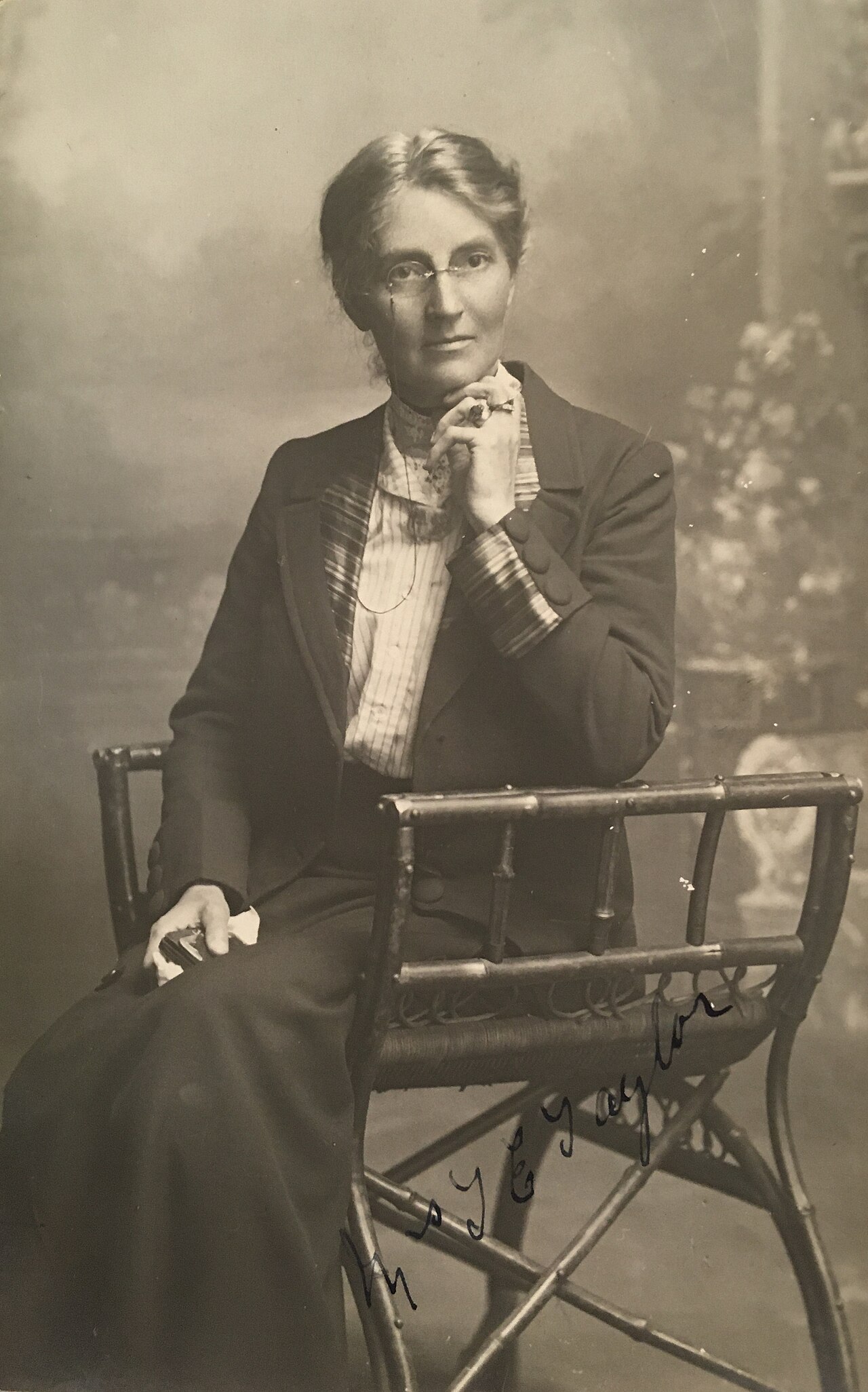
In 1985, most of Hollywood was too afraid to even say the word AIDS out loud. Elizabeth Taylor, one of the most famous women on the planet, decided to make it the fight of her life.
It began with the death of her close friend and former co-star Rock Hudson, and it ended with Taylor becoming one of the most influential AIDS activists in history, using her fame in a way few stars before or since have dared.

A Friendship That Changed Everything
Taylor and Rock Hudson had starred together in Giant back in 1956 and remained close friends for decades. When Hudson revealed publicly in 1985 that he had AIDS, becoming the first major star to do so, Taylor was one of the very few in Hollywood who stood by him openly, refusing to distance herself the way so many others did.
Hudson died just months later. His death, and the shame and silence surrounding it, left Taylor furious at an industry and a country that seemed content to look away.
Turning Grief Into a Movement
Rather than mourn quietly, Taylor threw herself into action. She co-founded the American Foundation for AIDS Research, known as amfAR, becoming its founding national chairman and helping raise hundreds of millions of dollars for research at a time when government funding for the disease was virtually nonexistent.
She testified before Congress, visited hospices, and held dying patients when many of their own families refused to touch them. At a time when misinformation about how AIDS spread was rampant, her willingness to be photographed embracing patients sent a message that words alone never could.

A Legend Who Used Her Platform Without Apology
Taylor later co-founded the Elizabeth Taylor AIDS Foundation, continuing to raise funds and awareness until the very end of her life. She never softened her message to make anyone comfortable, once famously stating that she intended to keep fighting until AIDS was no longer a stigma at all.
Fellow activists often noted that Taylor could have simply lived out her later years enjoying her fame and fortune. Instead, she chose to spend decades in rooms most celebrities avoided entirely.
A Legacy Measured Beyond the Screen
When Taylor died in 2011, tributes poured in not only from the film industry but from the entire HIV and AIDS advocacy community, many of whom credited her with saving countless lives through funding research decades before it became politically safe to do so.
For a woman remembered largely for her violet eyes and eight marriages, it may be this fight, born from losing one friend, that stands as her most enduring legacy.
Photos via Wikimedia Commons (public domain / Creative Commons).