
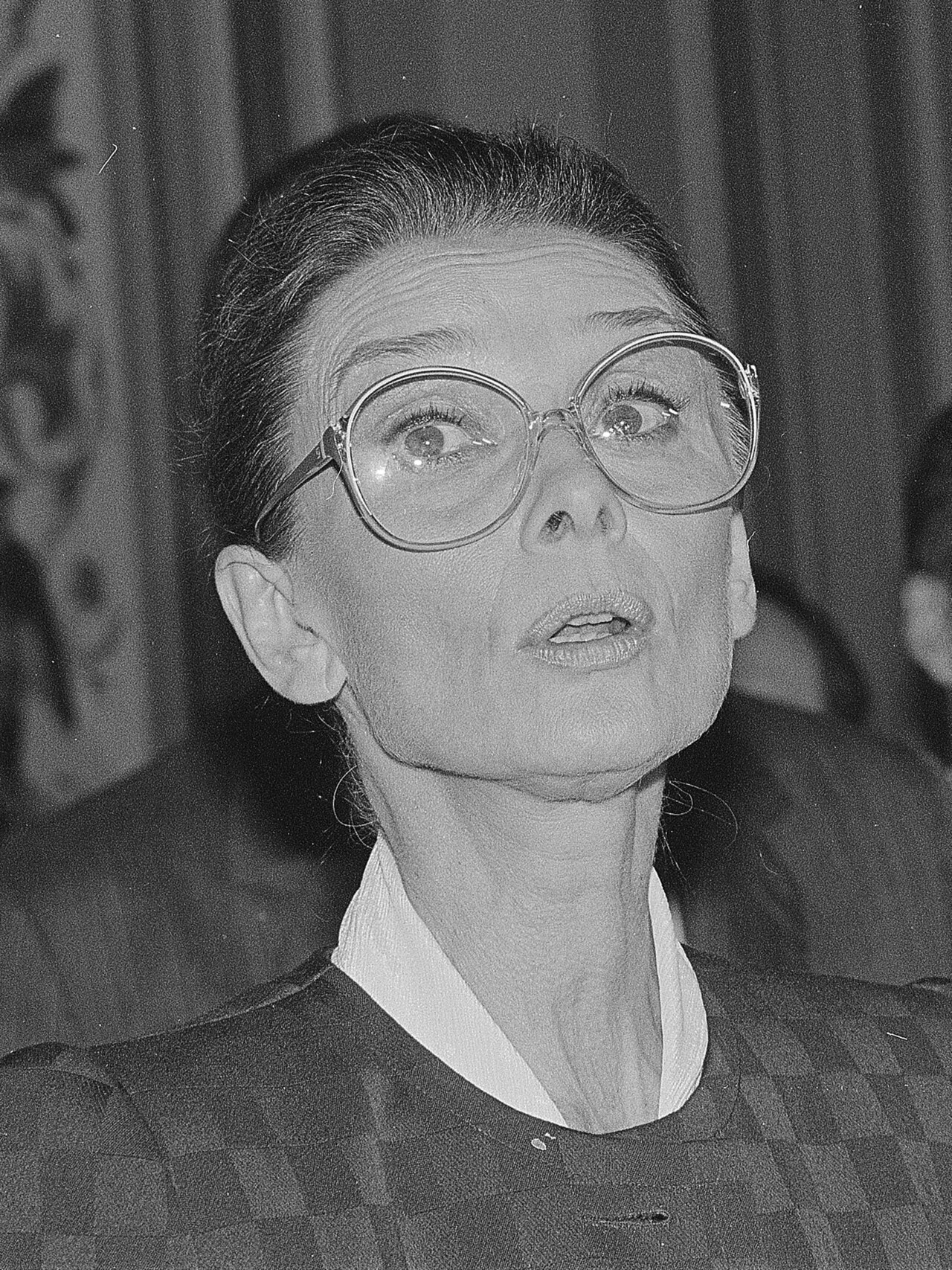
By the early 1990s, Audrey Hepburn had already given the world two lifetimes worth of grace. One as the most luminous star of Hollywood’s golden age. Another, which she considered far more important, as a barefoot ambassador walking through refugee camps and famine zones for UNICEF.
Few people around her noticed how tired she had become. Fewer still knew that the fatigue she brushed off after a grueling trip to Somalia in late 1992 was not exhaustion at all. It was the first sign of something already spreading quietly inside her.
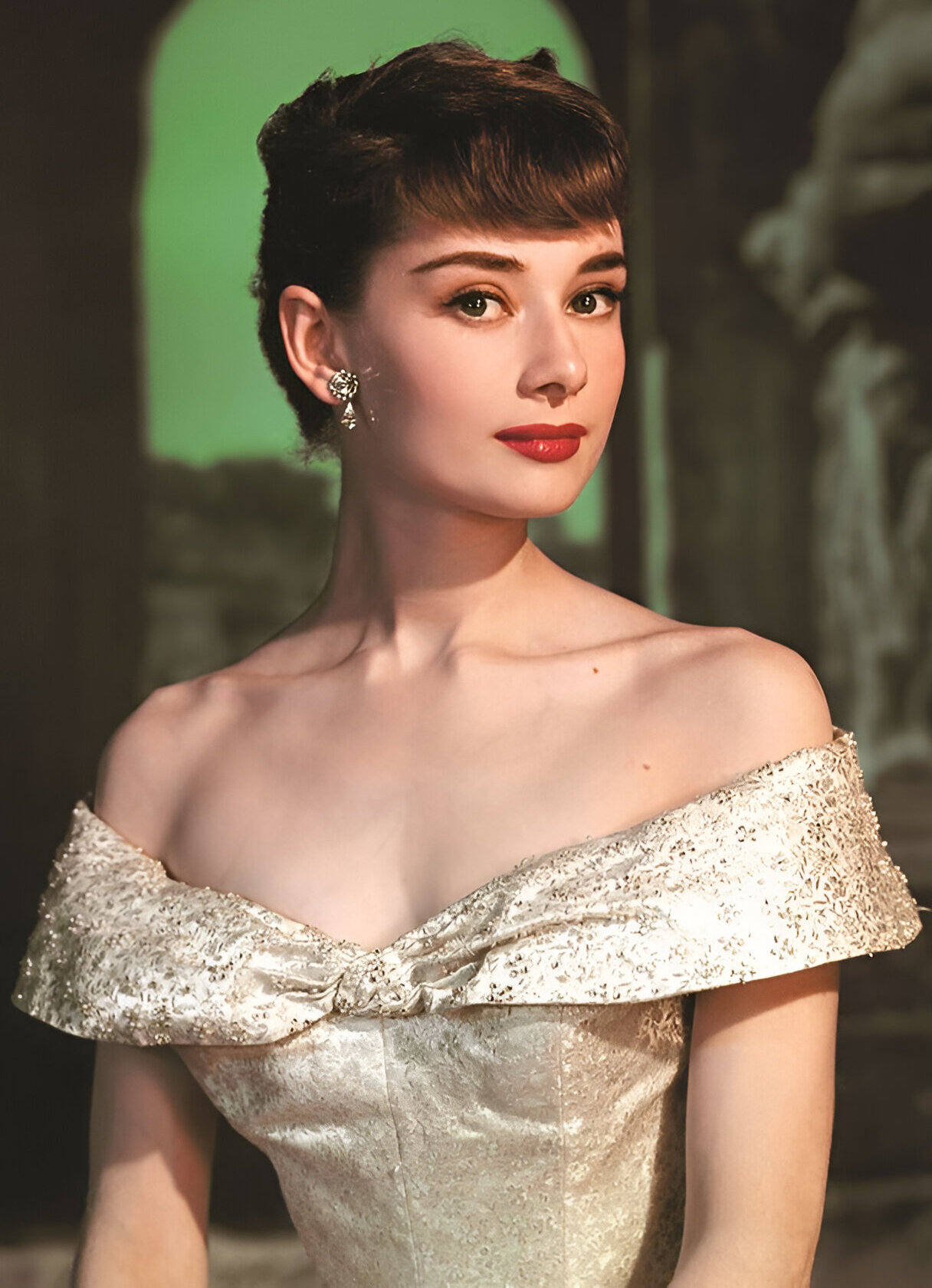
From Movie Star to Barefoot Ambassador
After stepping back from acting in the 1960s, Hepburn spent her later years pouring the same discipline she once brought to a film set into humanitarian work. She became a UNICEF Goodwill Ambassador in 1988, traveling to some of the poorest and most dangerous corners of the world: Ethiopia, Sudan, Bangladesh, El Salvador.
She refused the comforts a star of her stature could easily have demanded. Colleagues remember her insisting on visiting the worst-hit villages personally, holding malnourished children, and speaking to camera without a script, because she believed only honesty could move people to help.
A Grace That Never Faded
Those who worked alongside her in the field described a woman almost unrecognizable from the glamorous image the public still held onto. No makeup. No entourage. Just Hepburn, in simple clothes, spending hours listening to mothers describe losing their children to famine.
Her partner in these final years, actor Robert Wolders, later said she seemed to find a peace in this work that Hollywood had never given her. It was, in her own words, the most important role of her life.
The Diagnosis No One Saw Coming
In late 1992, after returning from a UNICEF mission to Somalia, Hepburn began experiencing persistent abdominal pain. Doctors initially suspected a parasitic infection picked up during her travels. Further tests revealed something far more serious: a rare form of appendiceal cancer that had already spread.
She underwent surgery in November 1992, but the cancer had progressed too far to be fully treated. Rather than spend her final weeks in a hospital, Hepburn chose to return home to Switzerland, to the house she loved, surrounded by her sons and Wolders.
A Final Christmas, and a Legacy That Outlived the Fame
She spent one last Christmas with her family, reportedly reading her favorite poems aloud to her sons. On January 20, 1993, Audrey Hepburn died peacefully at her home in Tolochenaz, Switzerland, at the age of sixty-three.
The tributes that followed focused as much on her humanitarian work as her films. The Audrey Hepburn Children’s Fund, established in her memory, continues to support children’s health programs around the world today. For a woman once defined by Givenchy gowns and a gamine haircut, it was the barefoot years in refugee camps that she considered her truest legacy.
Photos via Wikimedia Commons (public domain / Creative Commons).