
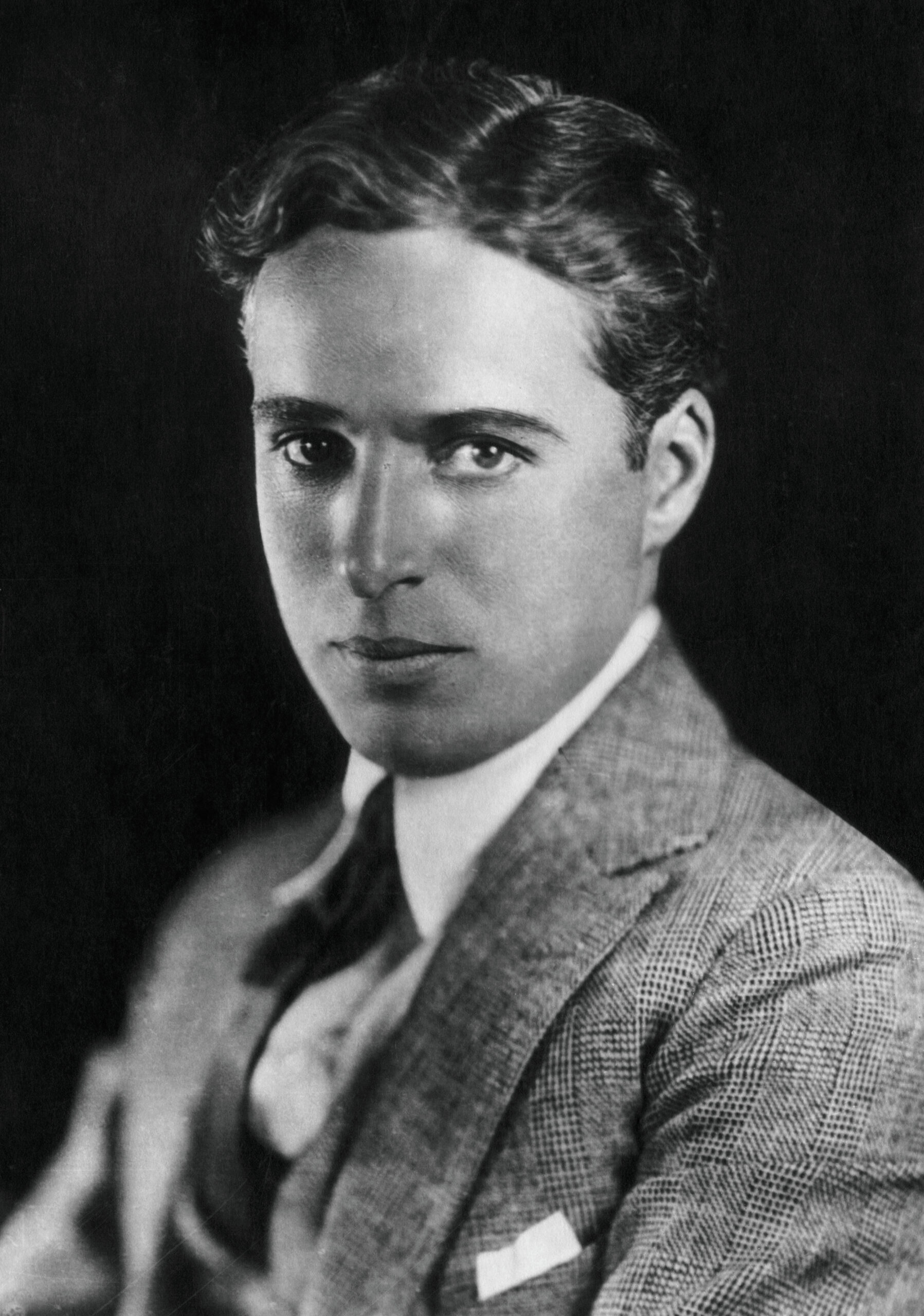
Picture this: It’s 1952, and the most beloved entertainer in the world boards a ship bound for Europe, knowing he may never return to American soil again. Charlie Chaplin, the man who made millions laugh, was fleeing the country that made him a legend. But what could drive America to turn on its most cherished star? What secrets lay buried beneath that famous mustache and bowler hat? The truth is more shocking than any film he ever made.
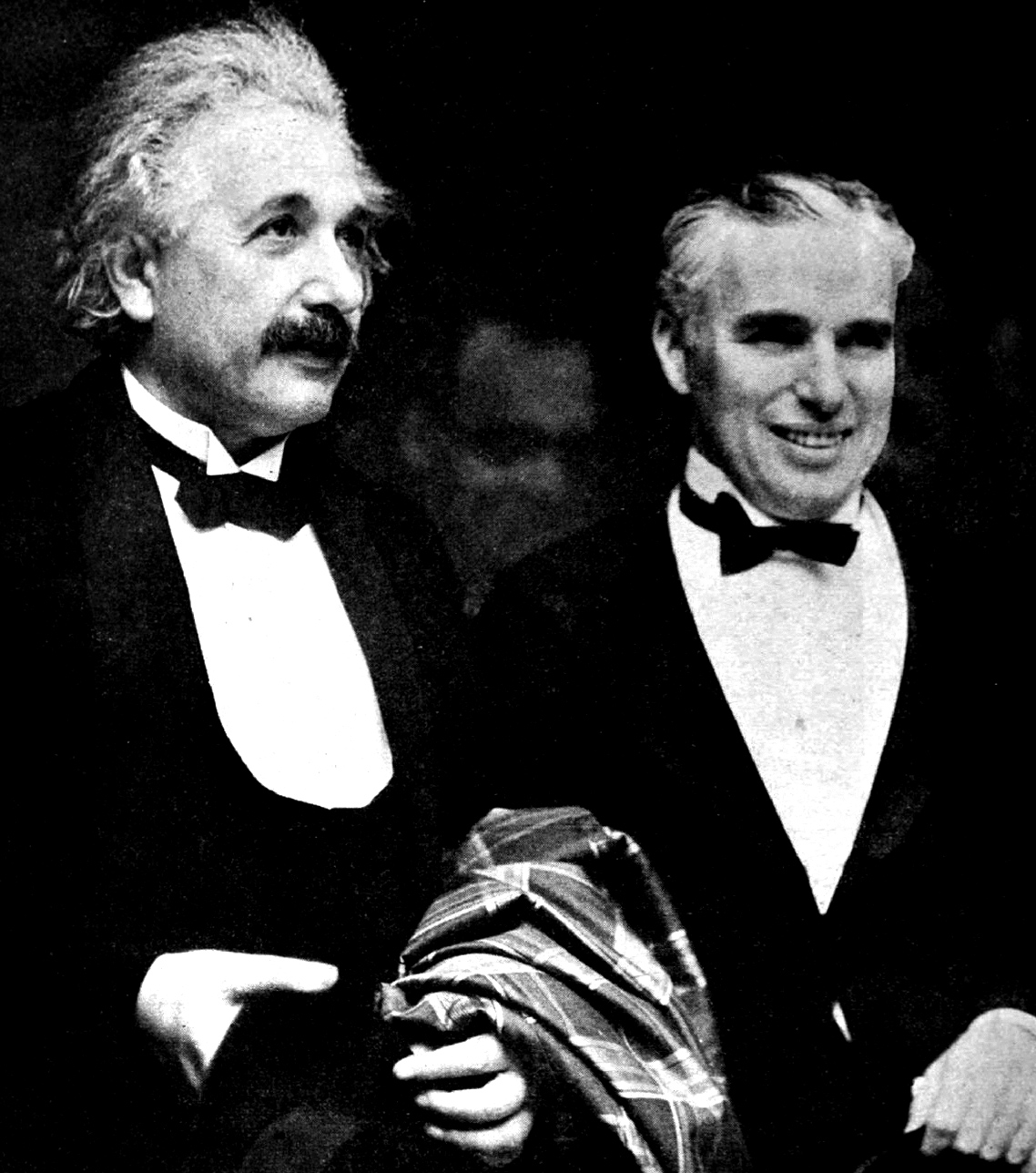
From Workhouse to Worldwide Wonder
In the grimy streets of Victorian London, where poverty clung to every brick wall like soot, a small boy named Charles Spencer Chaplin Jr. was learning lessons that would shape cinema forever. Sent to a workhouse twice before his ninth birthday, watching his mother battle mental illness while his father remained absent, young Charlie discovered that survival meant performance. Every gesture, every expression, every moment of connection with an audience was a lifeline thrown across an ocean of despair.
The music halls of London became his university, and by 19, he had caught the attention of the Fred Karno company. When they sailed for America in 1910, Charlie was just another touring performer. But something magical happened when he stepped off that ship. The New World was hungry for laughter, and Charlie Chaplin was about to feed that hunger in ways no one could imagine.
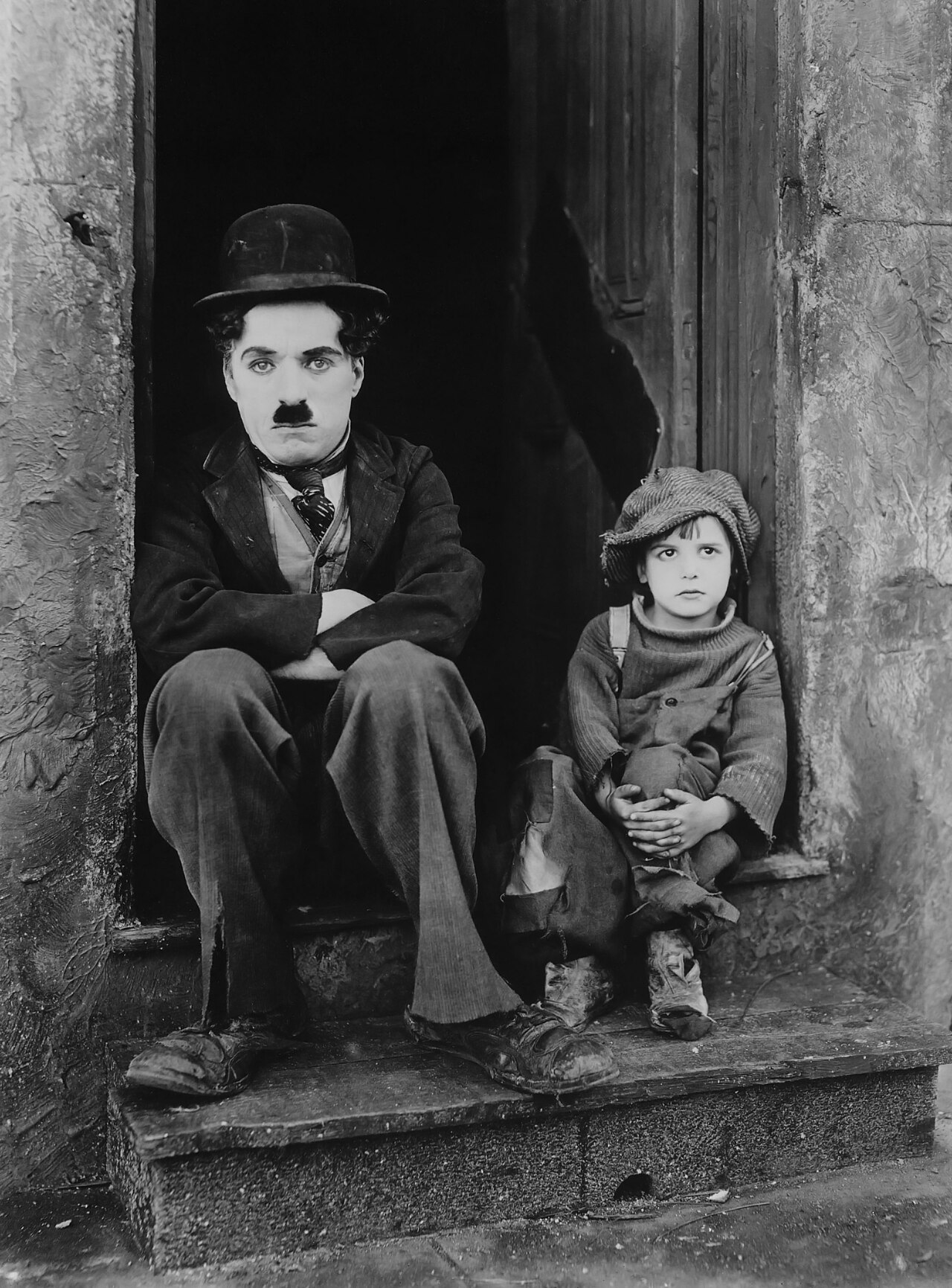
By 1914, his appearances in Keystone Studios films had created a sensation. Then came the moment that changed everything – the birth of the Tramp. That shuffling walk, that delicate cane, that perfect balance of dignity and absurdity. It wasn’t just a character; it was the embodiment of every underdog who ever dreamed of something better.
The Little Man Who Conquered the World
What made Charlie Chaplin more than just an entertainer was his refusal to be ordinary. While other stars were content to follow scripts and take direction, Charlie demanded something revolutionary: complete creative control. When he co-founded United Artists in 1919, he didn’t just want to act – he wrote, directed, produced, edited, and even composed the music for his films.
His perfectionism was legendary and expensive. While Hollywood churned out films like factory products, Charlie treated each project like a masterpiece in progress. Years would pass between releases as he obsessed over every detail, every gesture, every frame. His financial independence meant he could afford this luxury, and audiences waited breathlessly for each new creation.
The Tramp wasn’t just a character – he was a mirror reflecting the struggles of ordinary people everywhere. In “The Kid,” “The Gold Rush,” and “City Lights,” Charlie combined slapstick with genuine pathos, creating something cinema had never seen before. He made people laugh until they cried, then cry until they laughed again. Even as “talkies” revolutionized Hollywood in the 1930s, Charlie stubbornly clung to silent storytelling, proving that true artistry transcended technology.
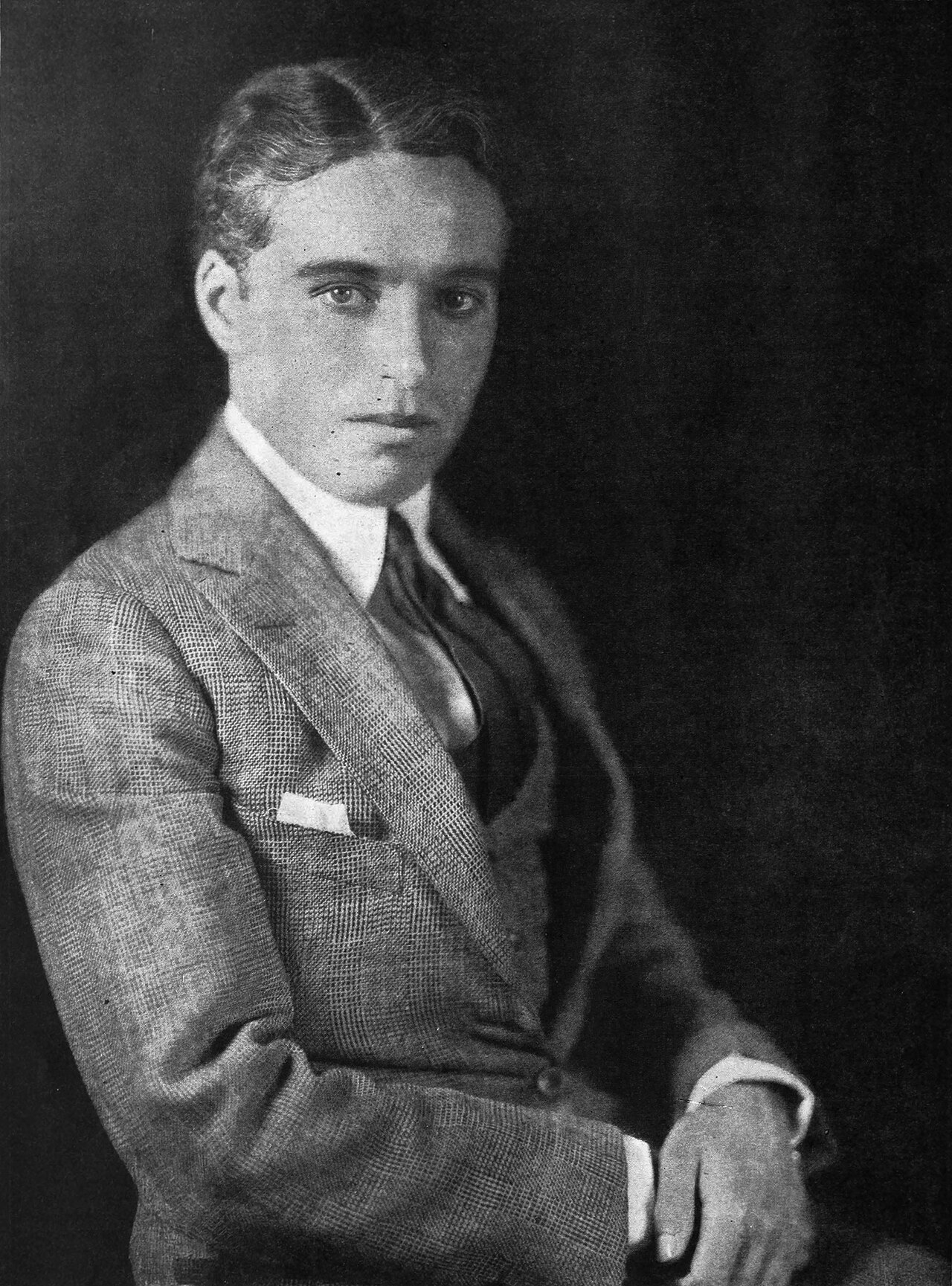
The Scandal That Shattered a Legend
But beneath the laughter, storm clouds were gathering. The 1940s brought a darkness that would ultimately destroy everything Charlie had built in America. Whispers began in shadowy corners of Hollywood, growing louder with each passing year. Communist sympathies, they said. Un-American activities. The man who had made the world laugh was suddenly being painted as a threat to the very country that had embraced him.
The paternity suit hit like a thunderbolt, splashing intimate details across newspaper headlines. His marriages to much younger women became tabloid fodder. The FBI opened an investigation that would follow him for years, agents lurking in the shadows of sound stages where the Tramp once brought joy to millions.
When “The Great Dictator” satirized Adolf Hitler, some called it brave. Others whispered it was proof of his political leanings. The same fearlessness that made him an artistic genius was now being twisted into evidence of his disloyalty. America, gripped by Cold War paranoia, was turning on its own greatest cultural export.
Then came 1952 – the year everything fell apart. As his ship sailed toward Europe, Charlie Chaplin watched the Statue of Liberty grow smaller in the distance. He was effectively exiled from the country that had given him everything. The Little Tramp, who had always represented the triumph of the underdog, had become the underdog himself, cast out by the very society he had spent decades entertaining.
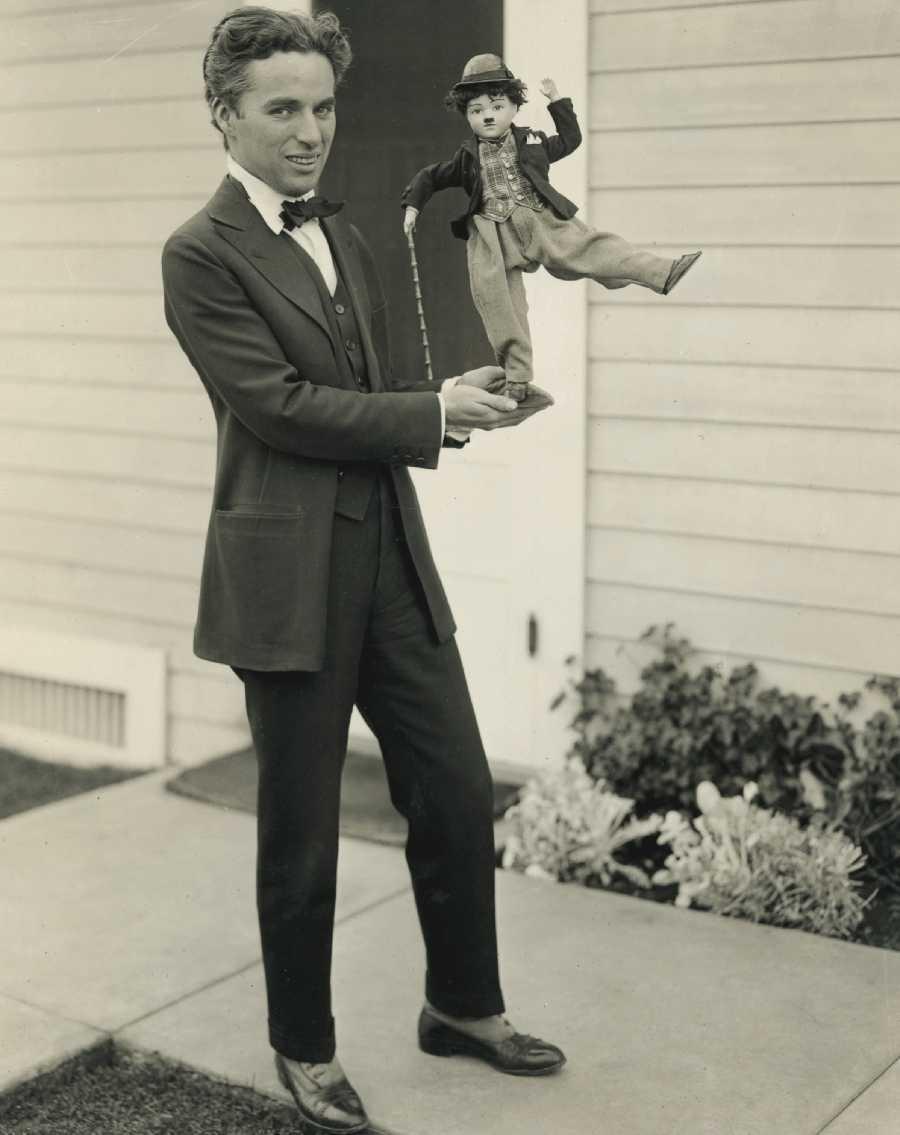
The Eternal Mystery of Genius and Exile
Charlie Chaplin lived until 1977, spending his final decades in Switzerland, far from the Hollywood studios where he had revolutionized cinema. In 1972, America finally extended an olive branch – an Honorary Academy Award for his “incalculable effect” on motion pictures. The standing ovation lasted twelve minutes, but was it applause or an apology?
Today, “The Gold Rush,” “City Lights,” and “Modern Times” appear on every list of cinema’s greatest achievements. Yet questions linger like shadows on a silent film screen. Was Charlie Chaplin truly the political threat America believed him to be? Or was he simply an artist who refused to be silenced, a perfectionist who demanded the right to speak truth through laughter?
Perhaps the greatest mystery isn’t what drove him from America, but what drove America to drive him away. In a country built on the dreams of immigrants and outcasts, how did the most beloved immigrant of them all become an exile? The Tramp may have taken his final bow, but the questions he raised about art, politics, and the price of genius continue to echo through the corridors of Hollywood and beyond.
Some secrets, it seems, are too important to ever fully reveal.
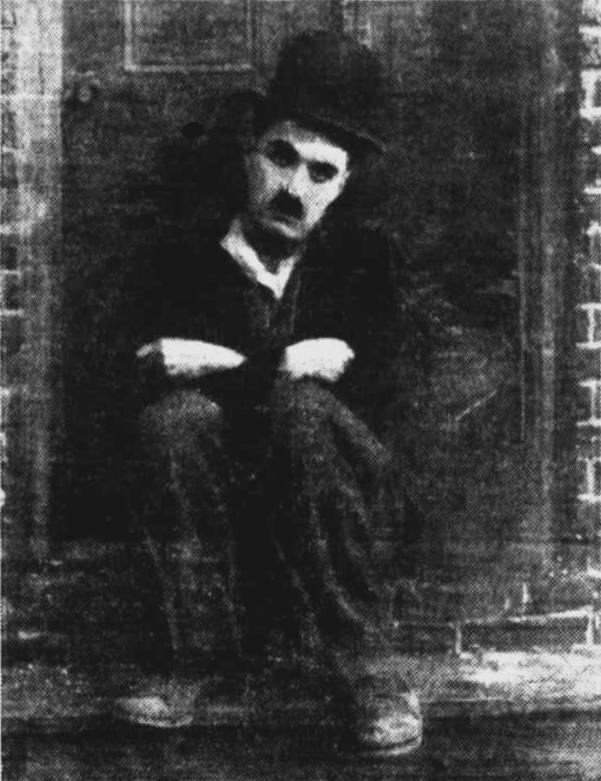
Photos via Wikimedia Commons (public domain / Creative Commons).