
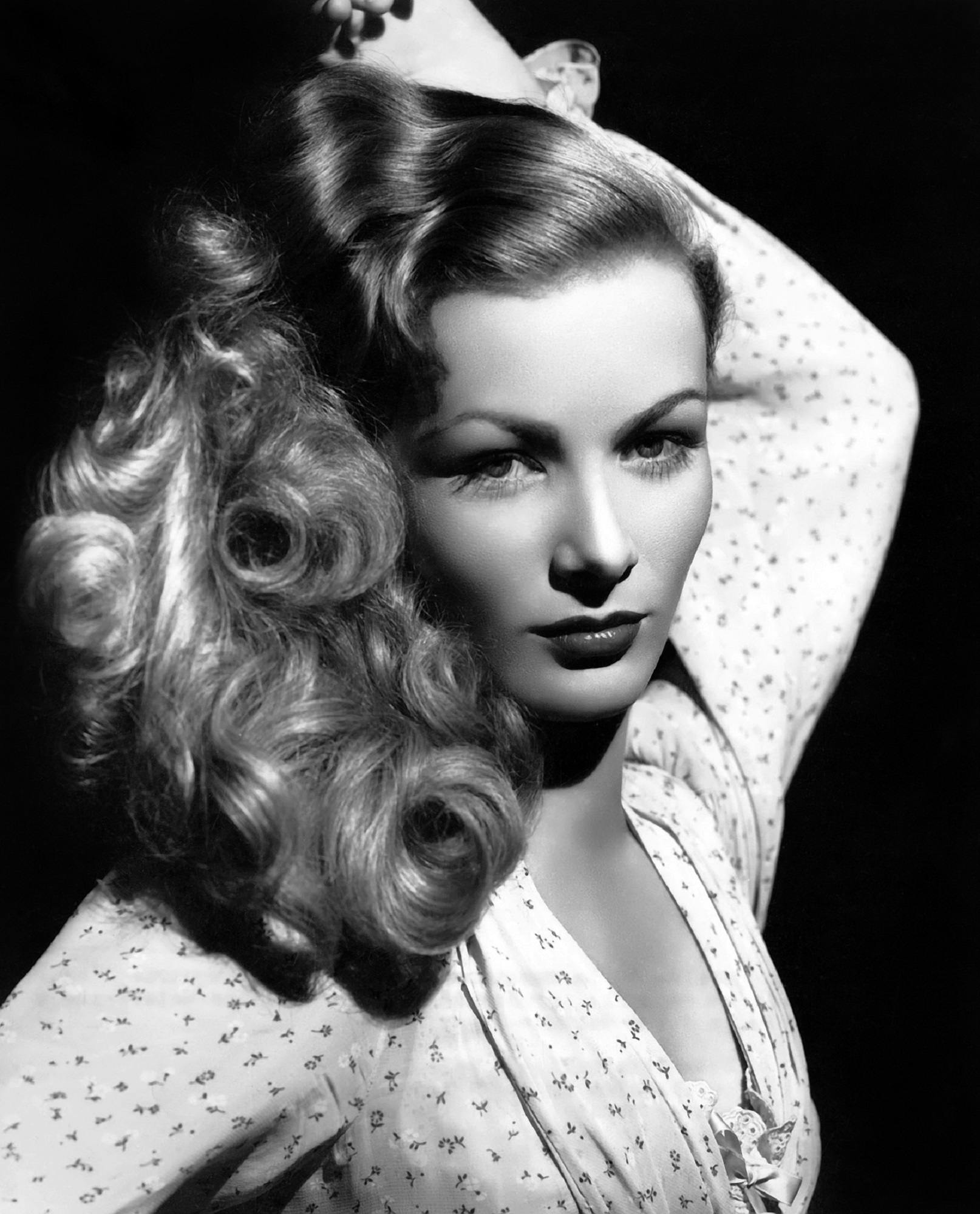
She swept across movie screens like liquid silver, her golden hair cascading over one eye in a style that would define an entire generation. Veronica Lake became the face of 1940s Hollywood glamour, the femme fatale who could stop traffic with a glance and break hearts with a whisper. But behind that iconic peek-a-boo hairstyle lay secrets that would ultimately consume her—secrets that led to one of Hollywood’s most haunting disappearances from the spotlight. What drove America’s golden girl to walk away from everything she’d built? The truth is more devastating than any film noir plot she ever starred in.
When Lightning Struck: The Making of a Hollywood Legend
Constance Frances Marie Ockelman was nobody special—just another small-town girl with big dreams until she transformed herself into Veronica Lake. But when she arrived in Hollywood, something magical happened. She didn’t just become a star; she became an icon, a living embodiment of the dangerous allure that defined film noir.
Her breakthrough came with films that would etch her name in cinematic history. *Sullivan’s Travels* showcased her ability to blend comedy with that mysterious edge that made audiences lean forward in their seats. Then came *I Married a Witch*, where she literally cast spells on screen, her otherworldly beauty making the supernatural seem believable.
But it was her electric chemistry with Alan Ladd that truly ignited the silver screen. Together, they created some of the most memorable femme fatale moments in film noir history. Lake didn’t just play dangerous women—she embodied them, becoming the template for every seductive, mysterious blonde who would follow.
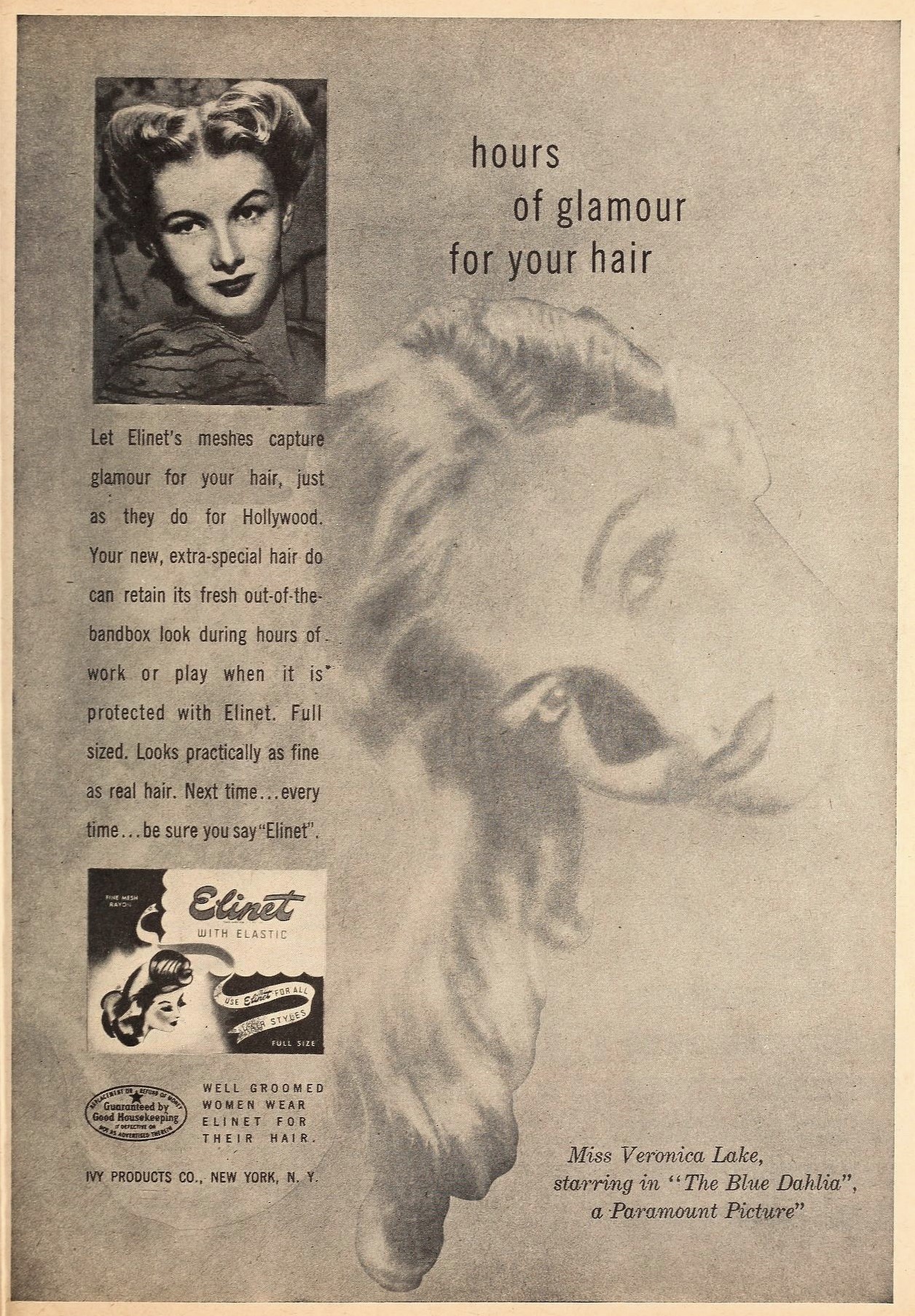
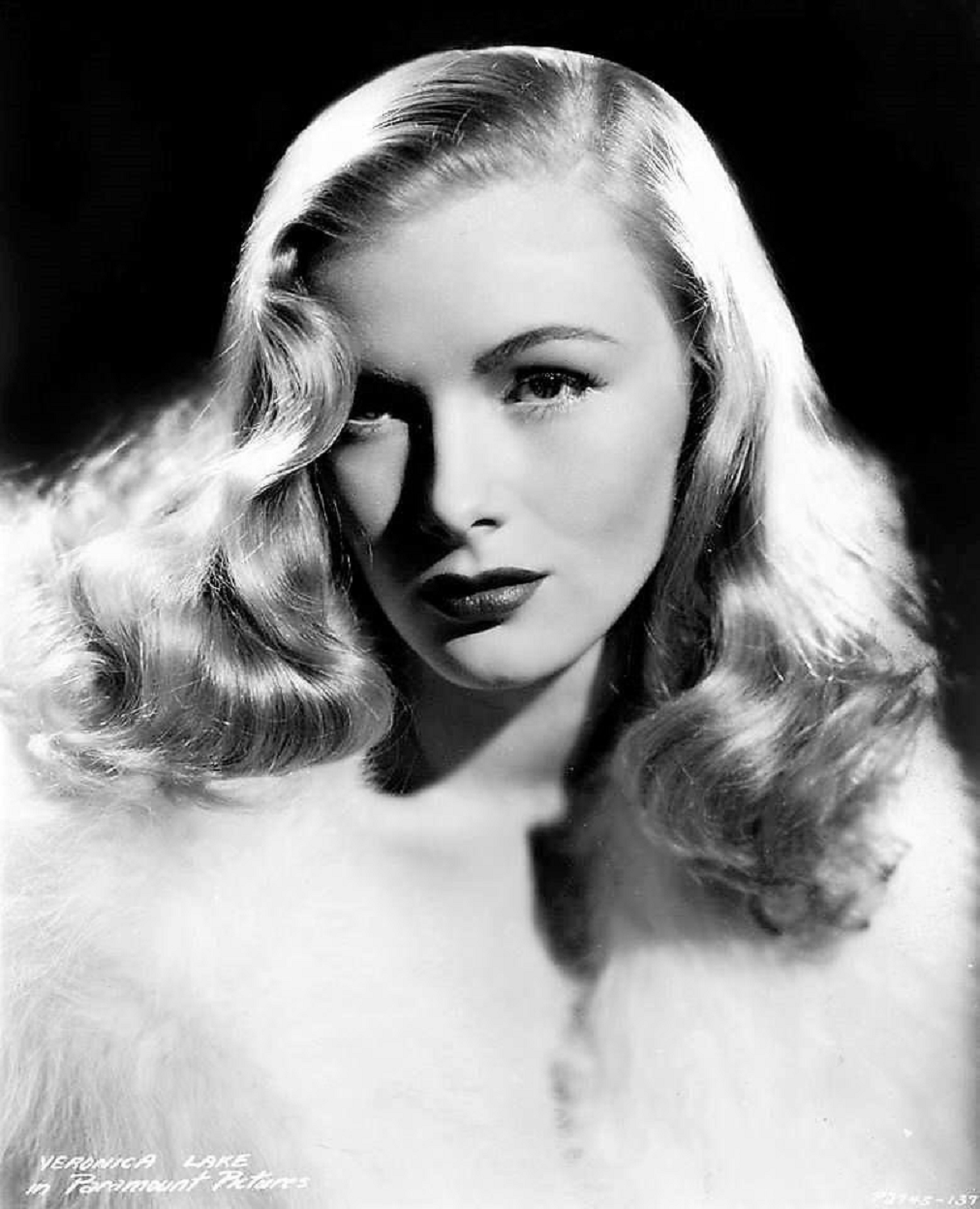
That signature hairstyle became more than just a fashion statement; it was a weapon of mass fascination. Women across America rushed to salons demanding “the Veronica Lake,” while men found themselves hypnotized by the way that golden curtain of hair could simultaneously conceal and reveal.
The Enigma Behind the Eyes: Hollywood’s Most Captivating Mystery
What made Veronica Lake unforgettable wasn’t just her beauty—it was the sense that she was hiding something. There was an almost supernatural quality to her screen presence, as if she possessed secrets that mere mortals weren’t meant to understand. Her eyes held depths that suggested experiences far beyond her years, stories that would never be fully told.
The peek-a-boo hairstyle became her trademark, but it was more than vanity. It was armor, a golden shield that allowed her to reveal only what she chose to reveal. Behind that veil of hair, Lake created an aura of mystery that made her irresistible to audiences hungry for glamour in a world torn apart by war.
She moved through Hollywood’s golden age like a beautiful ghost, present but somehow untouchable. Even at the height of her fame, there was something fragile about her, something that suggested the fairy tale couldn’t last forever. Those who worked with her spoke of a woman who seemed to be fighting battles that no one else could see.
Her persona on screen and off began to blur together. Was she the dangerous femme fatale, or was the femme fatale her? The line became increasingly impossible to draw, and perhaps that’s exactly how she wanted it.
The Fall: When the Golden Dream Became a Nightmare
By the late 1940s, the golden goddess was crumbling. The very industry that had built her up began to tear her down, and Lake found herself caught in a spiral that would ultimately consume everything she had worked for. The devastating truth was that her greatest enemy wasn’t rival actresses or changing fashions—it was herself.
Alcoholism began to ravage the woman who had once seemed untouchable. The drinking that might have started as a way to cope with Hollywood pressure became a monster that devoured her career, her relationships, and her legendary beauty. Studios grew wary, directors grew impatient, and opportunities began to disappear like morning fog.
The woman who had once commanded top billing found herself making only one film in the entire 1950s. The phone calls stopped coming. The glamorous parties became distant memories. Lake watched helplessly as Hollywood moved on without her, embracing new faces while forgetting the woman who had helped define an era.
Television offered a lifeline with guest appearances, but these felt like cruel reminders of what she’d lost. Then came *Footsteps in the Snow*, a desperate attempt at a comeback that failed to recapture the magic. The role that was supposed to save her career only highlighted how far she had fallen.
The Vanishing: A Legend Lost to Time
In 1970, Lake published her memoir, *Veronica: The Autobiography of Veronica Lake*, a haunting attempt to reclaim her narrative. But even in her own words, the mystery remained. Her final screen role came in a low-budget horror film called *Flesh Feast*—a tragic end for someone who had once been cinema royalty.
The years of heavy drinking had taken their devastating toll. In July 1973, at just 50 years old, Lake died from hepatitis and acute kidney injury. The woman who had once been Hollywood’s most captivating mystery had become its most heartbreaking tragedy.
But perhaps there’s something fitting about Veronica Lake’s story ending in shadow. She lived like a character from one of her films noir—beautiful, mysterious, and ultimately tragic. Even in death, she maintained that enigmatic quality that had made her unforgettable.
The peek-a-boo girl had vanished, but the legend remains, forever frozen in time behind that curtain of golden hair, holding secrets that will never be fully revealed.
Photos via Wikimedia Commons (public domain / Creative Commons).