
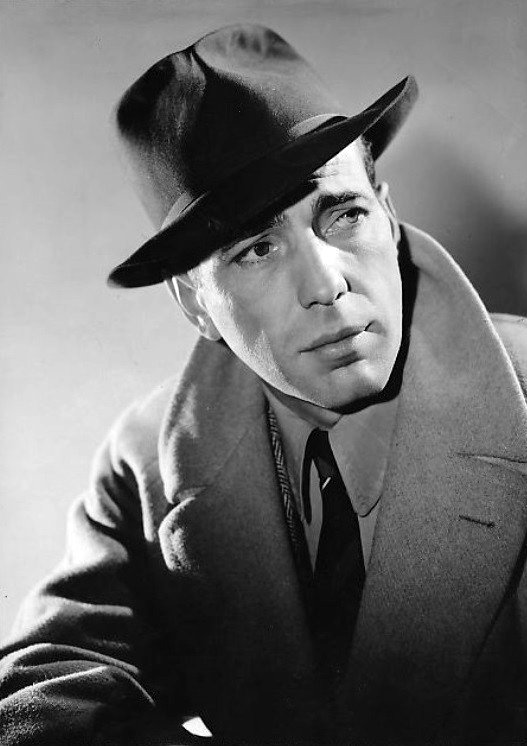
In the smoky shadows of a 1944 film set, a legend was about to fall. He was 44, weathered by three failed marriages and a reputation as Hollywood’s toughest leading man. She was barely 19, with cat-like eyes and a voice that could melt steel. What happened between Humphrey Bogart and Lauren Bacall during the filming of “To Have and Have Not” would not only change their lives forever—it would create the most electrifying on-screen chemistry in cinema history. But was their romance real, or just another Hollywood illusion? The truth is more scandalous than any script.
From Broadway Shadows to Silver Screen Thunder
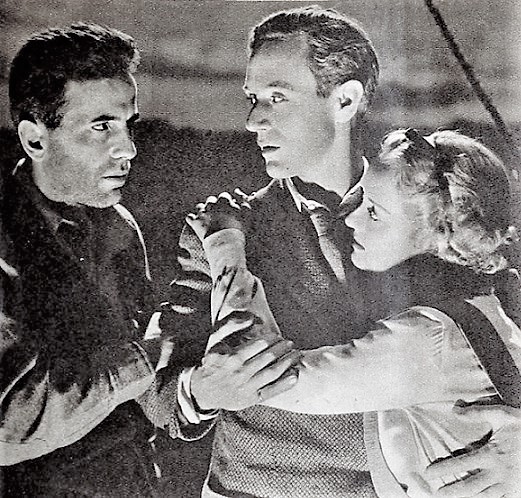
Humphrey DeForest Bogart didn’t arrive in Hollywood with fanfare or flash. He clawed his way up from the Broadway stages, where dreams were born and broken nightly. When he finally stepped before the cameras in “The Dancing Town,” few could have predicted that this angular, scarred man would become the face of American cinema itself.
For over a decade, Bogart languished in supporting roles, typecast as the snarling gangster, the man you’d cross the street to avoid. His portrayal of Duke Mantee in “The Petrified Forest” earned him critical praise, but it was his bone-chilling performance as Hugh “Baby Face” Martin in William Wyler’s “Dead End” that made Hollywood take notice. Here was an actor who could make brutality seem almost poetic.
The breakthrough that would define his legacy came with “High Sierra,” but it was John Huston’s “The Maltese Falcon” that catapulted Bogart into the stratosphere of stardom. As private detective Sam Spade, he didn’t just play a character—he created a template that would influence noir films for generations. Raymond Chandler himself wrote in 1946 that Bogart could “dominate a scene” simply by entering it.
The Man Behind the Mystique
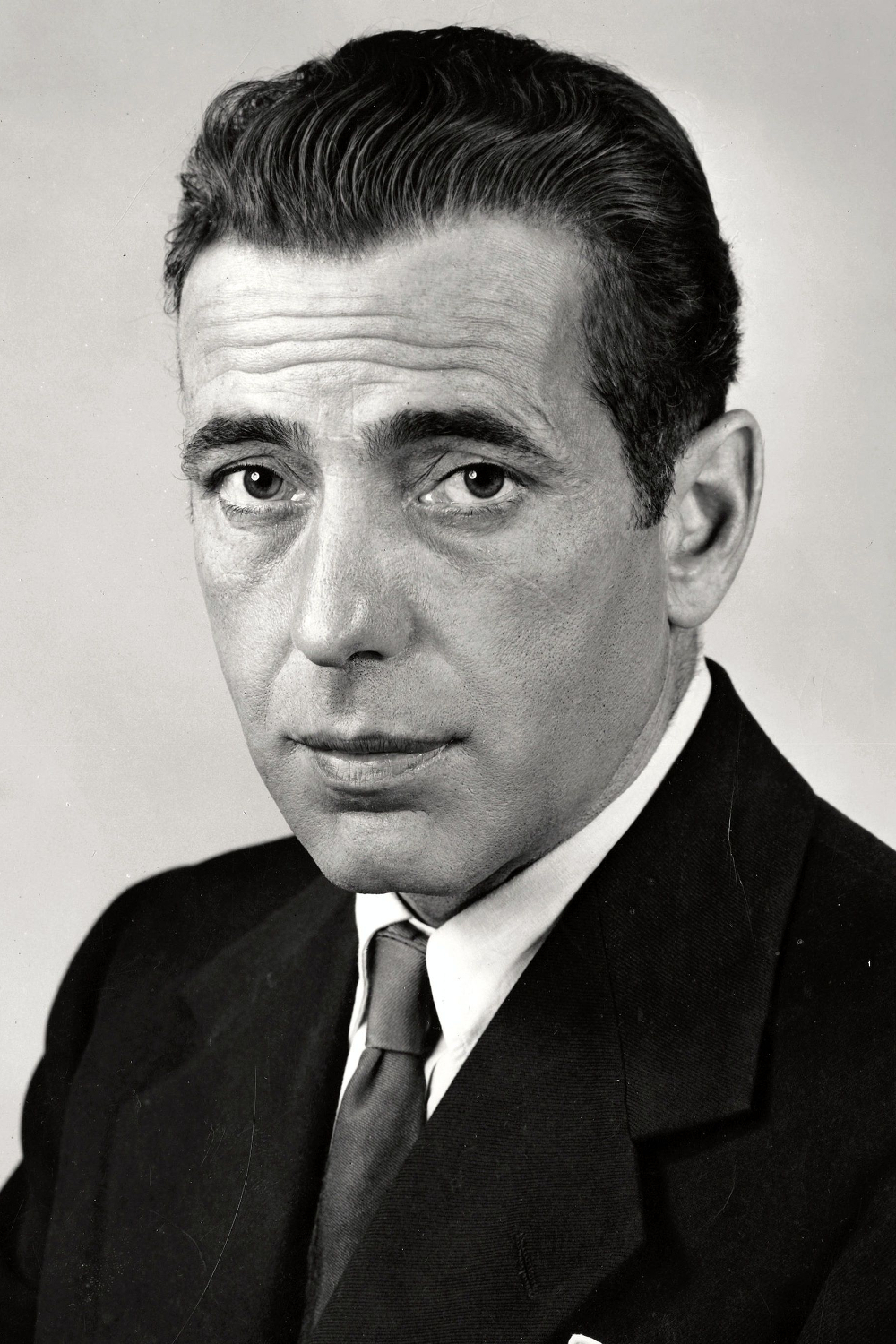
What made Bogart unforgettable wasn’t his traditional leading-man looks—he was too weathered, too real for that. It was something deeper, more dangerous. Lauren Bacall would later say there was “something that made him able to be a man of his own,” a purity that seemed impossible given the dark characters he portrayed on screen.
His Sam Spade and Philip Marlowe became the gold standard for fictional detectives, men who walked the thin line between justice and corruption with a world-weary grace that only Bogart could master. In “Dead Reckoning,” he played a war hero tangled in a web of brutality and violence, investigating his friend’s murder alongside the sultry Lizabeth Scott. The darkness seemed to follow him from role to role.
But it was his portrayal of Rick Blaine in “Casablanca” that revealed another dimension entirely. Paired with Ingrid Bergman’s Ilsa Lund, Bogart showed he could be more than just the tough guy—he could break your heart. The American Film Institute would later rank Rick Blaine as the fourth greatest hero in American cinema, and his romance with Ilsa as the greatest love story ever captured on film.
The Scandal That Became a Love Story
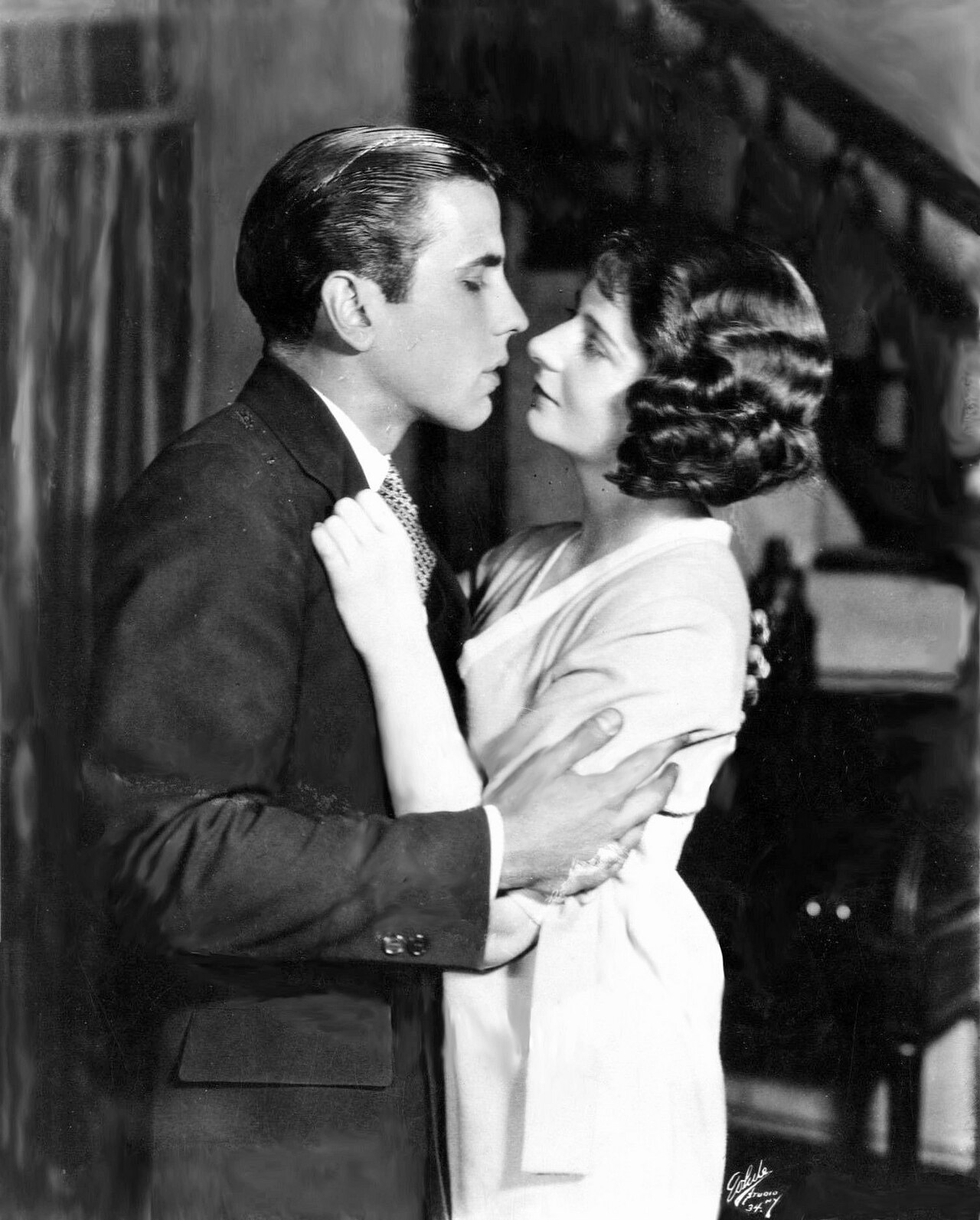
Then came 1944, and everything changed. On the set of “To Have and Have Not,” 44-year-old Humphrey Bogart met 19-year-old Lauren Bacall, and Hollywood held its collective breath. Here was a man at the peak of his career, battle-scarred by three failed marriages, falling for a teenager making her film debut. The age gap was scandalous enough, but Bogart was still married to his third wife.
The chemistry between them was immediate and explosive. You could see it crackling in every frame of “To Have and Have Not”—the way she looked at him, the way he seemed to come alive in her presence. This wasn’t acting; this was something far more dangerous and real. By the time they finished filming their second movie together, “The Big Sleep,” the inevitable had happened.
In 1945, just months after wrapping “The Big Sleep,” Bogart divorced his third wife and married Lauren Bacall. Hollywood whispered about the May-December romance, but the couple silenced their critics by creating magic on screen. They went on to star together in “Dark Passage” and “Key Largo,” their real-life love affair adding an authenticity to their performances that no amount of acting could achieve.
But their love story was racing against time itself. Bogart was a heavy smoker and drinker, and the years were catching up with him faster than anyone realized.
The Final Act of a Legend
The irony is almost too perfect. The man who created some of cinema’s most unforgettable love stories—from “Casablanca” to his real-life romance with Bacall—was himself racing against time. His later performances in “The Treasure of the Sierra Madre” and “In a Lonely Place” revealed an actor at the height of his powers, even as his body began to betray him.
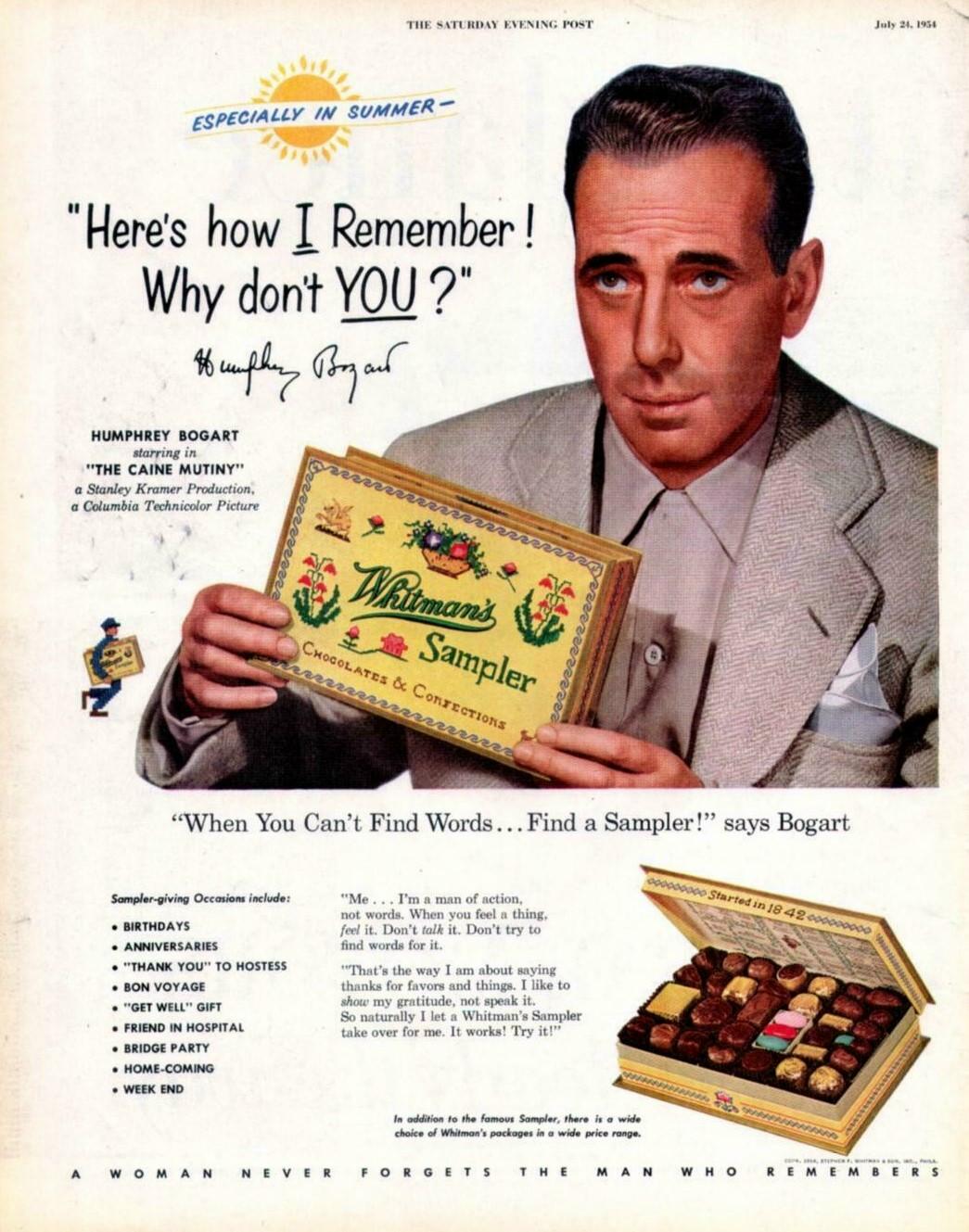
His role as the cantankerous river captain opposite Katharine Hepburn in “The African Queen” earned him his only Academy Award for Best Actor. His performance in “The Caine Mutiny” brought him his third nomination. Even in “Sabrina,” competing with William Holden for Audrey Hepburn’s affections, Bogart proved that age was just a number when it came to romantic leading men.
In January 1957, esophageal cancer claimed Hollywood’s greatest anti-hero. He was just 57 years old. Four of his films—”Casablanca,” “The Maltese Falcon,” “The Treasure of the Sierra Madre,” and “The African Queen”—made the American Film Institute’s list of the greatest American movies of all time.
But perhaps Bacall said it best: “There was something solid” about Bogart, something that made audiences believe. In an age when we believe less and less, here was a man who believed in something. That belief, that unshakeable authenticity, continues to flicker on screens around the world, as eternal and mysterious as the love story that defined his final act.
Photos via Wikimedia Commons (public domain / Creative Commons).