
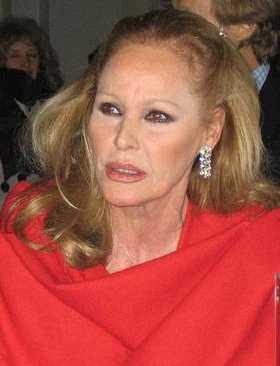
The year was 1962. Somewhere on a pristine Jamaican beach, as cameras rolled and crew members held their breath, a Swiss beauty named Ursula Andress was about to step into cinematic immortality. But what the world witnessed in that iconic Dr. No scene was only the beginning of a story that would unfold across decades of Hollywood’s most guarded secrets. Behind those mesmerizing eyes and that unforgettable white bikini lay mysteries that even today, film historians whisper about in hushed tones.
What really happened during those early Bond years? And why did Andress’s career take such unexpected turns through the shadowy corridors of international cinema?
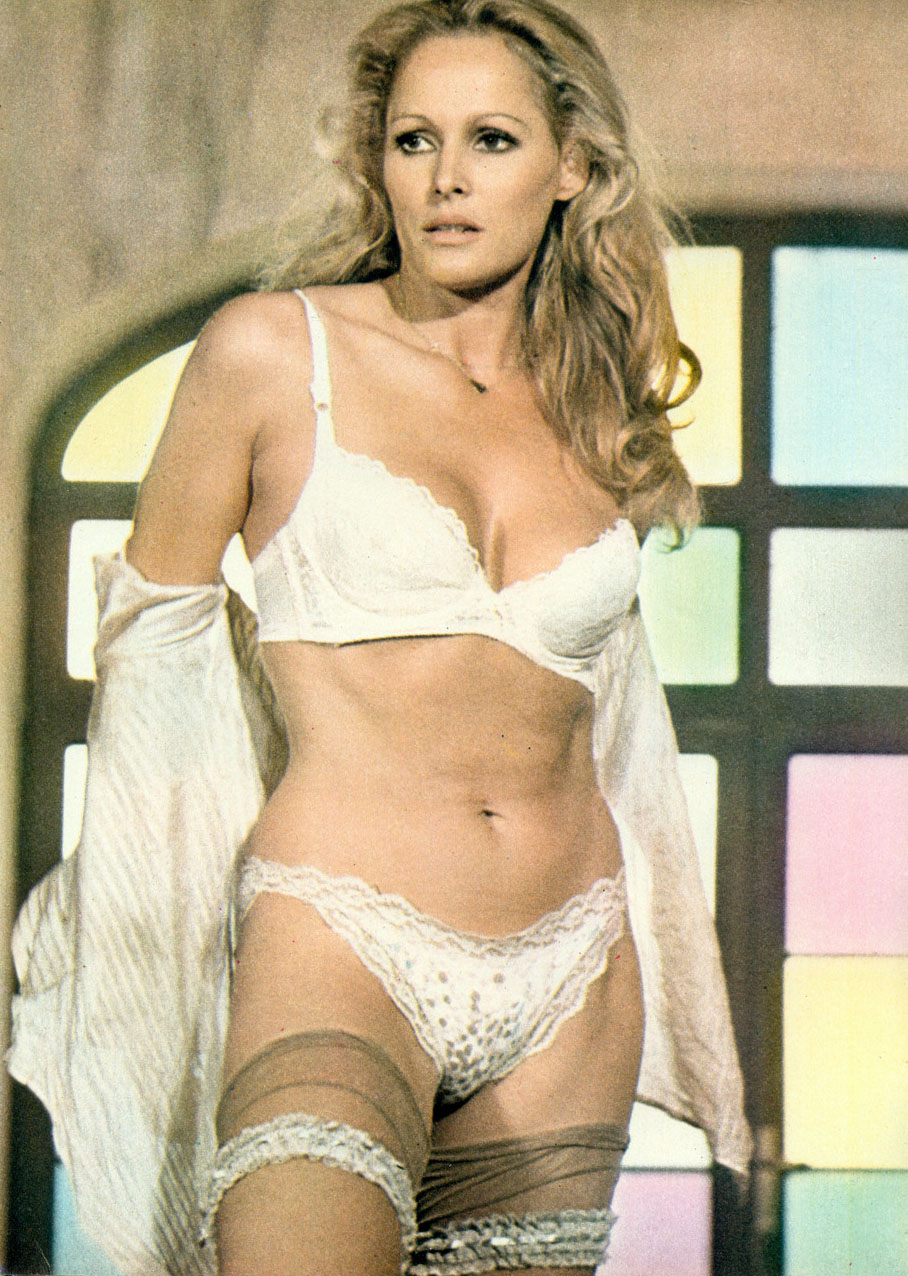
From Alpine Valleys to Global Stardom: The Making of a Screen Goddess
Picture this: a young woman from the snow-capped peaks of Switzerland, far removed from the glittering world of Hollywood, suddenly thrust into the spotlight as cinema’s most unforgettable Bond girl. Ursula Andress didn’t just play Honey Ryder in Dr. No—she became her, embodying a character that would redefine what it meant to be a leading lady in the swinging sixties.
But that breakthrough was just the opening act of an extraordinary journey.
As the cameras continued to roll throughout the decade, Andress found herself navigating an increasingly complex web of international productions. From the sun-soaked beaches of Fun in Acapulco to the dusty sets of 4 for Texas, she moved through Hollywood like a enigmatic force of nature. Yet something was stirring beneath the surface—a pattern that keen observers began to notice.
When Casino Royale arrived in 1967, Andress shocked the film world by returning to the Bond universe, this time as Vesper Lynd in the notorious parody that would become one of cinema’s most chaotic productions. But why did she choose this particular project? What drew her back into that world of espionage and intrigue?
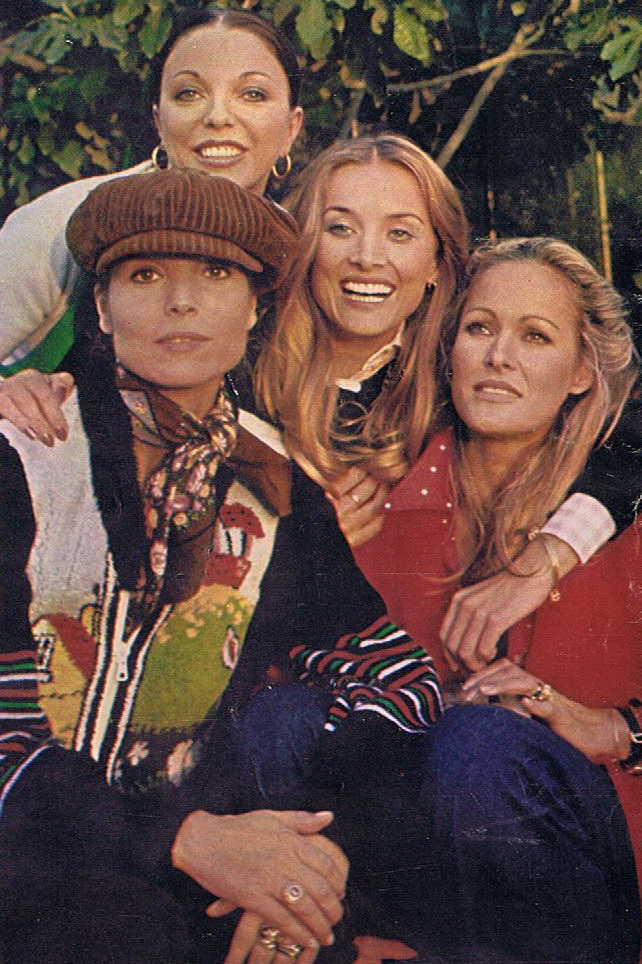
The Enigma Behind the Emerald Eyes: More Than Just Another Pretty Face
To understand Ursula Andress, you had to look beyond the obvious. Yes, she possessed that rare combination of European sophistication and untamed sensuality that made directors’ hearts race. But there was something else—an intelligence, a calculation that suggested she was always three moves ahead of everyone else in the room.
Her filmography reads like a master class in strategic career choices. She, The 10th Victim, The Blue Max—each project seemed carefully selected, as if she was building something larger than just a collection of roles. These weren’t random picks by a beautiful actress; they were the calculated moves of someone who understood the game being played behind closed doors.
And then there were the whispers from set to set. Crew members who worked with Andress spoke of her in hushed, almost reverent tones. She wasn’t just another actress learning her lines and hitting her marks. She was studying, observing, absorbing everything around her with the intensity of someone who knew secrets the rest of us could only guess at.
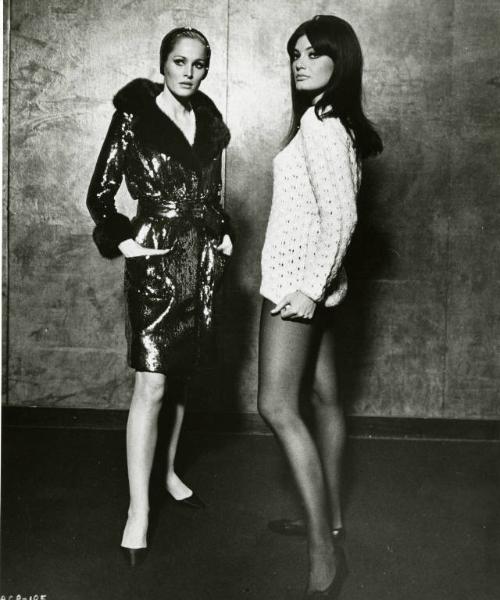
The Hidden Pattern: Following the Trail Through International Shadows
Here’s where the story takes its most intriguing turn. Look closely at Andress’s career trajectory after her Bond years, and a fascinating pattern emerges—one that suggests she was operating on a level far more sophisticated than anyone realized.
The Southern Star, Perfect Friday, Red Sun—these weren’t just films. They were international co-productions that took her across continents, from Europe to Asia, connecting her with a network of filmmakers, financiers, and power brokers that most actresses could only dream of accessing. She moved through these projects like someone who understood the hidden currents of the global film industry.
Even more telling were her later choices: The Sensuous Nurse, Slave of the Cannibal God, The Fifth Musketeer. To outside observers, these might have seemed like questionable career moves for a former Bond girl. But insiders knew better. Each project connected her to different corners of the international entertainment world, from Italian exploitation cinema to European adventure films.
When Clash of the Titans and Peter the Great came along, the puzzle pieces finally started to form a picture. Here was an actress who had spent decades not just building a career, but constructing something far more ambitious—a presence that transcended any single film or genre.
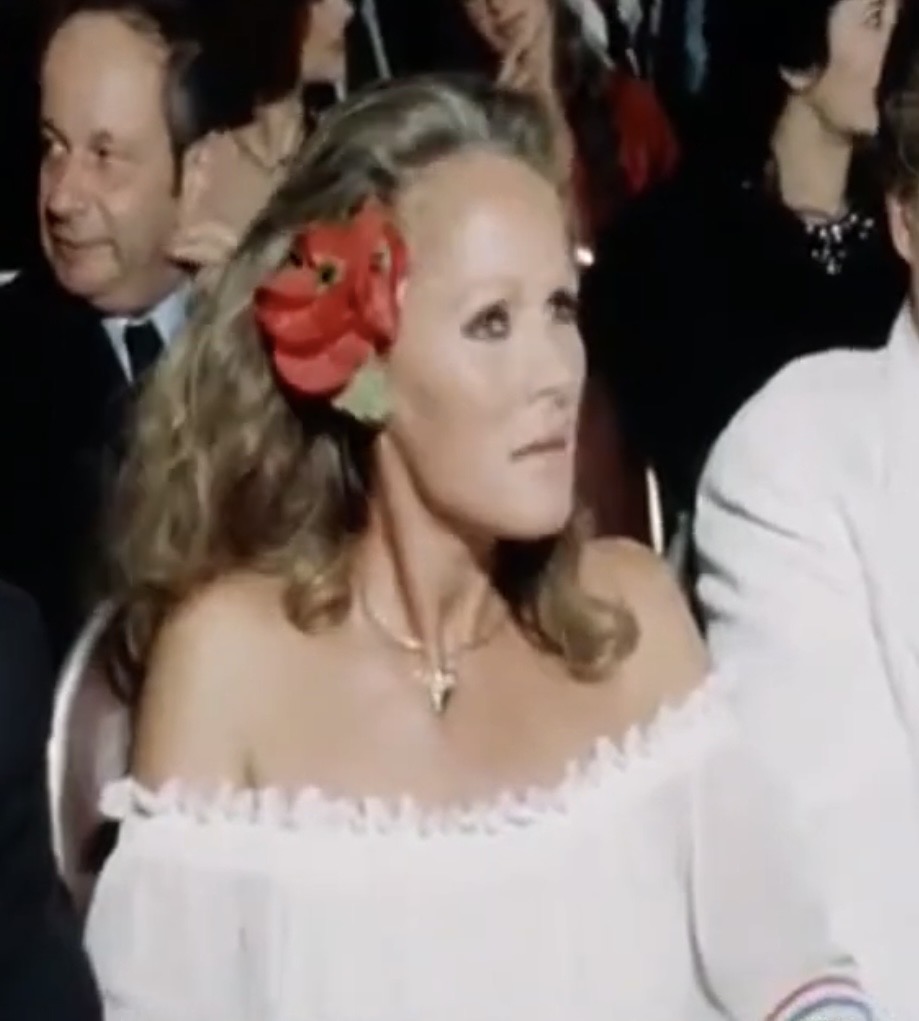
The Swiss Enigma: What She Knew That We’re Still Discovering
Today, as film scholars continue to unravel the golden age of international cinema, Ursula Andress remains one of its most fascinating figures. Not because of what she revealed, but because of what she kept hidden. Her retirement marks the end of an era, but also the beginning of a new understanding of how the entertainment industry really worked during those transformative decades.
The woman who emerged from those Jamaican waters as Honey Ryder knew something the rest of us are still trying to figure out. She understood that in a world of illusions, the greatest power belonged to those who could navigate between reality and fantasy without ever letting anyone know which was which.
Perhaps that’s why her legacy endures. In an age where every secret eventually surfaces, Ursula Andress managed to build a career—and a life—that remains tantalizingly out of reach, forever preserved in that moment between mystery and revelation. The cameras stopped rolling long ago, but the questions she left behind continue to flicker in the shadows, waiting for someone brave enough to seek the answers.
Photos via Wikimedia Commons (public domain / Creative Commons).