
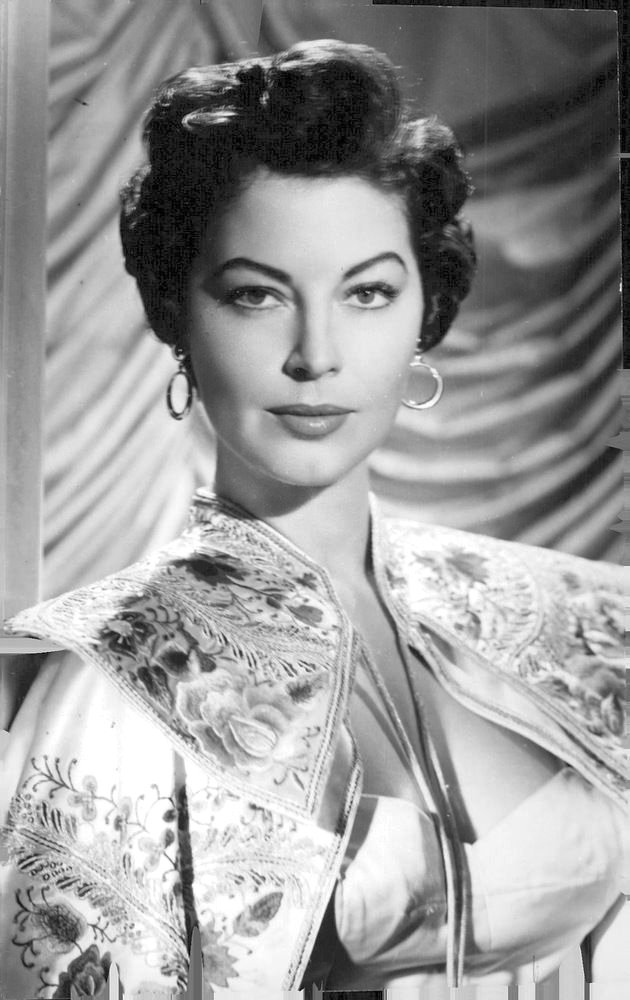
In the smoky twilight of Hollywood’s Golden Age, one woman’s silhouette commanded attention like no other. Ava Gardner possessed something that couldn’t be manufactured in a studio executive’s office or crafted by the most skilled publicist. It was raw, magnetic, dangerous. But beneath that sultry exterior lay a heart that would lead her on a decades-long pursuit of something that seemed to slip through her fingers like smoke. What was she really searching for in the glittering shadows of Tinseltown?
The whispers followed her everywhere—from the soundstages of MGM to the nightclubs of Madrid. They spoke of passionate affairs, of hearts broken and mended, of a woman who lived by her own rules in an industry that demanded conformity. But the real story? The truth behind those emerald eyes that could melt steel? That tale is far more complex than any screenplay ever written.
From Tobacco Fields to Silver Screen Goddess
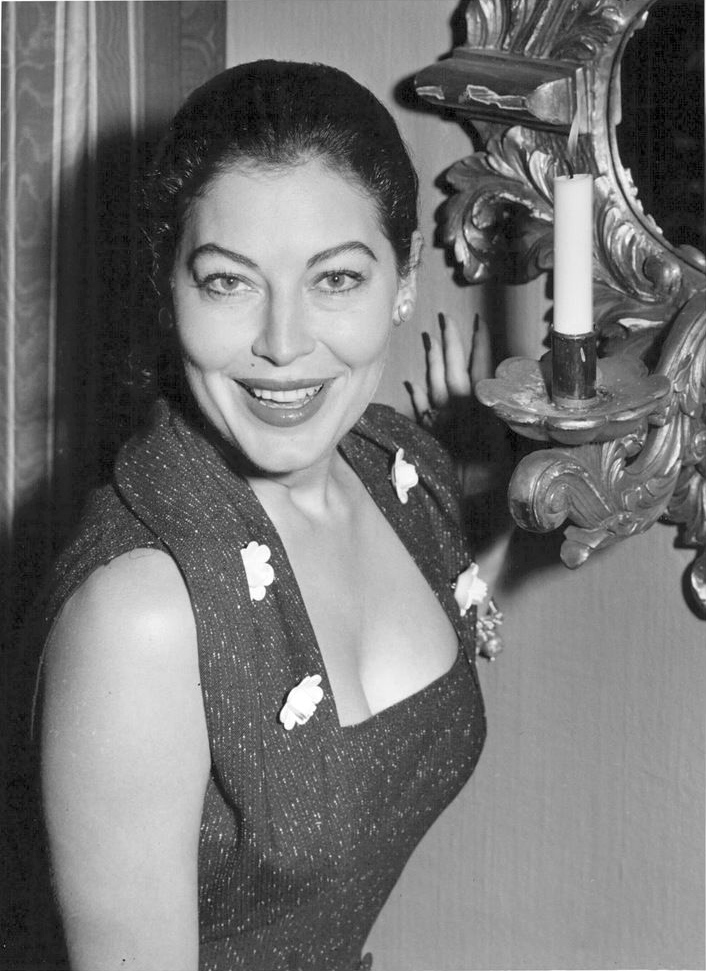
The transformation was nothing short of miraculous. In 1941, a young woman from the tobacco fields of North Carolina walked through the gates of Metro-Goldwyn-Mayer with little more than striking beauty and raw determination. Ava Lavinia Gardner had been plucked from obscurity, but Hollywood wasn’t ready to hand her stardom on a silver platter.
For five long years, she lingered in the shadows of the studio system, appearing in forgettable small roles while the executives debated what to do with their smoldering discovery. Then came 1946, and everything changed with one film: *The Killers*. Director Robert Siodmak saw something in Gardner that others had missed—a dangerous sensuality that could make audiences forget to breathe.
Critics finally took notice. The camera loved her in ways that defied explanation, capturing not just her physical beauty but something deeper, more primal. She moved with the grace of a predator and spoke with a voice that seemed to carry secrets from another lifetime. Hollywood had found its new femme fatale, but Gardner was just getting started.
The Icon Who Rewrote the Rules
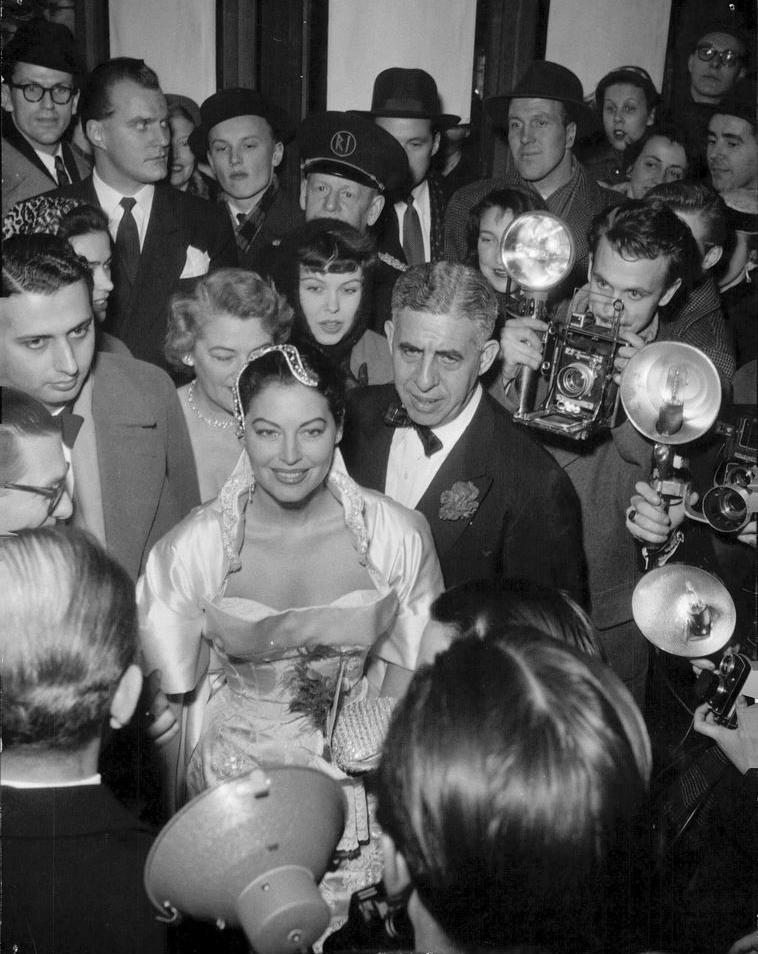
By the 1950s, Ava Gardner had become more than just another pretty face in Hollywood’s constellation of stars. She was a force of nature, a woman who refused to be contained by the studio system’s rigid expectations. In *Show Boat* and *Pandora and the Flying Dutchman*, both released in 1951, she proved she could carry a film with the same intensity that had made her a star.
The decade belonged to her. *The Snows of Kilimanjaro*, *Mogambo*, *The Barefoot Contessa*—each role seemed tailored to her unique brand of smoldering sophistication. When she starred opposite Gregory Peck in *Mogambo*, the chemistry was so electric it earned her an Academy Award nomination for Best Actress. But awards were never what drove Gardner.
She possessed an aura that transcended the screen. On movie sets, she commanded respect through sheer presence. Co-stars found themselves drawn to her magnetic personality, and directors discovered that the camera revealed layers in Gardner that even she might not have known existed. Yet behind the glamour, something else was stirring—a restlessness that no amount of fame could satisfy.
The Heart That Hollywood Couldn’t Tame
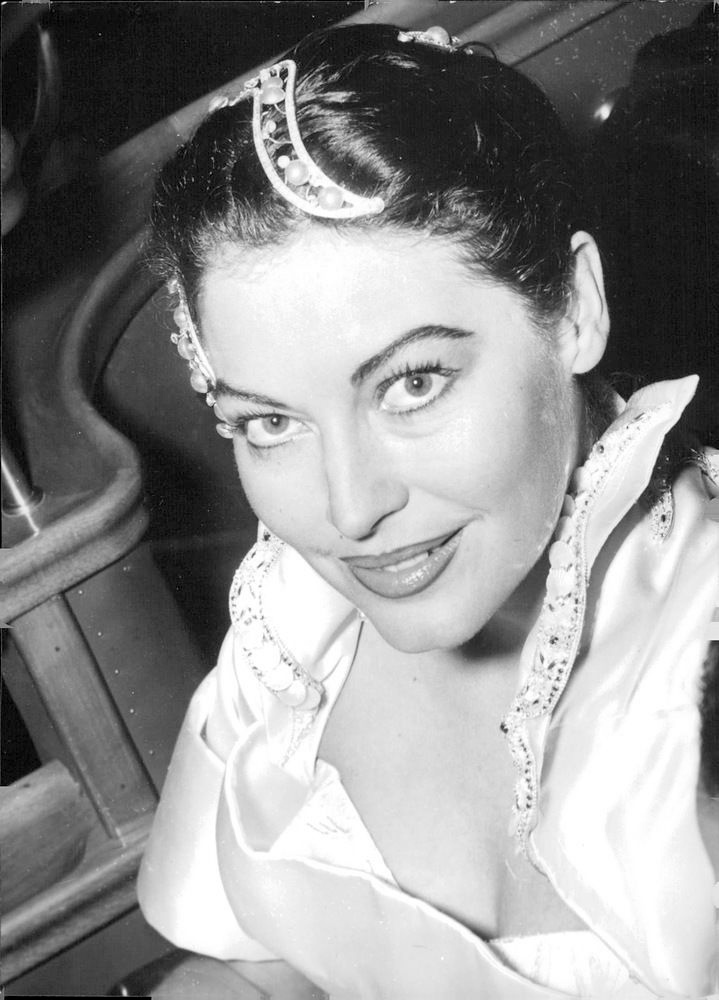
Here was the secret that studio publicists tried desperately to manage: Ava Gardner lived for love with an intensity that matched her on-screen performances. While other stars played it safe, following the careful scripts written by their handlers, Gardner followed her heart wherever it led—and it led her into some of the most passionate and turbulent romances of Hollywood’s golden era.
The affairs were legendary, whispered about in industry circles and splashed across gossip columns. But this wasn’t mere scandal-sheet fodder. Gardner approached love the same way she approached her craft—with complete commitment and fearless vulnerability. She formed deep, lasting bonds that transcended the superficial relationships typical of Hollywood. Her lifelong friendship with Gregory Peck proved that her capacity for connection ran deeper than mere romantic entanglement.
Even as her career evolved through the 1960s and beyond—with powerful performances in *55 Days at Peking*, *Seven Days in May*, and her BAFTA and Golden Globe-nominated turn in *The Night of the Iguana*—Gardner’s personal life remained her true passion project. She continued acting regularly until 1986, but those who knew her understood that her heart was always engaged in a more complex drama than any Hollywood could devise.
The Mystery That Endures
When Ava Gardner suffered a stroke in 1986, ending her acting career, and passed away in 1990 at age 67, Hollywood lost more than just another star. The American Film Institute would later rank her No. 25 on its list of greatest female screen legends, but numbers could never capture what made Gardner truly unforgettable.
Even now, decades after her final curtain call, questions linger in the spaces between the documented facts of her life. What drove her relentless pursuit of authentic connection in a town built on illusion? How did a woman from tobacco country become the embodiment of sophisticated European sensuality? And perhaps most intriguingly—in all those passionate chapters of her romantic life, did she ever find what she was truly seeking?
The camera captured her image, but the real Ava Gardner—the woman behind those knowing eyes—remains beautifully, mysteriously elusive. Some secrets, it seems, are meant to stay that way.
Photos via Wikimedia Commons (public domain / Creative Commons).