
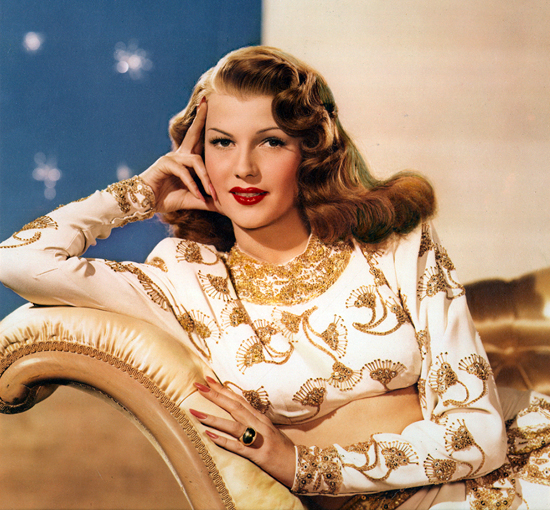
She was Hollywood’s ultimate fantasy – red hair cascading like liquid fire, curves that could stop traffic, and a sultry gaze that promised everything. Rita Hayworth commanded the silver screen like few before or since, earning the title “The Love Goddess” from a press that couldn’t get enough of her magnetic allure. But behind those smoldering eyes lay a secret that would ultimately consume the very essence of what made her unforgettable.
The woman who would become every soldier’s dream and every woman’s envy was born to dance, but fate had darker plans brewing beneath the glamour and glitz.
From Dance Floors to Silver Screen Immortality
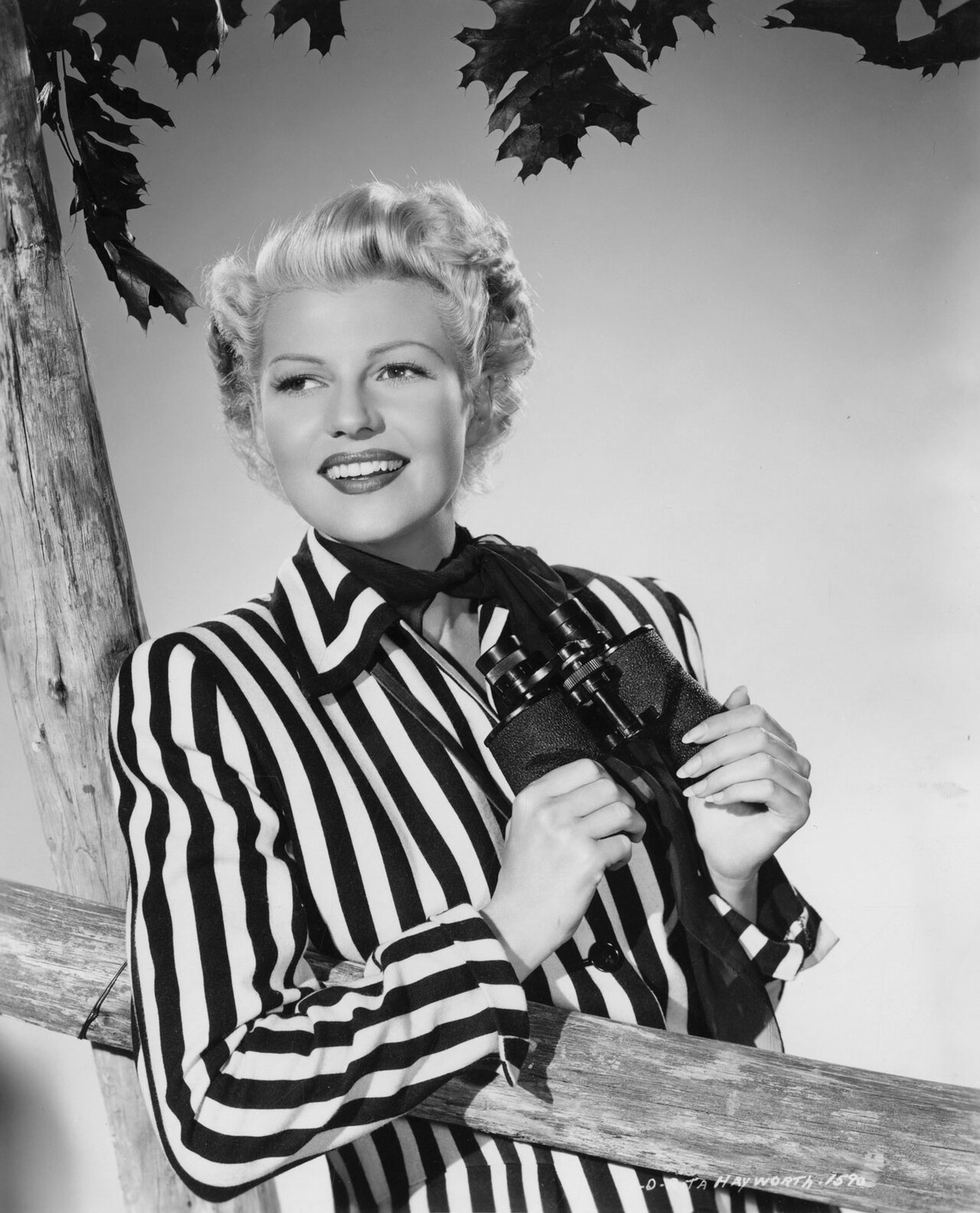
In the golden glow of 1940s Hollywood, Rita Hayworth emerged like a phoenix from the chorus lines and bit parts that had defined her early career. The transformation was nothing short of cinematic magic – a sultry dancer who suddenly commanded the attention of an entire industry hungry for new goddesses.
The breakthrough came with a whisper and a promise. Film after film showcased her hypnotic screen presence, but it was her collaboration with the masters of movement that truly set her apart. When Fred Astaire – the king of elegance himself – declared her his favorite dance partner after their films “You’ll Never Get Rich” and “You Were Never Lovelier,” Hollywood knew it had discovered something extraordinary.
Gene Kelly swept her across Technicolor dreams in “Cover Girl,” while audiences worldwide fell under her spell. Sixty-one films over thirty-eight years. Each role added another layer to the mystique, another reason for the press to breathlessly chronicle her every move. The American Film Institute would later enshrine her among the top 25 female motion picture stars of all time, but even they couldn’t capture what made Rita Hayworth truly unforgettable.
The Goddess Revealed: More Than Mortal, Yet Achingly Human
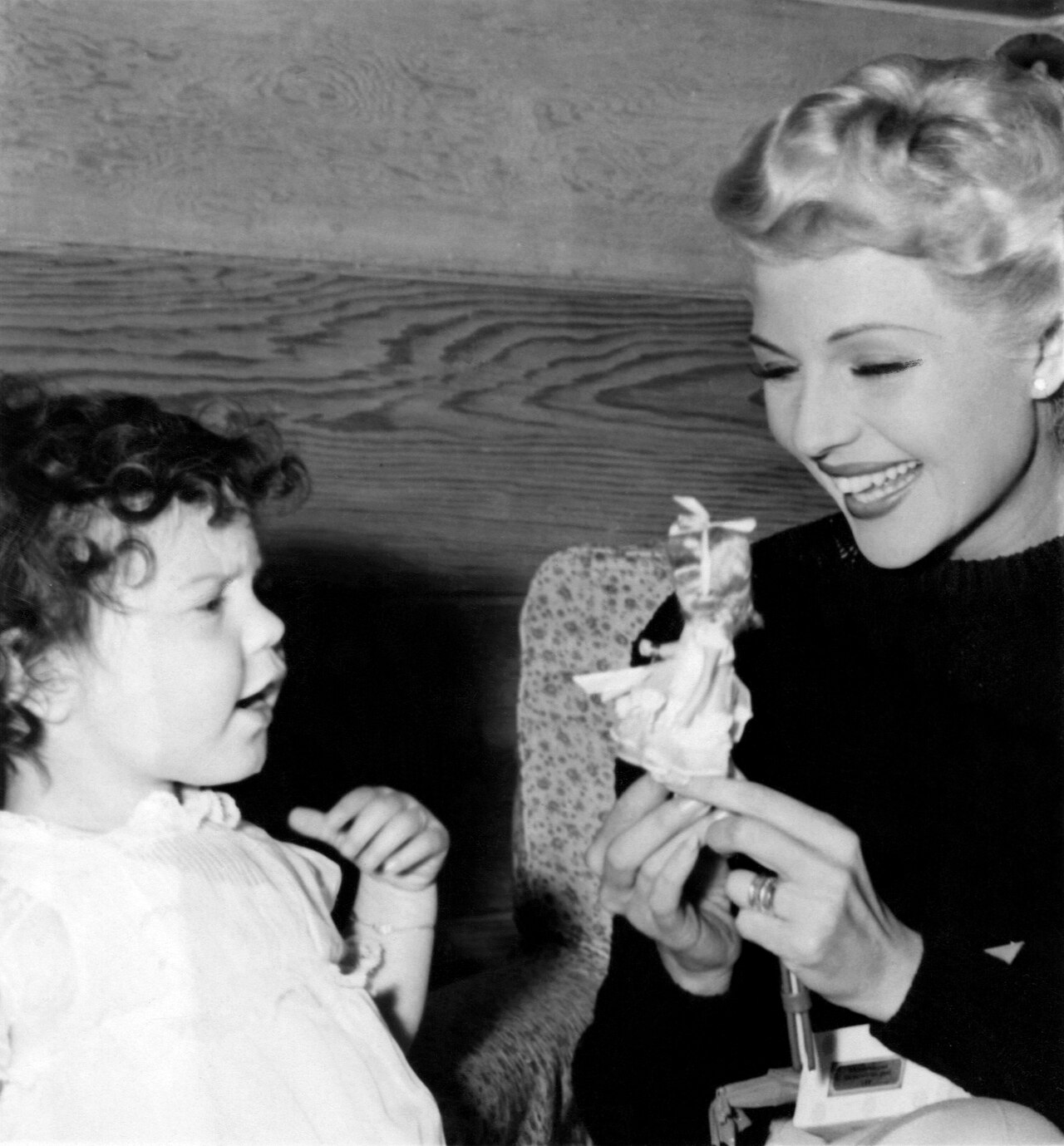
“The Love Goddess” – the title rolled off tongues like honey, sweet and intoxicating. But this wasn’t just Hollywood hyperbole. Rita Hayworth embodied something primal and powerful that transcended the silver screen. During World War II, when the world needed dreams more than ever, she became the second most popular pin-up girl for GIs, trailing only Betty Grable but surpassing her in sheer magnetism.
The transformation from Rita to Goddess was complete when she stepped into the noir shadows of “Gilda” in 1946. Opposite Glenn Ford, she unleashed a femme fatale so intoxicating, so dangerously beautiful, that the film became her calling card to immortality. The way she moved, the way she looked at the camera – it was as if she held secrets that could unravel civilizations.
In “The Lady from Shanghai,” “Blood and Sand,” “Pal Joey,” and “Separate Tables,” she continued to weave her spell, each performance adding depth to a persona that seemed too perfect, too magnetic to be entirely real. The Hollywood Walk of Fame star at 1645 Vine Street, awarded in 1960, seemed almost redundant – she had already carved her name into the hearts of millions.
But goddesses, even love goddesses, are not immune to the cruel whims of fate.
The Cruelest Plot Twist: When Memory Becomes the Enemy
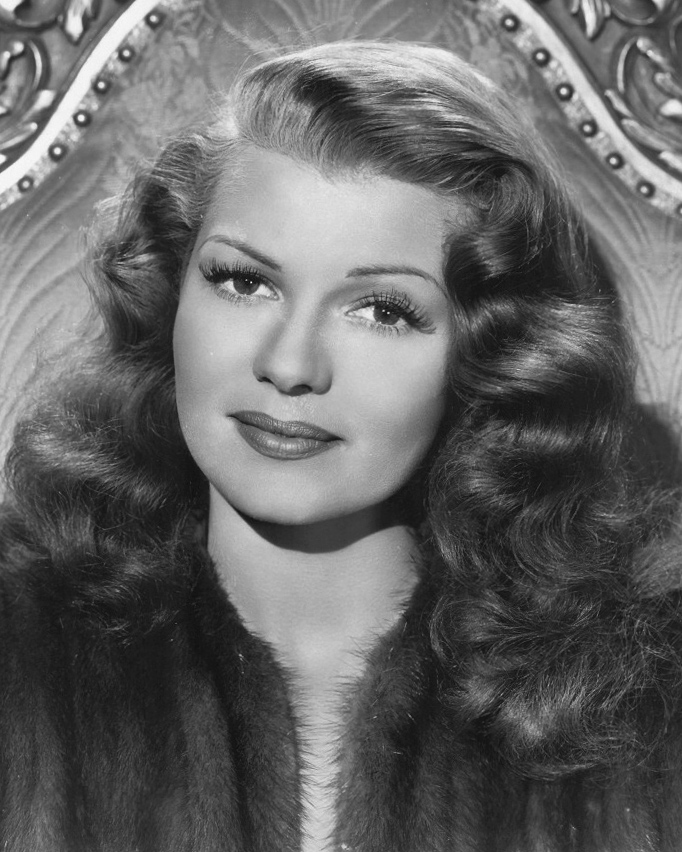
The year 1980 should have been just another chapter in a life lived in the spotlight. Instead, it became the beginning of the most tragic performance Rita Hayworth never chose to give. The diagnosis came like a thunderbolt through clear skies: early-onset Alzheimer’s disease. The woman who had captivated the world with her intelligence, her grace, her ineffable presence, would slowly lose the very essence of who she was.
Imagine the cosmic cruelty – the Love Goddess, whose every gesture had been poetry in motion, whose every glance had told a story, now facing an enemy that attacked from within. The disease that steals memories, that erases the self piece by piece, had chosen perhaps the most unlikely victim imaginable.
For seven years, she battled an invisible enemy more ruthless than any film noir villain. The woman who had danced with Astaire, who had set screens ablaze with her passion, was slowly disappearing behind eyes that had once held the secrets of the universe. In 1987, at age 68, Rita Hayworth’s final curtain fell – not with the dramatic flourish of a Hollywood ending, but with the quiet tragedy of a mind that had simply forgotten how to remember.
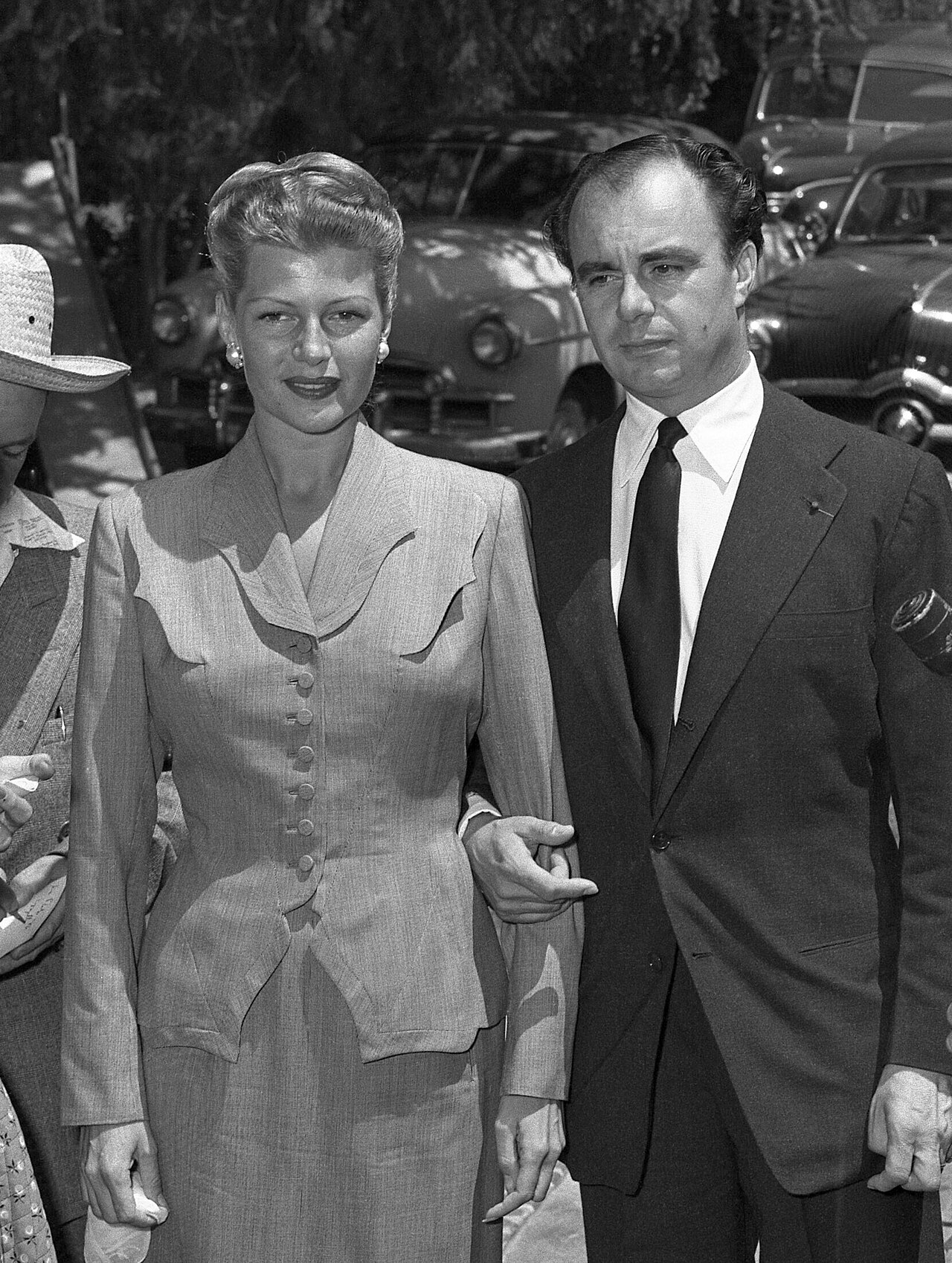
The Lasting Echo of a Love Goddess Lost
Rita Hayworth’s death accomplished something her greatest performances never could – it gave voice to the voiceless millions suffering in silence. The public disclosure of her Alzheimer’s diagnosis and her brave, tragic journey brought unprecedented attention to a disease that had lurked in shadows for too long. Research funding increased, conversations began, and awareness bloomed from the ashes of her personal tragedy.
But questions linger in the golden shadows of old Hollywood. What thoughts flickered through her mind during those final years? Did she remember the magic she had created, the hearts she had captured, the goddess she had become? Or did those memories fade like old film stock, frame by precious frame, until nothing remained but the echo of what once was?
Perhaps that’s the most haunting aspect of Rita Hayworth’s story – not just that we lost her, but that she lost herself. The Love Goddess who had given the world so much beauty, so much passion, so much unforgettable magic, was ultimately robbed of the very memories that made her who she was.
The silver screen remembers what she could not. And in that remembering, Rita Hayworth achieves a different kind of immortality – tragic, beautiful, and forever mysterious.
Photos via Wikimedia Commons (public domain / Creative Commons).