
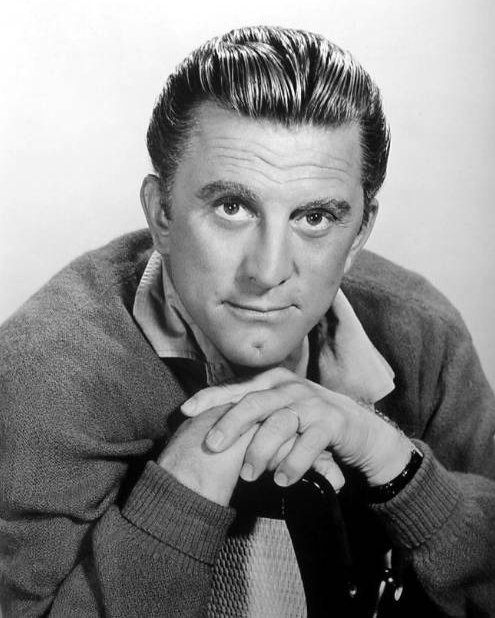
There was something haunting in those piercing blue eyes—something that whispered of battles fought both on screen and off. Kirk Douglas commanded every frame he inhabited with a ferocity that seemed to burn from within, his famous dimpled chin jutting forward like a weapon aimed at fate itself. But behind the explosive performances and box-office triumphs lurked shadows that would follow him through nine decades of extraordinary life. The question isn’t what made Kirk Douglas a legend—it’s what nearly destroyed him, not once, but twice, in ways that would forever change the man beneath the larger-than-life persona.
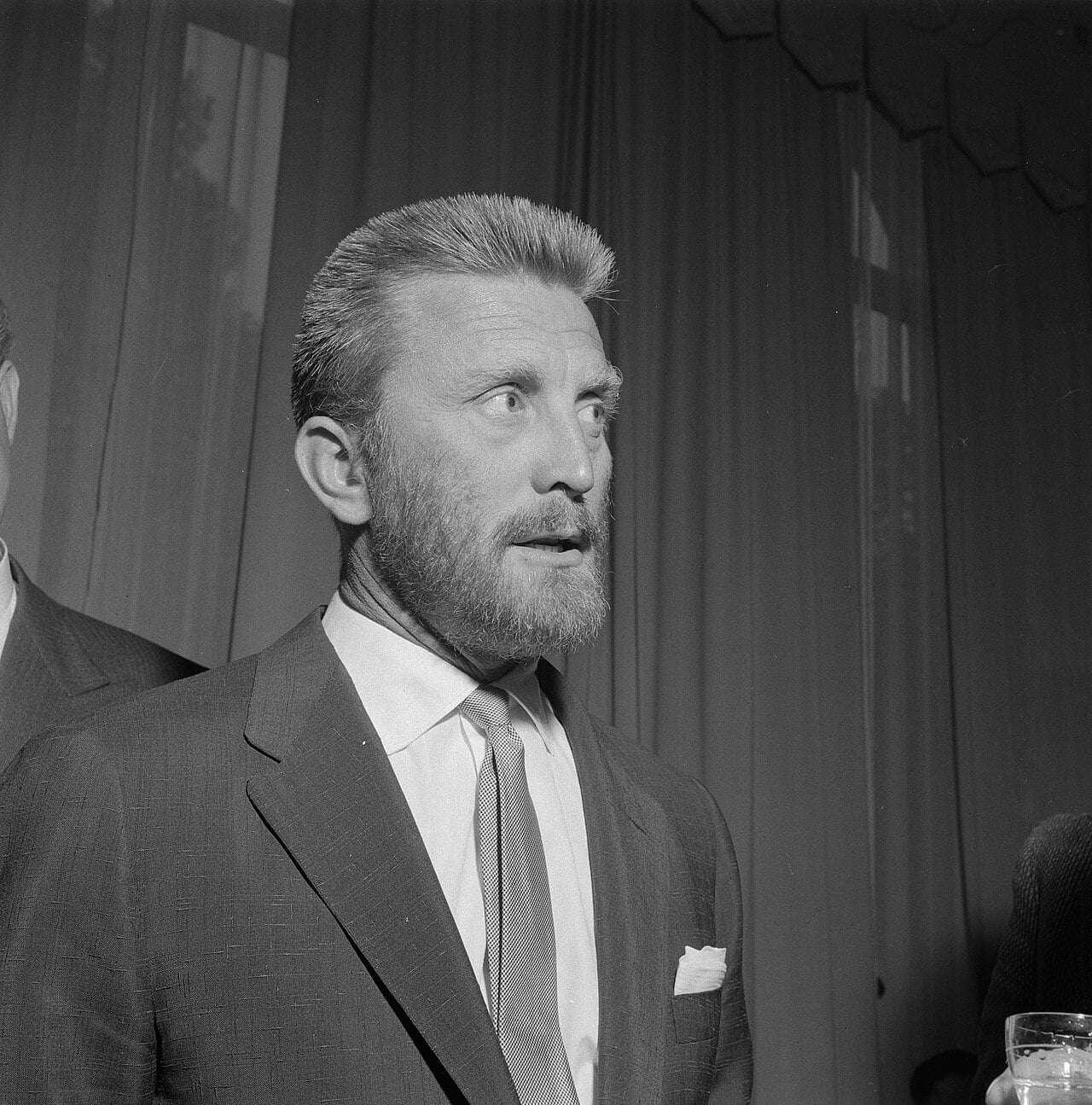
From Rags to Riches: The Birth of an Unstoppable Force
Picture a young man clawing his way out of crushing poverty, his jaw set with the determination that would become his trademark. Kirk Douglas burst onto Hollywood’s silver screen in 1946 with “The Strange Love of Martha Ivers,” sharing the frame with the formidable Barbara Stanwyck. But this wasn’t just another pretty face seeking stardom—this was a force of nature unleashed.
By the 1950s, Douglas had transformed himself into a leading box-office powerhouse, his explosive acting style electrifying audiences across the nation. When he stepped into the ring as an unscrupulous boxing hero in “Champion,” the performance didn’t just earn him his first Academy Award nomination—it announced the arrival of a new kind of leading man. One who could make audiences love him even when he was playing someone utterly despicable.
His meteoric rise continued with a string of unforgettable performances: the duplicitous journalist in “Ace in the Hole,” the tormented detective in “Detective Story,” and perhaps most remarkably, his soul-baring portrayal of Vincent van Gogh in “Lust for Life,” which earned him both an Oscar nomination and a Golden Globe win. The American Film Institute would later crown him the 17th-greatest male star of Classic Hollywood cinema—but numbers could never capture the raw magnetism that made Kirk Douglas impossible to ignore.
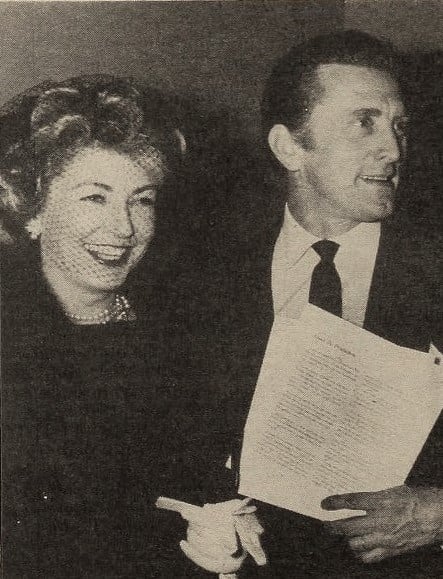
The Icon Who Rewrote the Rules of Power
Douglas wasn’t content to merely act—he seized control of his destiny with the same intensity he brought to every role. In September 1949, at just 32 years old, he established Bryna Productions, a bold move that would reshape not just his career, but Hollywood itself. This was a man who understood that true power lay not just in performing, but in controlling the narrative.
Through his production company, he championed projects that mattered, collaborating with a then-unknown director named Stanley Kubrick on “Paths of Glory” and “Spartacus.” In a move that would echo through history, Douglas arguably helped shatter the notorious Hollywood blacklist by ensuring that Dalton Trumbo received official on-screen credit for writing “Spartacus.” This wasn’t just business—this was conscience in action.
His partnership with Burt Lancaster produced seven films, including the politically charged “Seven Days in May,” proving that Douglas could command the screen alongside any leading man of his era. He appeared in more than 90 films throughout his career, each performance bearing the unmistakable stamp of his ferocious commitment to his craft.
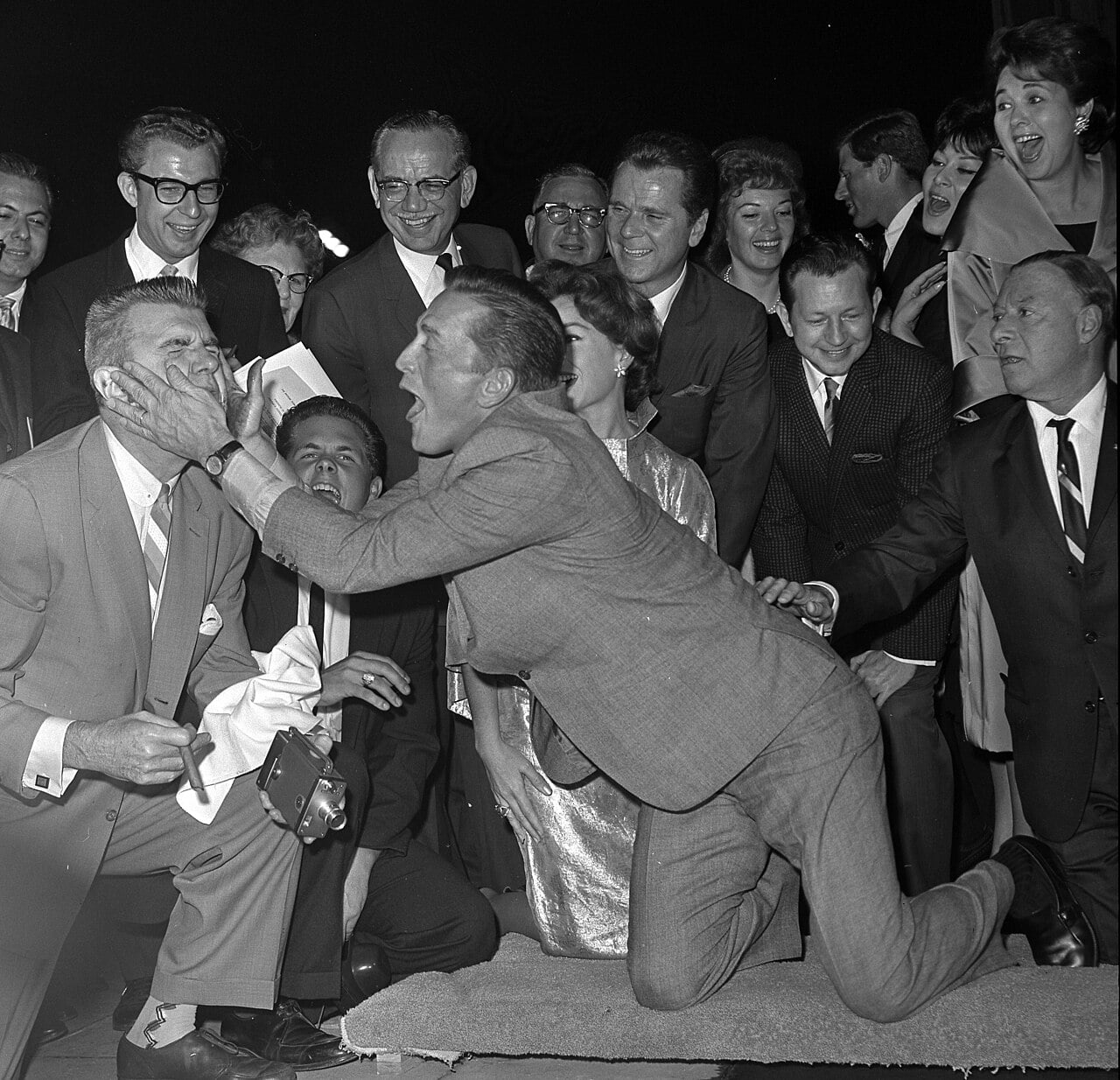
When Death Came Calling: The Shadows That Changed Everything
But success, no matter how brilliant, couldn’t shield Kirk Douglas from the cruel arithmetic of mortality. The man who had conquered Hollywood through sheer force of will would face his greatest adversaries not on any movie set, but in the most terrifying arena of all—the precipice between life and death.
In 1991, death whispered his name in the twisted wreckage of a helicopter crash that he barely survived. Imagine the terror, the sudden realization that all the fame and fortune in the world meant nothing in those horrific moments when survival hung by the thinnest of threads. But this was only the beginning of his ordeal.
Five years later, in 1996, Douglas suffered a devastating stroke that threatened to rob him not just of his career, but of his very identity. The man whose voice had commanded millions was left struggling to speak. The actor who had embodied strength and vitality on screen faced a battle that no amount of explosive acting could win. These twin tragedies—the crash and the stroke—became the crucible that would transform Douglas in ways more profound than any role he’d ever played.
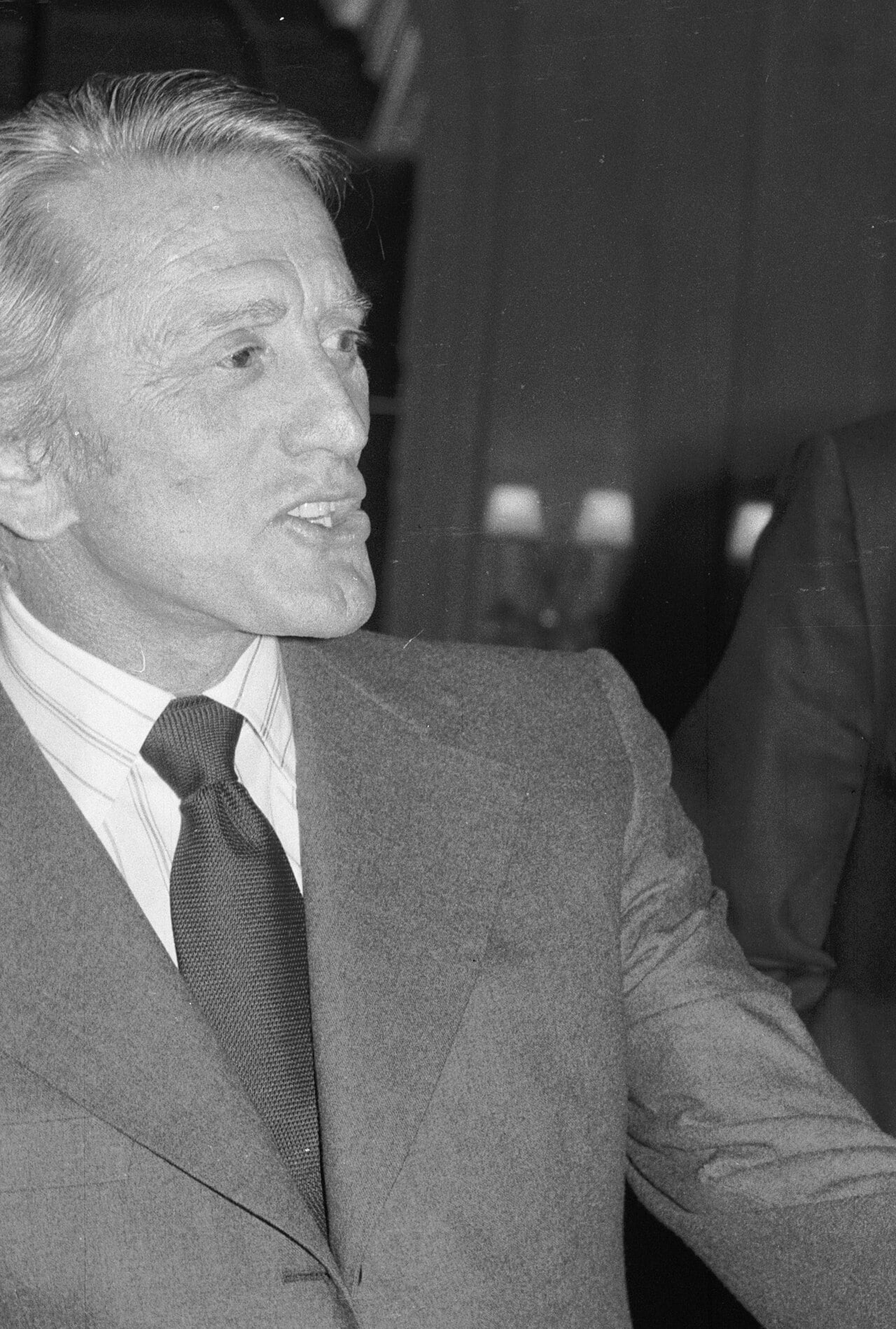
The Eternal Mystery of a Man Who Refused to Surrender
In the aftermath of those dark encounters with mortality, Kirk Douglas embarked on perhaps his most important journey—a spiritual quest for meaning that lasted until his death in 2020 at the remarkable age of 103. He wrote ten novels and memoirs, each one a testament to a mind that refused to be silenced. He received the Academy Honorary Award for Lifetime Achievement and the Presidential Medal of Freedom, honors that recognized not just his artistic achievements, but his indomitable spirit.
Living with his second wife, producer Anne Buydens, Douglas became one of the last surviving stars of Hollywood’s Golden Age, a living bridge between the industry’s mythical past and its uncertain future. Even in his final television appearance in “Touched by an Angel” in 2000, which earned him a third Emmy nomination, there remained that unmistakable glimmer in his eyes—the spark that had made him unforgettable.
But perhaps the greatest mystery isn’t what Kirk Douglas survived, but what he discovered in those quiet moments when the cameras stopped rolling and the applause faded away. What secrets did he carry in that warrior’s heart? What truths did he uncover in his spiritual renewal? The legend of Kirk Douglas lives on, but the man behind the legend—that remains beautifully, eternally enigmatic.
Photos via Wikimedia Commons (public domain / Creative Commons).