
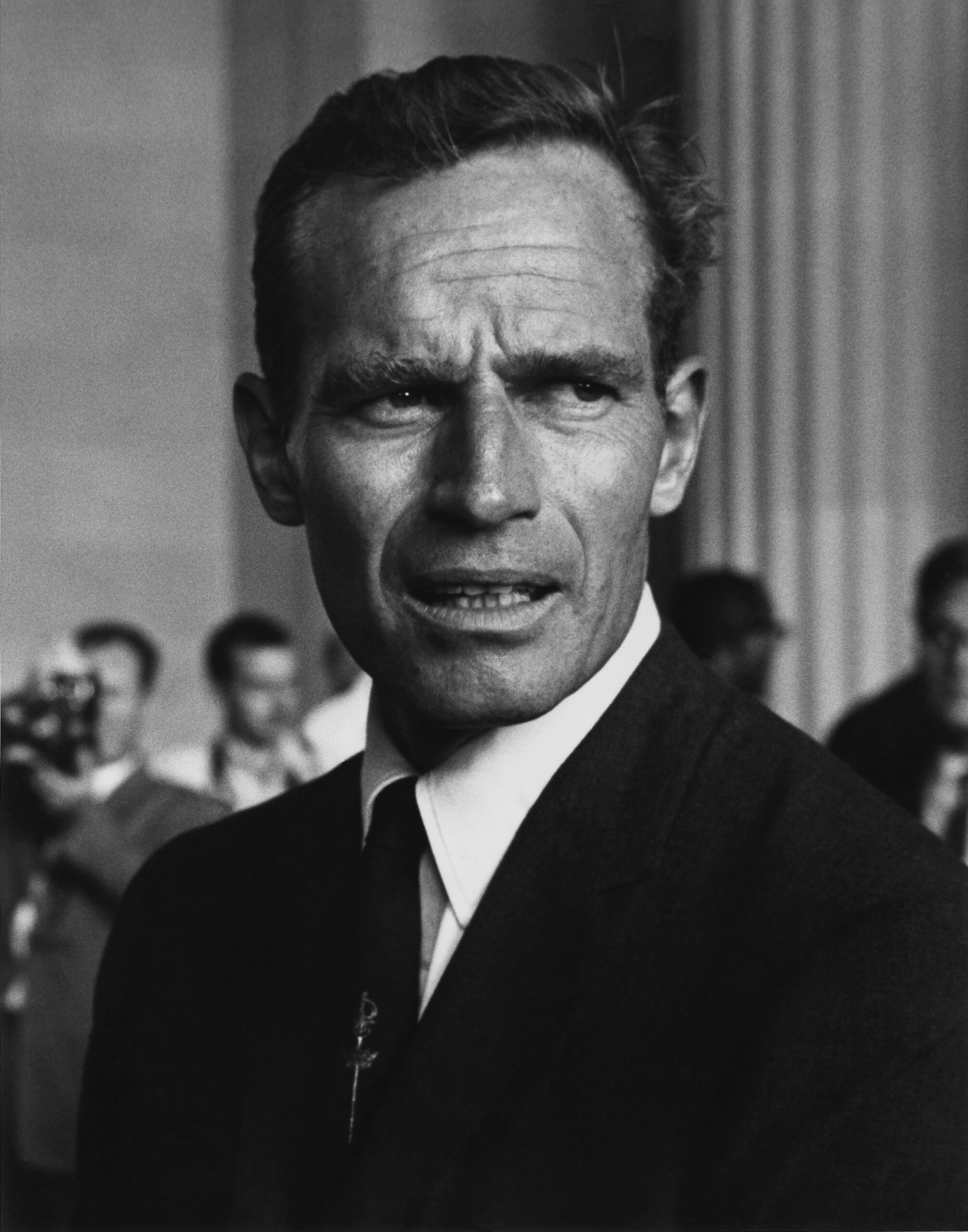
In the flickering darkness of countless movie theaters, audiences watched in awe as Charlton Heston parted the Red Sea, raced chariots through dusty arenas, and stared down dystopian futures. But behind those steel-blue eyes and granite jaw lay a complexity that would shock even his most devoted fans. The man who portrayed Moses and Ben-Hur harbored secrets that would only surface in his twilight years—revelations that would force America to confront uncomfortable truths about one of its most beloved icons.
What drove this Hollywood colossus to make a choice so stunning, so contradictory to his earlier self, that it would redefine his entire legacy? The answer lies buried in decades of private struggles, political awakening, and a transformation so profound it would leave even his closest allies questioning everything they thought they knew about Charlton Heston.
The Titan Who Made Gods Walk Among Mortals
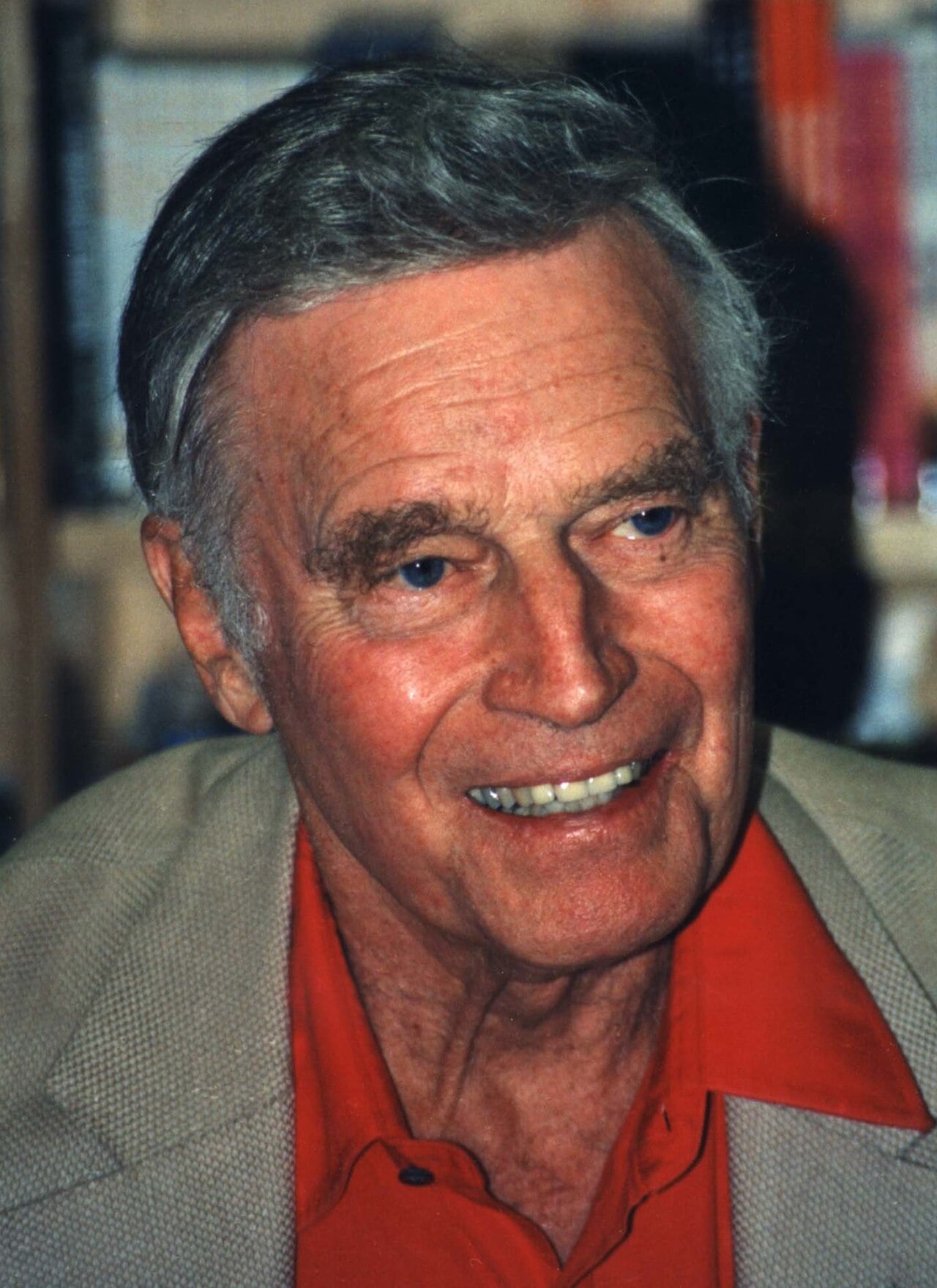
The cameras rolled, and suddenly Charlton Heston wasn’t just an actor anymore—he *was* Moses. Standing atop Mount Sinai with stone tablets in hand, his voice thundering across the desert, Heston commanded the screen in The Ten Commandments with a presence that seemed to channel divinity itself. This wasn’t mere performance; this was cinematic resurrection.
But it was Ben-Hur that truly crowned him king of Hollywood. The chariot race sequence alone—six months of grueling preparation, real horses thundering across the arena floor, Heston gripping the reins with white knuckles—became the stuff of legend. When the Academy handed him the golden statuette for Best Actor, they weren’t just recognizing a performance; they were acknowledging a force of nature.
From The Greatest Show on Earth to Planet of the Apes, Heston didn’t just star in films—he anchored civilizations. Whether facing down dystopian futures in The Omega Man or commanding Roman legions in Julius Caesar, his presence transformed every frame into epic mythology. Directors didn’t cast Charlton Heston; they summoned him.
The accolades poured in like offerings to a god: Academy Awards, Golden Globes, the Kennedy Center Honors, and finally, the Presidential Medal of Freedom. Each honor seemed insufficient to capture the magnitude of what Heston brought to the silver screen—a gravitas that made audiences believe in heroes again.
The Paradox Behind the Granite Facade
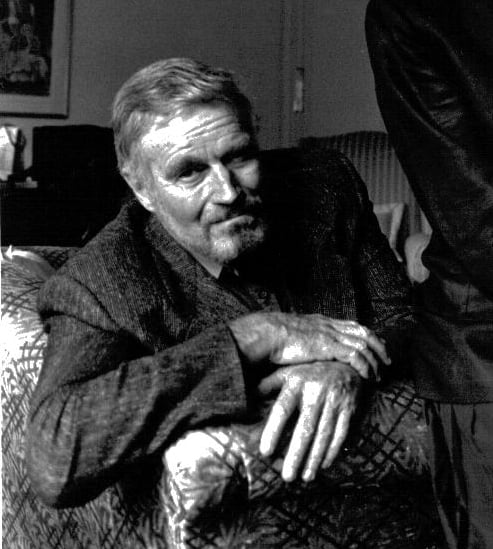
But here’s where the Charlton Heston story takes its first mysterious turn. The man who would later become synonymous with conservative politics spent the 1950s and early 1960s as something entirely different—a Hollywood radical willing to stake his career on justice.
While other stars remained silent, Heston openly denounced racism when it could have destroyed his career. He marched alongside civil rights activists, his famous face visible in crowds demanding equality. This wasn’t publicity—this was principle. The same commanding voice that had delivered biblical pronouncements now thundered for civil rights, making him one of the few Hollywood actors brave enough to take a stand.
Picture this: the man who portrayed Moses, the great liberator, actually living those principles in real life. Heston’s support for the civil rights movement wasn’t a role he played—it was who he was. Or so it seemed.
But something was stirring beneath that noble exterior. Forces were at work that would eventually crack open the man America thought it knew, revealing contradictions that would haunt his legacy forever.
The Shocking Metamorphosis That Changed Everything
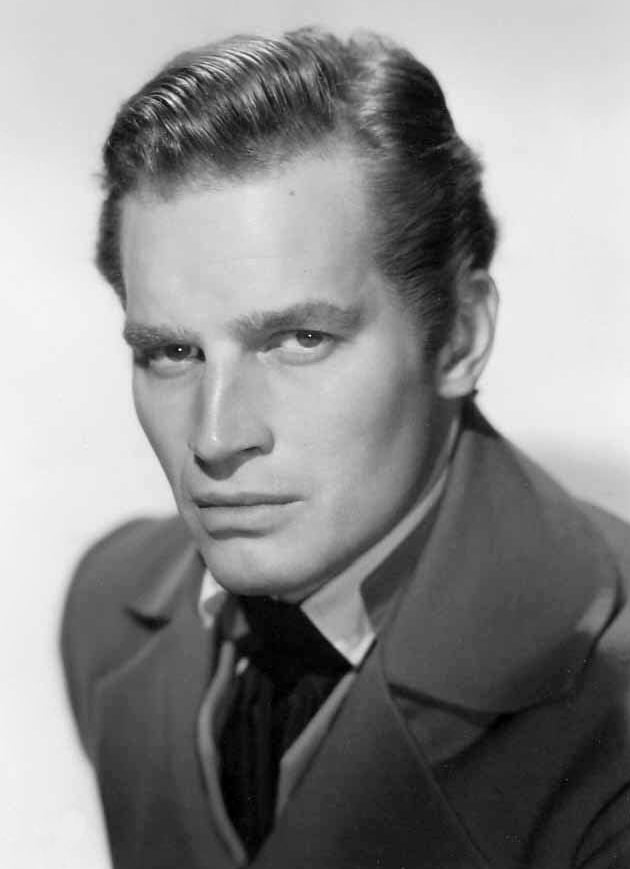
Then came 1987—the year Charlton Heston stunned Hollywood and America by abandoning the Democratic Party to become a Republican. But this wasn’t just a political switch; it was a complete philosophical transformation that seemed to contradict everything he had once stood for.
The civil rights champion who had marched for equality now founded a conservative political action committee. The man who had once stood with the oppressed now stood with Ronald Reagan’s conservative revolution. But the most shocking transformation was yet to come.
In 1998, Heston assumed the presidency of the National Rifle Association—not just as a figurehead, but as its most visible and vocal defender. The same voice that had once proclaimed “Let my people go!” now declared “From my cold, dead hands!” as he raised a rifle above his head at NRA conventions. Five terms he served, each one distancing him further from the young activist who had championed civil rights.
How does a man undergo such a complete reversal? What forces, what experiences, what private revelations could transform a civil rights champion into a conservative icon? The answers remained locked behind Heston’s increasingly private demeanor, hints of a deeper story that the public would never fully understand.
But then came 2002, and with it, a revelation that cast everything in a heartbreaking new light.
The Final Curtain and the Truth That Changes Everything
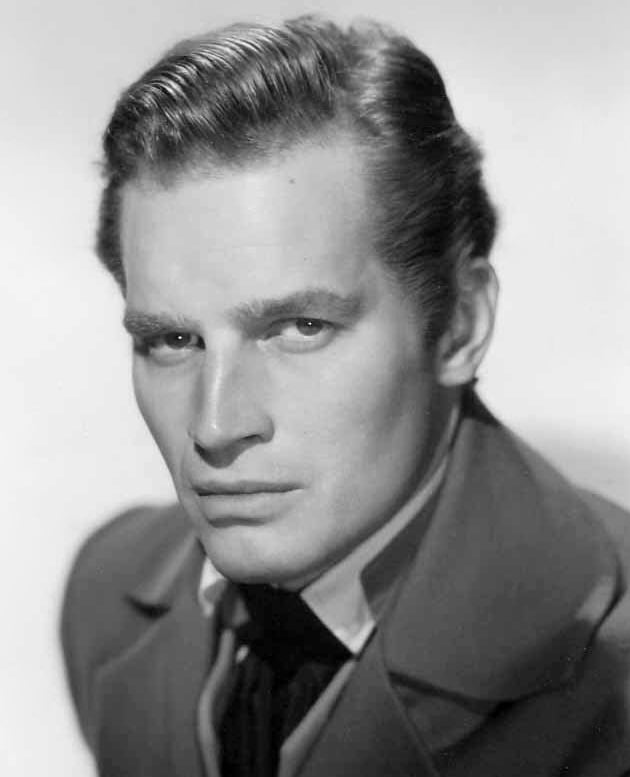
The announcement came quietly, almost reluctantly: Charlton Heston had Alzheimer’s disease. The titan who had commanded armies and parted seas was facing an enemy that no amount of heroic determination could defeat. With characteristic dignity, he stepped down from the NRA presidency and retired from acting, disappearing from the public eye that had adored him for decades.
But here lies the haunting question that will forever shroud Heston’s legacy in mystery: How much of his dramatic political transformation was the man making conscious choices, and how much was already the early manifestation of a mind under assault? The timeline remains tantalizingly unclear, the medical records private, the truth locked away with the man himself.
Did America witness the genuine evolution of a complex thinker, or were we watching, unknowingly, as a great mind began its tragic decline? The man who had portrayed so many larger-than-life characters in his final act became the most enigmatic character of all—himself.
The awards continued to accumulate posthumously, but they couldn’t answer the questions that matter most. Somewhere between the young civil rights activist and the aging conservative icon lies a truth about Charlton Heston that may never be fully revealed—a final mystery as compelling as any role he ever played, leaving us to wonder who the real man behind those steel-blue eyes truly was.
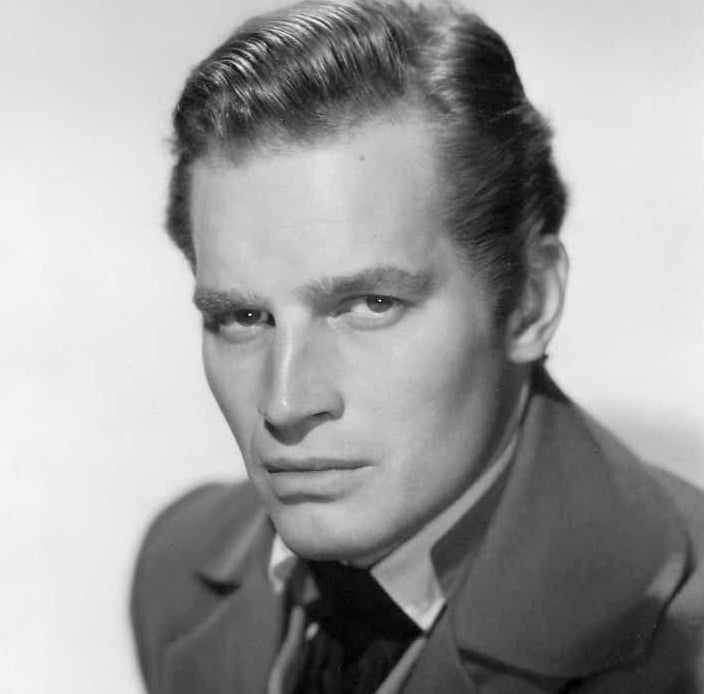
Photos via Wikimedia Commons (public domain / Creative Commons).