
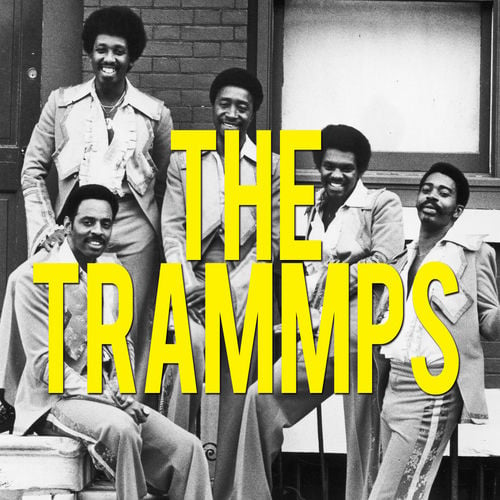
Imagine the atmosphere inside Studio 54 at the height of the mid-seventies: the thick air of hairspray, the relentless strobe lights cutting through the haze, and the smell of excess. In 1976, The Trammps unleashed a track that many club-goers initially dismissed as just another rhythmic filler. Little did they know, this song would soon erupt from the underground pulse of the city to become the definitive anthem of the entire disco era, turning The Trammps into unexpected legends of the dance floor.
That song was Disco Inferno. Before it became a household name synonymous with Saturday Night Fever, it was a gritty, high-energy experiment from a group that struggled to break into the mainstream. The Trammps, led by the gravelly and soulful voice of Jimmy Ellis, were veterans of the Philadelphia soul scene. They weren’t your typical polished pop stars; they were a hardworking collective who knew how to manipulate a groove until it felt like an physical obsession. When they recorded the track, the energy in the studio was electric, yet the industry was skeptical about whether such an intense, repetitive beat could hold a listener’s attention.
As the needle dropped on the vinyl, the song did more than just play; it commanded movement. The Trammps channeled a raw, feverish desperation into their vocal delivery that mirrored the intensity of the disco movement itself. It was the sound of a generation trying to lose themselves in the lights, far away from the economic malaise and social tension gripping the nation outside the club doors. For those carrying their oversized Walkmans or huddled around a jukebox, The Trammps provided an escape that felt both dangerous and divine.
What makes the story of The Trammps so fascinating is how close Disco Inferno came to disappearing into the archives of failed disco experiments. It wasn’t an instant smash; it had to crawl its way up the charts through the sweat of club DJs and the sheer persistence of the band. Once it caught fire, it became uncontrollable. It didn’t just top the charts; it became the heartbeat of a cultural moment. The song captured the fragility of the era—the feeling that we were all dancing on the edge of a precipice, fueled by disco balls and glitter.
Even decades later, hearing those opening drum hits triggers a sensory flashback to a time when music was the center of our social universe. The Trammps remind us that behind every massive hit, there is a group of people grinding away in relative anonymity until lightning strikes. Their legacy is etched into the history of American music, proving that disco was never just a trend, but a visceral rebellion expressed through rhythm. While the neon lights of the seventies have long since dimmed, the inferno they ignited continues to burn bright in our collective memory every time we hear that familiar, infectious beat.