
Audiences knew José Iturbi as the man with the golden hands — precise, controlled, untouchable at the keyboard. What they didn’t know was that the same man spent his free hours strapped into cockpits and race cars, chasing speeds that could have ended his career, or his life, in an instant.
Studio publicists tried to bury it. Concert promoters prayed he’d stay grounded before opening night. So why did one of the most disciplined musicians of the twentieth century keep risking everything for a thrill no one applauded?
From Valencia’s Prodigy to America’s Piano King
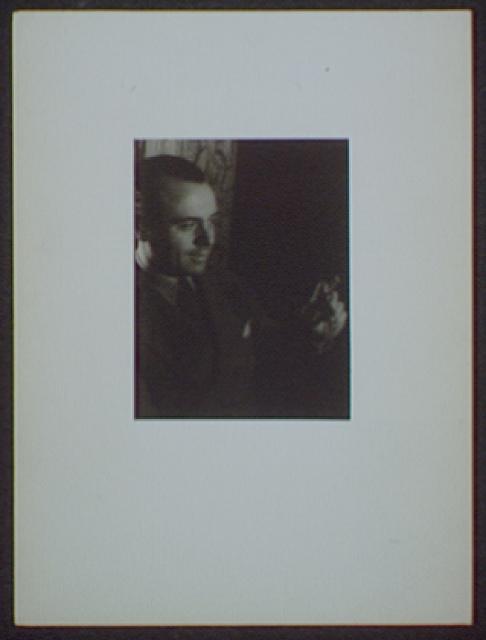
By the 1940s, José Iturbi was filling concert halls across America and starring in MGM musicals, his name synonymous with elegant, effortless mastery. Critics called his playing mathematically perfect. Audiences called him a matinee idol. Behind the image of total composure, though, Iturbi was quietly building an entirely different reputation among a very different crowd — pilots and mechanics.
The Pianist Who Needed to Fly
Iturbi earned his pilot’s license years before it was fashionable for celebrities to fly themselves anywhere, and he treated it as seriously as his music. Friends described a man who found the same trance-like focus in a cockpit that he found at the keyboard — except here, a wrong move meant something far worse than a missed note. He also raced cars competitively, chasing speed the way other virtuosos chased perfect pitch.
The Secret MGM Fought to Hide
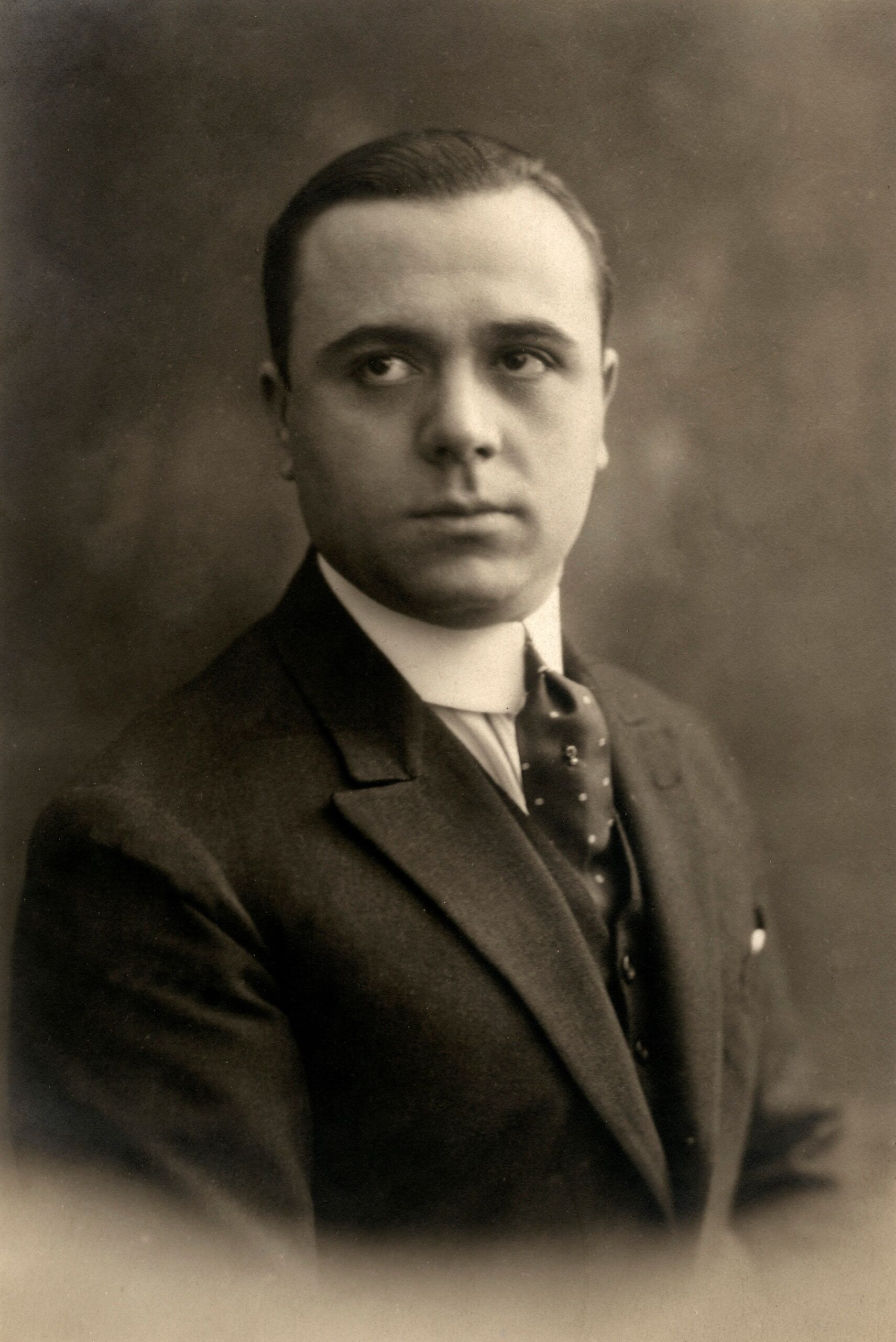
MGM insured Iturbi’s hands for a fortune — and studio contracts reportedly tried to restrict his riskier hobbies before major film shoots. He didn’t listen. More than once, he disappeared to airstrips and tracks against direct studio orders, leaving executives scrambling to explain his absence, terrified that the world’s most bankable classical star might not survive his own downtime.
What the Speed Really Meant
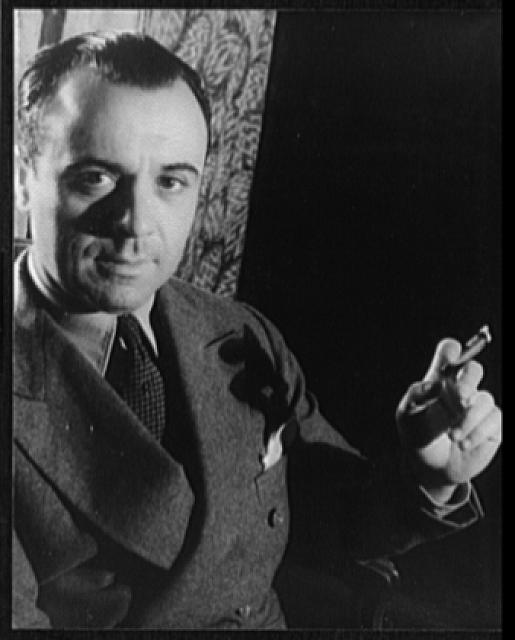
Today, Iturbi is remembered mainly for his recordings and his brief Hollywood stardom, his daredevil streak reduced to a footnote in biographies. But those who knew him insisted the planes and race cars weren’t a contradiction to his art — they were the only place he could feel as free as he did on stage, minus the audience watching his every move.
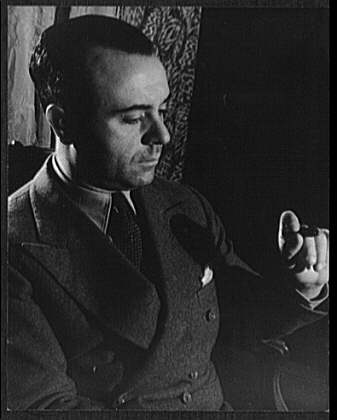
Photos via Wikimedia Commons (public domain).