
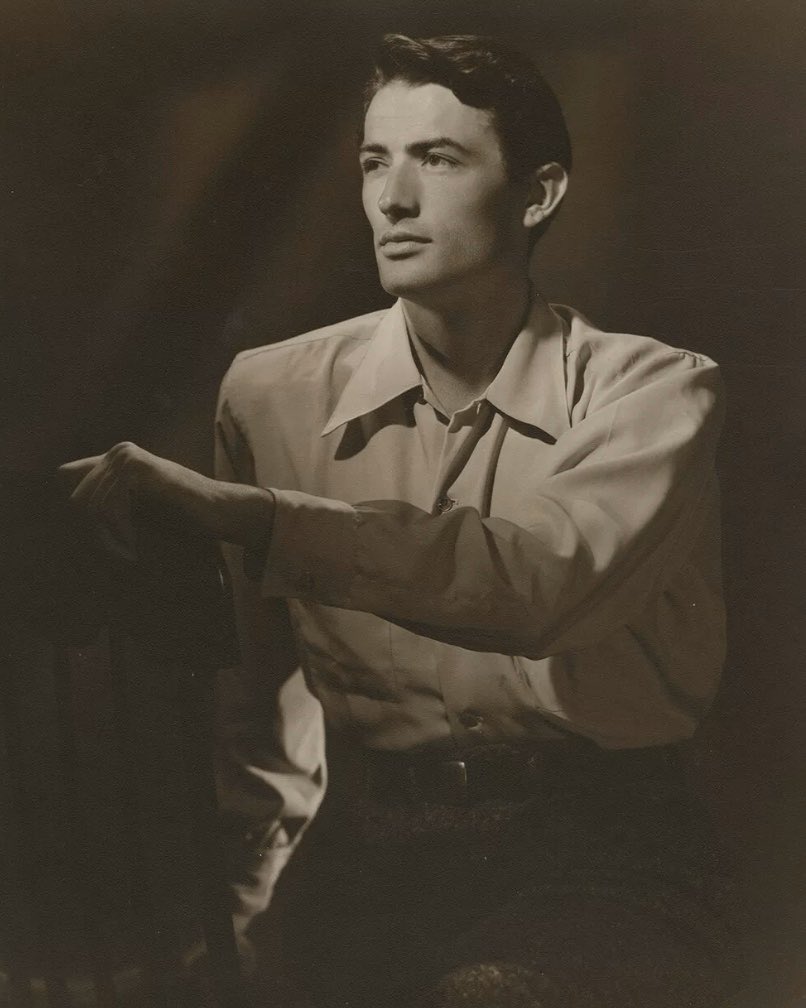
Gregory Peck nearly passed on To Kill a Mockingbird, unsure that a quiet, small-scale drama about a small-town lawyer would matter much to audiences or his own career. It went on to win him his only Academy Award and become one of the most beloved films in American history.
Peck himself later called it the role of his lifetime, a role he almost let pass him by.
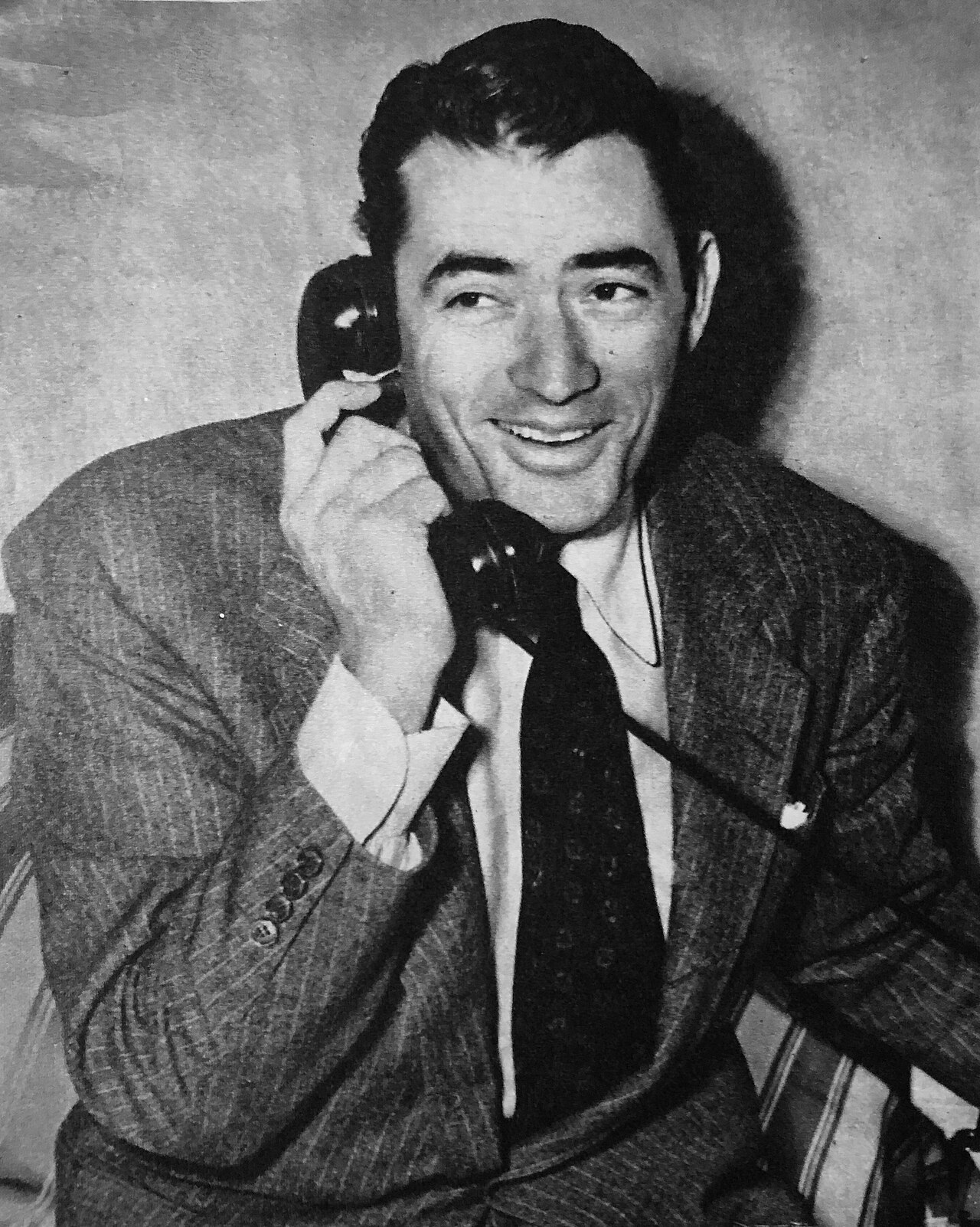
A Modest Project on a Long Résumé
By 1962, Peck was already a well-established leading man with a string of major studio films behind him. When the adaptation of Harper Lee’s To Kill a Mockingbird was proposed, it was a relatively modest, black-and-white production compared to the larger studio pictures he had been offered.
Peck reportedly hesitated before accepting the role of Atticus Finch, uncertain whether such a quiet, character-driven story could compete commercially with the bigger productions of the era.
A Personal Connection That Changed His Mind
What ultimately convinced him was a deep personal connection to the character, a principled small-town lawyer defending a Black man falsely accused in the racially charged American South. Peck later said he saw in Atticus qualities he deeply admired and aspired to embody in his own life.
He committed fully to the role, working closely with author Harper Lee during the production to ensure the character remained true to her vision.
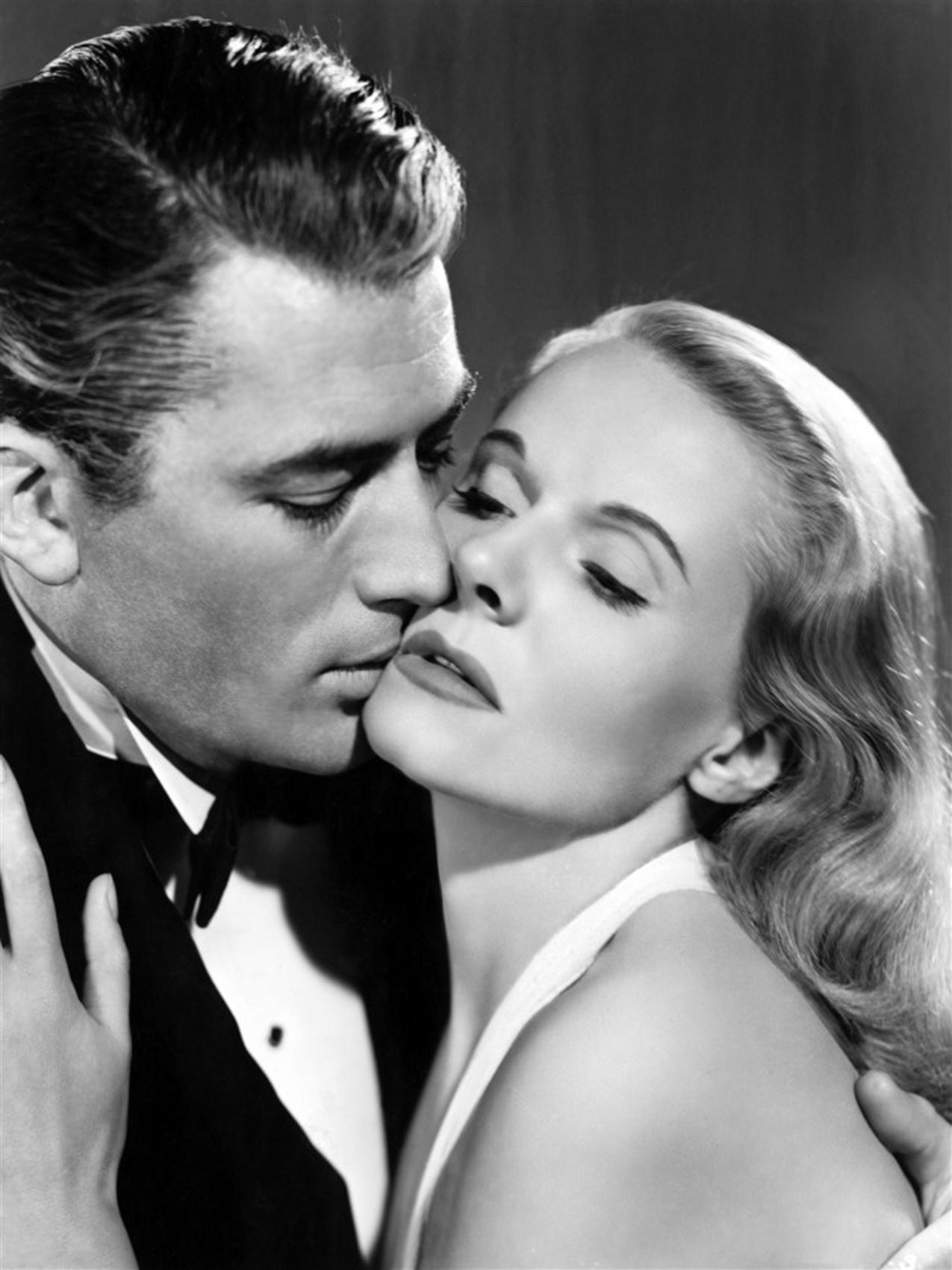
A Performance That Redefined His Career
The film became both a critical and commercial success upon release, earning widespread acclaim and eventually being recognized as one of the greatest American films ever made. Peck won the Academy Award for Best Actor, the only competitive Oscar of his career.
The American Film Institute later named Atticus Finch the greatest movie hero of the twentieth century, a role Peck had once nearly turned down.
A Role He Never Stopped Cherishing
Peck remained close friends with Harper Lee for the rest of his life, and reportedly kept a deep personal attachment to the role for decades, often naming it as the performance he was proudest of.
What began as a role he wasn’t sure was worth his time became the defining achievement of an already remarkable career.
Photos via Wikimedia Commons (public domain / Creative Commons).