
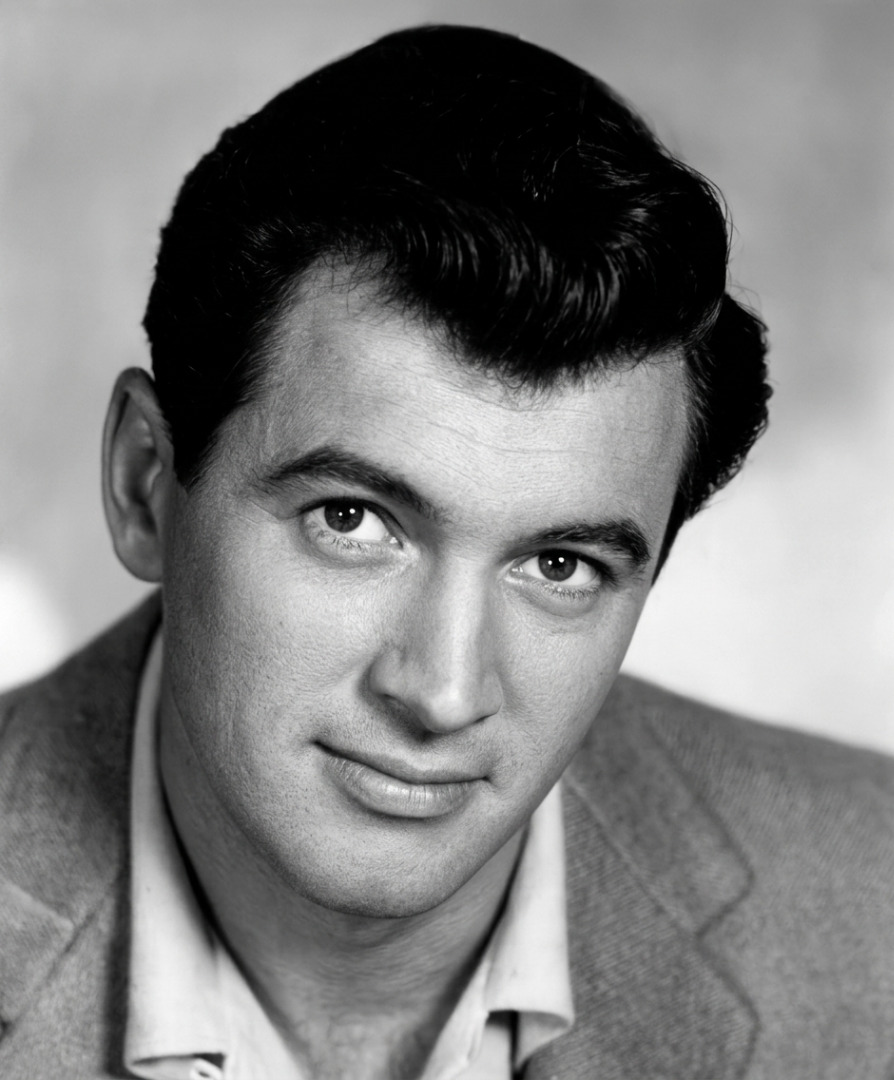
In July 1985, Rock Hudson’s publicist confirmed what tabloids had been speculating about for weeks: the leading man had AIDS. He became the first major Hollywood star to be publicly identified with the disease, at a time when it was still widely misunderstood and deeply stigmatized.
The announcement sent shockwaves through the country, forcing a national conversation that had, until then, largely been avoided.
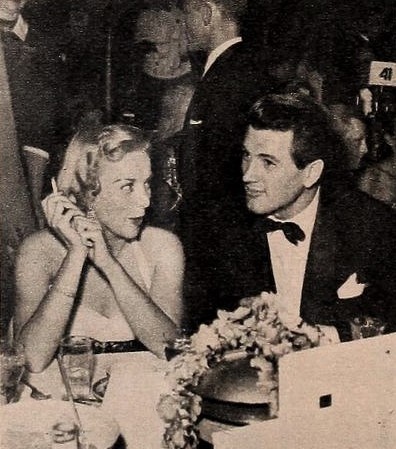
A Diagnosis Kept Secret for Over a Year
Hudson had actually been diagnosed with AIDS in 1984, more than a year before the news became public. He continued working during this period, including filming scenes for the television series Dynasty, all while keeping his diagnosis closely guarded.
His noticeably declining health, however, became increasingly difficult to hide from colleagues and the press, fueling speculation long before any official confirmation.
A Public Confirmation Forced by Circumstance
The announcement finally came while Hudson was in Paris seeking experimental treatment, at which point his condition had become impossible to hide any longer. His publicist confirmed he was suffering from AIDS-related complications, making global headlines within hours.
The revelation shocked much of the public, given Hudson’s decades-long image as one of Hollywood’s quintessential leading men, a persona built by the studio system that had also kept his private life carefully hidden for most of his career.
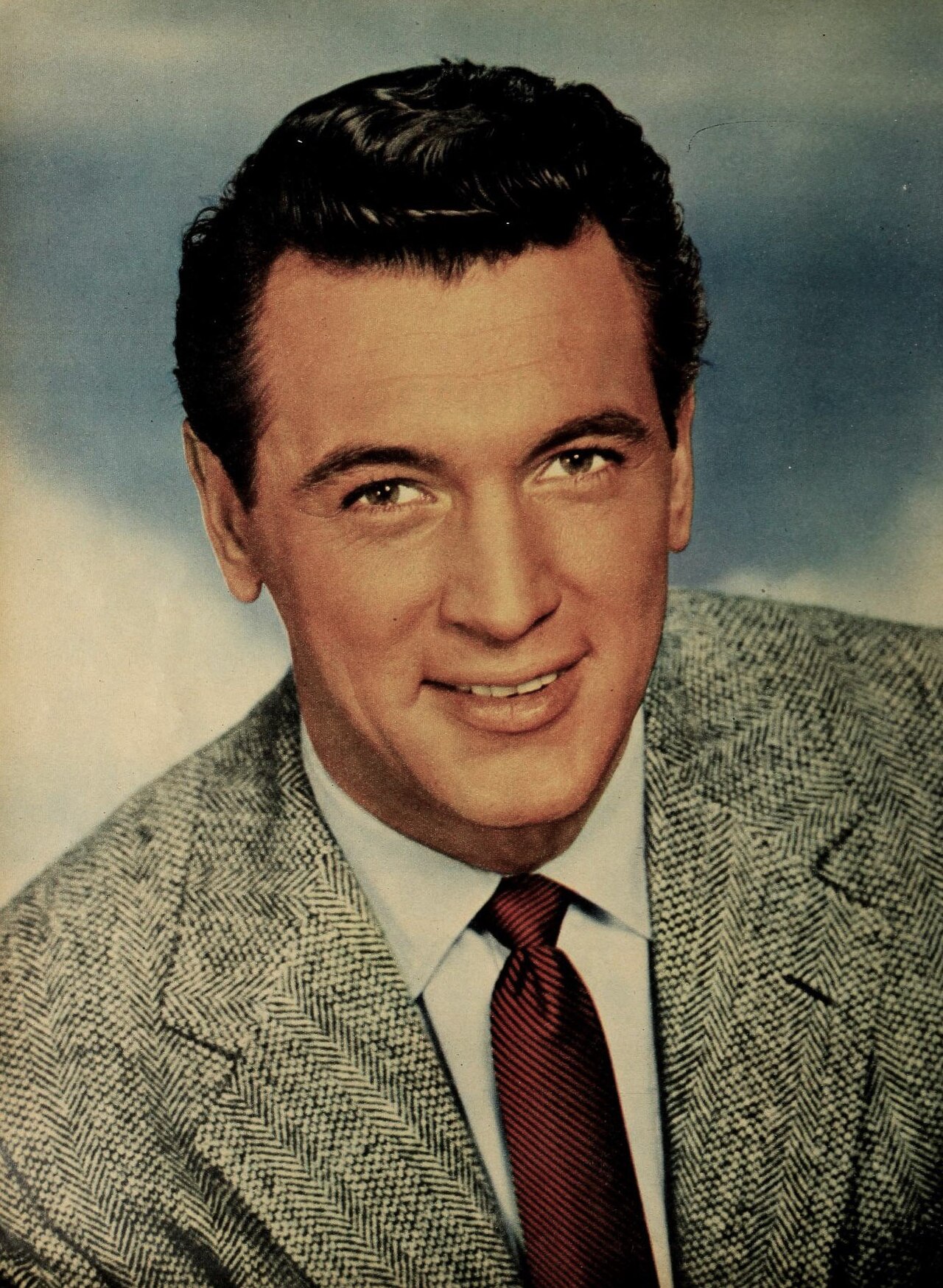
A Legacy That Reshaped Public Understanding
Hudson’s diagnosis and subsequent death that October brought AIDS into mainstream American conversation in a way that had never happened before, prompting increased research funding and public awareness at a critical moment in the epidemic.
Close friend Elizabeth Taylor, deeply affected by his death, went on to become one of the most prominent AIDS activists in the world, co-founding a major research foundation directly inspired by losing him.
A Final Act That Changed the Narrative
Hudson died in October 1985, just months after his diagnosis was made public. His decision, whether forced or embraced, to make his illness known is widely credited by historians with accelerating public understanding of the disease at a pivotal moment.
Decades later, Hudson is remembered not only for his decades of leading roles but for a final chapter that helped change how an entire nation talked about a disease it had, until then, largely refused to discuss.
Photos via Wikimedia Commons (public domain / Creative Commons).