

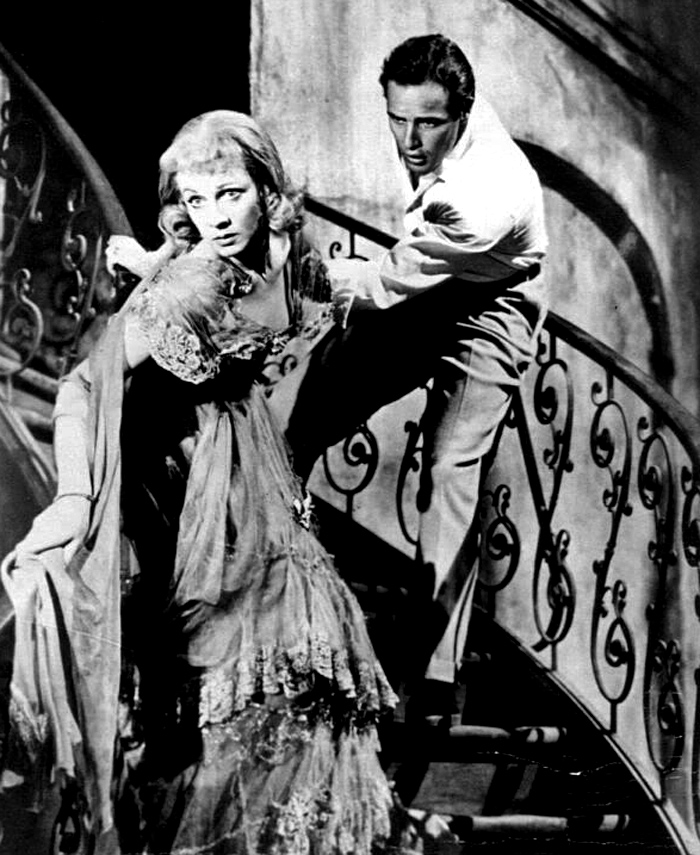
To audiences, Vivien Leigh was the picture of grace, an Oscar-winning beauty who brought Scarlett O’Hara and Blanche DuBois to life with unforgettable intensity. Behind that performance was a woman fighting a private, often terrifying battle that few around her fully understood at the time.
Leigh lived with what we now recognize as bipolar disorder, a condition so poorly understood in her era that its episodes sometimes halted entire film productions.
Signs That Emerged Early
Those close to Leigh noticed dramatic mood swings from relatively early in her career, periods of intense energy and creativity followed by devastating emotional lows. In the 1940s and 1950s, mental illness carried enormous stigma, and terminology like bipolar disorder didn’t yet exist in common medical or public usage.
Instead, Leigh’s episodes were often described in the press using vague, dismissive language, leaving both the public and, at times, Leigh herself without a clear understanding of what she was actually experiencing.
Productions Disrupted by Illness
On multiple occasions, Leigh’s condition became severe enough to disrupt filming and stage productions entirely, including well-documented episodes during international theater tours where she experienced what were described at the time as nervous breakdowns.
Treatments available at the time, including electroconvulsive therapy, were crude by modern standards and often provided only temporary relief, leaving Leigh to manage the condition largely without the tools that exist today.
A Marriage Strained by the Struggle
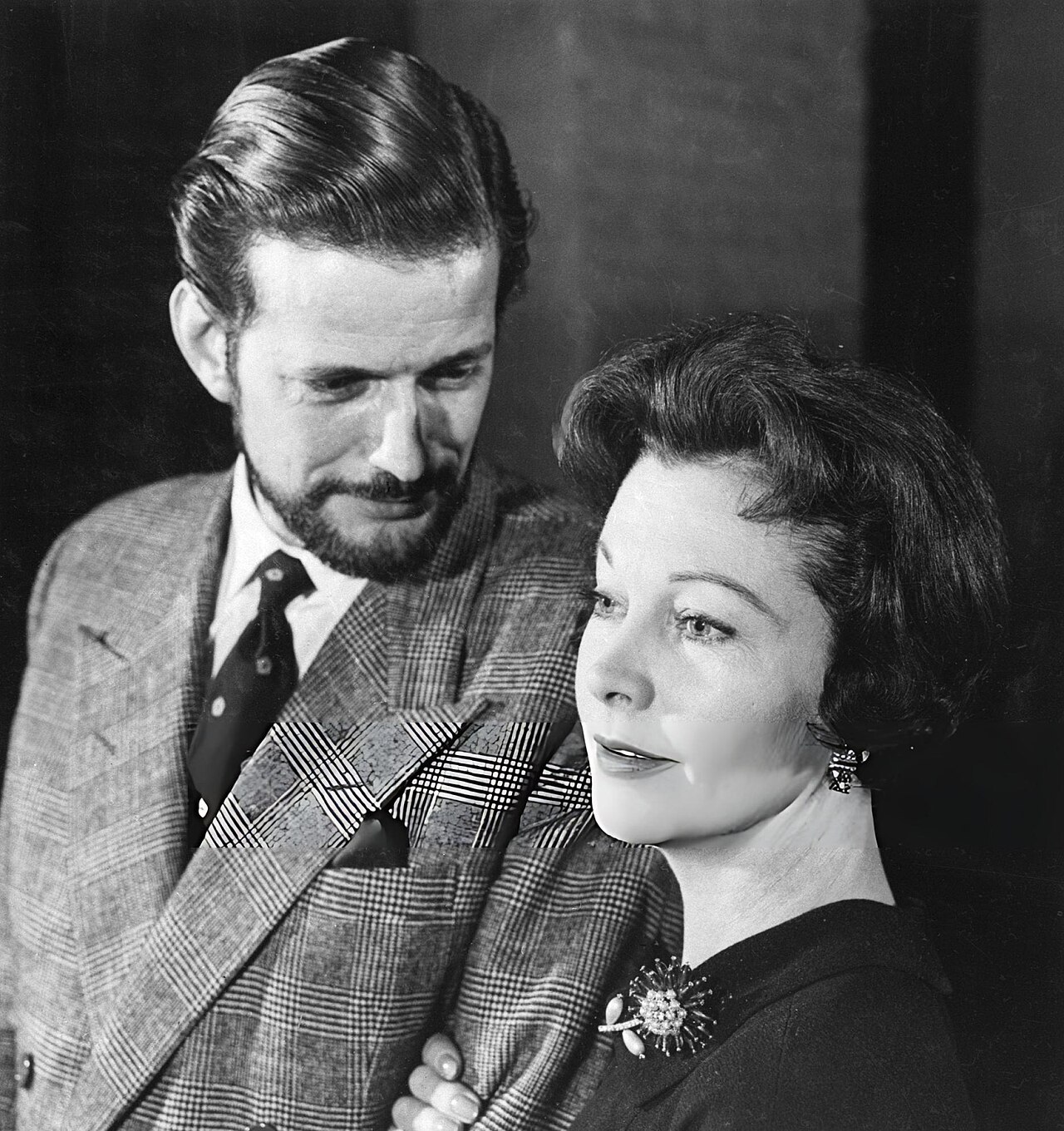
Leigh’s marriage to Laurence Olivier, one of the most celebrated theatrical partnerships of the era, was significantly affected by her condition, with Olivier later writing candidly about the toll it took on their relationship over two turbulent decades together.
Despite the immense personal difficulty, Leigh continued working throughout much of her adult life, delivering some of her most acclaimed performances during periods when she was privately managing severe symptoms.
A Legacy Reconsidered With Modern Understanding
Leigh also battled tuberculosis for much of her adult life, a combination of physical and mental illness that made her later career all the more remarkable. She died in 1967 at the age of fifty-three.
With modern understanding of bipolar disorder, biographers and mental health advocates have since reexamined Leigh’s life with far greater compassion, recognizing the extraordinary resilience it took to deliver some of cinema’s most iconic performances while fighting a battle so few around her truly understood.
Photos via Wikimedia Commons (public domain / Creative Commons).