
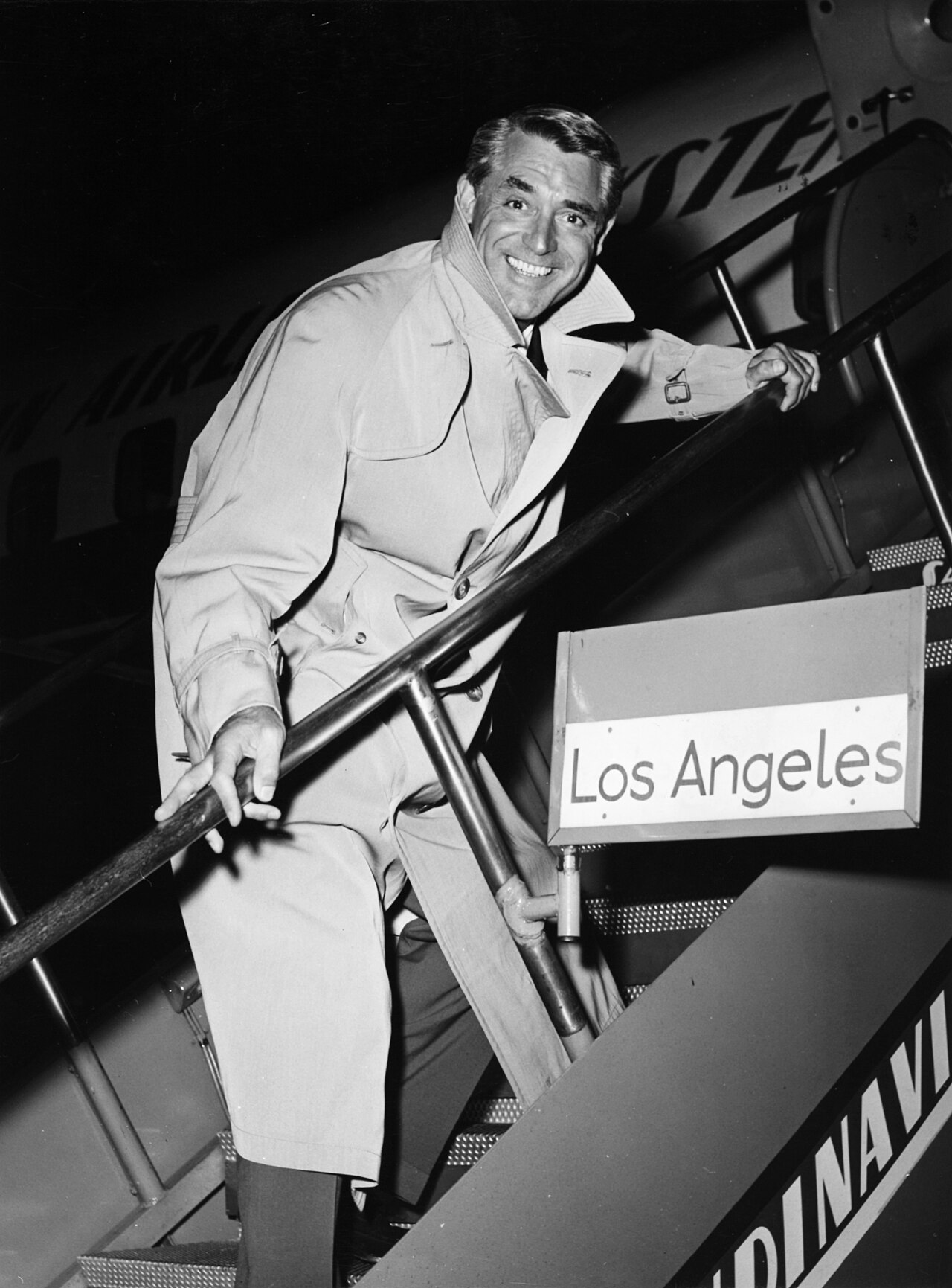
In the late 1950s, at the height of his fame, Cary Grant began a secret and highly unconventional treatment: therapeutic LSD sessions under a psychiatrist’s supervision. He underwent the treatment more than one hundred times, years before the drug was made illegal.
He later spoke about it more openly than almost anyone would have expected from one of Hollywood’s most polished leading men.
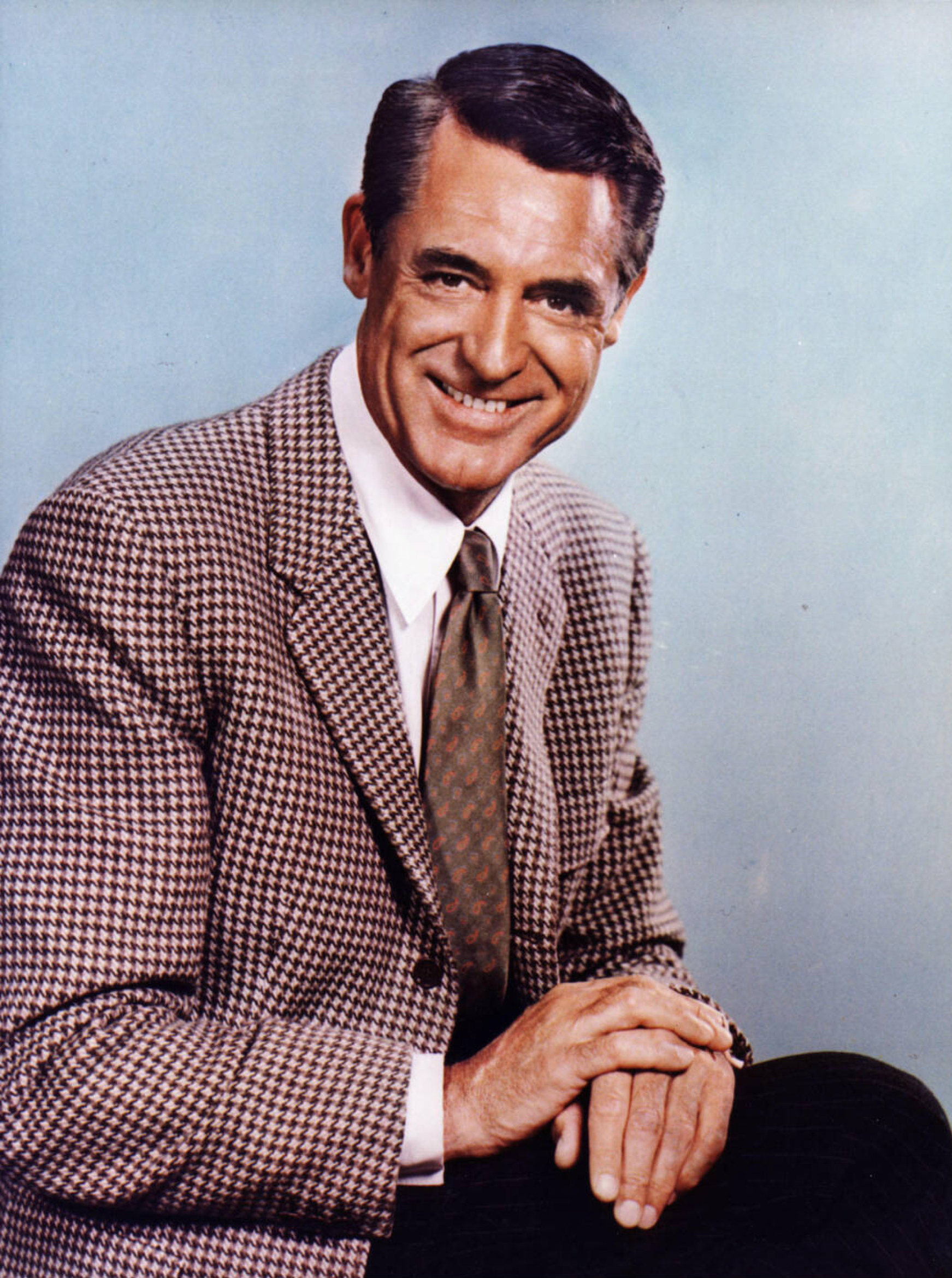
A Search for Something Beyond the Screen
By his mid-fifties, Grant had built one of the most successful careers in Hollywood, yet privately struggled with anxiety, failed marriages, and unresolved trauma from his difficult childhood, including his mother’s institutionalization when he was a boy.
Seeking answers traditional therapy hadn’t provided, Grant began undergoing LSD-assisted psychotherapy sessions with a Beverly Hills psychiatrist, a treatment that was legal and, in certain circles, considered a legitimate psychiatric tool at the time.
More Than One Hundred Sessions
Over the following years, Grant reportedly underwent more than one hundred supervised sessions, describing the experience as profoundly transformative. He credited the treatment with helping him finally process the emotional wounds from his childhood and previous failed marriages.
In a era when psychiatric treatment carried significant stigma, especially for a major movie star, Grant’s willingness to pursue it privately reflected just how seriously he took his own emotional wellbeing.
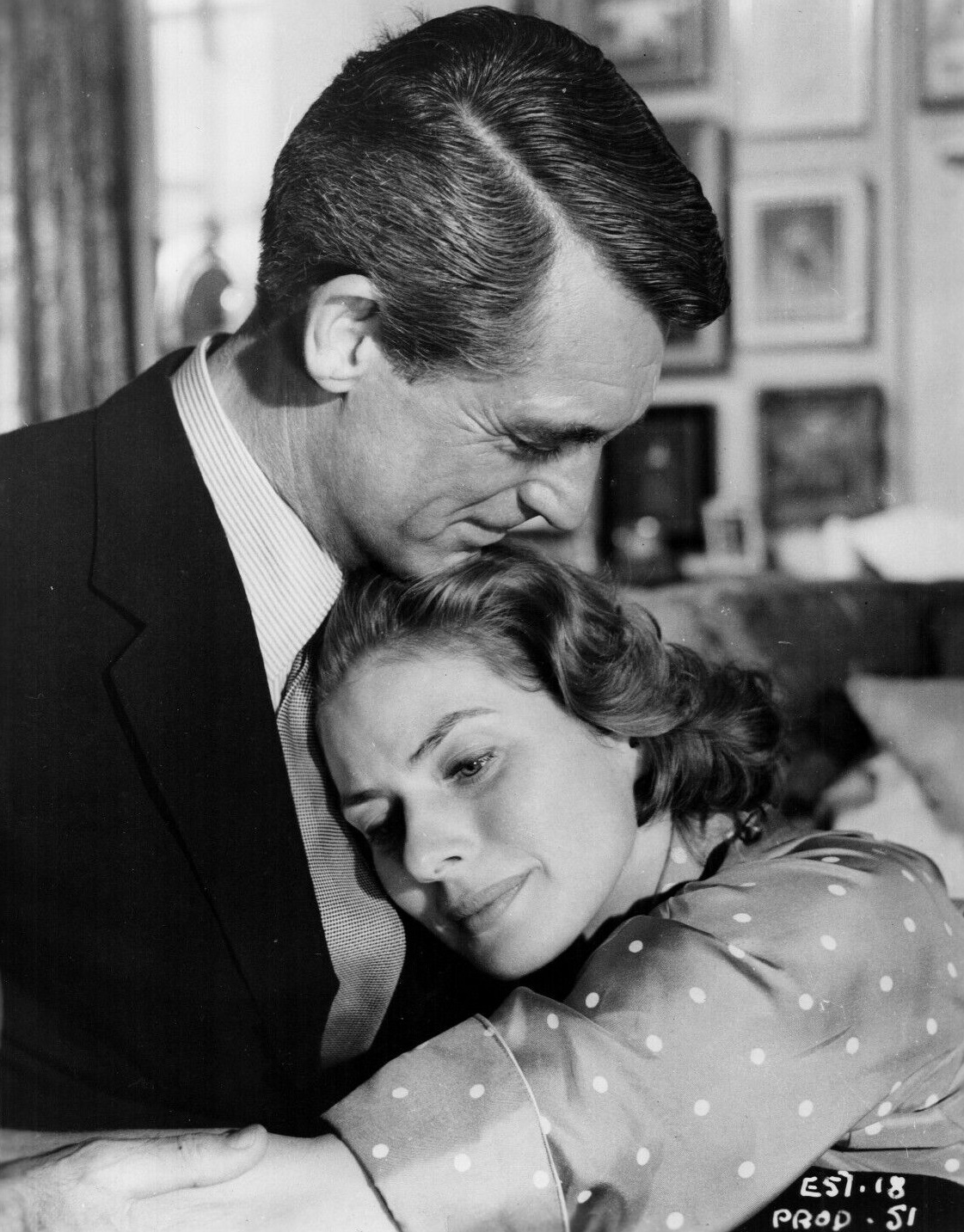
A Surprising Public Admission
Remarkably, Grant chose to discuss the treatment publicly in interviews during the early 1960s, at a time when few celebrities would have dared admit to any form of psychiatric treatment, let alone one involving a psychedelic drug.
He described feeling reborn after the sessions, insisting the experience had made him a calmer, more emotionally honest person, both in his career and in his personal relationships.
A Chapter Rarely Associated With His Legacy
Once LSD was made illegal in the mid-1960s, the treatments Grant had undergone became impossible to continue, and the chapter largely faded from public conversation as his career moved forward.
Decades later, it remains one of the more surprising footnotes in the life of a man remembered primarily for his effortless on-screen sophistication, a reminder that even Hollywood’s most composed stars were often fighting battles far from the cameras.
Photos via Wikimedia Commons (public domain / Creative Commons).