
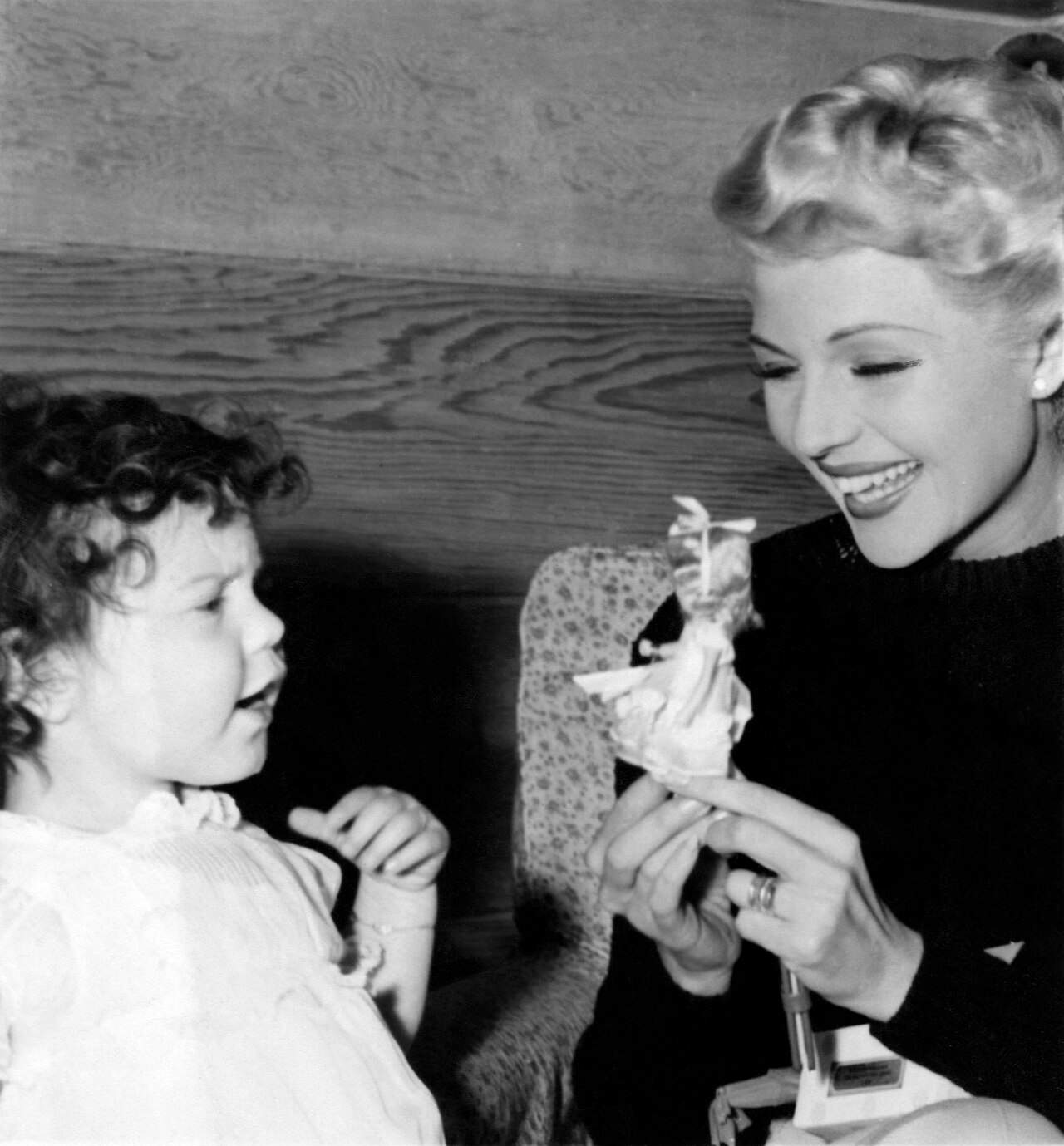
Before the world knew her as Rita Hayworth, the woman on screen was born Margarita Carmen Cansino, daughter of a family of professional Spanish dancers. To become the star Hollywood wanted, she had to physically and painfully remake herself.
The transformation studio executives put her through remains one of the more extreme examples of how the old studio system reshaped its stars.
A Childhood Spent Dancing
Born in 1918 into a family of dancers, young Margarita began performing publicly with her father’s dance act while still a child, often in nightclubs where she was underage. It was here that talent scouts first noticed her, leading to early film roles in the mid-1930s, initially cast in ethnically-coded parts that leaned heavily on her Spanish heritage.
When Columbia Pictures signed her, studio head Harry Cohn saw potential but believed her image needed a complete overhaul to reach mainstream American audiences.
A Painful Physical Transformation
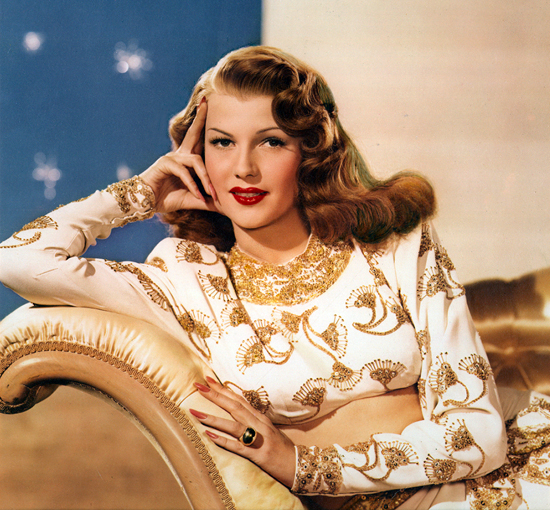
The studio underwent an extensive process to remake her image, including a change of name from Cansino to Hayworth, drawn from her mother’s maiden name. More drastically, she endured a series of painful electrolysis treatments over roughly two years to raise her hairline and reduce the appearance of her widow’s peak.
Her naturally dark hair was dyed a deep red, a color so associated with her afterward that it became her signature look for the rest of her career.
From Margarita Cansino to Gilda
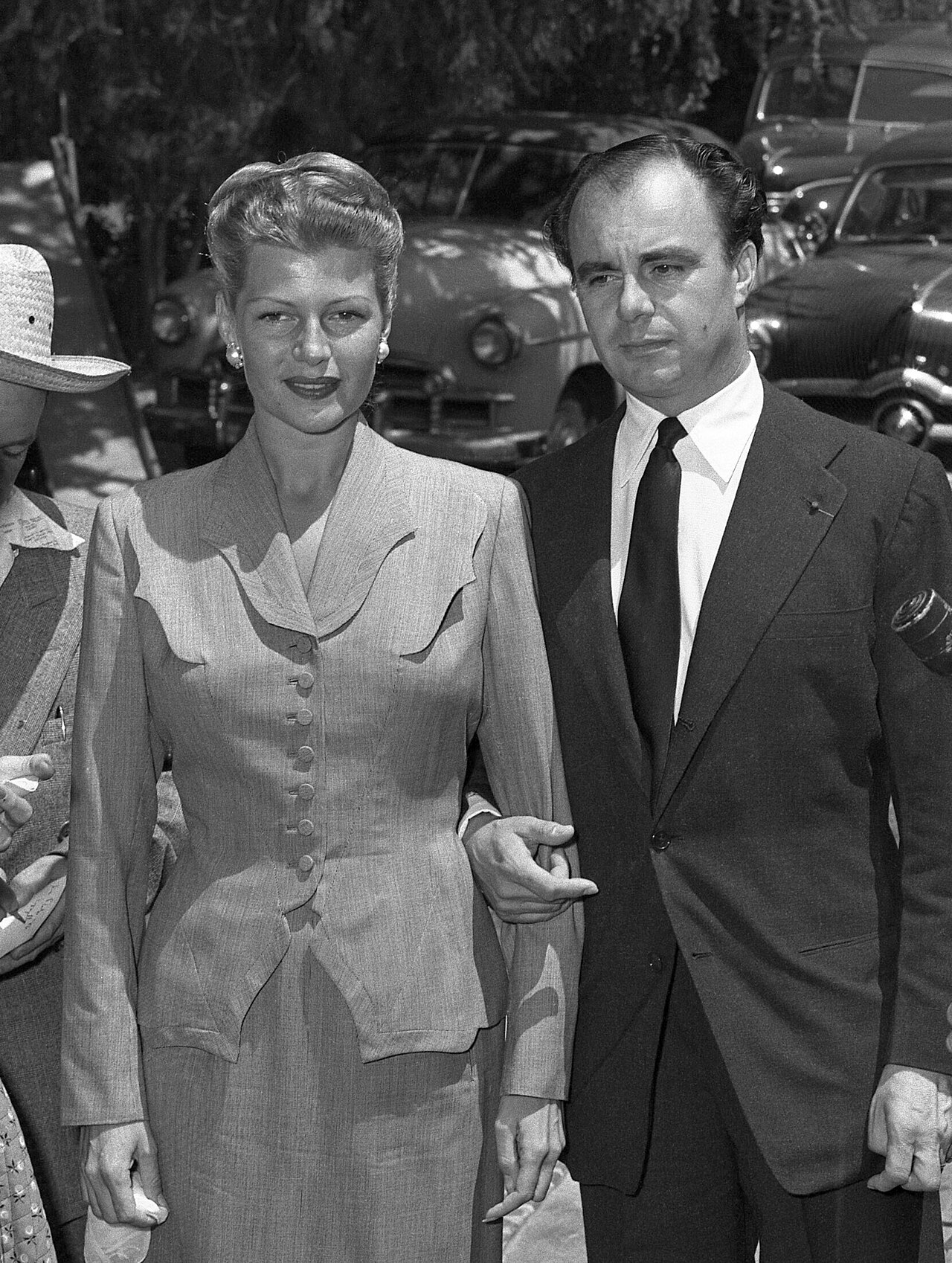
The reinvention worked, at least commercially. By the mid-1940s, Hayworth had become one of the biggest stars in Hollywood, culminating in her career-defining role in the 1946 film Gilda, which cemented her as one of the era’s most iconic sex symbols.
Few audiences at the time knew just how much of the woman on screen had been physically and culturally reshaped to get there.
A Complicated Relationship With Her Own Image
Hayworth later expressed conflicted feelings about the transformation, famously remarking that men fell in love with Gilda but woke up with her, a wry acknowledgment of the gap between the studio-crafted image and her own sense of identity.
Decades later, Hayworth’s story remains one of the clearest examples of how far the old Hollywood studio system was willing to go to manufacture a star, and the personal cost that transformation often carried.
Photos via Wikimedia Commons (public domain / Creative Commons).