
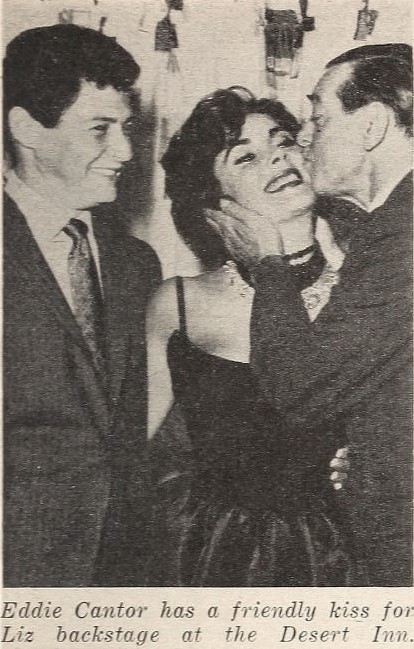
In March 1961, Elizabeth Taylor was one of the biggest stars in the world, but she was also one of its sickest. A severe case of pneumonia had left her fighting for her life in a London hospital, and for a few terrifying seconds, doctors believed they had lost her.
Less than a year later, she would be standing on stage collecting the Academy Award for Best Actress. The story of how she got from one moment to the other is one of the most remarkable comebacks in Hollywood history.
A Body Already Pushed to Its Limits
By the start of the 1960s, Taylor’s health had already been through more than most people face in a lifetime. Chronic back problems from a horseback riding accident years earlier had led to multiple surgeries. She had battled respiratory infections for years, a fragility that would define much of her later health struggles.
While filming in London in early 1961, she developed a case of pneumonia so severe it rapidly progressed to a life-threatening staph infection.
The Emergency That Made Headlines Worldwide
As her condition deteriorated, doctors made the desperate decision to perform an emergency tracheotomy to keep her breathing. During the procedure, her heart reportedly stopped for several seconds. Newspapers around the world ran premature reports that she had died.
Against the odds, she was revived and stabilized. The surgery left a scar on her throat that she would carry, visibly, for the rest of her career, a permanent reminder of just how close she had come to the edge.

An Oscar Win Wrapped in Sympathy and Skill
When the 1961 Academy Awards came around, Taylor was nominated for her performance in BUtterfield 8, a film she famously disliked. Many in Hollywood believed her near-death experience earned her a wave of public sympathy that helped carry her to the win.
Taylor herself never denied the timing helped. What she insisted on, though, was that the illness had changed her. Friends said she approached her career and her life afterward with a new intensity, as if aware every moment from then on was borrowed time.
A Fragility That Never Fully Left Her
The 1961 crisis was only the beginning of a lifetime of health battles for Taylor, including hip replacements, a benign brain tumor removal, and skin cancer. She wore each scar, physical and otherwise, without apology, often joking publicly about her own medical history.
That resilience became one of the defining threads of her legend: a woman who had already been pronounced clinically dead once and simply refused to let it be the end of her story.
Photos via Wikimedia Commons (public domain / Creative Commons).