
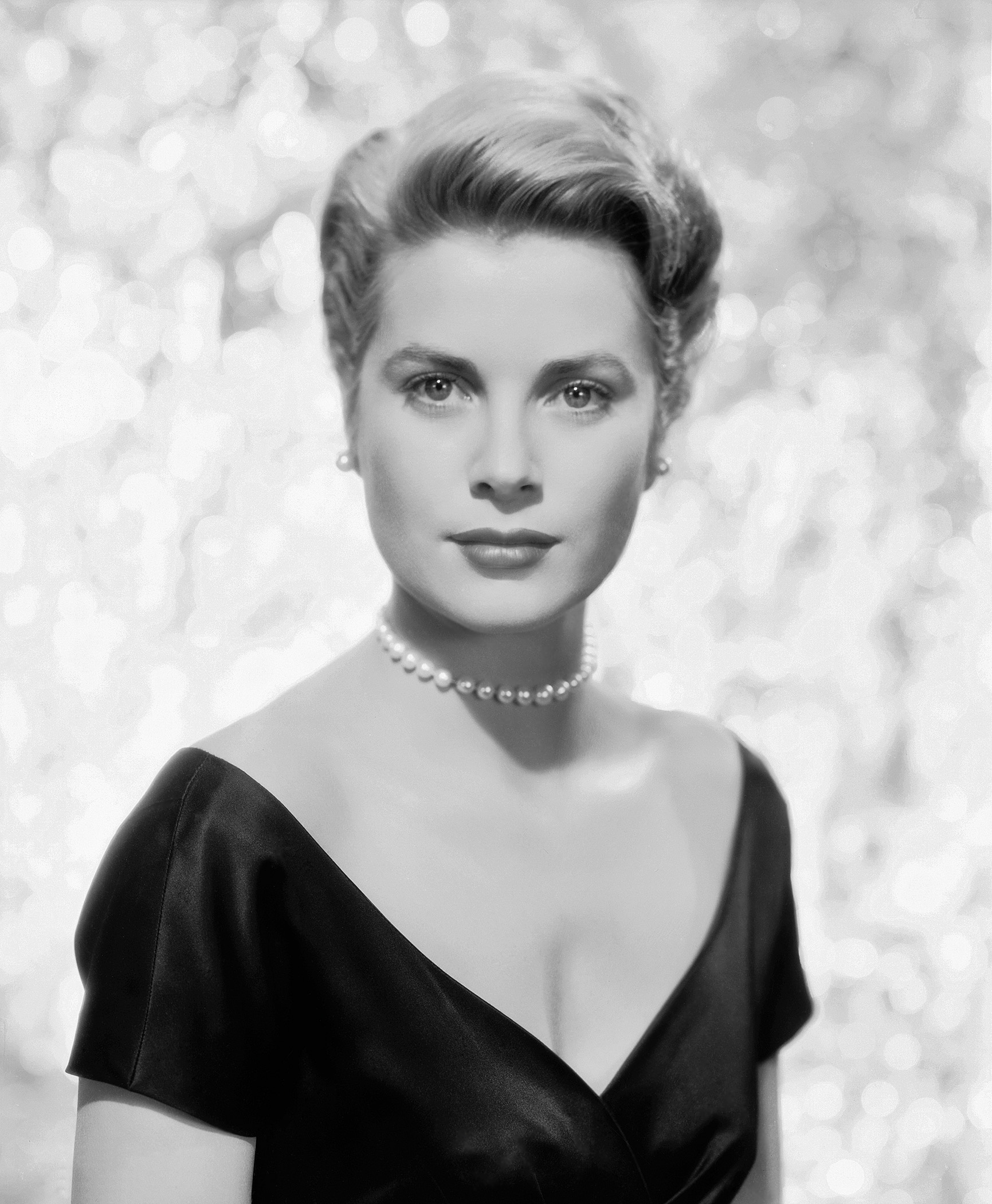
Picture this: It’s 1956, and Grace Kelly is the most luminous star in Hollywood’s constellation. She’s just won an Academy Award, worked with legendary directors like Alfred Hitchcock and John Ford, and has the entire entertainment industry at her perfectly manicured fingertips. Then, in a move that would shock the world, she simply… disappeared. But this wasn’t just any ordinary retirement. This was something far more extraordinary, more fairy-tale than Hollywood could ever script. What really happened to Grace Kelly? The answer lies in a decision so bold, so unprecedented, that it would redefine what it meant to leave everything behind.
The Golden Girl Who Conquered Tinseltown in Record Time
Grace Patricia Kelly didn’t just arrive in Hollywood—she descended upon it like a vision from another world. Born into a prominent Catholic family in Philadelphia, she carried herself with an ethereal elegance that cameras couldn’t resist capturing. After graduating from the American Academy of Dramatic Arts in 1949, she began her journey through New York’s theatrical productions and television broadcasts, each performance a stepping stone toward something magnificent.
Her film debut in “Fourteen Hours” was merely the overture to a symphony of stardom that would crescendo with breathtaking speed. When Fred Zinnemann cast her in the western “High Noon,” audiences witnessed something they’d never seen before—a woman who could command the screen with nothing more than a glance, a subtle turn of her head, a whisper that carried more weight than a scream.
But it was John Ford’s “Mogambo” that truly announced her arrival. The role earned her an Academy Award nomination for Best Supporting Actress, and suddenly every director in Hollywood was clamoring to work with the blonde beauty who possessed both vulnerability and steel in equal measure. Alfred Hitchcock became particularly entranced, casting her in not one, not two, but three of his masterful suspense thrillers: “Dial M for Murder,” “Rear Window,” and “To Catch a Thief.”
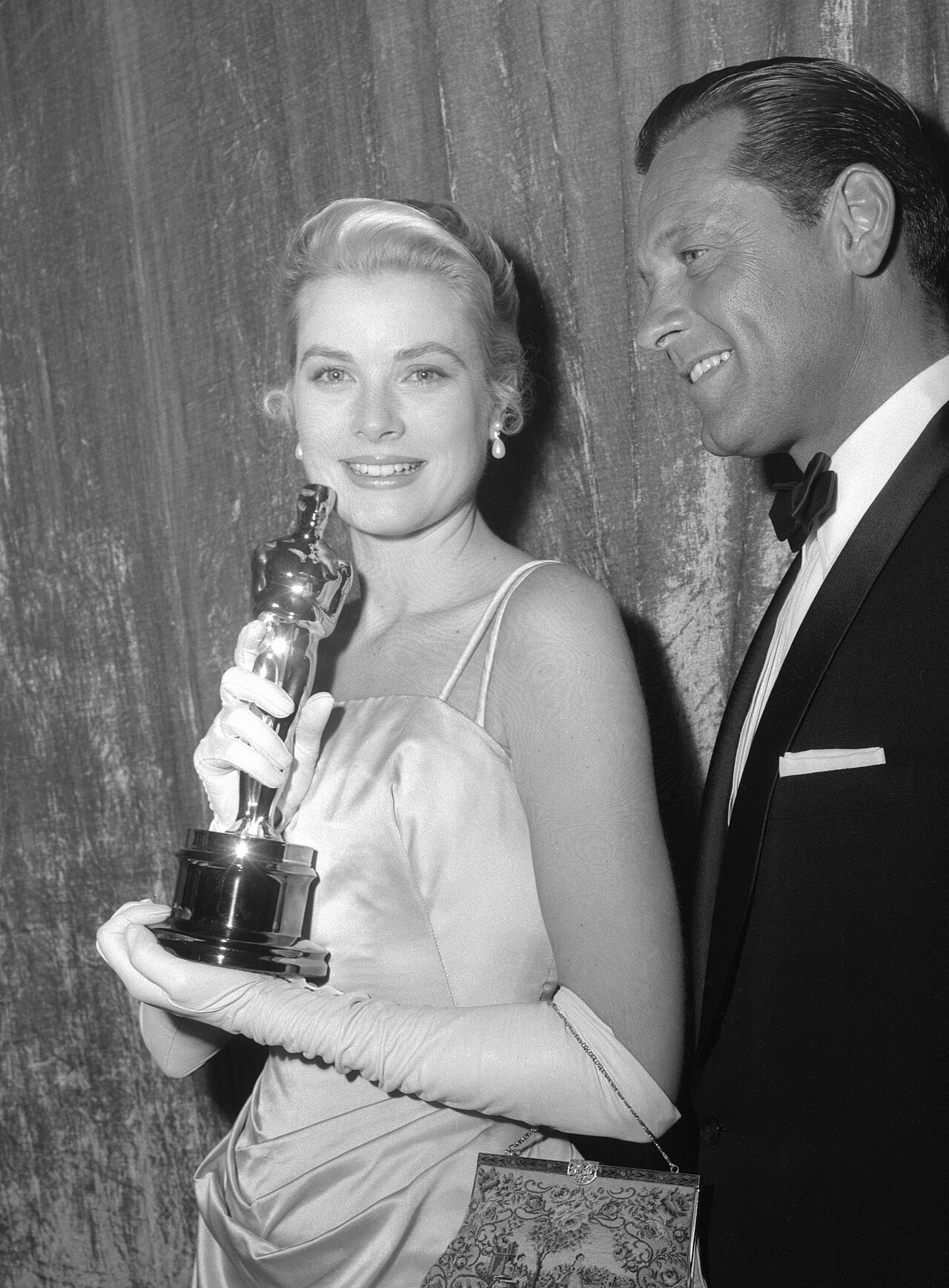
Then came “The Country Girl”—the performance that would cement her legacy forever. At just 25 years old, Grace Kelly won the Academy Award for Best Actress, standing on that golden stage holding the ultimate symbol of Hollywood achievement.

The Ice Queen Who Burned Bright: Decoding Grace Kelly’s Mystique
What was it about Grace Kelly that made her so utterly magnetic? She wasn’t just beautiful—Hollywood was full of beautiful women. She possessed something rarer: an untouchable quality that made audiences lean forward in their seats, desperate to understand the mystery behind those cool blue eyes.
Kelly moved through Hollywood like aristocracy visiting a foreign land. She was ranked 13th on the American Film Institute’s 25 Greatest Female Stars list, but numbers could never capture her true essence. She had three Golden Globe Awards adorning her mantle, yet her real power lay in what couldn’t be measured or awarded.
Directors spoke of her with a reverence usually reserved for religious experiences. Alfred Hitchcock, the master of suspense himself, found in Kelly the perfect embodiment of his ideal woman—sophisticated, enigmatic, with secrets lurking beneath that porcelain surface. In “Rear Window,” she glided across the screen like smoke, beautiful and dangerous. In “To Catch a Thief,” she sparkled with a wit sharp enough to cut glass.
Her charity work revealed another dimension of her character. Even at the height of her fame, she established foundations and supported causes focusing on children and the arts. This wasn’t mere publicity—this was a woman who understood that true nobility came from service, not spotlights.
But something was stirring. Something that would change everything. The princess was about to meet her prince, and Hollywood was about to lose its queen.
The Fairy Tale That Broke a Million Hearts
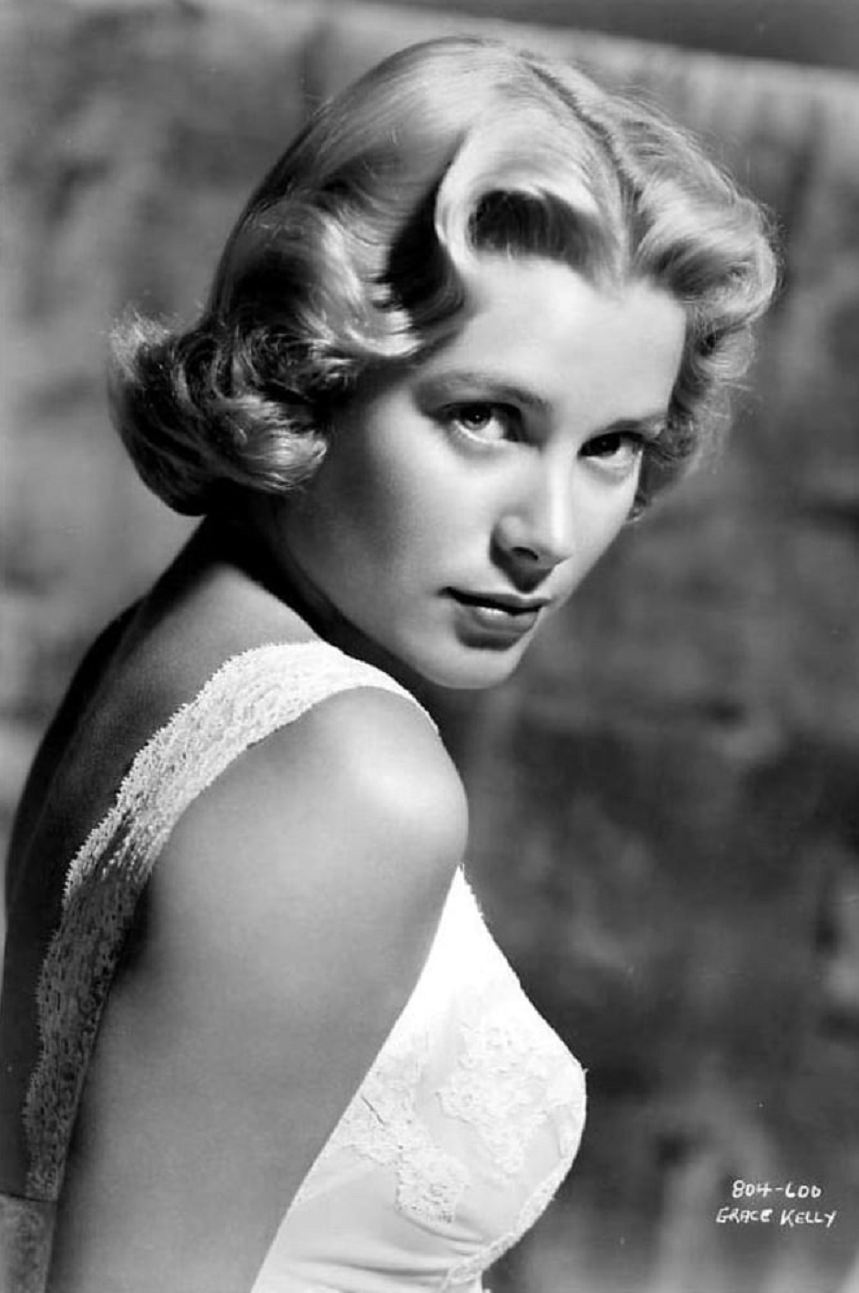
Here’s where Grace Kelly’s story transforms from Hollywood glamour into something that reads like pure fantasy—except it was devastatingly real. In 1956, at the pinnacle of her career, at the tender age of 26, Grace Kelly made a decision that sent shockwaves through the entertainment industry and around the world.
She walked away from it all.
But this wasn’t a typical retirement, a burnout, or a scandal-driven exit. Grace Kelly left Hollywood to marry Prince Rainier III of Monaco on April 18, 1956, literally trading her movie star crown for an actual tiara. She became Princess Grace of Monaco, retiring from acting to begin her duties as genuine royalty.
Imagine the magnitude of this decision. She was at the absolute peak of her powers, with offers pouring in from every major studio, directors begging to work with her, and an Academy Award that had just validated her extraordinary talent. Yet she chose love over legacy, a real palace over a Hollywood mansion, and a prince over the adoration of millions.
The fairy tale continued as Grace and Rainier had three children: Princess Caroline, Prince Albert, and Princess Stéphanie. Her charity work expanded internationally, with her organization for children’s rights, AMADE Mondiale, gaining consultive status within UNICEF and UNESCO. In 1964, she established the Princess Grace Foundation to support local artisans.
But even fairy tales have their shadows.
The Final Frame: A Beauty That Burned Too Bright
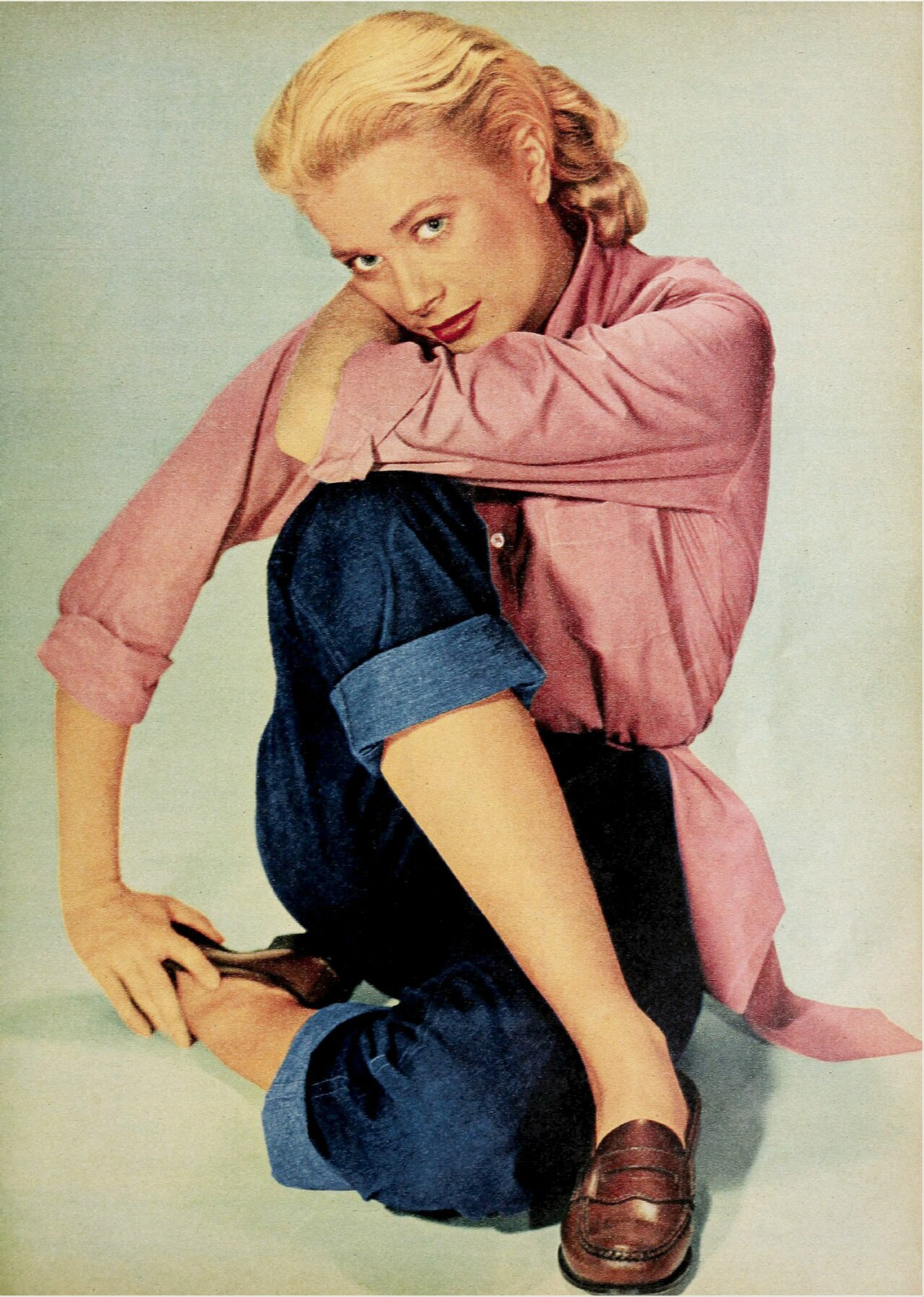
On a September day in 1982, the world lost its princess. Grace Kelly died at age 52 at Monaco Hospital, from injuries sustained in a car crash. The woman who had graced screens with such luminous beauty, who had captured hearts across continents, was gone.
But perhaps the most haunting aspect of Grace Kelly’s story isn’t her tragic end—it’s the lingering question of what might have been. Her final film role was narrating “The Children of Theatre Street,” nominated for an Academy Award for Best Documentary Feature. Even in her last cinematic moment, excellence followed her like a devoted shadow.
Her son, Prince Albert, ensured her artistic legacy lived on by helping establish the Princess Grace Awards in 1984, recognizing emerging performers in film, theatre, and dance. Through these awards, her spirit continues to nurture new talent, a eternal reminder of the star who chose to leave everything behind for love.
Grace Kelly’s story remains Hollywood’s greatest “what if”—a reminder that sometimes the most beautiful endings are the ones that arrive too soon, leaving us forever wondering about the chapters that were never written.
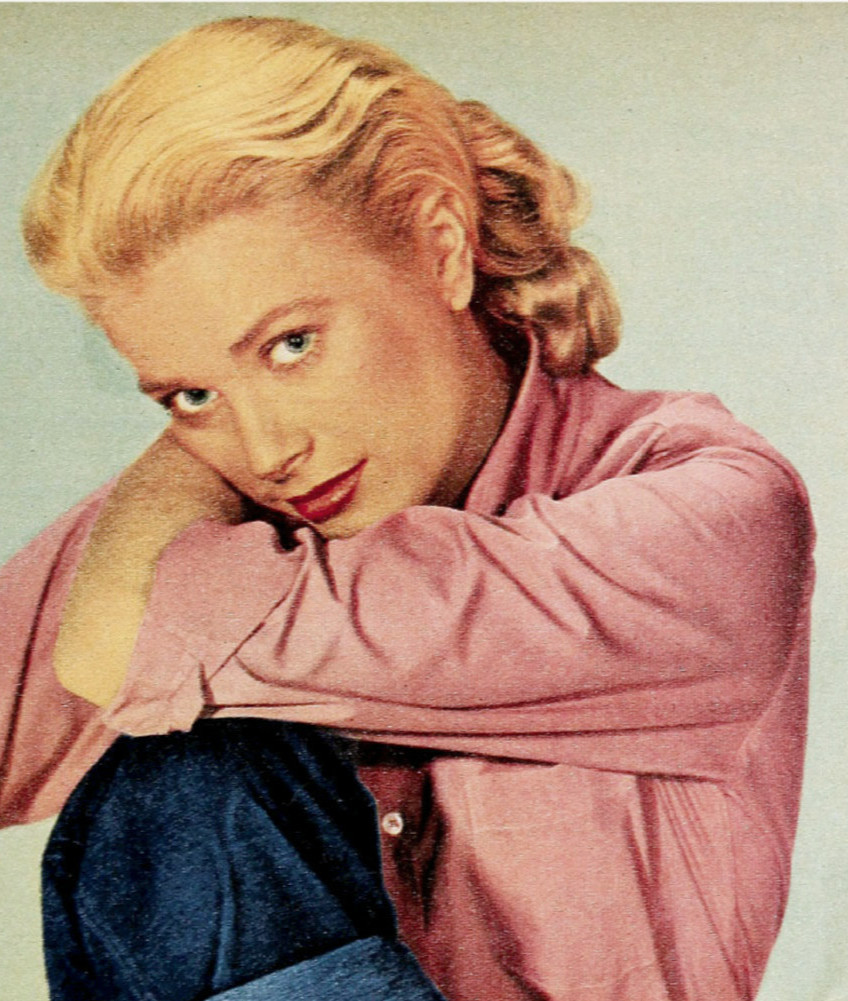
Photos via Wikimedia Commons (public domain / Creative Commons).