
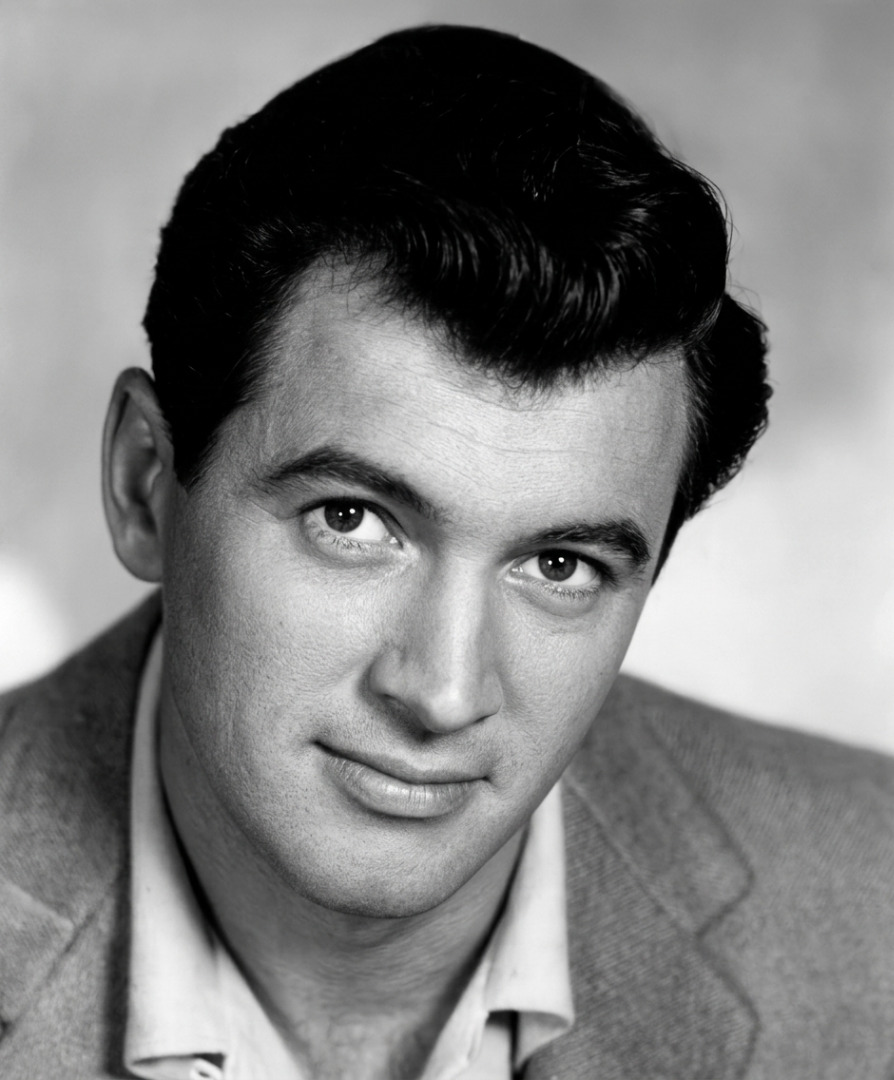
In the shimmering world of 1950s Hollywood, where dreams were manufactured under California sunshine and legends were born on silver screens, one man stood taller than them all. Rock Hudson possessed everything the dream factory demanded: chiseled features that could make hearts skip beats, a masculine presence that commanded attention, and a smile that promised eternal romance. Yet beneath that perfect facade lay a truth so dangerous it could destroy everything he had built. What price did America’s most beloved leading man pay to keep his secret safe in an era when exposure meant total annihilation?
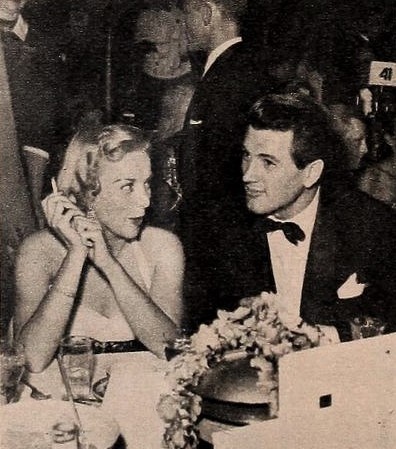
When Lightning Struck: The Birth of a Hollywood Titan
The transformation began with *Magnificent Obsession*, a role that would catapult an unknown into the stratosphere of stardom. Hudson’s screen presence was nothing short of magnetic—audiences couldn’t look away as he commanded every frame with an effortless masculinity that seemed almost too perfect to be real. The camera loved him, and America fell hard.
*All That Heaven Allows* solidified what *Magnificent Obsession* had promised. Here was a man who could embody desire itself, whose very presence on screen made hearts race and pulses quicken. But it was *Giant* that truly showcased his range, earning him an Academy Award nomination for Best Actor and proving he was more than just a pretty face. He could act. He could carry dramatic weight. He was the complete package.
Then came the romantic comedies with Doris Day—*Pillow Talk*, *Lover Come Back*, and *Send Me No Flowers*—a trilogy that would define an entire era of American cinema. These films weren’t just entertainment; they were cultural touchstones that captured the essence of romance in post-war America. Hudson and Day created magic together, their on-screen chemistry so palpable that audiences believed in love itself.
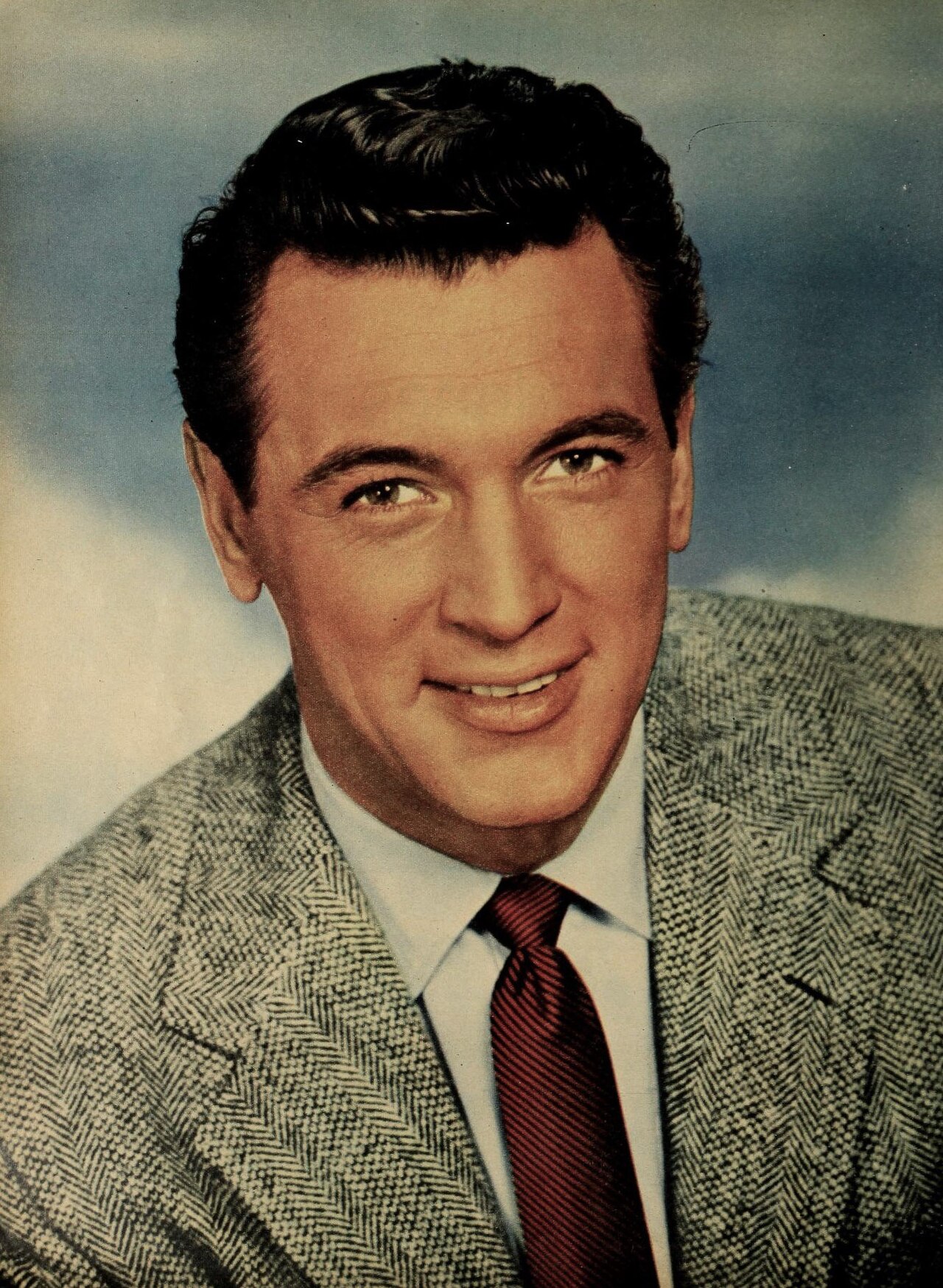
The Colossus of Cool: America’s Perfect Man
Rock Hudson wasn’t just an actor—he was an institution. Standing tall in an industry built on illusion, he represented everything America wanted its men to be: strong, dependable, devastatingly handsome, and irresistibly charming. His screen career spanned more than three decades, making him a prominent figure in Hollywood’s Golden Age when stars truly seemed like gods walking among mortals.
When the film scripts being offered began to disappoint him, Hudson took control. He formed his own production companies—first 7 Pictures Corporation, then Gibraltar Pictures—proving he was more than just a beautiful face. This was a man who understood the business, who refused to be passive in shaping his own destiny.
The late 1960s brought films like *Seconds*, *Tobruk*, and *Ice Station Zebra*, showing Hudson’s willingness to take risks and explore different facets of his talent. When Hollywood began to change around him, he adapted, transitioning to television with the mystery series *McMillan & Wife*. Even as the industry evolved, Rock Hudson remained relevant, beloved, untouchable.
His colleagues knew something the public didn’t, something that had to remain buried in an era when careers could be destroyed by a single whisper, a single photograph, a single moment of truth.
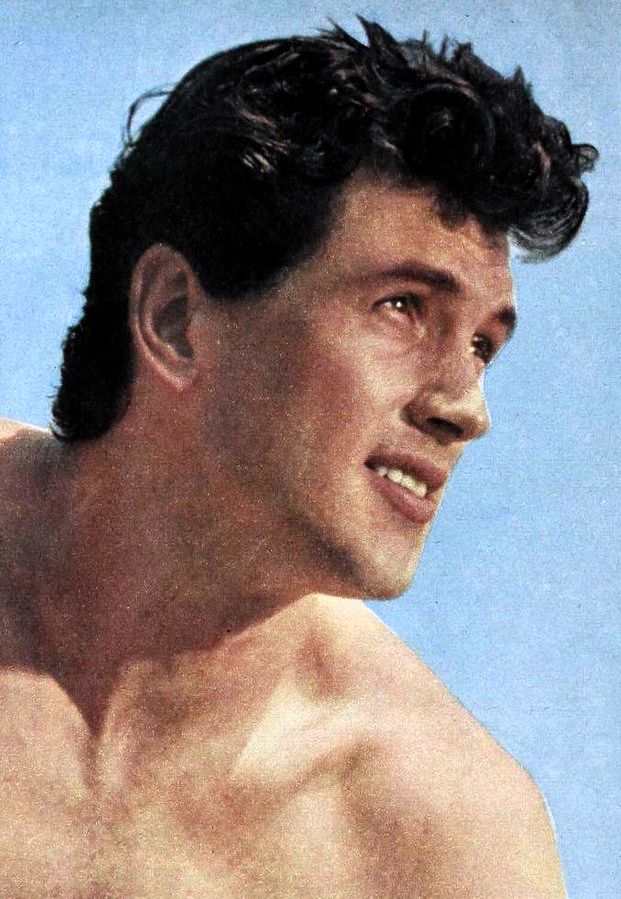
The Weight of Secrets: When Paradise Becomes Prison
Behind the perfect smile and the leading man persona lived a truth that could never see daylight. Although discreet regarding his sexual orientation, it was known among Hudson’s colleagues in the film industry that he was gay. In an era when such knowledge was career poison, when studio systems controlled every aspect of a star’s public image, Hudson carried a secret that grew heavier with each passing year.
The man who had made millions of women swoon, who had epitomized masculine romance on screen, was living a lie so complete it consumed his very existence. Every public appearance, every interview, every carefully orchestrated date with a starlet was part of an elaborate performance designed to protect not just his career, but his life.
Then, in 1984, came the diagnosis that would change everything. AIDS. The disease that was ravaging a community already forced to live in shadows, already persecuted and marginalized. For Hudson, this wasn’t just a medical diagnosis—it was a death sentence wrapped in the ultimate exposure.
In 1985, facing the inevitable, Hudson became one of the first celebrities to disclose his AIDS diagnosis. The revelation shattered illusions and broke hearts across America. The man they had loved, the perfect romantic hero, was not who they thought he was. His last role was as a guest star on the fifth season of *Dynasty*, until his AIDS-related illness made it impossible for him to continue.
Rock Hudson became the first major American celebrity to die from an AIDS-related illness, at age 59. The golden god had fallen, and in his fall, he illuminated truths about America that many weren’t ready to face.
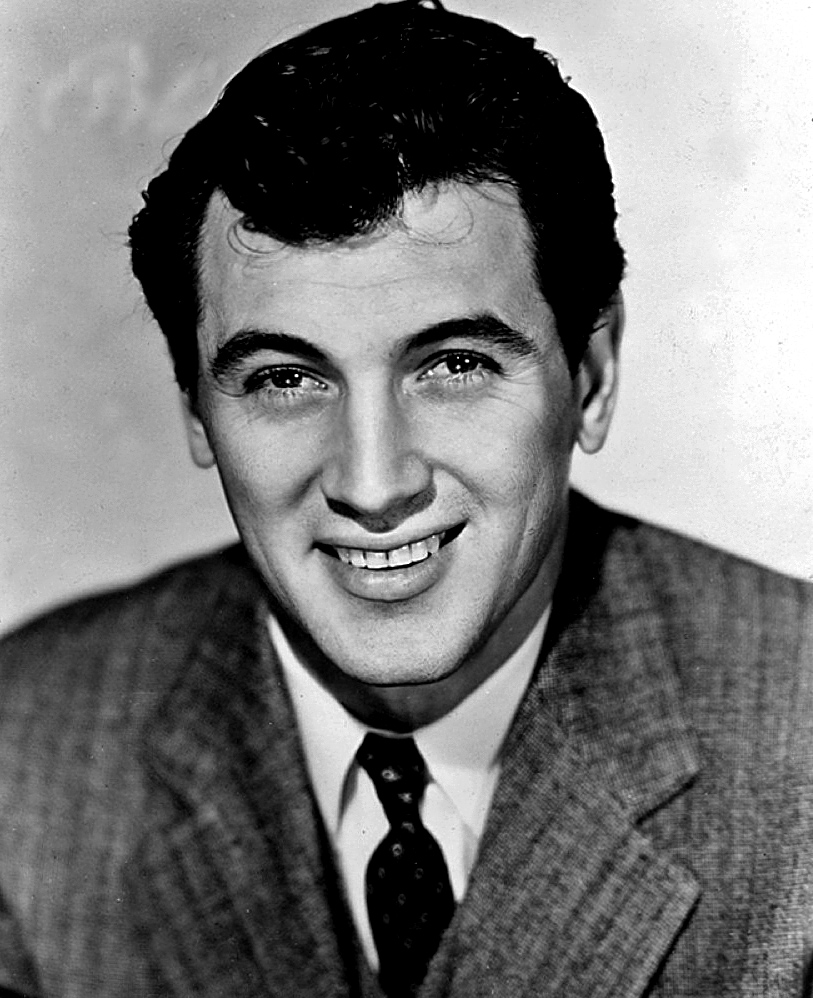
The Echo of What Was Lost: A Legend’s Final Mystery
Even in death, Rock Hudson’s story remains layered with questions that will never be fully answered. How many nights did he lie awake, wondering what life might have been like if he could have lived his truth? What romances, what genuine connections, what authentic moments of happiness were sacrificed on the altar of public acceptance?
His legacy exists in that strange space between what was real and what was performed, between the man America loved and the man who could never truly be himself. In the end, perhaps that’s the most tragic Hollywood story of all—not the tale of a career that burned bright and faded, but the story of a human being who gave everything to maintain an illusion, only to have that illusion crumble just as the world was beginning to change.
The movies remain, eternal and beautiful, frozen moments where Rock Hudson could be exactly who the world wanted him to be. But somewhere in the California sunshine, in the spaces between the frames, lingers the ghost of who he might have been if the world had been ready for the truth.
Photos via Wikimedia Commons (public domain / Creative Commons).