
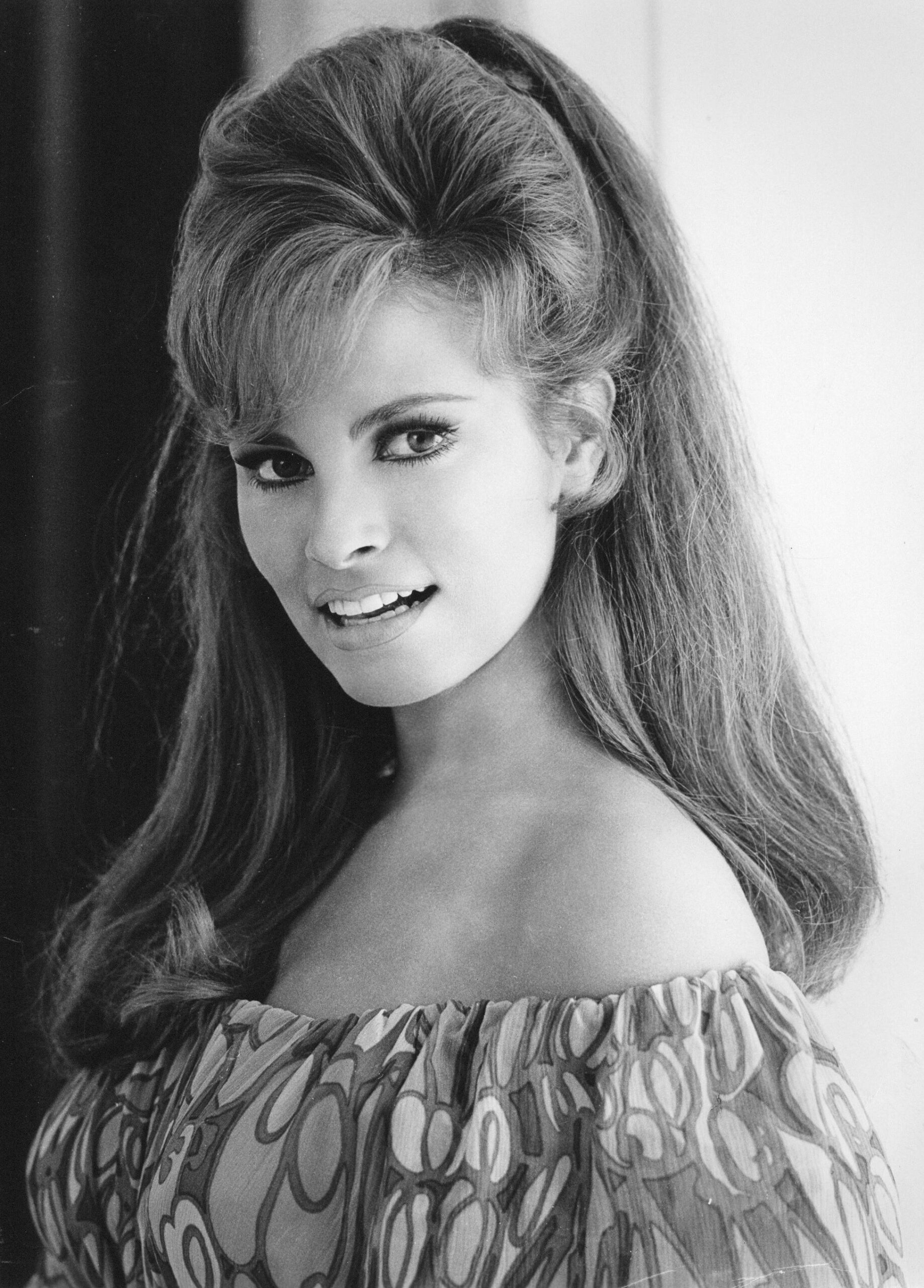
Picture this: A young actress stands on a film set, her lines memorized, her costume barely there. She speaks exactly three times during the entire production. Yet somehow, those three fleeting moments of dialogue would shatter Hollywood’s most sacred formula and launch a revolution that studio executives never saw coming. What happened behind those cameras? What secret ingredient transformed a virtual unknown into the woman who would end an era?
The year was 1966, and Hollywood was about to discover that sometimes the most powerful performances happen when you’re barely speaking at all.
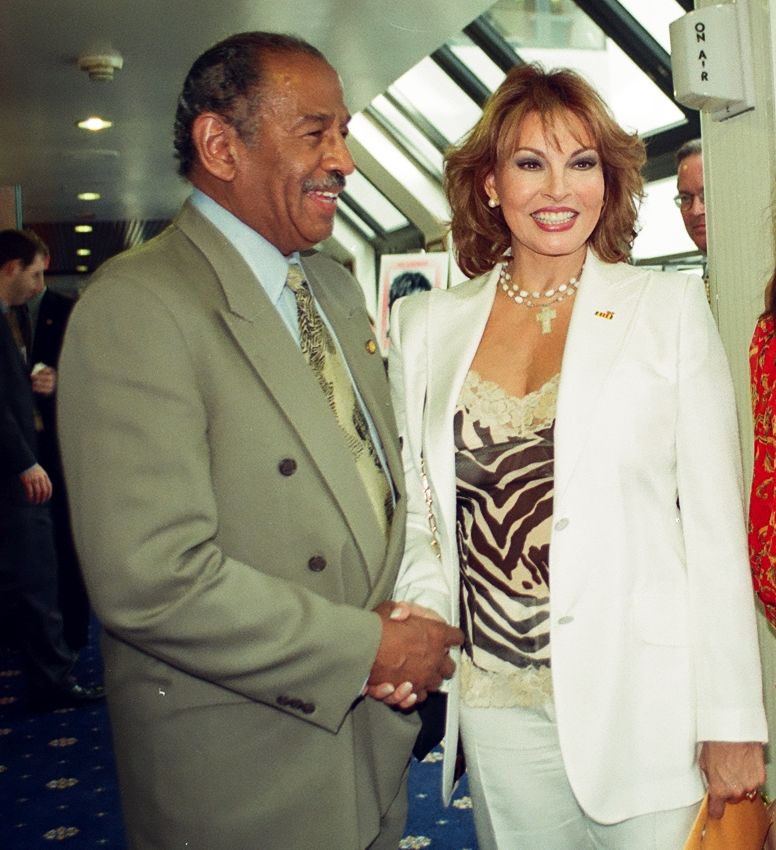
When Lightning Struck: The Bikini That Rewrote the Rules
Jo Raquel Welch’s journey to stardom reads like a fever dream scripted by fate itself. After catching attention in *Fantastic Voyage*, she found herself bound by a long-term contract with 20th Century Fox – but the studio had other plans. In a move that would prove prophetic, they lent her contract to British studio Hammer Film Productions.
What happened next defied every prediction in Hollywood’s playbook.
Clad in nothing but a doe-skin bikini, Welch stepped onto the prehistoric landscapes of *One Million Years B.C.* With only three lines of dialogue to work with, she had to communicate everything through presence alone – her eyes, her movement, her very being. The cameras rolled, capturing something indefinable, something that would soon explode across movie theater lobbies worldwide.
Those images became bestselling posters that transformed her into an international sex symbol overnight. But this wasn’t just another starlet story. Something deeper was brewing beneath the surface, something that would shake Hollywood’s foundations.

The Revolutionary in Doe-Skin: Breaking the Blonde Bombshell Blueprint
While other actresses were fighting for roles, Welch was quietly dismantling an empire. Her rise to stardom in the mid-1960s was credited with ending Hollywood’s vigorous promotion of the blonde bombshell – a formula that had dominated screens for decades. But how does one woman single-handedly topple an entire archetype?
The answer lay in what she chose to do next.
*Bedazzled*, *Bandolero!*, *100 Rifles*, *Myra Breckinridge*, *Hannie Caulder* – each role carefully selected, each character pushing boundaries. She wasn’t just playing women; she was portraying strong female characters who refused to be confined by tradition. Her unique film persona made her an icon of the 1960s and 1970s, but it was her television variety specials that revealed another layer entirely.
Empire magazine would later recognize her as one of the “100 Sexiest Stars in Film History,” while Playboy ranked her No. 3 on their “100 Sexiest Stars of the Twentieth Century” list. Yet these accolades only scratched the surface of her true impact.

The Golden Globe Secret: What the Awards Really Revealed
In 1974, Welch won a Golden Globe Award for Best Motion Picture Actress in a Musical or Comedy for her performance as Constance Bonacieux in *The Three Musketeers*. She reprised the role in its sequel the following year, cementing her dramatic credentials. Later, she earned another Golden Globe nomination for Best Actress in Television Film for her performance in *Right to Die*.
But here’s what the industry whispered behind closed doors: these weren’t just awards for acting. They were recognition of something far more significant – validation that Welch had successfully transformed from sex symbol to serious actress without losing her iconic status. She had achieved what seemed impossible in Hollywood’s unforgiving landscape.
The secret wasn’t in her beauty or her famous bikini shots. The secret was in her strategic rebellion against the very system that created her. Every role choice, every character decision was part of a calculated dismantling of expectations. She had weaponized her sex symbol status to forge a new path entirely.
Her final film, *How to Be a Latin Lover*, marked the end of a career that had rewritten the rules for generations of actresses who would follow.
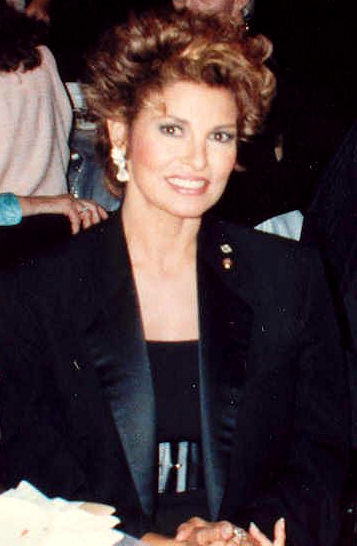
The Legacy That Lives in Shadows
Even now, decades after that doe-skin bikini first graced movie screens, questions linger in the Hollywood air. How does an actress with three lines of dialogue in her breakthrough role become powerful enough to end an era? What conversations happened behind those studio doors when executives realized their blonde bombshell formula was crumbling?
The posters may have made her famous, but it was the choices she made in the shadows – the roles she accepted, the characters she inhabited, the boundaries she crossed – that made her legendary. Raquel Welch didn’t just become a sex symbol; she evolved into something far more dangerous to the status quo: a woman who proved that strength and sensuality could coexist on her own terms.
Some secrets are meant to transform rather than simply titillate. In Welch’s case, the greatest mystery isn’t what made her famous – it’s how she managed to change everything while making it look effortless.
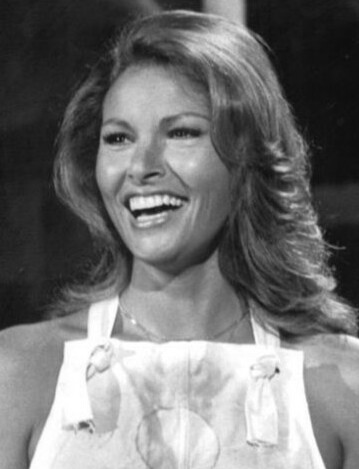
Photos via Wikimedia Commons (public domain / Creative Commons).