
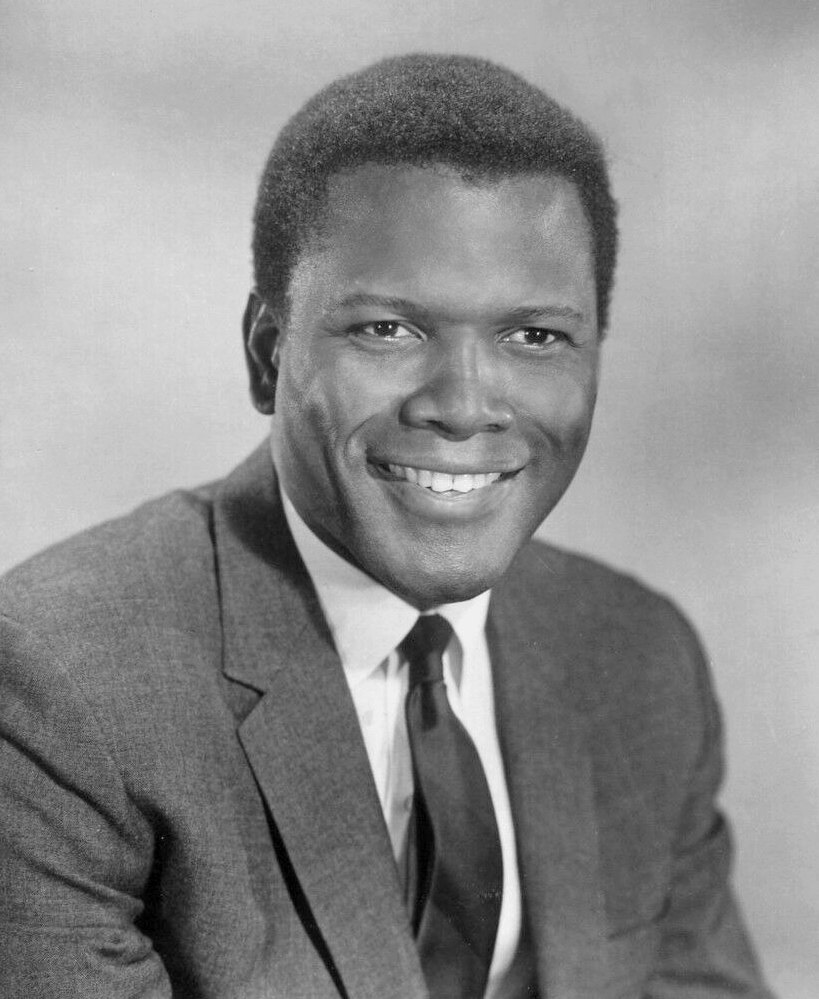
Picture this: A young man steps off a bus in 1940s New York City, carrying nothing but dreams and a Bahamian accent so thick that casting directors couldn’t understand a word he said. Little did anyone know that this moment would spark a revolution that would shatter Hollywood’s most sacred barriers. But the real story isn’t just about breaking boundaries—it’s about what happened behind the camera, in the shadows where the real Sidney Poitier emerged.
What they discovered about him would change everything. And the secret he carried? It went far deeper than anyone imagined.
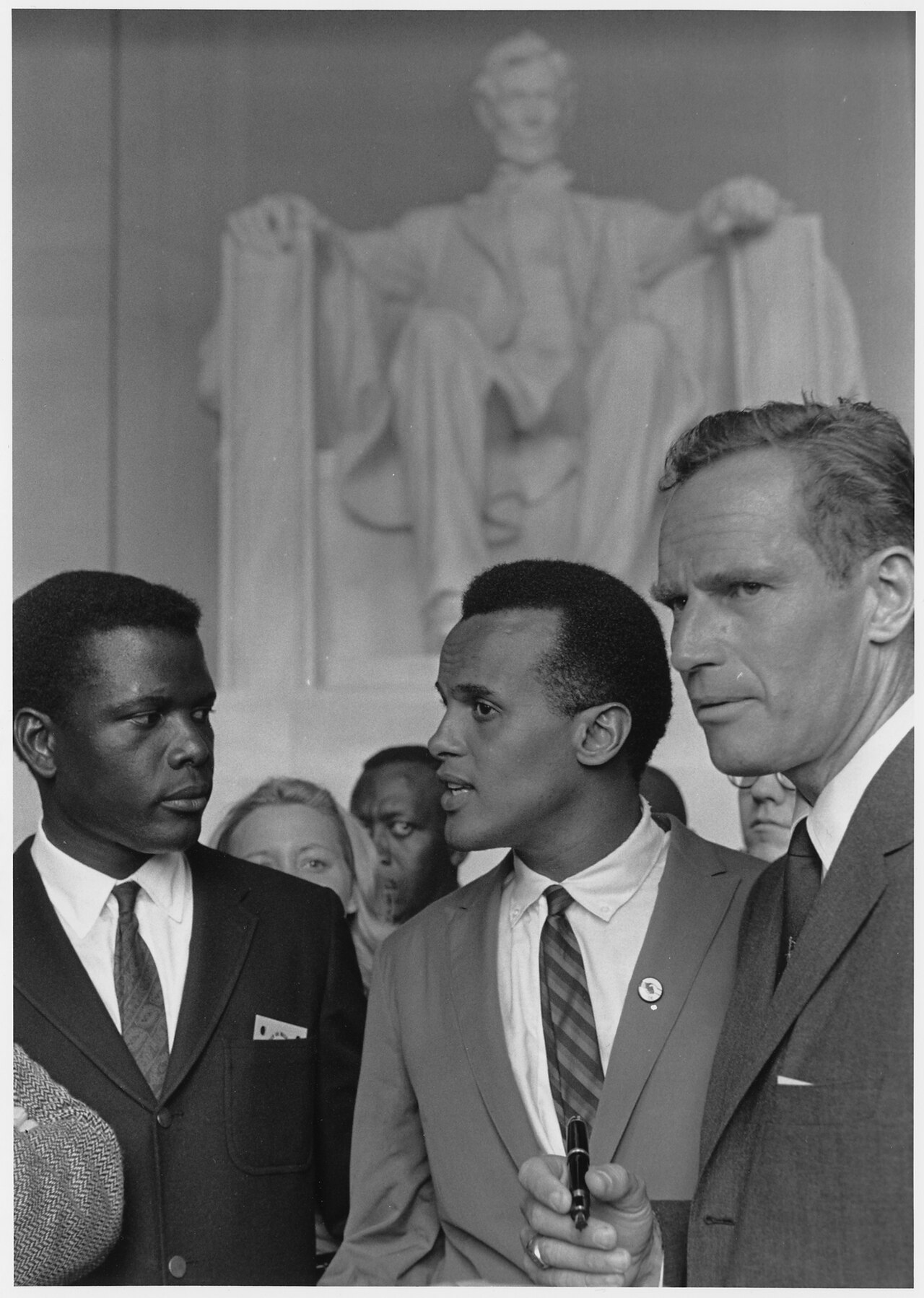
The Accidental American Who Rewrote the Rules
Born by pure chance in Miami while his Bahamian parents were visiting, Sidney Poitier gained something that would prove more valuable than gold: American citizenship. But this twist of fate was just the beginning of a journey that defied every expectation.
At fifteen, he returned to Miami, then made his way to New York City at sixteen—a teenager with fire in his belly and determination that burned brighter than the Broadway lights. When he walked into the American Negro Theatre, they didn’t see a future legend. They saw a kid who could barely read, whose island accent made him incomprehensible.
But something extraordinary happened in those dimly lit rehearsal rooms. Something that would echo through cinema history.
His breakthrough came with “Blackboard Jungle,” but it was just a glimpse of the seismic shift he was about to unleash. This wasn’t just another actor finding his footing—this was the beginning of a carefully orchestrated revolution that would challenge the very soul of American cinema.
The Dignified Revolutionary Who Refused to Bow
Sidney Poitier didn’t just act; he wielded dignity like a sword. In every role, behind every carefully chosen word, there was a man who understood that he carried the weight of representation on his shoulders. But what made him truly extraordinary wasn’t just his talent—it was his unwavering refusal to compromise his principles.
Watch his eyes in “The Defiant Ones.” See how he commanded the screen in “A Raisin in the Sun.” This wasn’t mere acting; this was a master class in quiet rebellion. Every gesture, every line delivery was calculated to demolish stereotypes while building something magnificent in their place.
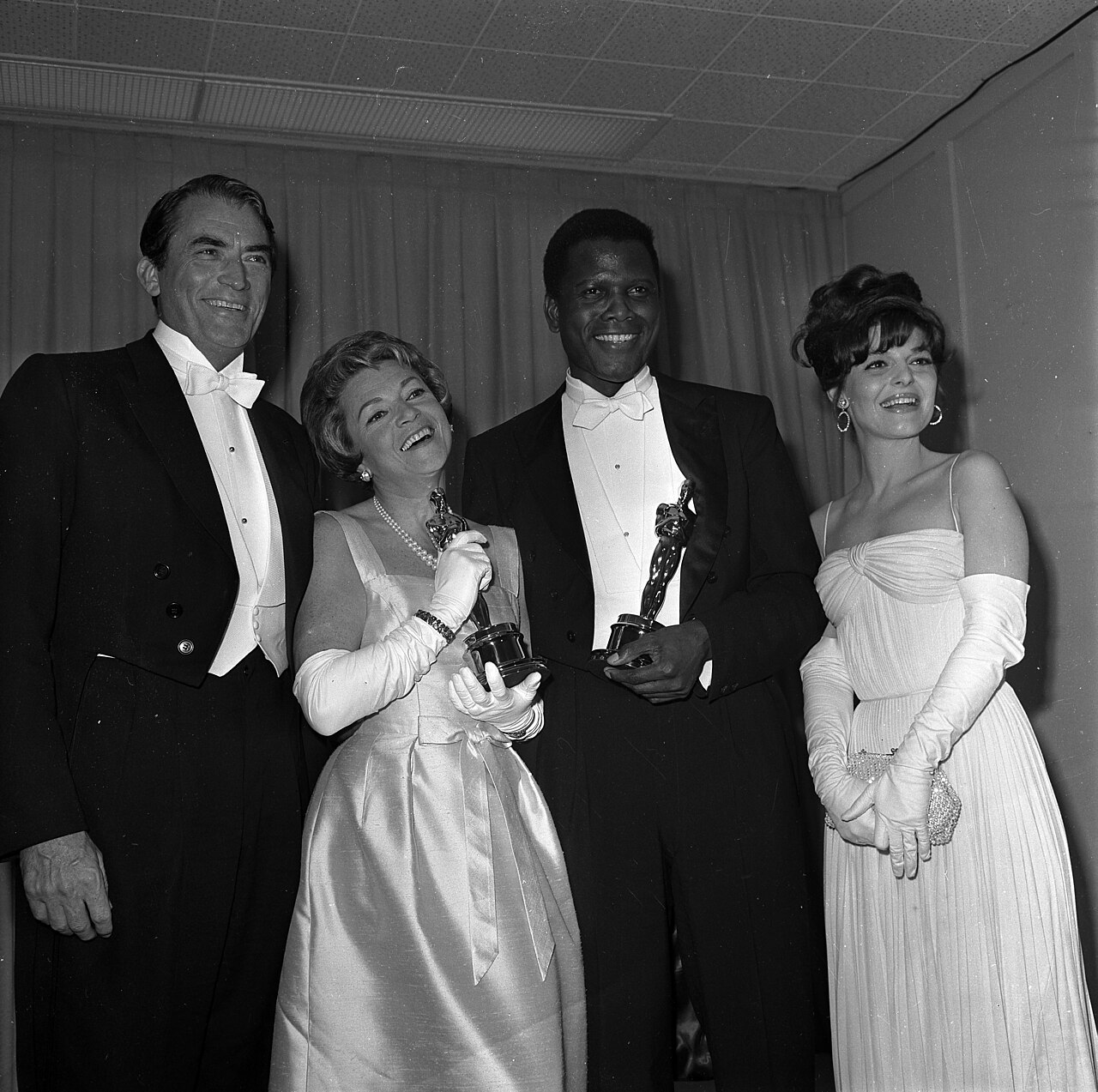
In 1964, when he walked to that Academy Award podium to accept the Oscar for “Lilies of the Field,” he wasn’t just making history as the first Black actor to win Best Actor. He was carrying the hopes of millions, and somewhere in that moment, a secret burden that few would ever understand.
The cameras captured his grace, his poise, his historic smile. But they couldn’t capture what was happening inside—the weight of being “the first” in a world that wasn’t ready for change.
The Triple Crown That Revealed Everything
1967. Three films. One impossible choice that would expose the real Sidney Poitier and the price he paid for perfection.
“To Sir, with Love.” “Guess Who’s Coming to Dinner.” “In the Heat of the Night.” Three films released in a single year that didn’t just entertain—they forced America to confront itself in the mirror. But here’s what they didn’t tell you about that historic year: behind the scenes, Poitier was wrestling with something that threatened to tear him apart.
He had become the most bankable star in America, voted the top box-office draw. But with that crown came chains. The industry had created a golden prison, and Poitier found himself trapped inside it. He could only play the “acceptable” Black man—dignified, non-threatening, morally superior. Any deviation from this perfect image could destroy not just his career, but the fragile progress he’d helped create.
The secret? Sidney Poitier was suffocating under the weight of being everyone’s symbol of possibility. Every script was scrutinized not just for its artistic merit, but for its political implications. Every performance had to be flawless because failure would reflect on an entire race. The man who had broken through every barrier had become a prisoner of his own success.
And when the cameras stopped rolling on those three groundbreaking films, Poitier made a decision that would shock Hollywood: he would take control behind the camera, directing his own destiny with “Buck and the Preacher.”
The Legacy That Echoes Still
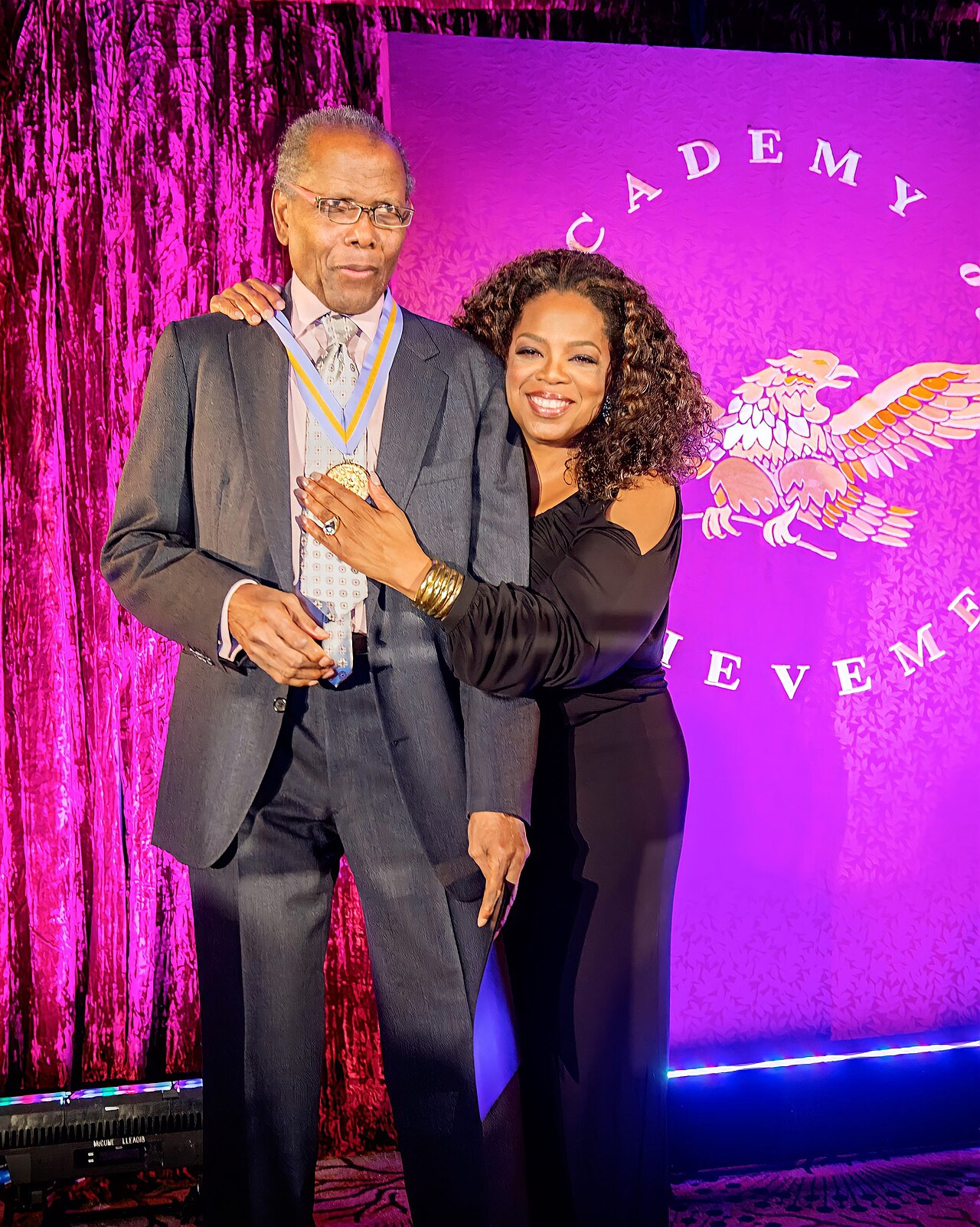
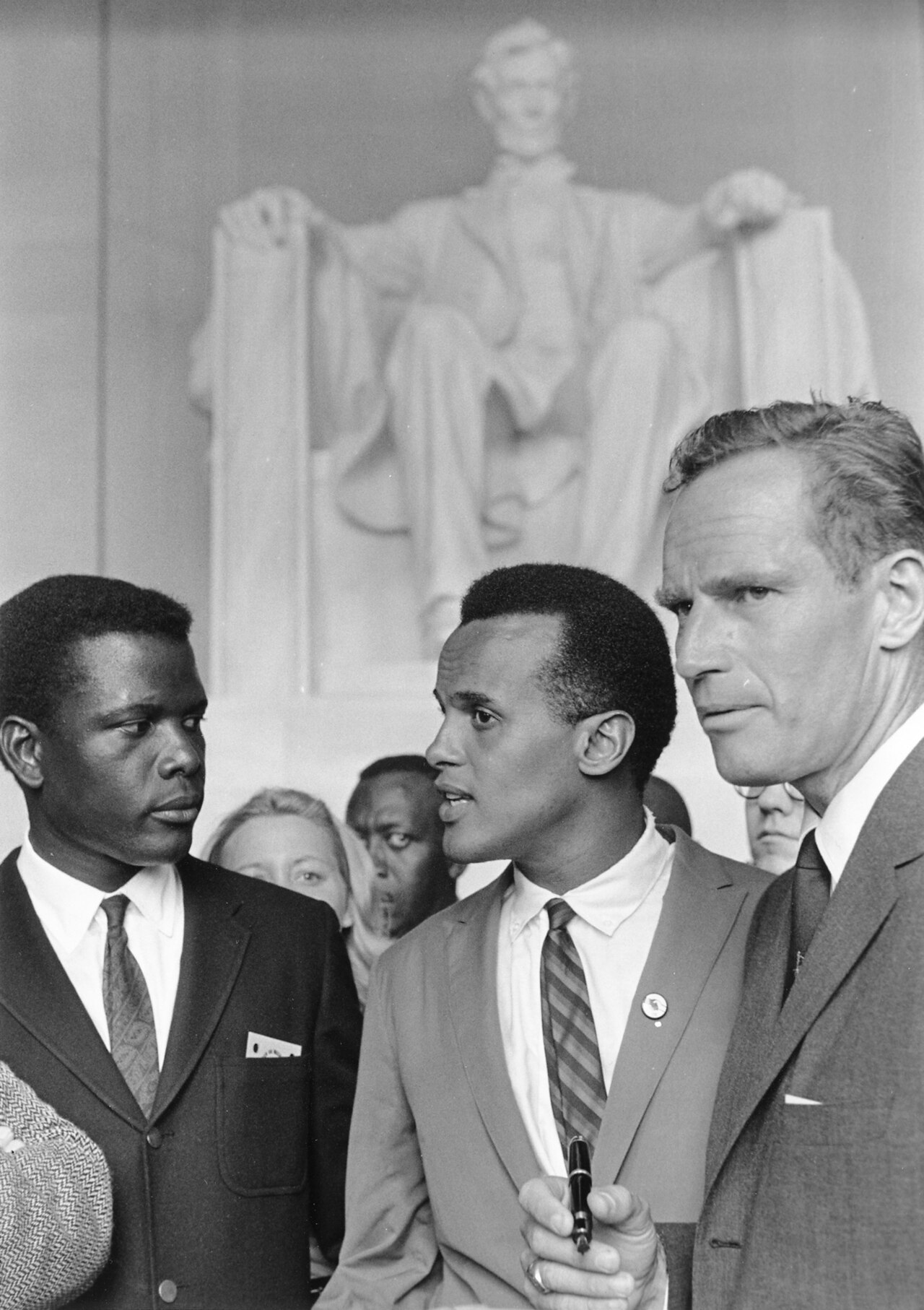
Today, Sidney Poitier’s name is whispered with reverence in Hollywood halls, but the full measure of his sacrifice remains largely untold. From his honorary knighthood in 1974 to the Presidential Medal of Freedom in 2009, the accolades mounted—each one a testament to a man who chose to carry the burden of change rather than walk away from it.
But perhaps the most telling honor came not from Hollywood, but from the Bahamas itself: from 1997 to 2007, the boy who left Cat Island became Ambassador to Japan, proving that his diplomatic skills extended far beyond the silver screen.
As one of the last surviving stars from Hollywood’s Golden Age, Poitier carried secrets that died with him—stories of late-night conversations with studio heads, of roles he turned down to protect his image, of the loneliness that comes with being perpetually “the first.”
The question that haunts us still: What other dreams did he sacrifice to carry the weight of history? What roles, what stories, what parts of himself did he leave on the cutting room floor of progress?
Some mysteries are meant to linger, like the final frame of a classic film that leaves you wondering long after the credits roll.
Photos via Wikimedia Commons (public domain / Creative Commons).