
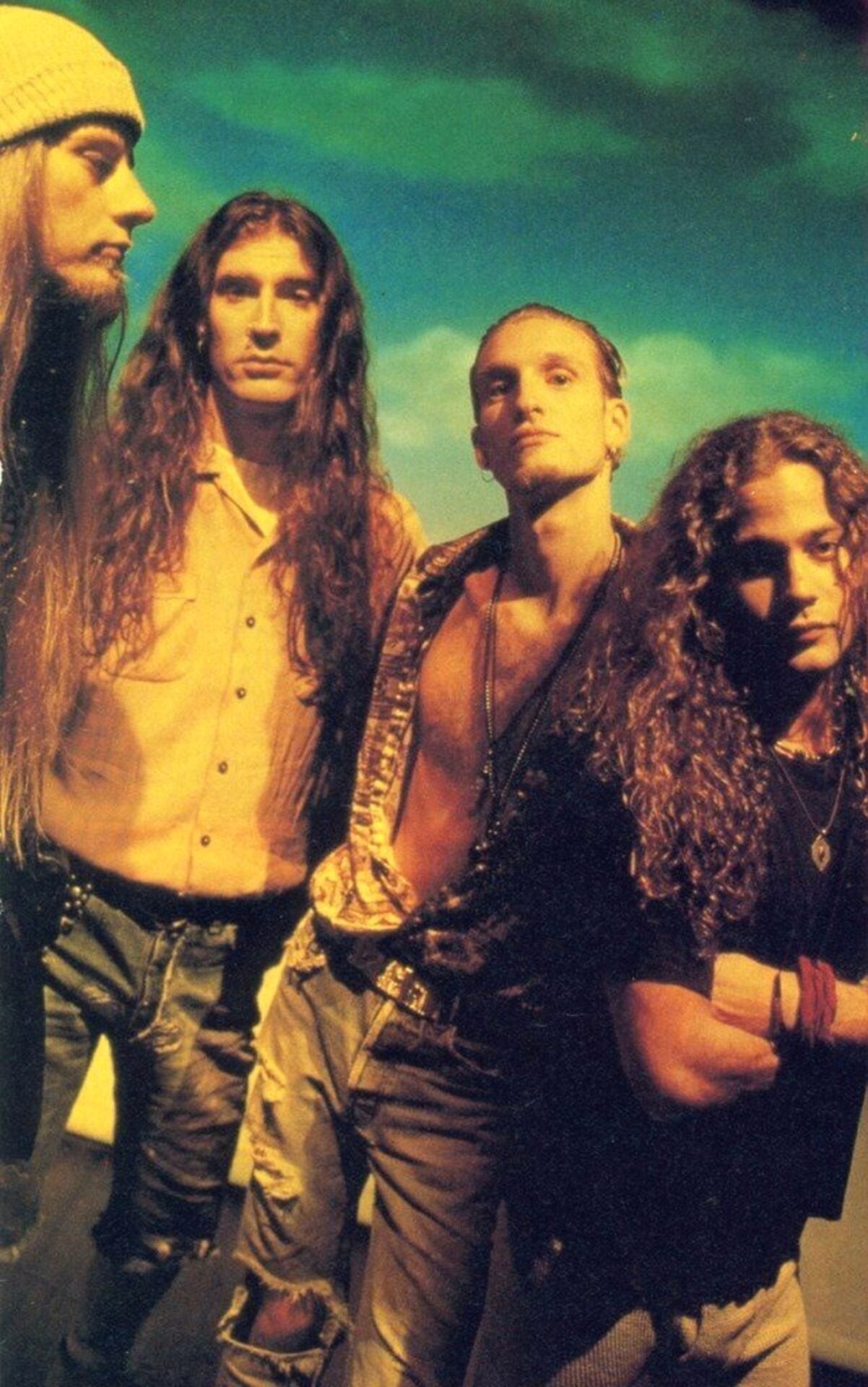
It was April 1996, and the world of alternative rock felt like it was holding its breath. The grunge era, which had exploded from the rainy corners of Seattle to dominate the global airwaves, was beginning to feel the cracks of its own meteoric rise. At the center of this cultural shift stood Alice in Chains, a band defined by sludge-heavy riffs and the gut-wrenching, operatic wail of their frontman, Layne Staley. When the band took the stage for their MTV Unplugged session, the atmosphere inside the Brooklyn Academy of Music was thick with a tension that went beyond mere performance. It was a reunion, a eulogy, and a desperate plea for normalcy all wrapped into one haunting evening.
When Layne Staley finally stepped into the spotlight, the audience was visibly shaken. He looked frail, his body swallowed by layers of clothing, and his signature dark glasses shielded him from the harsh glare of the cameras. The vibrant, wild force that had commanded arenas during the height of the early nineties seemed to be flickering, dampened by the relentless shadow of addiction that had plagued the Seattle scene for years. Yet, the moment he opened his mouth, the silence in the room became absolute. His voice, usually a distorted roar, transformed into something impossibly delicate and piercingly raw. It was the sound of a man standing on the edge, pouring the entirety of his fractured soul into the microphone.
Performing acoustic versions of hits like Down in a Hole and Rooster, the band stripped away the wall of distorted guitars to reveal the naked, painful poetry of their songwriting. This was the era of the Walkman and the MTV dominance, when a single performance could etch itself into the collective memory of a generation. Seeing Layne Staley sitting on that stool, wrestling with his demons while simultaneously delivering a vocal performance of haunting precision, felt like witnessing an exorcism. It was a stark contrast to the excess of the glam metal years that preceded it, serving as a sobering reminder of the heavy price paid for artistic genius.
History now views that 1996 night as one of the final, flickering sparks of the grunge movement. The performance remains a masterclass in emotional vulnerability, a testament to why Alice in Chains occupies such a permanent place in the heart of rock history. Layne Staley was more than just a lead singer; he was the embodiment of a generation’s unspoken pain, a voice that carried the weight of a decade characterized by both immense creativity and profound tragedy.
Decades later, the recordings from that evening still resonate with an eerie, timeless intensity. Fans and critics alike continue to revisit this moment, not just for the music, but for the visceral truth it captured. It stands as a chillingly beautiful monument to a man whose light faded far too soon, leaving behind a legacy of songs that, even in their darkness, illuminate the complexity of the human spirit. If you listen closely to the echoes of that unplugged stage, you can still hear the ghost of a legend fighting to be heard.