
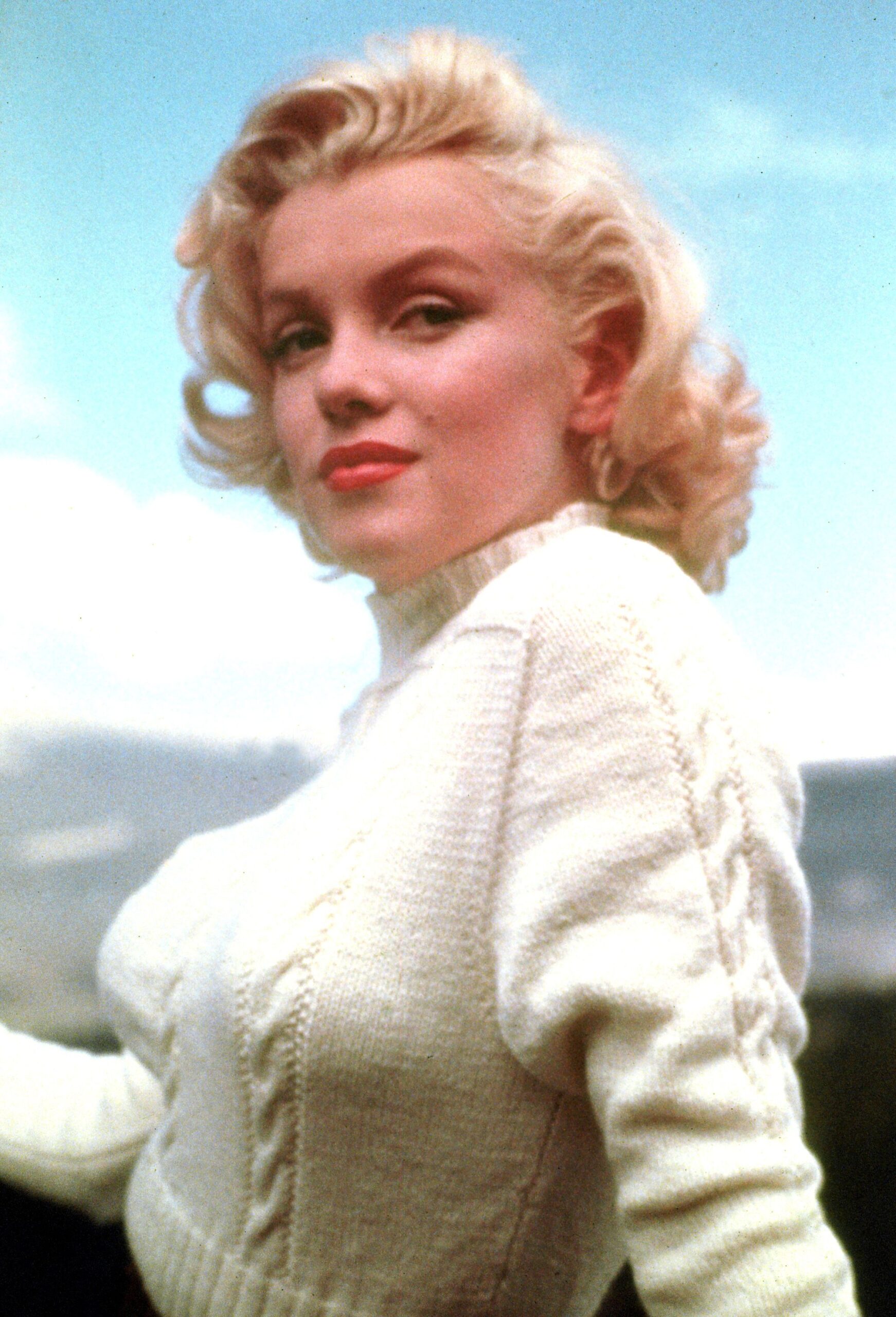
The phone call came at 3:00 AM, but by then it was already too late. In a modest bungalow on Fifth Helena Drive in Brentwood, the most famous woman in America lay still, her platinum blonde hair fanned across a pillow like spilled starlight. The barbiturate bottles on her nightstand told only part of the story. What happened in those final, desperate hours of August 4, 1962, would become Hollywood’s most haunting mystery.
But to understand that tragic night, we must first journey back to where it all began—in the foster homes and orphanages of Los Angeles, where a little girl named Norma Jeane learned that love was something you had to earn, and that sometimes, even earning it wasn’t enough.
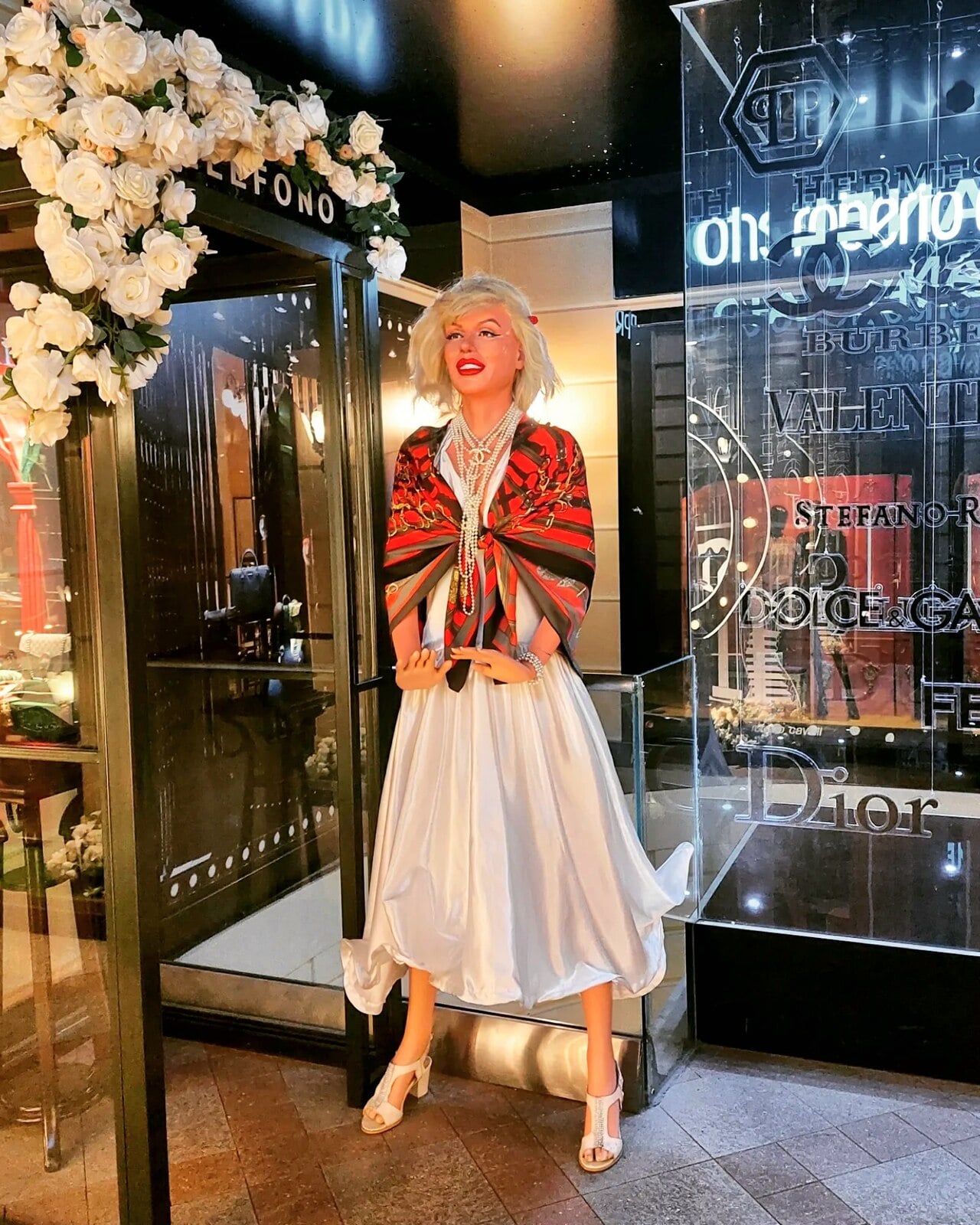
From Factory Girl to Silver Screen Goddess
The transformation began with a single photograph. In 1944, while working in a factory during World War II, an unknown teenager caught the eye of a photographer from the First Motion Picture Unit. That chance encounter would ignite one of the most spectacular rises in Hollywood history.
From those first pin-up shots emerged Marilyn Monroe—a name that would become synonymous with desire itself. The factory girl who had married James Dougherty at just sixteen was disappearing, replaced by something far more powerful and dangerous.
Her early film contracts with 20th Century Fox and Columbia Pictures were modest affairs, but Monroe possessed something that couldn’t be taught or manufactured—an electric vulnerability that made audiences lean forward in their seats. In comedies like “As Young as You Feel” and “Monkey Business,” she perfected the art of being simultaneously innocent and knowing, childlike yet sensual.
When scandal threatened to derail her career—nude photographs from her struggling days surfaced—Monroe did something unexpected. Instead of hiding in shame, she owned her past with a smile and a shrug. The controversy only made audiences hungrier for more. By 1953, she wasn’t just a star; she was a phenomenon whose films would gross $200 million by her death.
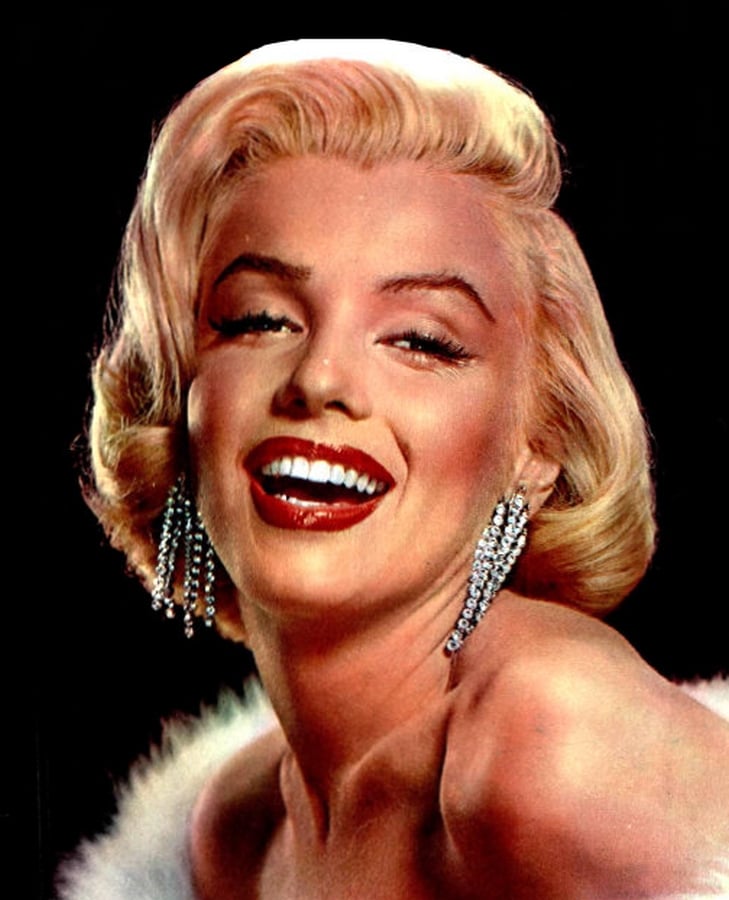
The Blonde Bombshell Who Craved Something More
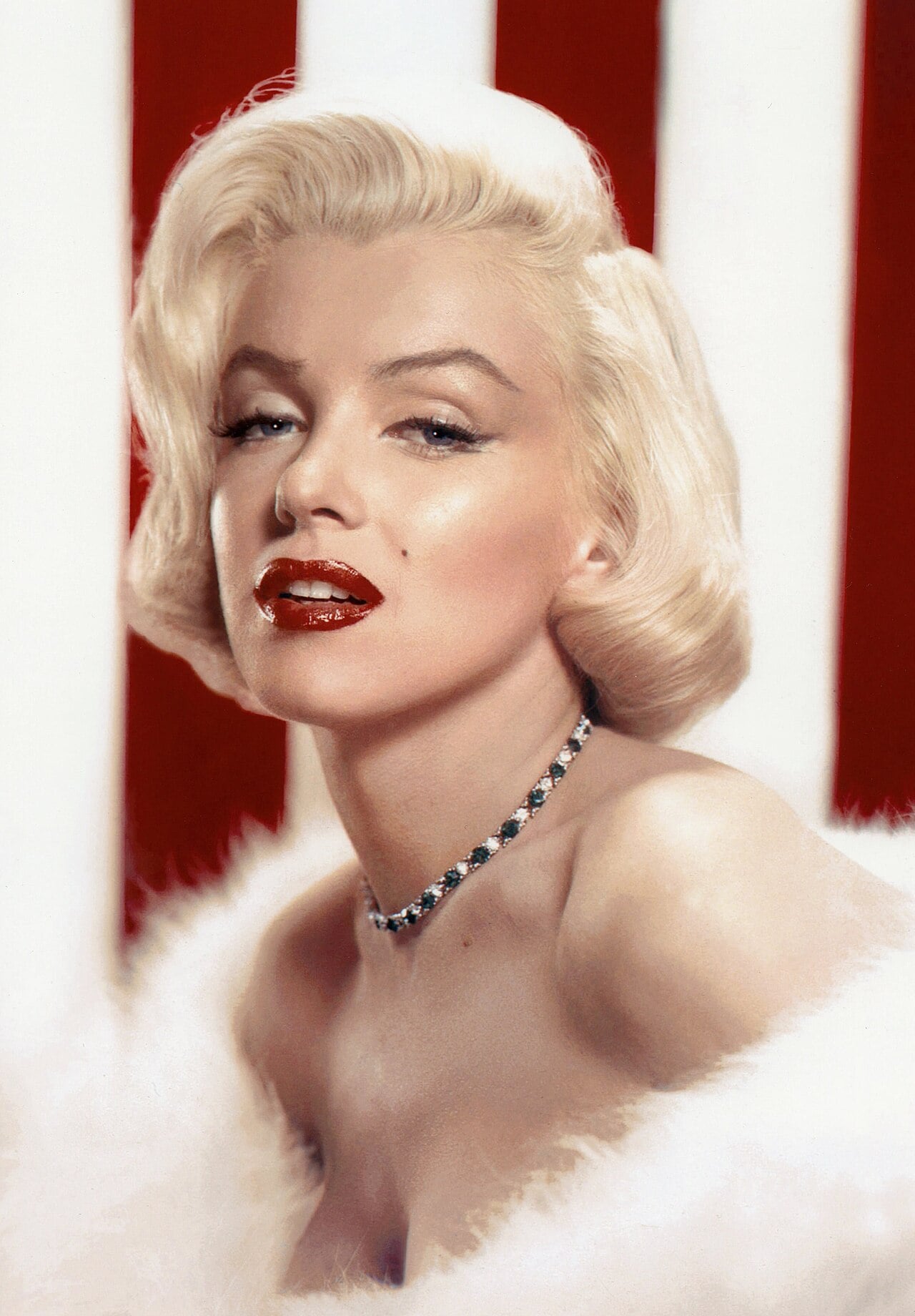
The image was intoxicating: platinum curls, red lips, and a breathless whisper that could sell a million movie tickets. In “Niagara,” “Gentlemen Prefer Blondes,” and “How to Marry a Millionaire,” Monroe became the ultimate “dumb blonde”—a role that made her one of the most marketable stars in Hollywood history.
But behind those batting eyelashes burned the mind of a perfectionist. When her nude images graced the first-ever issue of Playboy in 1953, Monroe understood she was creating more than entertainment—she was crafting mythology. She played a significant role in managing her public image, every gesture calculated, every pose deliberate.
Yet success came with golden handcuffs. The studio typecast her relentlessly, underpaid her compared to her male counterparts, and treated her more like a beautiful prop than a serious artist. The woman who could command millions at the box office found herself briefly suspended in 1954 for daring to refuse a project.
Monroe’s response was revolutionary. In 1954, she founded her own film production company with photographer Milton Greene, becoming one of the first major stars to take control of her career. She dedicated 1955 to studying method acting under Lee Strasberg at the Actors Studio, determined to prove she was more than just a pretty face.
The gamble paid off. Her performance in “Bus Stop” earned critical acclaim, while “Some Like It Hot” brought her a Golden Globe and cemented her legacy as a comedic genius. But even as she reached the pinnacle of stardom, shadows were gathering.
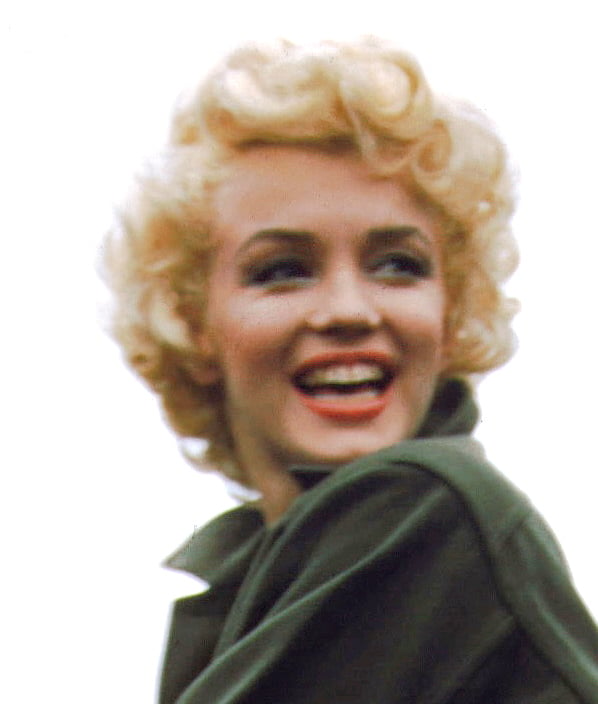
The Heartbreak Behind the Headlines
The fairy tale had a dark underbelly that no amount of fame could heal. Monroe’s troubled private life played out like a Greek tragedy in the pages of every newspaper in America. Her marriages to baseball legend Joe DiMaggio and intellectual playwright Arthur Miller were supposed to be her happily ever after—but both ended in the bitter ashes of divorce.
Here was a woman who could make the world fall in love with her, yet couldn’t seem to find lasting love herself. The foster homes and orphanages of her childhood had left scars that stardom couldn’t erase. Every relationship became another chance for abandonment, every disappointment another confirmation of her deepest fears.
The pills started as a solution—something to help her sleep, something to calm her nerves before a performance, something to quiet the voices that whispered she wasn’t good enough, smart enough, worthy enough. But solutions have a way of becoming problems, and problems have a way of becoming tragedies.
Her last completed film was “The Misfits,” a title that seemed to capture something essential about Monroe herself—always searching for where she belonged, never quite finding it. By August 1962, the woman who had revolutionized American sexuality and challenged Hollywood’s power structure was fighting battles no one could see.
On August 4, 1962, in that quiet bungalow in Brentwood, the battle finally ended. She was just thirty-six years old.
The Legend That Will Never Die
Sixty years later, we’re still asking the same questions that haunted that August night. What drove America’s most beloved star to such despair? Was it the pressure of fame, the pain of a childhood that never truly ended, or something deeper—a fundamental loneliness that all the adoration in the world couldn’t touch?
The American Film Institute would later rank her as the sixth-greatest female screen legend from the Golden Age of Hollywood, but numbers can’t capture the real measure of Marilyn Monroe. She remains frozen in time, eternally thirty-six, eternally beautiful, eternally mysterious.
Perhaps that’s how she would have wanted it—not as the troubled woman who swallowed too many pills on a lonely night, but as the goddess who taught a generation that vulnerability could be strength, that sexuality could be power, and that sometimes the most beautiful people are the ones carrying the deepest pain.
The phone call that came at 3:00 AM delivered news that shocked the world. But the mystery of Marilyn Monroe—who she really was beneath the platinum hair and breathless whisper—remains as captivating and elusive as ever.
Photos via Wikimedia Commons (public domain / Creative Commons).