
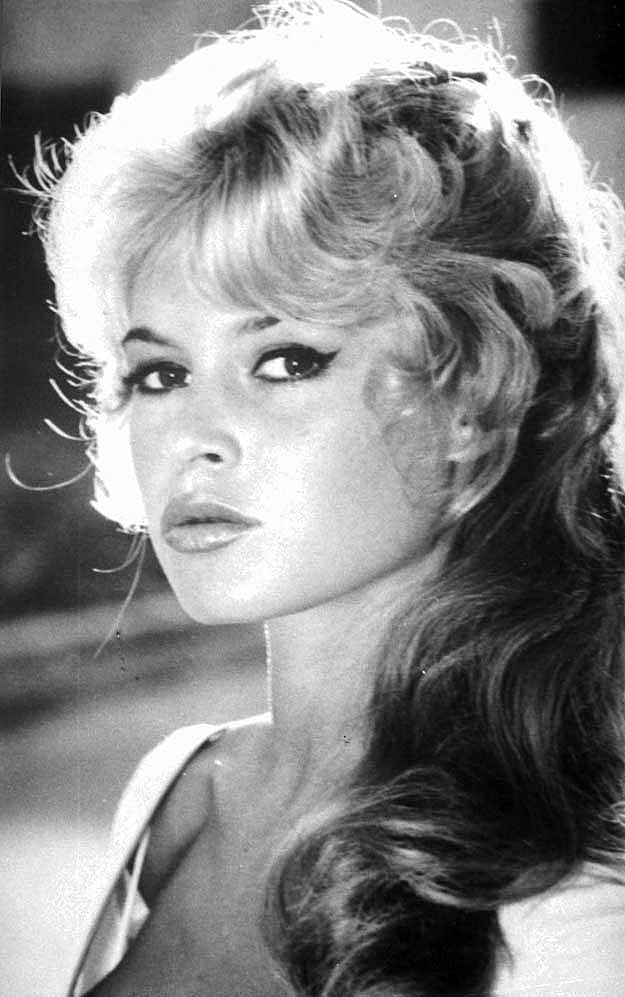
She was the golden goddess who could have ruled Tinseltown forever. Yet at the height of her intoxicating power, when directors begged for her attention and millions hung on her every sultry glance, Brigitte Bardot made a decision that left the entertainment world reeling. What could possibly drive cinema’s most liberated woman to abandon the very stage that made her a legend? The answer reveals a truth more scandalous than any role she ever played.
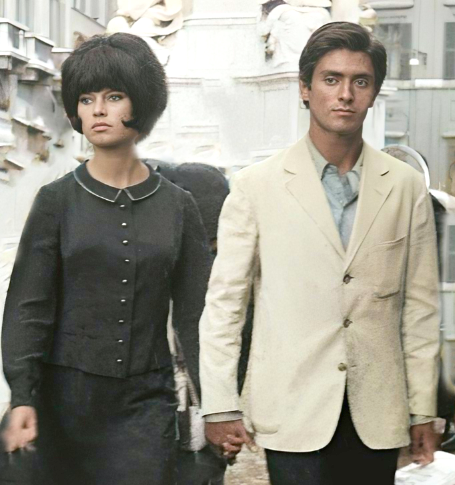
From Ballet Shoes to Global Sensation: The Making of B.B.
In the cobblestone streets of Paris, a young ballerina with honey-blonde hair practiced her pirouettes, dreaming of stages far grander than she could imagine. Brigitte Anne-Marie Bardot’s delicate feet, trained for the discipline of dance, would soon carry her toward a destiny that would reshape how the world saw beauty, desire, and feminine power.
When she stepped before the cameras in 1952, something electric happened. The lens loved her in ways that defied explanation – capturing not just her striking features, but an untamed spirit that seemed to pulse beneath her skin. By 1957, “And God Created Woman” didn’t just launch her to international stardom; it detonated like a cultural bomb across conservative sensibilities worldwide.
The nickname “sex kitten” followed her like perfume, but it barely captured the seismic force she represented. French intellectuals debated her significance in smoky café corners. Even the great philosopher Simone de Beauvoir felt compelled to analyze this phenomenon, declaring Bardot “the most liberated woman of France” and a “locomotive of women’s history.” When your existence becomes the subject of philosophical essays, you’ve transcended mere celebrity – you’ve become a force of nature.
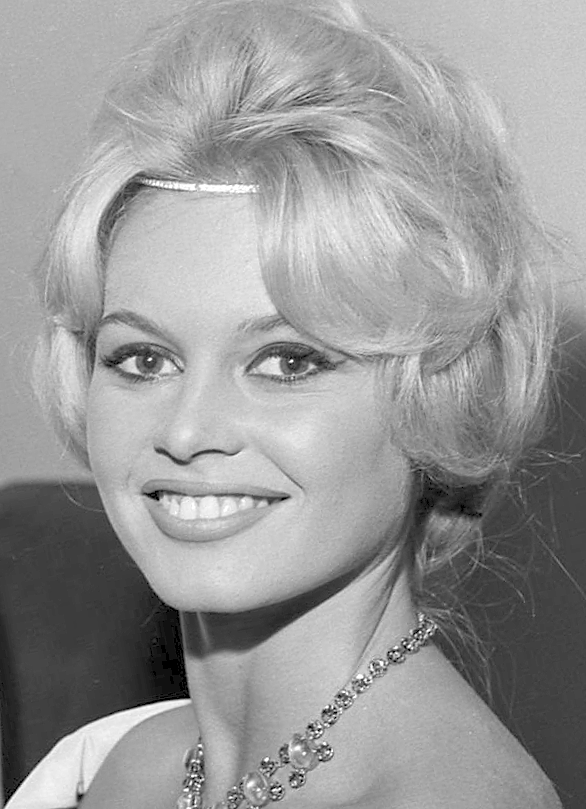
The Icon Who Rewrote the Rules of Feminine Power
B.B. wasn’t just an actress; she was a revolution wrapped in curves and confidence. Her characters didn’t simper or apologize – they reveled in hedonistic lifestyles that scandalized and mesmerized in equal measure. She embodied the sexual revolution before it even had a name, moving through her 47 films like a woman who owned every room she entered.
Her artistry demanded respect. The David di Donatello Award recognized her powerful performance in “The Truth” in 1961. Jean-Luc Godard, the master of French New Wave cinema, cast her in “Le Mépris,” understanding that her magnetic presence could elevate any frame. When Louis Malle directed her in “Viva Maria!”, her performance earned a BAFTA nomination – proof that beneath the sensual exterior lay genuine talent.
President Charles de Gaulle himself declared her “the French export as important as Renault cars.” Imagine that – a world leader comparing one woman’s cultural impact to an entire automotive industry. She wasn’t just representing France; she was redefining what French sophistication could mean to the world.
Her voice enchanted as much as her image. More than 60 songs carried her breathless vocals across airwaves, while her musical performances added another dimension to her artistic legacy. She was the complete package – actress, singer, model – a multimedia sensation decades before the term existed.
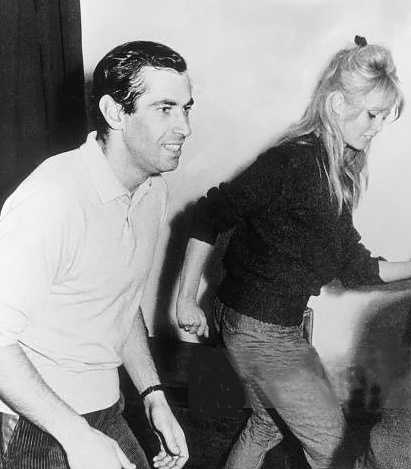
The Shocking Exit That Changed Everything
Then, in 1973, the impossible happened. At only 38 years old, when most stars desperately cling to their fading relevance, Brigitte Bardot walked away from it all. Not a gradual retreat, not a selective hiatus – a complete, stunning departure from the entertainment industry that had worshipped her.
But this wasn’t the story of a star fleeing scandal or failure. This was something far more profound, more revolutionary than anything she’d done on screen. The woman who had spent two decades embodying liberation discovered there was something that mattered more than fame, more than adoration, more than the intoxicating drug of global celebrity.
Animals. The voiceless, the helpless, the forgotten creatures suffering while the world applauded human drama. Bardot’s transformation was as dramatic as any role she’d ever played, except this time, the stakes were real lives hanging in the balance.
The Brigitte Bardot Foundation became her new stage, animal rights her new script. She threw herself into this cause with the same passionate intensity that had made her a legend, speaking out with a fearlessness that sometimes landed her in legal trouble. Her outspokenness earned her fines, controversy, criticism – but also recognition from the United Nations and UNESCO.
The Legion of Honour came in 1985, France’s way of acknowledging that her true greatness lay not just in what she’d given to cinema, but in what she’d given to conscience.
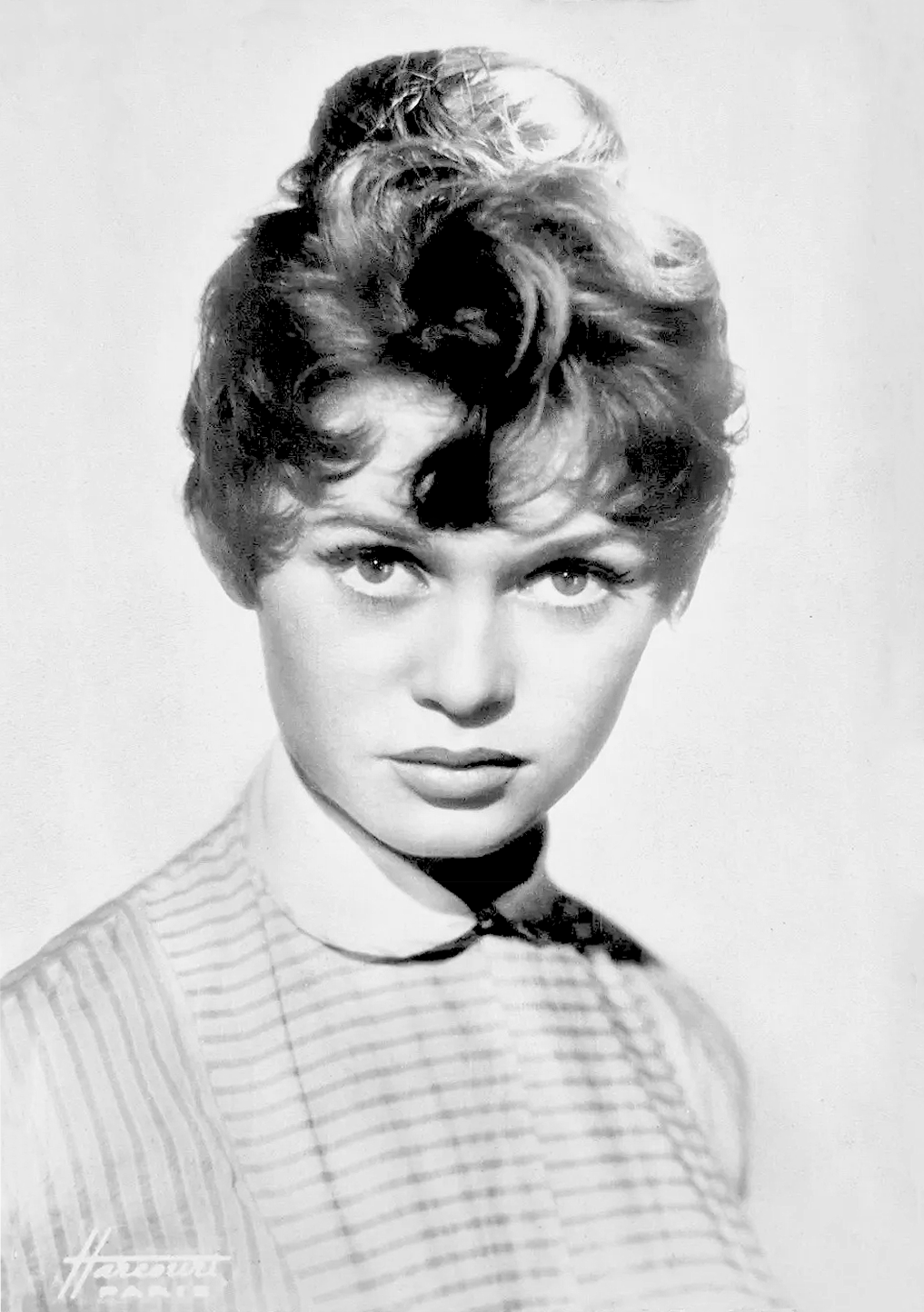
The Mystery That Endures Beyond the Final Frame
Today, decades after her last close-up, Brigitte Bardot remains an enigma wrapped in contradiction. The sex symbol who became a crusader. The hedonist who found purpose in protection. The star who discovered that walking away from the spotlight could illuminate truths more powerful than any she’d revealed under studio lights.
Her legacy whispers of secrets we may never fully understand – what really drives someone to abandon everything the world tells us we should want? What did she see in those years of fame that the rest of us missed? The woman who once embodied the sexual revolution found her own revolution in compassion, leaving us to wonder what other transformations might be possible when we’re brave enough to rewrite our own stories.
The cameras stopped rolling, but the mystery of B.B. continues, eternal as the films that made her immortal, enigmatic as the woman who chose conscience over celebrity and never looked back.
Photos via Wikimedia Commons (public domain / Creative Commons).