
In 1935, Franchot Tone was one of the most desirable men in Hollywood — Ivy League educated, Oscar-nominated, and married to the biggest female star on the planet. On paper, it looked like a fairy tale.
But friends who visited the Tone-Crawford household noticed something strange: Franchot rarely spoke unless spoken to first. What was really happening behind those studio-approved smiles?
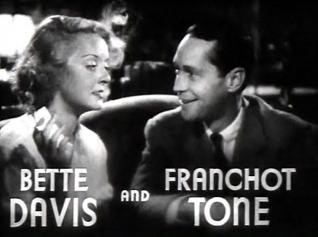
The Blue-Blood Star MGM Couldn’t Resist
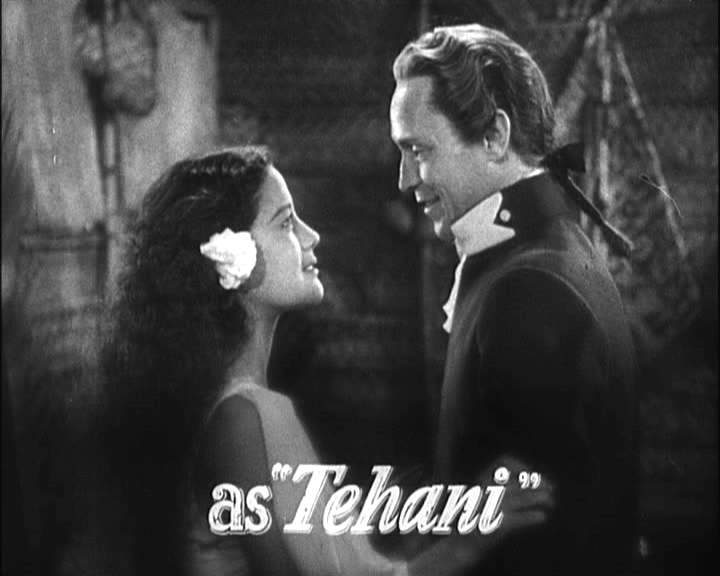
Born into a wealthy Niagara Falls industrialist family and educated at Cornell, Franchot Tone was Hollywood’s rare intellectual heartthrob. He trained with the prestigious Group Theatre in New York before MGM snatched him up, casting him opposite the era’s biggest names. By 1935, his performance in Mutiny on the Bounty earned him an Academy Award nomination, and he was being groomed as the studio’s next great leading man — polished, articulate, and seemingly untouchable.
A Restless Mind in a Studio Cage
Unlike many contract players, Tone never fully embraced the Hollywood machine. He longed for serious stage work, quietly resented the shallow scripts MGM handed him, and drank to fill the gap between who he was and who the studio wanted him to be. Colleagues described a man craving intellectual respect far more than fame — a need that made him especially vulnerable to a partner who commanded both.
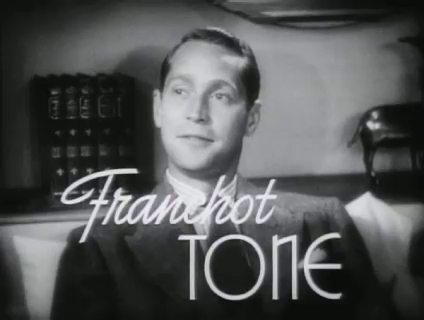
The Marriage That Erased Him
When Tone married Joan Crawford in 1935, the press called them Hollywood royalty. But insiders whispered a different story — one where Crawford dictated the household schedule, controlled his friendships, and openly outshone him at every premiere. Tone, once celebrated for his own talent, began being introduced simply as ‘Mr. Crawford.’ The resentment simmered quietly for years, masked by public smiles and studio photo shoots, until the marriage collapsed in 1939 — leaving scars that outlasted the union itself.
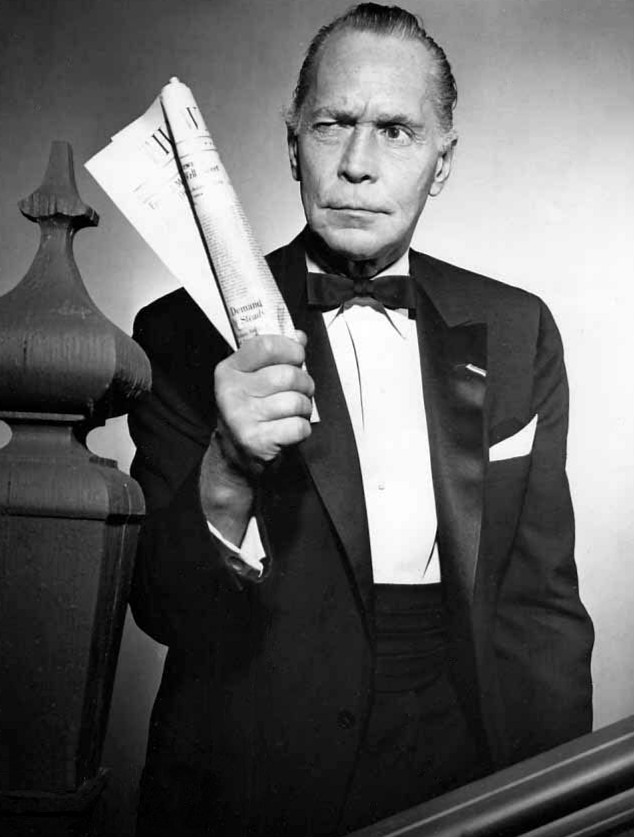
The Quiet Fade of a Forgotten Leading Man
Tone would marry three more times, chasing a stability he never quite found again. His film career slowly shifted from leading roles to supporting parts, and by the 1950s he was better known for personal drama than performances. Today, he’s remembered less for his early promise and more for what that first marriage revealed — a brilliant man who spent decades trying to matter as much as the woman beside him.
Photos via Wikimedia Commons (public domain).