On March 27, 1973, Marlon Brando was named Best Actor for The Godfather — the crowning achievement of his career. He wasn’t there to accept it.
In his place stood a 26-year-old woman in traditional Apache dress, booed by half the room, holding a speech Brando had written himself. What she said that night would haunt Hollywood for fifty years — and almost end her own career instead of his.
The Godfather Triumph That Made Him Untouchable
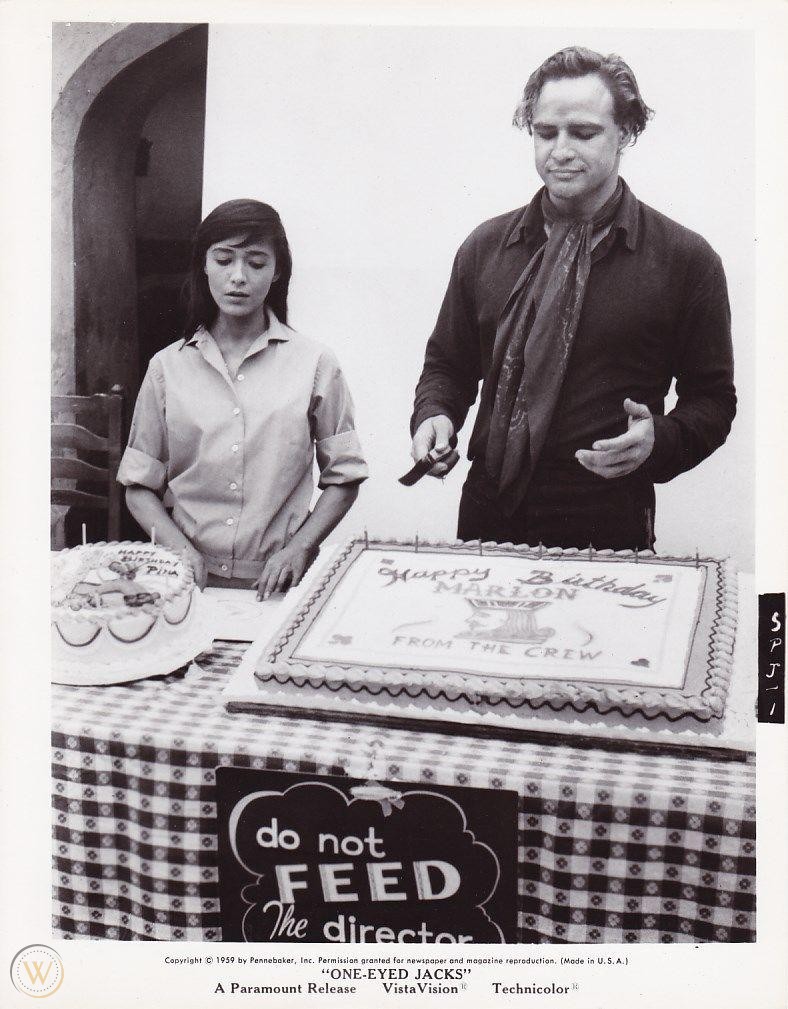
By 1972, Brando was a has-been by industry standards — difficult, aging, box-office poison. Then Francis Ford Coppola cast him as Vito Corleone, and Brando delivered a performance so quietly powerful it redefined American cinema. The Godfather became a phenomenon, and Brando, at 48, was suddenly the most acclaimed actor alive again, nominated for his second Oscar.
The Rebel Beneath the Icon
Brando never trusted fame. He called awards shows “a meat parade” and despised the industry that made him rich. Behind the brooding screen persona was a man consumed by causes — civil rights, Black Panther fundraising, and increasingly, the treatment of Native Americans, whose history he’d studied obsessively for years, quietly funding activist groups few in Hollywood knew existed.
The Night He Sent Sacheen Littlefeather to Refuse His Oscar
Instead of attending, Brando asked actress and activist Sacheen Littlefeather to decline the award on live television, protesting Hollywood’s portrayal of Native Americans and the ongoing standoff at Wounded Knee. She was booed, mocked by presenters, and blacklisted for years afterward — while Brando stayed home, watching the fallout land entirely on her instead of him.
Hollywood’s Long-Overdue Apology
For decades, Littlefeather was dismissed as a footnote, her speech reduced to a punchline. Only in 2022, months before her death, did the Academy formally apologize for the abuse she endured that night. Brando, long gone by then, was never around to answer for what she alone had paid for — a debt Hollywood is only now beginning to acknowledge.
Photos via Wikimedia Commons (public domain).