
In 1951, one of Hollywood’s most refined leading men was carried out of a Los Angeles home on a stretcher, his face unrecognizable. He wasn’t the victim of a car crash or a stunt gone wrong. He’d been beaten nearly senseless by another actor — over a woman.
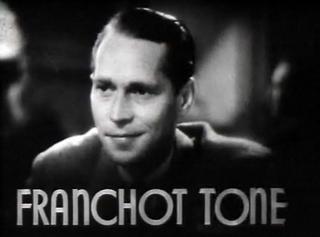
Franchot Tone had survived Broadway triumphs, an Oscar nomination, and a headline-making marriage to Joan Crawford. But nothing prepared him for the price of falling for 24-year-old starlet Barbara Payton, who had a jealous, muscle-bound ex still very much in the picture.
From Broadway Darling to Studio Star
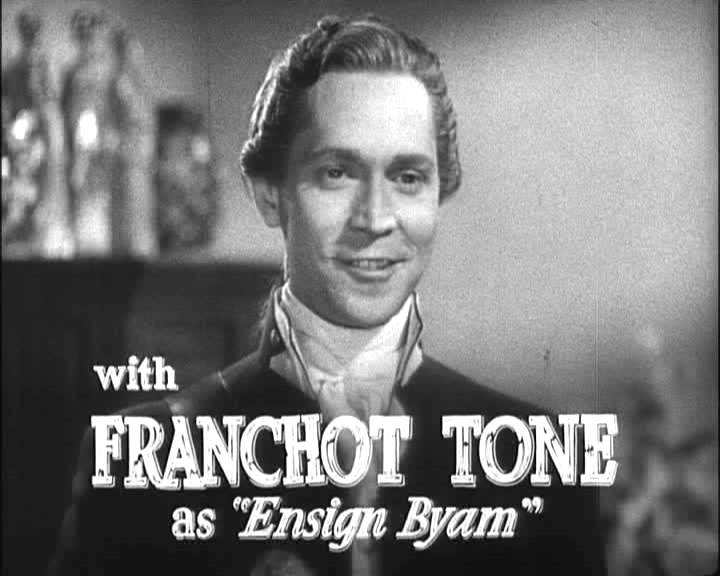
Tone arrived in Hollywood in the early 1930s already a stage sensation, quickly earning a reputation as MGM’s most cultured, tuxedo-ready leading man. His 1935 Oscar nomination for Mutiny on the Bounty cemented him as prestige-picture royalty, and his marriage to Joan Crawford in 1935 made him a fixture of movie-magazine covers for years.
The Man Behind the Polish
Friends described Tone as brilliant, restless, and privately insecure — a man who craved serious theater but got typecast as the charming society gent. He drank hard, married four times, and chased the kind of turbulent romance that never matched his cool on-screen elegance. By the late 1940s, his career had cooled, and he seemed determined to reclaim his youth through love.
The Brawl That Broke His Face
Enter Barbara Payton, a rising bombshell caught between Tone and her volatile ex, actor Tom Neal. In September 1951, Neal confronted Tone outside Payton’s home and beat him so severely that Tone suffered a broken nose, a fractured cheekbone, and a brain concussion, spending days unconscious in the hospital. Astonishingly, weeks later, he married Payton anyway — a union that collapsed within months.
A Face the Cameras No Longer Loved
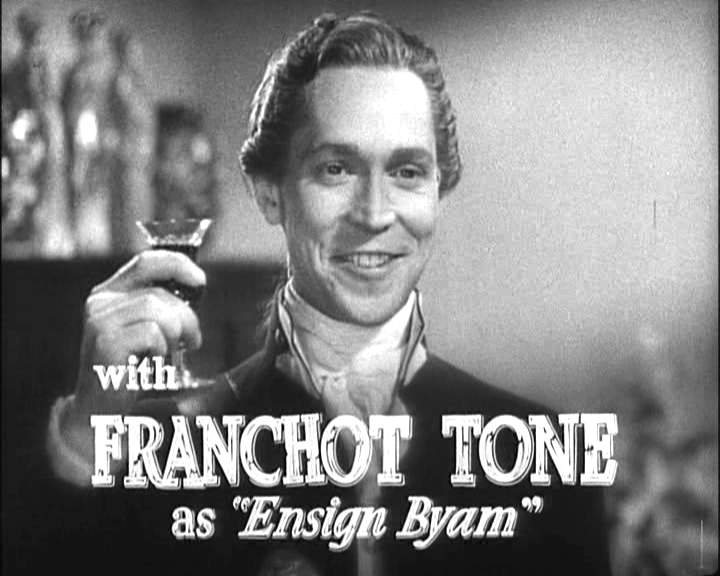
The scandal, and the visible reconstruction his face required, quietly ended his run as a romantic lead. Tone shifted to character roles and television, working steadily but never regaining his old stardom. He died in 1968, remembered less for his Oscar nomination than for the brutal fight that rewrote his face — and his fate.
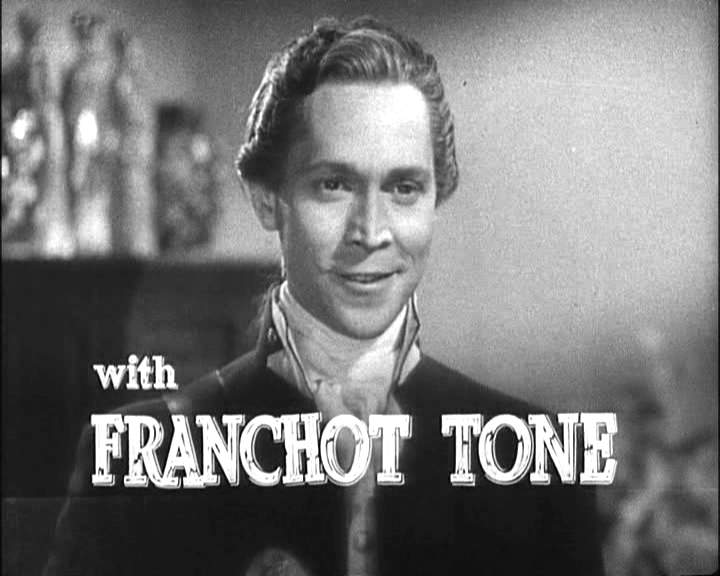
Photos via Wikimedia Commons (public domain).