
Ronald Colman glided across the screen with the kind of effortless grace that made him one of the most beloved leading men of Hollywood’s golden age. That deep, cultured voice. That easy charm. Audiences never suspected a thing.
Because underneath the tailored suits and impeccable posture, Colman was carrying a secret from the trenches of World War I — one he fought harder to hide than any villain he ever played on screen. So what exactly was he protecting, and how far did he go to keep it buried?
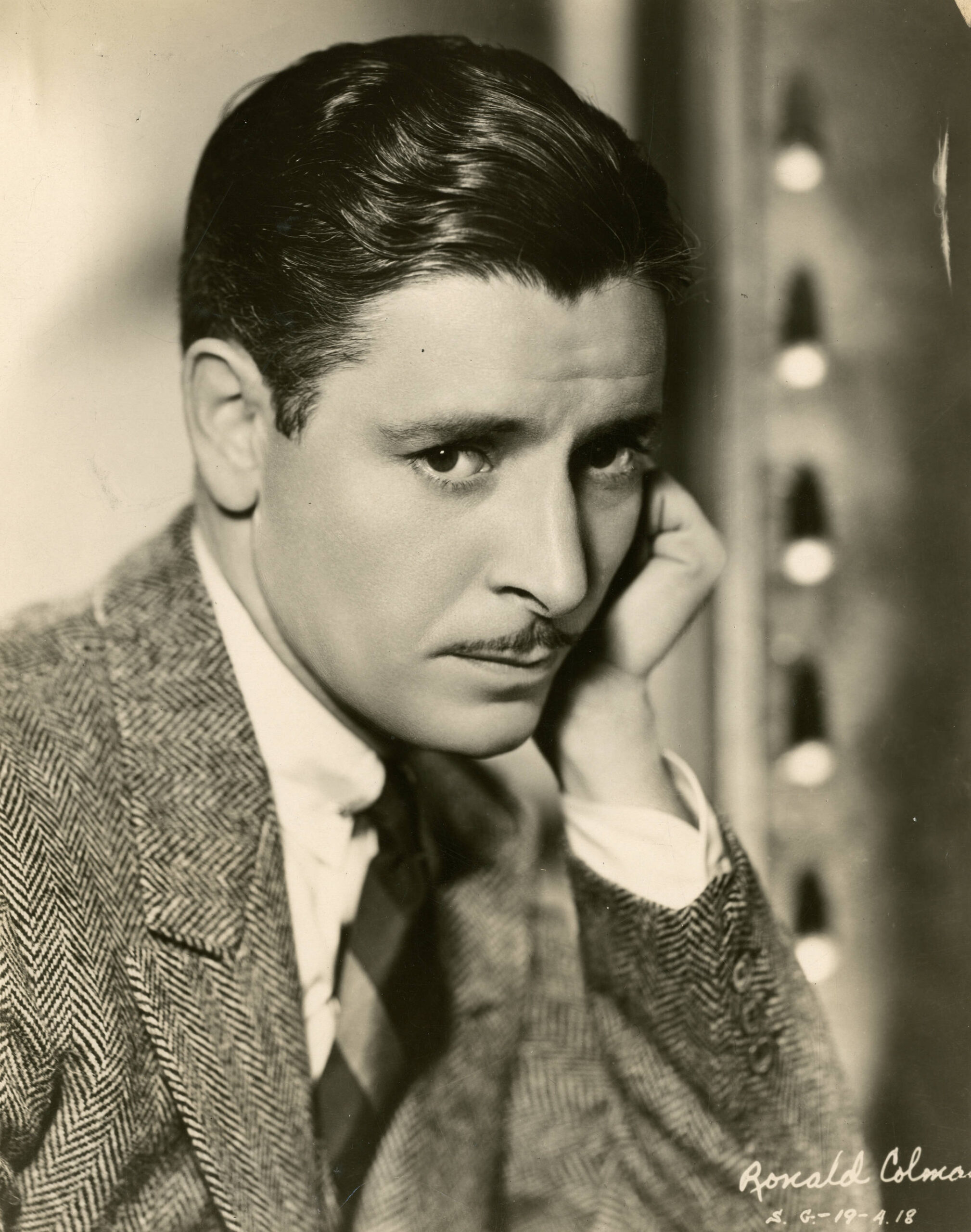
From the Trenches to the Marquee
Before he was a star, Colman was a soldier in the London Scottish Regiment, wounded by shrapnel at the Battle of Messines in 1914. He returned home with a permanent limp and a shattered ankle that never healed properly. Undeterred, he pursued acting, and by the late 1920s his velvety voice made him one of the few silent stars who thrived when talkies arrived, landing him roles in classics like Bulldog Drummond and A Tale of Two Cities.
A Gentleman Who Guarded Everything
Colleagues described Colman as unfailingly polite but nearly impossible to truly know. He rarely gave interviews about his personal life, avoided public appearances that required standing for long periods, and insisted on controlling how he was photographed on set. Friends noted he seemed to be managing something behind that composed exterior, but few ever asked what.
The Injury Hollywood Never Saw
Directors were quietly instructed to frame Colman from the waist up whenever possible, and stunt work involving running or quick footwork was handed to doubles without explanation. Custom-built shoes disguised his uneven gait, and he chose scripts and blocking that let him sit, lean, or stand still rather than walk long distances on camera. For nearly three decades, one of cinema’s most physically graceful stars was secretly managing a wound that could have ended his career the moment audiences noticed.
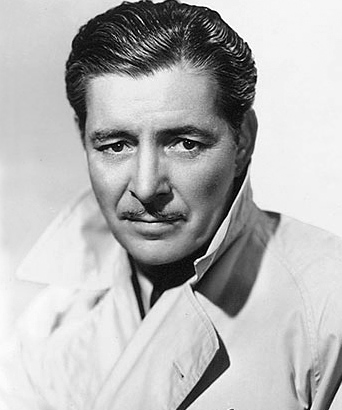
The Cost of the Perfect Illusion
Colman won the Academy Award for A Double Life in 1948, cementing his legacy as one of the most respected actors of his era. But those closest to him later revealed just how much effort went into maintaining the illusion audiences never questioned — a secret discipline that shaped nearly every role he ever played, right up until his death in 1958.
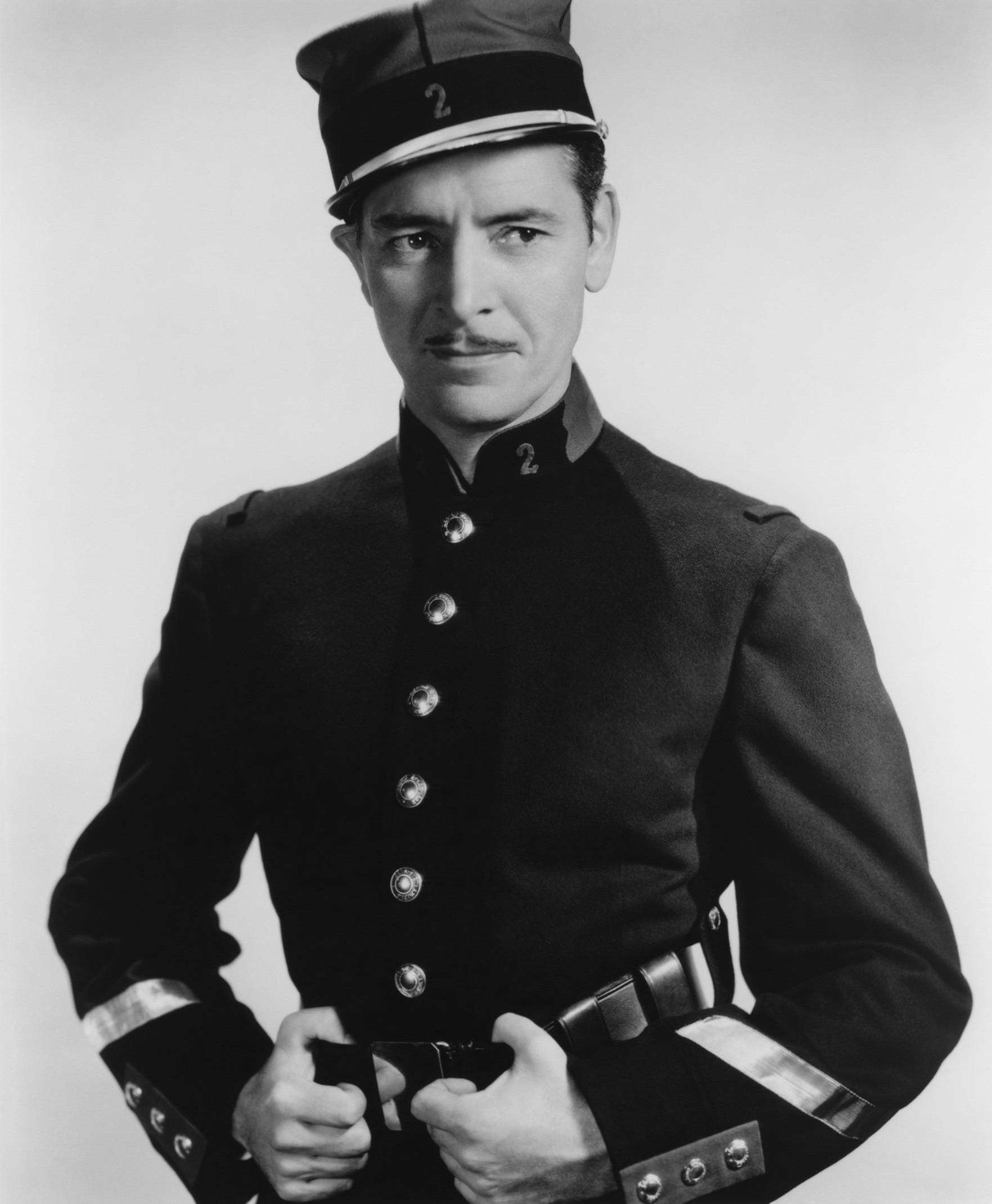
Photos via Wikimedia Commons (public domain).